The global fashion retail landscape is witnessing a structural shift as Bangladesh’s ready-made garment (RMG) sector moves beyond its traditional identity as a low-cost volume hub. While fiscal year 2025 closed with a robust 8.84 per cent increase in apparel exports to $39.35 billion, the underlying narrative is one of rapid technological deepening and stringent environmental compliance.
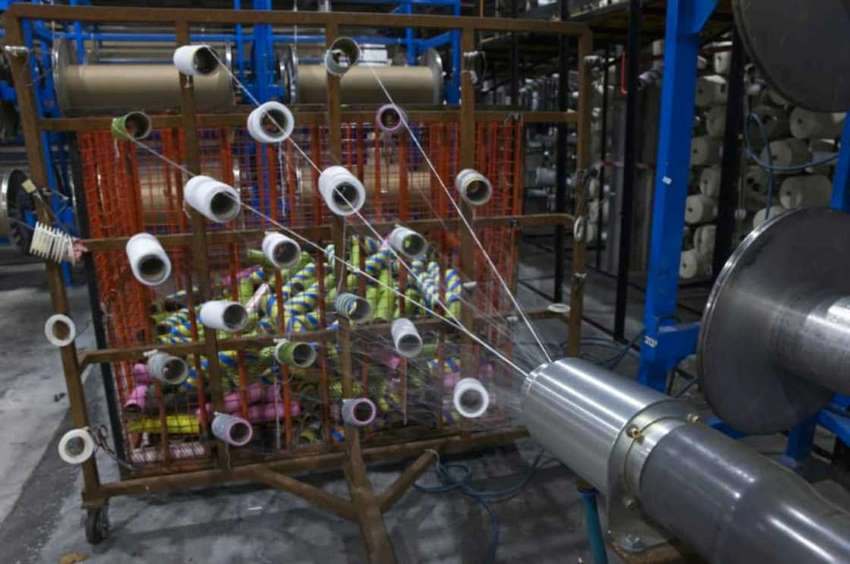
Faced with a 33 per cent rise in industrial gas prices and a statutory wage review, manufacturers are aggressively integrating automated cutting, knitting, and sewing lines. This capital-intensive transition has boosted factory productivity several fold, allowing the sector to absorb rising overheads while maintaining its edge against regional competitors like Vietnam and China.
Green manufacturing as a competitive advantage
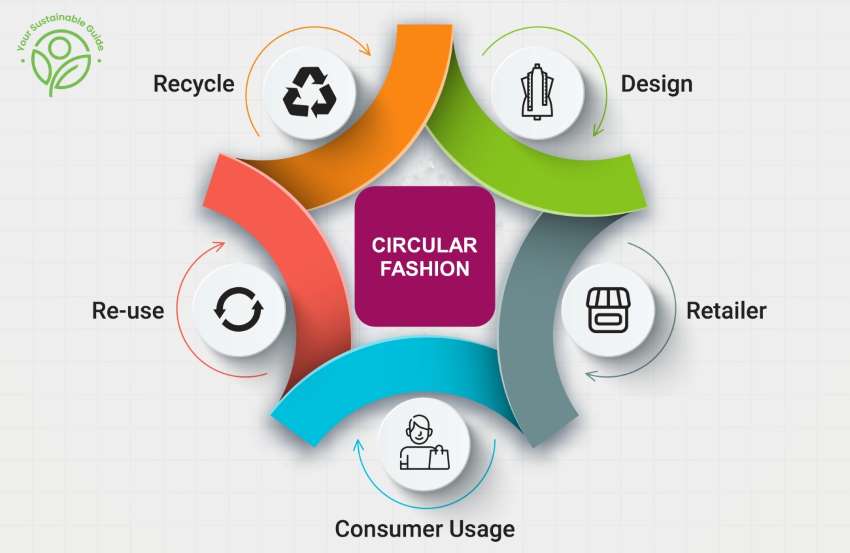
Sustainability has evolved from a boardroom buzzword into a prerequisite for market access. Bangladesh now hosts over 240 LEED-certified green factories, the highest globally, positioning it as the preferred partner for European and North American brands adhering to new circularity mandates. Led by BGMEA, the ‘Sustainability Vision 2030’ targets a 30 per cent reduction in greenhouse gas emissions, underpinned by a surge in rooftop solar installations and water-recycling technologies. This ‘green premium’ is attracting high-value orders in the athleisure and technical textile segments, which are projected to grow at a 6.7 per cent CAGR through 2030.
Navigating tariff shocks and LDC graduation
Despite the momentum, the industry faces immediate headwinds from shifting trade policies. In a significant diplomatic breakthrough in late 2025, a negotiated 20 per cent cap on US tariffs averted a more punitive 35 per cent rate, though duties remain higher than historical levels. The sector is also bracing for the 2026 LDC graduation, which will phase out preferential market access. Manufacturers like the DBL Group are responding by diversifying into synthetic fibers and recycled polyester - sub-segments expected to exceed $8 billion by 2030 - ensuring the ‘Made in Bangladesh’ tag remains indispensable in an era of ethical and high-performance fashion.
As the world’s second-largest apparel exporter, Bangladesh’s RMG sector accounts for 85 per cent of national export earnings. Dominating in knitwear and woven categories, the industry is currently transitioning toward high-value functional textiles and automation to offset rising labor costs. With a 2030 export target of $100 billion, the sector remains the bedrock of national economic stability and female workforce empowerment.