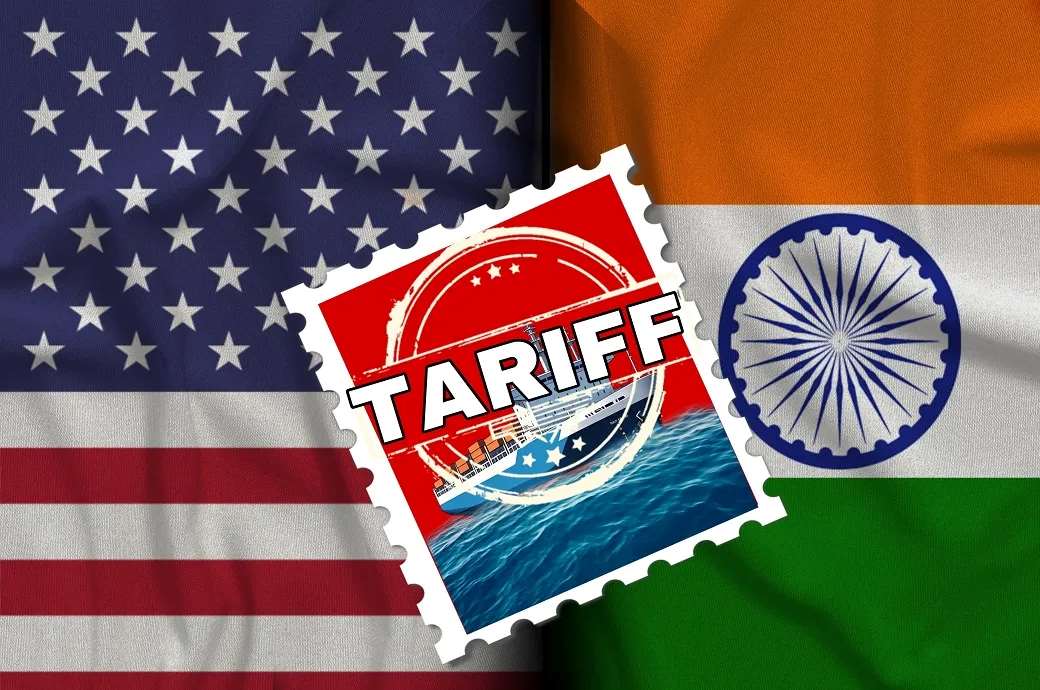
Bangladesh now leads denim garment making across the globe as it has already developed a strong washing capacity. Work orders from US buyers are increasing as they are decreasing their sourcing from China due to the trade war between the two countries.
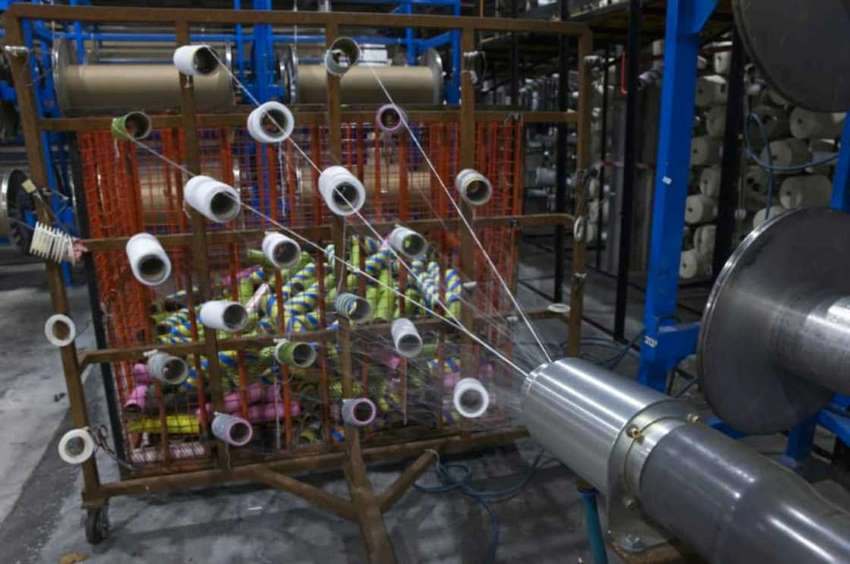
Due to the growing demand, especially for more value-added products, a few denim fabric makers are now introducing the latest technology including rope dyeing. Rope dyeing is considered to be the best possible indigo dyeing method for yarn as the short dyeing time doesn’t allow indigo to fully penetrate the fibers, thus creating ring-dyed yarn that fades better and faster than fully-dyed yarn. Shade variation is comparatively lower in the rope dyeing process than the most used slashed dyeing. Less water is consumed while chemical use is high. Another aspect of the process is it provides a deep indigo look, the unique look that denim lovers are looking for. Though rope dyeing machinery installation cost is higher than slashed dyeing, buyers offer a ten to 15 cent higher price due to its color and quality.
Bangladesh is now the top denim supplier to the European Union, overtaking China, and the third largest to the US, after China and Mexico.
- 1
- 2
- 3
- 4
- 5
- 6
- 7
- 8
- 9
- 10
Global cotton enters a deficit year in 2026 as supply drop meets logistics risk
The global cotton economy has entered a fragile and sensitive phase. Early projections for the 2026-27 season suggest that world... Read more
India’s textile trade gets a Pacific push as New Zealand FTA removes tariff barr…
India and New Zealand have inked a ‘once-in-a-generation’ Free Trade Agreement (FTA), one that will have a profound impact on... Read more
Lululemon’s world-first nylon circularity push signals a new apparel arms race
The global apparel industry’s circularity narrative is entering a more technically demanding phase. Polyester recycling once the flagship of sustainable... Read more
Beyond the DTC Rush: Levi’s hybrid channel strategy sets a new retail benchmark
The global apparel sector is entering a phase where channel strategy is no longer a tactical lever but a core... Read more
The New Rules of Resale: EPR turning secondhand into fashion’s strategic growth …
The global fashion industry is facing a decisive regulatory and commercial reset. What began as a sustainability narrative around reuse... Read more
The 2027 Mandate: Why denim’s future hinges on verifiable data
For decades, the global denim industry has relied on a narrative of durability, heritage, and authenticity. That narrative is now... Read more
Europe’s textile core unravels as costs, imports and policy pressure bite
Europe’s textile and apparel sector, long seen as a benchmark for craftsmanship and industrial depth, is slipping into a prolonged... Read more
Automation, innovation, regulation are the forces shaping textiles in 2026
The global textile sector has entered a new era. Early 2026 saw the industry breach a $1.06 trillion valuation, reflecting... Read more
The new Brussels rulebook, every EU apparel order is now a balance-sheet risk
The humble export order sheet is undergoing a transformation. What was once a straightforward commercial instrument: SKU, volume, FOB price,... Read more
Why 2026-27 could be a defining cotton year for India’s farm-to-fashion economy
The global cotton economy is entering a more constrained phase, and for India, the implications run far beyond the farm... Read more