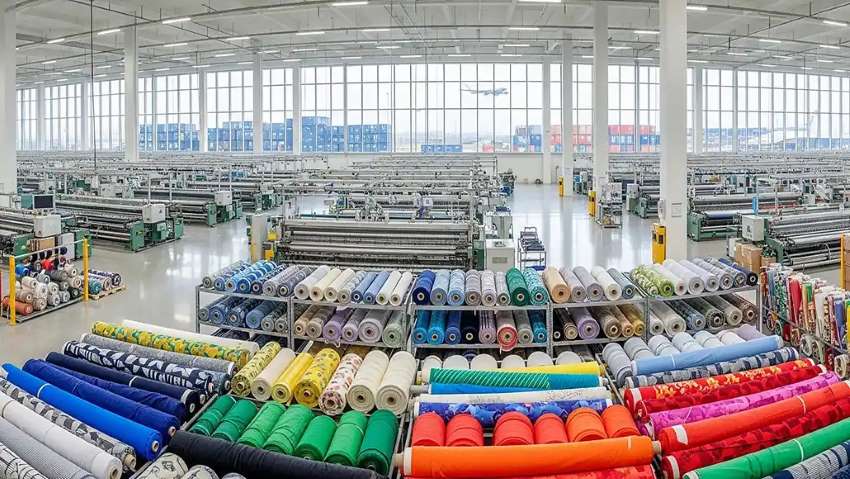
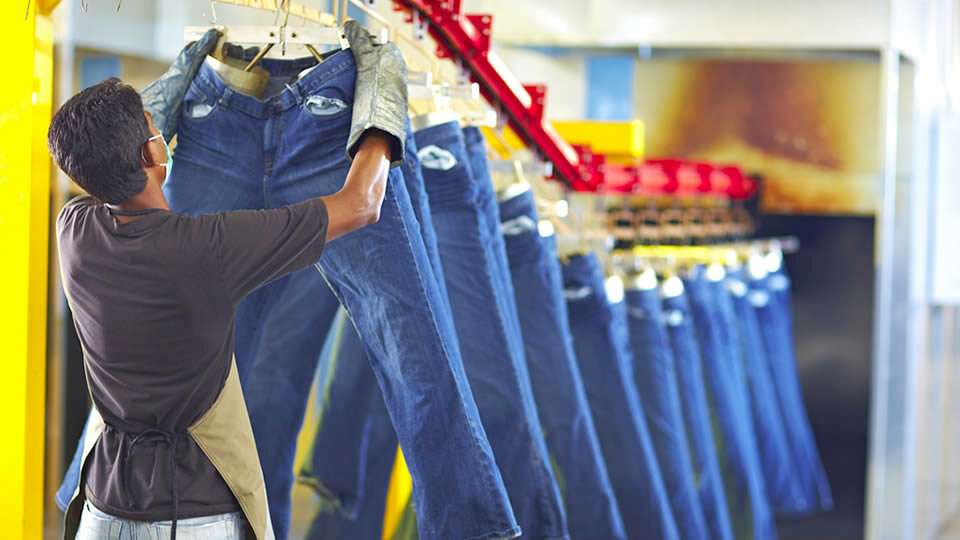
New investments by Bangladesh garment manufacturers are focused on compliance and technology to meet buyers' requirement and workplace safety. Some are also concentrating on producing value added products. The latest technology and innovations are core in the investment as consumers’ behavior and taste are changing very fast in the fashion industry. As of now, Bangladesh has capacity in excess for some products and segments. So the new investment and expansion are focusing on new products having scope to grow. New ventures need more investments, modern technology, enhanced efficiency, productivity, compliance and environment-friendly measures to be sustainable and competitive in the global supply chain.
In 2019, many knitwear manufacturers in Bangladesh, mostly small and medium, shut down, making thousands of people jobless. Non-compliance and lack of implementation of the new wage structure are largely blamed for the closures. Other reasons are a lack of enough work orders and loss of competitiveness due to a rise in production costs. Units also complain of not getting banking support in improving compliance and meeting other necessary expenses. This is a tragedy of sorts since small factories have the capacity to offer specialized and small quantity products, which would suit the changing tastes of consumers.
- 1
- 2
- 3
- 4
- 5
- 6
- 7
- 8
- 9
- 10
India’s textile trade gets a Pacific push as New Zealand FTA removes tariff barr…
India and New Zealand have inked a ‘once-in-a-generation’ Free Trade Agreement (FTA), one that will have a profound impact on... Read more
Lululemon’s world-first nylon circularity push signals a new apparel arms race
The global apparel industry’s circularity narrative is entering a more technically demanding phase. Polyester recycling once the flagship of sustainable... Read more
Beyond the DTC Rush: Levi’s hybrid channel strategy sets a new retail benchmark
The global apparel sector is entering a phase where channel strategy is no longer a tactical lever but a core... Read more
The New Rules of Resale: EPR turning secondhand into fashion’s strategic growth …
The global fashion industry is facing a decisive regulatory and commercial reset. What began as a sustainability narrative around reuse... Read more
The 2027 Mandate: Why denim’s future hinges on verifiable data
For decades, the global denim industry has relied on a narrative of durability, heritage, and authenticity. That narrative is now... Read more
Europe’s textile core unravels as costs, imports and policy pressure bite
Europe’s textile and apparel sector, long seen as a benchmark for craftsmanship and industrial depth, is slipping into a prolonged... Read more
Automation, innovation, regulation are the forces shaping textiles in 2026
The global textile sector has entered a new era. Early 2026 saw the industry breach a $1.06 trillion valuation, reflecting... Read more
The new Brussels rulebook, every EU apparel order is now a balance-sheet risk
The humble export order sheet is undergoing a transformation. What was once a straightforward commercial instrument: SKU, volume, FOB price,... Read more
Why 2026-27 could be a defining cotton year for India’s farm-to-fashion economy
The global cotton economy is entering a more constrained phase, and for India, the implications run far beyond the farm... Read more
Luxury resale’s next big battle is no longer digital, it is about who controls s…
For nearly a decade, the luxury resale story was written in the language of platforms. Market leadership was measured by... Read more