Bangladesh and Vietnam celebrated the 50-year anniversary of their diplomatic relations by establishing the Bangladesh-Vietnam Friendship Society. The two countries have enjoyed friendly relations since 1973, with bilateral trade projected to reach $2 billion by 2023.
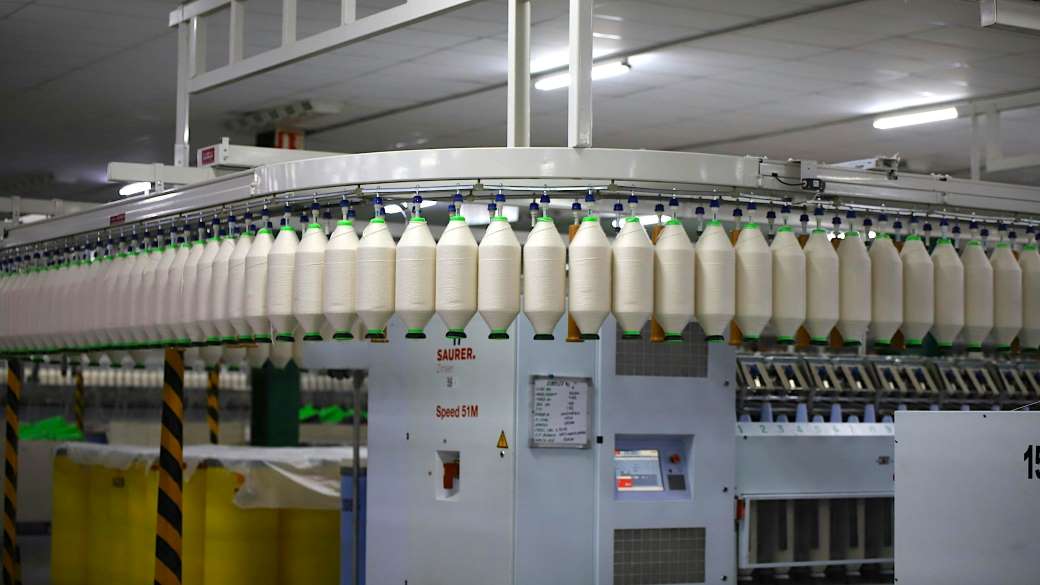
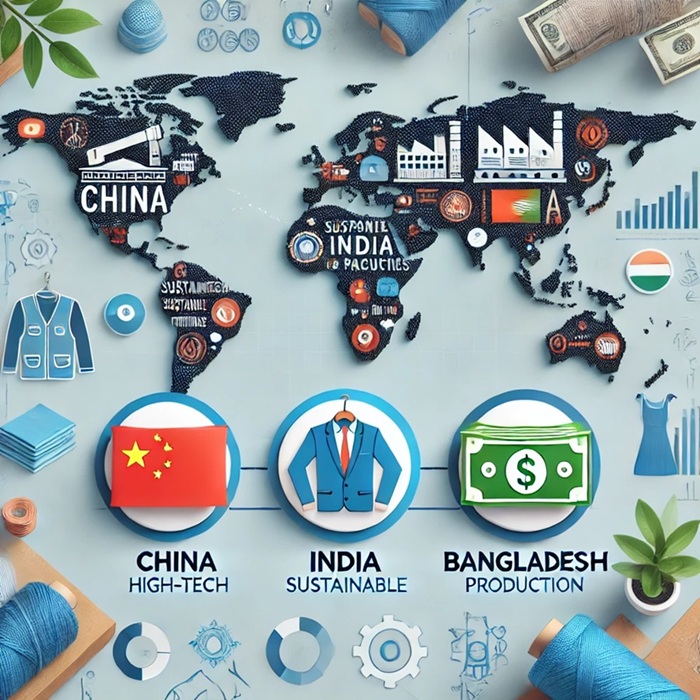
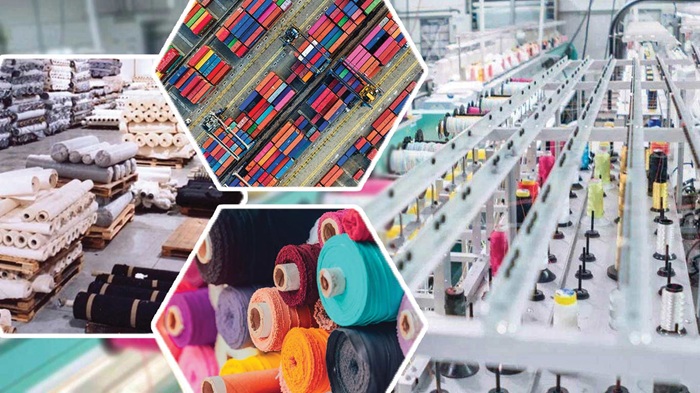
The garment and textile industry plays a vital role in both countries' economies. Bangladesh is the world's second-largest garment exporter, accounting for over 80% of the country's total exports. Vietnam, on the other hand, is the world's third-largest textile and garment exporter, contributing 15% to the country's GDP.
The United States and the European Union are the largest importers of garments from both Bangladesh and Vietnam. In 2020, the US imported $5.82 billion worth of garments from Bangladesh, while Vietnam's garment exports to the US amounted to $13.8 billion.
Vietnam has shown resilience post-pandemic and benefited from the US-China trade war over Asia, giving it a potential opportunity to access South Asia through Bangladesh if the two countries develop closer ties. Although Bangladesh and Vietnam are seen as competitors in the global apparel market, both countries can share knowledge and information to enhance growth in the market.
Although the bilateral trade is on the rise, Bangladesh is running a trade deficit with Vietnam since as it imports $678.6 million worth of goods from Vietnam where it’s export’s to the country amount to only $61.29 million. Bangladesh has also struggled to attract significant investment from the country, with Vietnam only investing in one project in Bangladesh worth $27,900.
To attract Vietnamese investment, Bangladesh might provide easier ways to invest in its economic zones related to technology or tourism, where it may give country-specific services to Vietnam. Bangladesh already has a low minimum salary of US$ 95, making it a desirable location for Vietnamese investors to transfer their operations.
Closer ties between the two countries are expected to further enhance cooperation in various sectors, including the garment and textile industry, as well as emerging sectors such as ICT, agriculture, and tourism. Both countries recognize the value of cooperation and have contributed to each other's foreign investment.