FW
Piyush Goyal inaugurates CMAI's 'Brands of India' pavilion at Bharat Tex 2024
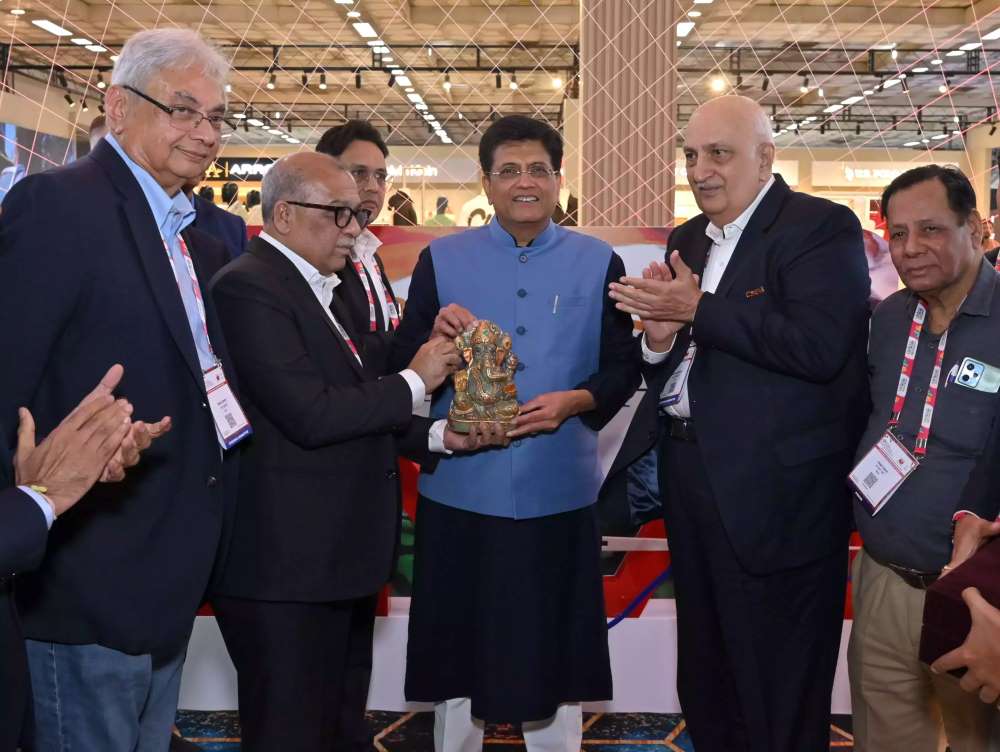
The 'Brands of India' pavilion, organized by the Clothing Manufacturers Association of India (CMAI), was inaugurated today at Bharat Tex 2024 by Piyush Goyal, Hon. Minister of Commerce & Industry, Consumer Affairs & Food & Public Distribution and Textiles, Government of India.
The pavilion, located in Hall 12A at the Bharat Mandapam in New Delhi, will remain open until February 29th. This opening follows the inauguration of Bharat Tex 2024 by Hon. Prime Minister Narendra Modi.
Indian textile industry on the global stage
Bharat Tex aims to showcase the strength and innovation of the Indian textile industry, from fiber production to retail. Prime Minister Modi emphasized the "Five F's" concept at the inauguration: Farm to Fiber, Fiber to Factory, Factory to Fashion, Fashion to Foreign. This concept creates a cohesive value chain within the industry. The Prime Minister also highlighted changes to the definition of MSMEs (Micro, Small and Medium-sized Enterprises), ensuring continued support as they grow.
Promoting Indian apparel excellence
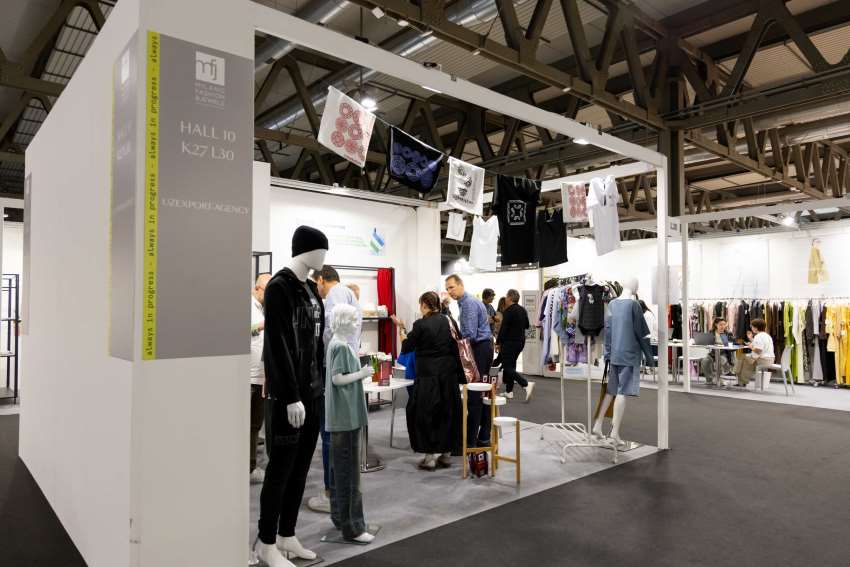
The 'Brands of India' pavilion aligns with Bharat Tex's goal by highlighting the evolution of Indian apparel brands. These brands have transformed the Indian domestic retail market into a globally recognized force. The pavilion features over 100 prominent Indian apparel brands, including Arvind, Zodiac, Raymond, Killer, Fab India, Biba, Manyavar, Monte Carlo, US Polo, Tommy Hilfiger, and many more.
CMAI leadership comments
"We are honored to have Piyush Goyal Ji inaugurate our Brands of India pavilion at Bharat Tex 2024," said Rajesh Masand, President of CMAI. "The Ministry of Textiles entrusted CMAI to present leading Indian apparel retail brands under one roof. We are excited about Bharat Tex and the promising future it holds for our dynamic industry.”
Rahul Mehta, Chief Mentor of CMAI, added, "Aligned with the Government programmes - 'Make in India' and ‘Atmanirbhar Bharat’, the 'Brands of India' is a gateway to present Indian apparel brands at global events.”
"Notable attendees from CMAI included Jayesh Shah, Vice President; Ankur Gadia, Hon Treasurer; Naveen Sainani, Jt. Hon Secretary; Mukesh Jain, Kirti Shah, and Dinesh Nandu, Managing Committee Members; alongside Rahul Mehta, Chief Mentor, and Mohan Sadhwani, Executive Director, among others."
Santoni launches new XT-Machine for creation of 3D shoe uppers
Footwear brand Santoni has introduced the XT-Machine, a groundbreaking advancement in footwear manufacturing. This technology enables the brand to create three-dimensional shoe uppers with unprecedented precision and efficiency. In just ten minutes, the XT-Machine can produce uppers tailored to the foot, ensuring optimal fit, breathability, and comfort while minimising environmental impact.
The machine employs recyclable yarns strategically positioned based on foot mapping. High-performance TPU yarns reinforce areas prone to stress and abrasion, while natural fiber yarns enhance comfort and contact with the foot. This thoughtful integration of materials maximizes both protection and wearability.
Moreover, the XT-Machine streamlines production by nearly completing the upper construction process, reducing the need for additional components and minimising waste. Its innovative design minimises energy consumption and carbon emissions while enhancing production flexibility and efficiency.
By embracing this approach, manufacturers can benefit from faster turnaround times, reduced energy usage, and decreased CO2 emissions. Additionally, the XT-Machine significantly curtails raw material waste, aligning with the industry's imperative to embrace sustainable practices.
The footwear industry is grappling with the environmental impact of its manufacturing processes, which contribute significantly to global greenhouse gas emissions. With around 1.4 per cent of emissions attributed to footwear production and an estimated 30 pounds of CO2 emitted per pair of sneakers, the need for sustainable solutions is urgent.
In 2021, the World Trade Organisation reported a staggering production volume of 23.2 billion pairs of shoes, weighing approximately 9 million tons collectively. To address this environmental challenge, the industry must prioritise innovation in waste reduction, recovery, and recycling.
Lotte Duty Free showcases homegrown talent at Coterie New York
Lotte Duty Free showcased emerging K-fashion brands at the Coterie New York, held from February 20-22, 2024 at the Jacob Javits Convention Center.
The event provided a strategic platform for Lotte Duty Free to showcase homegrown talent in the realm of fashion. With the backing of the Seoul Metropolitan Government, the retailer curated a dedicated space called the Hi Seoul Showroom booth. This space featured emerging K-fashion labels such as C-Zann E, Ma&Me, Tinablossom, and Fleno, aiming to capture the attention of potential buyers from North America, Asia, Europe, and beyond.
Lotte Duty Free's secured 50 export contracts aimed at facilitating the expansion of promising Korean fashion brands into overseas markets. The total consultation amount for these contracts exceeded an impressive $200,000. This participation underscores the company's commitment to elevating the profile of K-brands and positioning them on the global stage through various avenues including fashion trade fairs, showrooms, and pop-ups.
Nam Gung-pyo, Head -New Growth Business Division, Lotte Duty Free, emphasised on the introduction of promising K-fashion brands to a broader international audience. He pledged continued efforts to explore and foster overseas sales channels for diverse domestic brands.
This initiative is part of Lotte Duty Free's broader strategy to emerge as a premier global travel retailer. The company has been actively establishing its New Growth Business Division, with plans to bolster its professional staff complement this year.
Madewell collaborates with Kaihara Denim for a women’s capsule collection
Madewell has unveiled a new women’s capsule collection in collaboration with Kaihara Denim. Featuring four styles with artfully faded washes and heritage details, the collection reflects Kaihara's esteemed history.
The partnership between Madewell and Kaihara underscores a shared passion for denim craftsmanship and dedication to tradition. Based in Fukuyama City, Japan, Kaihara Denim is renowned for supplying fabrics to both high-end brands and niche denim enthusiasts worldwide, including Nudie Jeans, Edwin, and Levi’s Made in Japan.
Madewell's collection emphasises roomy fits and modern spins on classic workwear, with washes designed to develop a dimensional look over time. The collection includes oversize carpenter overalls, offering a contemporary twist on a best-selling style, alongside '90s-inspired super wide-leg jeans available in two indigo washes.
The collection also features a cotton chambray shirt with contrasting topstitching and authentic mother of pearl buttons, as well as an updated chore jacket with a collarless design and sporty raglan sleeves, complete with three patch pockets.
Each denim piece is meticulously crafted by skilled artisans, ensuring exceptional quality and durability. Priced between $92 and $228, the collection is now available on Madewell’s website and in select stores, complementing the brand's recently launched spring collection featuring bootcut jeans, denim jumpsuits, overalls, and dresses.
7 For All Mankind unveils latest Spring 2024 collection
7 For All Mankind has unveiled its latest Spring 2024 collection and campaign, titled ‘Forever LA, Forever Mankind,’ reintroducing a Californian Western aesthetic.
Highlighting the brand’s commitment to offer bold and fashion-forward fits, Sacha Gomez de Zamora Ford, Global President, 7 For All Mankind, says, more than just emphasising denim as a staple piece, the brand aims to enable customers to express themselves through innovative shapes and styles.
The women's collection features corset-seamed dresses, column and maxi denim skirts, and lightweight knit tops. The highlight of the collection is The Willow, an exaggerated palazzo shape available in Outset and Clean Slate washes.
Additionally, garments such as the trucker jacket, button-down denim shirt and straight-leg Tess jean are adorned with studs.
The men's range offers pleated denim overshirts, military overshirts, and the Ryan, a modernised straight jean crafted from Italian fabrics.
Earth, a bleached down indigo wash, is also featured in an overshirt and straight-fit jeans.
The ‘Forever LA, Forever Mankind’ campaign, shot by Sonia Szóstak and Jeremy Everett, pays homage to the industrial history of Los Angeles and the denim industry. Iconic locations such as Los Feliz, a retro car wash, and Wright Ranch serve as backdrops for the campaign.
The campaign has been styled by Jamie Mizrahi, renowned stylist to celebrities like Jennifer Lawrence and Adele. It highlights the brand's embodiment of effortless cool, reflecting on the timeless appeal of denim in personal style journeys.
Cascale extends product range to enhance industry sustainability
Formerly known as the Sustainable Apparel Coalition, Cascale is extending its focus beyond apparel to encompass home furnishings, sporting and outdoor goods, as well as bags and luggage. This expansion marks a significant shift for the global nonprofit organisation, which aims to enhance the social and environmental sustainability of the fashion industry.
With a membership boasting over 300 retailers, brands, manufacturers, governments, academics, industry associations, and NGOs, including prominent names like Abercrombie & Fitch, Amazon, and Carrefore, Cascale is poised to drive change across various consumer goods sectors. The decision to rebrand reflects the coalition's aspiration for scaling impact amid the urgent need to address the environmental footprint of the wider consumer goods industry, which contributes significantly to global carbon emissions.
Rick Ridgeway, Co-founder, Cascale and Former Vice President - Sustainability
and Public Engagement, Patagonia, says, it is important to reduce emissions across consumer goods, which collectively account for approximately 60 per cent of global emissions. The coalition's primary objective has always been to effect substantial reductions in environmental impact across industries, he emphasises.
However, Cascale encountered challenges regarding the credibility of its measurement tools, particularly highlighted by Norway's consumer watchdog in 2022. Concerns were raised regarding the reliability of data from the Higg Materials Sustainability Index, which could potentially mislead consumers when used for marketing products. In response, Cascale initiated corrective measures, including the launch of the Higg Facility Environmental Module (FEM) 4.0, aimed at enhancing data accuracy and aligning with industry standards.
Acknowledging the concerning trends in environmental metrics such as global warming, biodiversity loss, and deforestation, Ridgeway attributes part of the problem to inadequate regulations that fail to discourage harmful practices. However, he expresses optimism, citing legislative proposals in the European Union, New York, and California as potential catalysts for change.
Looking ahead, Ridgeway envisions a future where sustainability is intrinsic to product offerings, where the cheapest t-shirt or product on the shelf also boasts the lowest carbon emissions, water use, and waste.
Kasturi Cotton boasts trash content of less than 2%
Introduced just three months ago, Kasturi Cotton boasts a trash content of less than 2 per cent, a significant improvement compared to the normal Indian cotton's over 3 per cent.
Dr. Siddhartha Rajagopal, Executive Director, The Cotton Textiles Export Promotion Council (TEXPROCIL), overseeing the Kasturi cotton scheme in India, emphasises, the reduction of trash content is a key step towards achieving contamination-free cotton.
Kasturi cotton exhibits superior quality attributes such as lower moisture content, stronger fibers, and a staple length of 29-30 mm, Dr Rajgopal adds. He highlights the recent interaction between Prime Minister Narendra Modi, farmers, and ginners at the Sustainability Pavilion, where the benefits of cultivating Kasturi cotton, along with its premium pricing through adherence to good practices, were discussed.
The journey of Kasturi cotton has commenced, and we anticipate a gradual increase in its adoption, affirms Dr Rajagopal.
Indo Count Industries partners Accenture to explore new growth avenues
Indo Count Industries, a premier home textile manufacturer from India with a global presence, has entered into a strategic partnership with global leader in digital transformation and technology services, Accenture, to unlock operational efficiencies and explore fresh avenues for growth. This collaboration signifies a significant milestone in Indo Count's commitment to revolutionise and enhance its business operations through state-of-the-art digital technologies.
In this partnership, Accenture will assume a pivotal role in standardising, optimising, and re-engineering various business processes integral to Indo Count, spanning manufacturing, supply chain, logistics, and procurement. The collaboration focuses on the conceptualisation, development, and implementation of a robust digital core leveraging SAP S/4HANA Cloud®.
KK Lalpuria, Executive Director and CEO, Indo Count Industries, says, the collaboration underscores the company’s steadfast commitment to remain at the forefront of technological advancements. This partnership exemplifies its dedication to nurture a culture of innovation. It will help Indo Count Industries unlock significant value besides enhancing the overall customer experience.
Accenture's expertise in the textile industry and its global recognition were instrumental in Indo Count's selection of them as a strategic partner. The technology platform, powered by data and analytics, will automate and digitise operations, enabling improved inventory management, standardised quality control, optimised energy consumption, and sustainable growth.
This partnership embodies a commitment to long-term cooperation, with a focus on value addition, innovation, and customer-centric approaches. Indo Count Industries is confident that, with Accenture's support, they will scale new heights of success and deliver unparalleled value to their customers and stakeholders.
PM Modi highlights government’s focus on skills and scale in textiles at Bharat Tex
In his speech to inaugurate Bharat Tex 2024, Prime Minister Narendra Modi underscored the government's dual focus on skill and scale in the Indian textile industry. He highlighted the expansion of the National Institute of Fashion Technology (NIFT) institutes to 19 across the country, indicating a commitment to enhancing skills within the sector.
Moreover, PM Modi emphasised the importance of connecting local weavers and artisans with NIFTs through specialised training programs aimed at integrating new technologies into their craft. He said, the Samarth Scheme has provided capacity building and skill development training to over 2.5 lakh individuals, with a significant number of women participating and finding placements in the industry.
PM Modi also emphasised on the importance of balancing technology and mechanisation with the uniqueness and authenticity inherent in Indian textiles. He noted, India has the required capacity to meet both demand with the country's tradition of producing artisanal products with distinctive features aligning with evolving fashion trends.
India's increasing prominence as a producer of cotton, jute, and silk combined with the government support for cotton farmers and the introduction of initiatives like Kasturi Cotton, will bolster India's brand value globally, the PM Modi noted. He also addressed measures for the jute and silk sectors, as well as the emerging opportunities in technical textiles, including the National Technical Textiles Mission and the potential for startups in this domain.
Additionally, PM Modi underscored the significant employment potential of the textile industry, particularly for rural populations and women. He noted that a significant portion of apparel makers and handloom weavers are women, highlighting the sector's role in empowering women and driving rural development.
Finally, PM Modi acknowledged the strides made in promoting Khadi as a catalyst for development and employment over the past decade, attributing its success to welfare schemes and infrastructure investments that have also benefited the broader textile sector.
From Fast Fashion to Slow Fashion: How European buying habits are reshaping the industry

Europe, the world's leading apparel importer, is experiencing a dynamic shift in its consumption patterns and sourcing strategies. This transformation is driven by numerous factors, including changing consumer preferences, sustainability concerns, and evolving supply chains.
A conscious shift in consumption
The European apparel market grew 6.75 per cent annually between 2017 and 2022, reaching €191.4 billion in 2022 as per CBI. However, the volume of imports stagnated, indicating a shift towards quality over quantity.
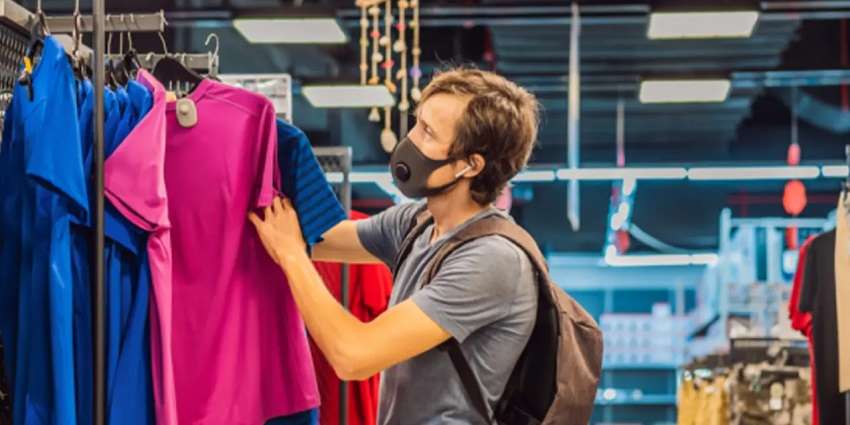
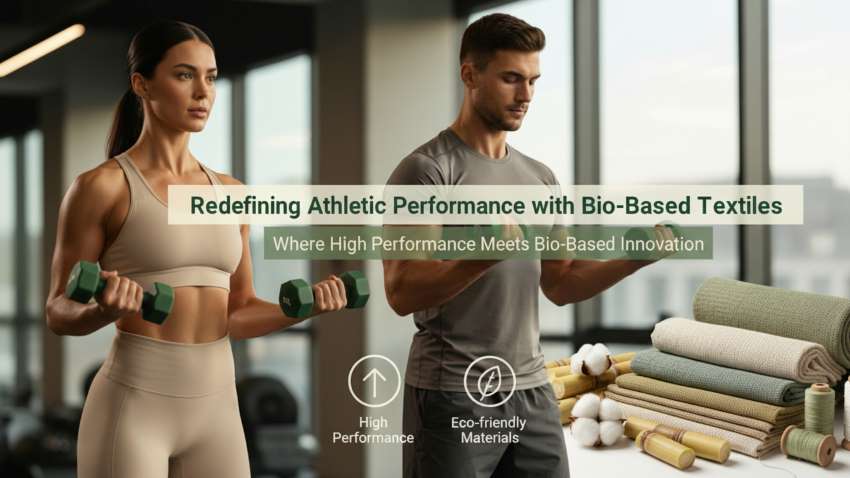
Consumers are increasingly prioritizing sustainability, ethical production, and longevity in their clothing choices. As per McKinsey 63 per cent European consumers say they consider sustainability when buying clothes. This is reflected in the rise of second-hand clothing, rental services, and brands focusing on eco-friendly materials and fair labor practices. This trend is also evident in the growing demand for organic cotton, recycled materials, and transparent supply chains. For example, Patagonia, a US-based outdoor apparel brand, witnessed a 130 per cent increase in sales in Europe between 2016 and 2020, attributed to its commitment to environmental activism and product durability.
In fact, consumers prioritize experiences and seek versatile, multi-functional garments over excessive purchases. The concept of ‘fast fashion’ is waning, replaced by a focus on quality, versatility, and timeless pieces. Consumers are investing in fewer items that they can wear for longer periods, contributing to a rise in the ‘slow fashion’ movement.
Buying behavior transformation
Online shopping platforms and personalized recommendations are shaping consumer behavior. As per Eurostat, online shopping continued to grow, reaching 34 per cent of total apparel sales in 2022.
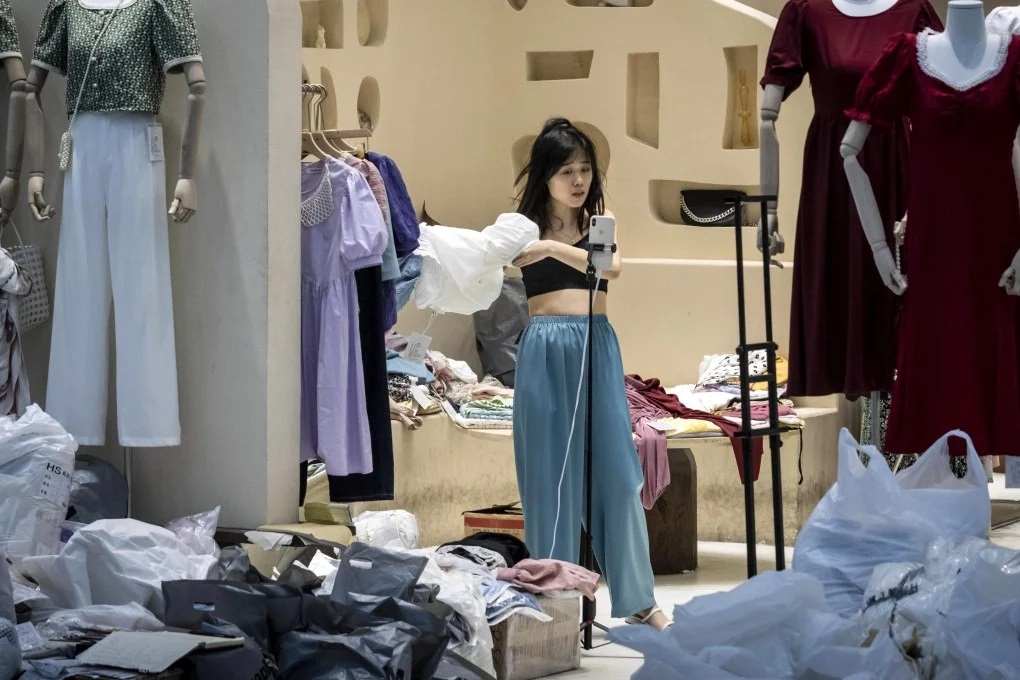
Shoppers are seeking unique and curated experiences, driving the growth of niche brands and custom-made clothing. Also, DTC brands that offer personalized experiences, catering to specific needs, and bypassing traditional retail mark-ups have seen traction. This shift is impacting both established players and emerging brands. Also, clothing subscription boxes are gaining ground, offering curated styles and convenience. This model caters to consumers seeking variety and hassle-free shopping experiences. The popularity of pre-owned clothing is rising, driven by affordability, sustainability concerns, and the desire for unique pieces. This trend is creating new business models and impacting traditional retail channels. As Michelle McDermott, a fashion industry analyst at Euromonitor International says, "Consumers are no longer just buying clothes, they are buying into a brand's values and story."
Category-specific trends
Men's Wear: Focus on comfort, athleisure, and casual styles. Growing demand for ethical and sustainable brands.
Women's Wear: Personalization, inclusivity, and a mix of comfort and statement pieces. Sustainable materials and vintage styles gaining ground.
Kidswear: Emphasis on functionality, durability, and eco-friendly materials. Growing popularity of gender-neutral clothing.
Knitwear: Sustainable materials like organic cotton and recycled wool are preferred. Demand for versatile and timeless pieces is increasing.
Denimwear: Shift towards more sustainable production methods and vintage-inspired styles. Consumers are seeking higher-quality denim that lasts longer.
Outerwear: Functionality and weather protection remain key, but sustainability and ethical sourcing are becoming increasingly important. There is growing demand for functional, weather-resistant pieces with sustainable features.
Segmentation trends
Premium consumers seek quality, craftsmanship, and ethical production, but may prioritize value during economic downturns. For value consumer price sensitivity increases, but demand for ethical practices persists, leading to a rise in "affordable sustainability." Second-hand and rental segment sees exponential growth, appealing to budget-conscious consumers and sustainability advocates. Overall, while the premium segment remains resilient, value-conscious consumers are driving demand for affordable, ethically made clothing. This is creating opportunities for brands that offer sustainable and quality products at accessible price points.
What the future holds
The European apparel market is expected to continue its transformation, with sustainability, digitalization, and personalization playing key roles. Consumers will be increasingly conscious of the impact of their choices, favoring brands that offer ethical and environmentally friendly products. Direct-to-consumer models, subscription services, and second-hand platforms are likely to gain further traction. Segmentation will become more nuanced, catering to diverse consumer preferences and values. By adapting to these shifts and embracing innovation, brands can thrive in this evolving landscape.