


FW
Global home textile market to be a $140 billion industry by 2027: Study
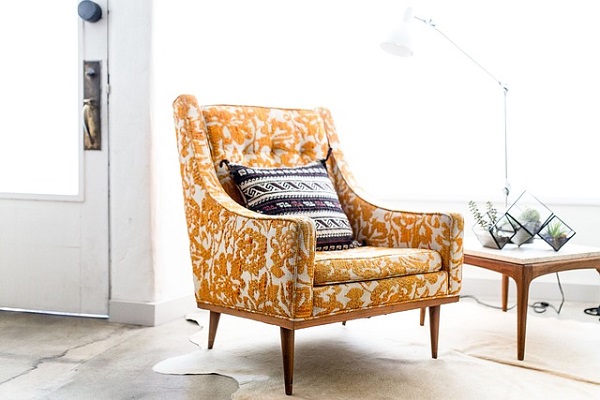
Canada-based Transparency Market Research has published a comprehensive analytical report on the global status of the home textile sector. The research covering 2019 to 2027 states, the market growing at a CAGR of 5 per cent will be worth $ 140 billion. In another report published by Markets & Research, the UK-based agency, the market is predicted to be worth $174.14 billion by 2028. The global home textile market in 2022 was valued at $125.58 billion.
Various advancements in technologies have transformed conventional textiles into high-performance textiles by adding various functionalities and improving the durability of products that have increased their demand among customers. Therefore, all such technological innovations are predicted to drive demand for home textiles in forthcoming years.
The textile industry is undergoing a revolution with the increased use of technical fabrics. From being anti-allergic to being quick-drying and ultra-soft to having high absorption, these advanced materials offer a range of benefits. The incorporation of these technical fabrics into clothing and textiles has made it possible to create products that not only look great but also promote health and comfort.
The use of sustainable fibers helps reduce the environmental footprint of textiles, as they are often grown and processed with fewer chemicals and pesticides. Additionally, many sustainable fibers have a low impact on water and energy resources, making them an attractive option for consumers looking to live a more sustainable lifestyle.
Diversifying portfolios
The top 12manufacturers are: Berkshire Hathaway, Welspun India, Springs Global S.A., Trident Group, Ralph Lauren Corporation, American Textile Company, Franco Manufacturing Company, Shenzhen Fuanna Bedding and Furnishing, LUOLAI Lifestyle Technology, Shanghai Shuixing Home Textile, Loftex and Sunvim Group Company. Due to the pandemic, many home textile manufacturing companies suffered losses and even shutdown. Major impact was seen on the supply chain of home textile market as lockdown lead to decline in exports and imports of home textile products.
While in 2021, the market rebounded because of the online retail in the market and the company's manufacturing innovative products for the changing needs of their customers. Players are diversifying services to maintain market share. Because of increasing demand for modern and well-furnished living spaces, all such market players are focusing on research and innovations for the production of advanced products.
Housing projects and home renovations driving growth
Rising real estate businesses across the world is resulting in increasing demand for home renovation and improving projects. All these factors have led to a surge in demand for home textiles as textiles are an easy and often sustainable way to create change. Thus an increase in consumer spending on home renovation and decoration has encouraged the growth of the global home textile market.
However, the market is confronted with some challenges specifically, high cost of logistics, threat from counterfeit products, etc. The market is projected to grow at a fast pace during the forecast period, due to reasons like a growth in e-commerce, demand for eco-friendly home furnishing, surging demand for non-woven fabric, technological innovations, etc. Manufacturers have stopped using chemical dyes and are instead using natural fibres because their customers prefer natural products.
Leading fashion brands commit to factory safety in Pakistan
More than 30 major fashion brands have committed to factory safety in Pakistan by signing the Pakistan Accord.Signatories include H&M, Inditex (Zara), Primark, Asos, C&A, Next, and PVH (Calvin Klein).
The aim is to ensure factory safety in Pakistan. Often workers in garment factories that produce for global brands and retailers have no access to proper exit stairwells in the case of a fire. Workplaces lack fire drills and workers are unaware of emergency escape routes and exits, assuming these exist.
Just a year ago, four people died in a supplier factory in Pakistan. Unions in Pakistan have worked for many years to get a safety agreement for the garment and textile sector in which workers’ grievances are heard and acted upon.
The Pakistan Accord will finally install a complaint mechanism so that workers can be assured the factories they work in are subjected to effective safety inspections. This means that garment and textile workers in Pakistan will no longer have to fear for their lives at work.
Pakistan Accord has been launched on the lines of the Bangladesh Accord. This model has proven successful in making garment and textile factories safe thanks to its enforceable character, its equal representation for unions, its transparency and the obligation upon brands to ensure that their supplier factories are able to carry out mandated renovations.
India progresses on FTA with UK
Discussions on the free trade agreement between India and the UK are on.
Out of the 26 chapters of the planned agreement, 13 chapters have already been concluded. The free trade agreement is designed to streamline trade between India and the UK and many Indian businesses are hoping it will enable them to increase exports to the UK.
India and the UK are targeting a deal to cut tariffs and open opportunities for UK services, such as financial and legal, making it easier for British businesses to sell to an economy set to be the world’s third largest by 2050.
India and the UK are the fifth and the sixth biggest economies in the world, have a long shared history and are in pole position to do a deal that will create jobs, encourage growth and boost their trading relationship. Strong growth in the Indian economy is expected to boost UK exports to India massively by the middle of the next decade and UK businesses are already taking advantage of the flourishing trading relationship.
Already India’s Tirupur’s exports of knitwear and garments to the United Kingdom are growing by 20 per cent year on year. And with the India-United Kingdom Free Trade Agreement in the offing, exports from Tirupur could see a ten per cent growth.
Huntsman sells textile effects to Archroma
Huntsman has sold its textile effects division to Archroma.
The division is called Huntsman Textile Effects and it will be combined with Archroma to create the world’s leading textile chemicals and dyes company.
Archroma is a global leader in sustainable specialty chemicals and solutions for industries such as textiles, packaging and paper, paints and coatings. Based in Switzerland, the company operates a highly integrated, customer-focused platform that delivers specialized performance and color solutions in more than 100 countries.
The company offers all kinds of after-chemical treatments that the textile industry has been demanding. So in athletic wear, for instance, the company has bacteria control for medical applications. And there are non-iron shirt chemical ranges for people who are starting going to the office again. With this acquisition both Archroma and Huntsman Textile Effects hope to bring together their expert teams and highly complementary product portfolios to offer customers and brand partners the high performance they expect while respecting natural resources and the planet.
Both companies are known for sustainability and innovation and complement each other. Archroma is stronger in chemicals than in dyes, whereas, for Huntsman, its textile effects business in dyes is stronger. The two can bring to the global customers the full i.e. end-to-end range of textile dyes and chemical products.
Ganni launches sportswear
Ganni has launched a new sportswear collection.
This consists of 30 high-performance athletic styles that are produced from recycled nylon and polyester. Several varieties feature a microfiber construction that aids the body’s natural cooling process.
Leggings, shorts, tees, and T-shirts are among the items, all of which have a distinct twist.This will mean, among other things, leopard bicycle shorts, cut-out dresses, and tracksuits with mesh logos.The collection will also feature a fresh version of the brand’s logo.
Ganni is a Danish women’s wear label which uses certified organic, lower-impact and recycled fibers. Founded in 2000, Ganni, a ready-to-wear fashion brand, has 27 stores across Europe and the US, and is available via 400 wholesalers worldwide.
Ganni’s bold and expressive styles exude optimism. The brand has gained a cult-status among fashion lovers with its cheerful designs full of color. The label has slowly claimed a position as a cult label that meets the sweet spot between high end and high street fashion. The brand stays true to a very specific fashion crowd that looks for effortless but expressive fashion. The brand expresses its own view of fashion as opposed to picking up common trends.
Besides fashion, Ganni creates accessories such as jewellery, headwear, scarves and bags as well as shoe collections.
China saw good T&A exports in 2022
China’s exports of textiles and apparel in 2022 rose by 2.6 per cent year on year. Exports of textiles were up by two per cent year on year. Exports of apparel were up by 3.2 per cent year on year.
The world is undergoing changes of a scale unseen in a century, and the international economic and trade environment is turbulent and unstable. In the face of the complex and fluid international situation, China’s foreign trade showed strong resilience and rose by 7.7 per cent year on year in 2022. China maintained its position as the largest trader in goods for the sixth consecutive year.The export growth last year experienced fast growth at first and then slowed down.
Since the third quarter, weak overseas orders and market demand have put pressure on the foreign trade of China’s textiles and apparel. In the fourth quarter, China’s textile and apparel exports recorded double-digit negative growth. In December 2022 alone, China’s textile and apparel exports were down by 16 per cent year on year. Textile exports were down by 22 per cent year on year. Apparel exports declined by ten per cent year on year.
However, challenges and opportunities coexist in 2023. With the adjustment of China’s entry-and-exit policies, the channels for textile and apparel enterprises to obtain overseas orders will be fully and rapidly restored.
Denim fairs held amid uncertainty
The European denim fairs for the spring/summer 2024 season were held amid uncertainties affecting the whole of the textile and clothing industry, as per "Survey of the European Denim Fairs for Spring/Summer 2024" report from Textiles Intelligence.
These include difficulties in procuring raw materials and sharp increases in fuel and energy costs. At the same time, the denim industry is facing its own challenges.The price of cotton - the industry’s principal raw material - is fluctuating, and the industry is facing growing criticism that it is not taking sufficient action to reduce the damage to the environment which its operations are causing.
It was evident at the fairs that many exhibitors had acknowledged this criticism in the development of their product ranges for the spring/summer 2024 season.For example, many had focused on improving the recyclability of their products. Some had replaced resource-intensive manufacturing processes with waterless manufacturing processes in the development of their products and others had chosen to repurpose agricultural crop waste and food waste in the manufacture of their products.
Aside from indigo blue, bright and exuberant colours took precedence in the collections for the spring/summer 2024 season. By contrast, decoration, effects and finishes are heavily influenced by grunge. Also, denim fabrics which feature discolouration, irregularities and stains are popular. Stretch denim is prominent in collections for the season, as it has been in previous recent seasons, and, importantly, comfort is key.
Global slowdown may hit Indian exports
India is vulnerable to the global slowdown this year led by advanced economies. So says Crisil.
The European Union (EU) accounts for 46 per cent and 42 per cent of India’s leather and footwear exports respectively.Likewise, the US commands a large share in items made up of textiles and rags. India’s domestic labour-intensive sectors such as textiles, footwear, and leather depend significantly on these two regions. Such a high concentration of exports (especially on discretionary items such as textiles and leather products) to these two regions makes domestic exporters vulnerable to a slowdown in their economies.
India’s growth cycles have become highly synchronised with those of advanced economies over the years. The most important and direct impact of this will be reduced demand for Indian goods abroad. The US and the EU are two of the largest destinations, accounting for 18 per cent and 15 per cent, respectively, of India’s merchandise exports in fiscal 2022. And exports to these two regions have been on a declining trend since July 2022, barring a slight uptick in November and December, which could be a reflection of festive demand towards the year end.
Global economic activity is projected to slow down in 2023 as the peak impact of synchronised monetary policy tightening across major economies manifests.
Aranyani opens UK store
Indian luxury handbag brand Aranyani has opened a flagship store in the UK.
The name Aranyani means goddess of the forest and the new boutique offers an experience based on the idea of a journey through the forest while highlighting the brand’s focus on sustainable artistry, nature and quality. The 550 sq ft ground floor area is primarily focused on retail — creating a calm and inviting space to showcase the quality and artisanal skills used to make each bag. And on the 850 sq ft lower ground floor there’s a space for a VIP experience, allowing the customisation of the product, in a luxurious yet approachable environment. The customer starts their journey at the forest edge as they enter the store, moving deeper under the canopy as they explore – this is a place of curiosity and intrigue with a range of bags beautifully illuminated on elegant, tiered shelving as if resting on the branches of trees. The space draws the customer into the central glade, a sculptural area of soft light that illuminates hero products on large slabs of British stone and Irish marble. The brand brings together the best heritage artistry from India and incorporates them on bags in a contemporary aesthetic. Aranyani provides an inspiring and enriching environment for artisans and craftsmen to collaborate and create. Each Aranyani handbag is the result of their collective inspirations, talents and dedicated craftsmanship.
Crocs Q4 sales up 61 per cent
For the fourth quarter Crocs’ sales were up 61 per cent.
Revenues for the fullyear were up 54 per cent compared to 2021. Crocs brand revenues increased 14 percent. Wholesale revenues increased 17 per cent while direct to consumer revenues rose 12 per cent. In 2022, Crocs North America revenues increased six per cent while direct to consumer comparable sales were up by 11 per cent. Asia Pacific revenues surged 47 per cent while Europe, Middle East, Africa, and Latin America grew 47 per cent. Overall, income from operations increased by 24 per cent in 2022.
Consumer demand for the Crocs and HeyDude brands has been exceptional, fueling record 2022 revenues for both brands at a top-tier adjusted operating margin of 28 per cent. The company anticipates another record year in 2023 with growth expected to be led by sandals and international for the Crocs Brand and increased market penetration for HeyDude.
Crocs has industry-leading operating margins and generates robust cash flow as a result of the simplicity of its product lines and the high penetration of molded product. The company remains confident in gross leverage being below two times by the middle of this year giving it greater flexibility with capital allocation.Looking ahead, Crocs expects first-quarter 2023 revenues to grow approximately 27 per cent to 30 per cent compared to first-quarter 2022 revenues.











