


FW
Fashion retailers expect modest holiday-quarter results
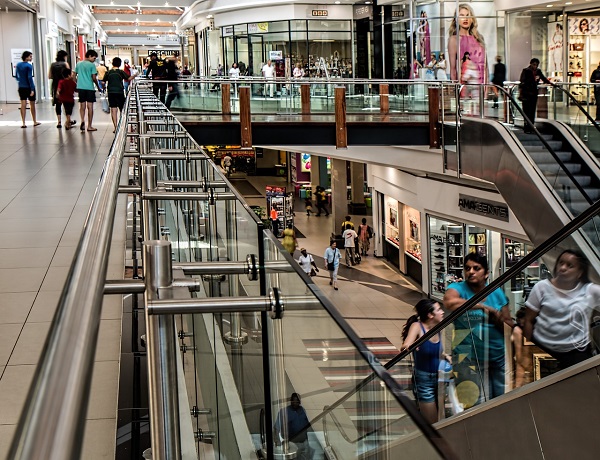
With post-pandemic-induced shopping spree, global industry-wide Christmas sales and India’s wedding and festive season all over, apparel retailers are now doing reality checks. This is because the first financial quarter of 2023 has opened bleakly. What’s more, recession fears are looming in the horizon and a slowdown in sales growth seems likely after the sharp increase post-Covid last year.
Brands cut excess inventories and hiring
Brands are now focussing their energy on the clues that might keep their profit figures stable in 2023 as they await the results of last quarter with most global retailer’s fiscal year having ended in January.
Big retaliers such as Walmart, Home Depot, Target, Best Buy, Macy’s, Home Depot among others will soon be kicking off their retail earnings season by posting their holiday-quarter results of modest sales figures. Healthier profit margins could happen in 2023 for many, in spite of the recession, with fall in prices of shipping and freight and lesser stocks of excess merchandise to mark down. But all global companies will now need to be more cautious about spending with smaller inventory orders, and cutting down n unnecessary hiring, which could stabilize profit margins later in the year.
According to US-based National Retail Federation (NRF)-which has represented retail for over a century , global industry-wide Christmas sales across all segments has fallen short of projections this will further adversely affect profits in the first quarter of 2023. Although in November and December, sales increased 5.3 per cent year-over-year to $9,363 billion, it was still be below major trade group's expected growth forecast of between 6 and 8 per cent.
The NRF had expected expenditure between $9,426 billion and $9,604 billion at the beginning of November, which did not become a reality as people in mid-segment income levels still remained cautious about spending. Many retailers have already forecasted lower-than-expected Christmas sales. While Macy's cautioned Christmas quarter sales would fall short of projections; Nordstrom reported decreased sales and increased markdowns which impacted its financial performance in November and December 2022; with excess inventories, Lululemon too is looking at lower than anticipated earnings.
Having to buy for gifting purposes over the festive season has taken a toll on customers. They came under pressure with credit card balances rising rather than cash payments in premium outlets such as Macy’s and Bloomingdale’s. In fact, some retailers had to resort to layoffs to survive these include Neiman Marcus, Saks.com e-commerce retailer, Stich Fix, Wayfair, Bed Bath and Beyond and Amazon among others who had to cut their work-force by 20 per cent or more.
However, the earnings season sometimes offers happy surprises with more-than-expected earnings as it depends on consumer bases in different geographical regions, the brand power and different festivals and wedding seasons of different global communities. The world focus may be on top-line brands and countries but many mid-segment or premium market participants focus on where profits actually lie and how to get there. Retailers’ strategies have changed over the last year as they put higher stakes and made riskier bets on new improved sales figures. However, what upset most companies’ margins most often was as unsold merchandise landed up for clearance with costs creeping up and unstable sales.
As David Silverman, retail analyst at Fitch Ratings said recently, the world is focused on top-line momentum. So many market participants are focused on what revenue is. But it’s the operating profit that could bounce back nicely from a difficult 2022. Brands remain hopeful that with a more focussed product portfolio and a wider sales and distribution channels, the next quarter could well be a good one despite odds.
NYFW 2023: Showcases diverse range of denim styles in a departure from Y2K-inspired styles.
The recent New York Fashion Week showcased a departure from the Y2K-inspired styles of previous seasons, with designers opting for sentimental and nostalgic designs. The strong presence of denim suiting, dark washes, and cargo pockets marked the runway this season.
Agbobly showcased dark-wash cargo jeans and denim sets decorated with multicolored topstitching and Swarovski beads, inspired by earrings worn by founder Jacques Agbobly's aunts for Sunday service. Tanner Fletcher's genderless collection featured denim vests and jeans embellished with '90s-era studs, gems, and buttons, and acid-wash jeans adorned with denim bows.
Utility trends such as cargo jeans and shackets maintained their strong hold on the runway this season, with pocket designs being a standout feature. Raw denim, which made G-Star Raw famous, also made a comeback, with designers showcasing edgy raw denim looks in various styles.
Denim suiting was another popular trend, with designers opting for unique wash downs and exaggerated proportions to make their designs stand out. Sergio Hudson's retro bombshell look featuring a belted cornflower blue blazer, trousers, and matching box handbag was a standout.
While some brands chose to shy away from the grunge trend, others embraced it, with shredded denim and patchwork being a prominent feature in some collections. LaPointe's gray duster and shredded wide-leg jeans channeled Kurt Cobain's signature style, while Coach and Who Decides War added their own unique twists to the trend.
Performance Days to focus on journey to CO2 neutrality
The Performance Days fair is set to take place in spring 2023, with a focus on the topic "On the Journey to CO2 Neutrality."
The event organizers are looking for fabrics and fibers that provide transparency in terms of carbon footprint and recycling. This will aid in making ecologically sound decisions during the material selection process.
The fair is now in its final phase, which means that only fabric innovations that provide concrete data on CO2 reduction will be considered. The aim is to develop an index that allows the CO2 footprint to be comparable.
The journey towards CO2 neutrality is still long, and the Performance Days team aims to generate new approaches and proposed solutions during phase 3. Despite challenges in obtaining corresponding data from manufacturers and presenting it in a comparable format, the team has already taken a first step, with 30% of all submissions to the Performance Forum sent in with CO2 values.
When it comes to fibers and materials, biodegradability, recycling, and CO2-neutral production are essential. However, the event organizers still face significant challenges in terms of documentation and evaluation of the data. Manufacturers must state the weight of the material, including its composition, in addition to its CO2 value.
The Higg Index serves as an instrument for measuring the sustainability of companies, brands, and products in the textile industry. This index documents and evaluates environmental aspects and social issues along the entire value chain, and can be used to determine a company's carbon footprint. However, concrete LCA data often lacks when it comes to yarns, fabrics, and fibers.
Korean designers ready to showcase latest collections at Seoul Fashion Week 2023
Korean fashion designers are preparing for Seoul Fashion Week, which will take place from March 15-19. The event will feature outfits selected by designers to represent their labels and the country in front of industry dealers and fashion enthusiasts from over 20 countries.
The Seoul Metropolitan Government is adding extra luster to the event, with changes including a circular stage, which is expected to provide a more lively experience for the audience, and a draw to determine the order in which designers will present their apparel.
To promote local designers and accelerate their sales overseas, the city government has signed a deal with Paris Fashion Week to launch a pavilion dedicated to Seoul Fashion Week in Tranoi, an official trade exhibition for the Parisian fashion show. Six of Korea's local women's design brands will participate in the special pavilion. The initiative by the Seoul Metropolitan Government will extend to Tokyo and New York this year.
Aside from designers and buyers, Seoul Fashion Week also invites members of the public interested in fashion. Visitors can check out various experience booths on "K-Fashion Street" in front of DDP and join a live-streaming show hosted by fashion influencers.
The event aims to provide small-but-competent fashion brands with new business opportunities outside the country and to encourage more aspiring fashion designers to enter the industry.
Italian lace manufacturer Iluna Group prioritizes sustainability in production process
Iluna Group, an Italian lace manufacturer, is prioritizing sustainability in its production process. The company, which was founded in 1970, has developed expertise in the production of elastic lace and began adhering to the Sustainable Textile Production (STeP) certification from Oeko-Tex in 2014. It has also obtained the Global Recycled Standard (GRS) certification for its processed products, with all products verified by the OEKO-TEX Standard 100.
Iluna also offers laces dyed with natural colors derived from flowers and plants, all of which are GOTS certified and meet the requirements of the OEKO-TEX Standard 100.
Iluna has recently started offering a range of laces obtained from upcycling archival stocks, using GOTS certified organic cotton and new materials like Renycle and Q-NOVA, both GRS-certified pre-consumer recycled polyamide yarns, and recycled stretch Roica EF by Asahi Kasei.
The company continues to invest in technologies that can save water and energy consumption, such as the GOTS certified digital pigment printing system called Greendrop.
Regarding the underwear industry, sustainability can be achieved by rethinking production relocation, choosing certified quality materials, and clearly communicating with consumers.
Kiton CEO Antonio De Matteis named new president of Pitti Immagine
Antonio De Matteis, the CEO of Kiton, has taken over as the new president of Pitti Immagine, replacing Claudio Marenzi, the owner of Herno, who had held the position since 2017. Meanwhile, Antonella Mansi has been reappointed as vice president, and Raffaello Napoleone and Niccolò Ricci will continue to serve on the board, alongside seven new directors.
In expressing gratitude to Marenzi for his leadership during challenging times, Mansi highlighted his success in positioning the company as a global leader in physical and digital fairs, as well as expanding Pitti Immagine's product range.
Over the next three years, the company will focus on acquiring new skills and implementing innovative organizational models to meet future challenges. Additionally, the restoration and modernization of Fortezza da Basso, a critical venue for the company, will require collaboration between Pitti Immagine, CFMI, the City of Florence, and Firenze Fiera to ensure smooth operations during the construction process.
China and Ethiopia strengthen economic ties with MoU in vital sectors
As of February 22, 2023, Ethiopia and China have signed an MoU to strengthen their economic and trade connections in vital sectors. The move is aimed at further enhancing the close ties between the two countries in the textile and apparel sector.
The latest MOU will encourage Chinese companies to invest overseas, particularly in countries such as Ethiopia, which enjoys preferential duty access to many western fashion markets.
China has pledged to grant zero-tariff treatment to 98 per cent of the tariff line, which comprises of 8,804 products made in Ethiopia. This move is in line with the initiatives announced by Chinese President Xi Jinping at the Eighth Ministerial Conference of the Forum on China-Africa Cooperation (FOCAC).
The objective of this partnership is to help expand exports to China, grow Ethiopia's economy and achieve independent and sustainable development. China has been instrumental in supporting Ethiopia's textile and apparel industry and substantially expanded its role as Ethiopia's textile raw materials supplier.
As per the latest statistics, over 75 per cent of Ethiopia's textile imports came from China in 2021, a significant increase from 49 per cent in 2010.
Ethiopia is also one of China's leading foreign investment sources, and China has provided capital, equipment, technical expertise, and management skills for local factories. As a result, a significant portion of Ethiopia's apparel exports to Western markets came from Chinese-invested factories.
Bangladesh's garment exports to US decline in January, offset by growth in non-traditional markets
In January of this fiscal year, Bangladesh experienced a decline in its garment exports to USA, specifically in the shipment of knitwear items to the largest market.
Data compiled by the Bangladesh Garment Manufacturers and Exporters Association (BGMEA) showed that exporters sent $4.98 billion worth of garments from July to January, down 1.98 per cent from $5.08 billion during the same period the previous year. While woven garment exports grew 6.7 per cent, shipments of knitwear slumped 17.6 per cent during the period.
In December of last year, export receipts for apparel shipped to the US, which bought almost one fifth of the overall earnings from clothing exports last year, were positive.
However, this is the first time in four years that apparel exports to the US declined, amid fears of recession. Mohiuddin Rubel, director of BGMEA, said that high inflation in the US is a factor behind the decline, and if this continues, overall export earnings may become negative. However, Rubel added that increased exports to non-traditional markets have offset the fall in shipments to the US, which is a positive development.
Overall earnings from garment exports grew 14 per cent year-on-year to $27.41 billion from a year ago until January of this fiscal year, mainly due to good performance in other markets, including non-traditional ones. According to data from the Export Promotion Bureau, apparel exports to the European Union (EU) during July-January of FY23 increased by 15 per cent to $13.73 billion, up from $11.94 billion during the same period a year ago. While Germany, being the largest European market, fetched $4.06 billion with only 0.83 per cent year-on-year growth, exports to other EU countries grew at an increased pace.
Among the major non-traditional markets, exports to Japan soared nearly 46 per cent year-on-year to $920 million. Additionally, shipments to other non-traditional markets were also higher, with exports to Malaysia growing 92.7 per cent, Brazil 64.1 per cent, and India 58 per cent, respectively.
Global stakeholders convene for World Textile Conference to discuss sector's future
Global stakeholders in the textile industry convened in Ahmedabad, India for a technology symposium to discuss the sector's future. The World Textile Conference-3, organized by the Textile Association (India), brought together delegates from various countries such as India, the United States, Germany, Switzerland, South Africa, and Uganda to deliberate on the entire textile value chain from cotton to industrial textiles to marketing.
Mahendrabhai Patel, Honorary Secretary of TAI, stated that the conference aimed to be of service to the global textile sector during this critical period.
The conference focused on four key themes, Economy and textile sector, Growth and fiber balance (Natural vs. Synthetics), Sustainability and Innovation and Training Next Generation and Research.
According to Bryan Haynes, Technical Director Global Nonwovens of Kimberly-Clark, growth in manufacturing is happening in the APAC region, and India is a critical player in this equation. Dr. P. R. Roy highlighted the need to re-strategize in the post-COVID-19 era due to the shift in global growth equation, supply chain issues, and skilled labor issues.
Leaders from leading fiber companies discussed the availability of fibers for the industry, which will require about 20 million tons in the next 3-4 years. Effective utilization of resources like fibers is critical for the sector.
An important recurring theme was the need for a skilled next-generation workforce and creating more awareness of emerging technologies. Gandhiraj Krishnasamy, Honorary Secretary of the South India Unit of TAI, stated that the Indian textile sector needs more practical knowledge and project details on technical textiles.
China’s market resurgence post-lockdown could turn up the heat on new overseas players
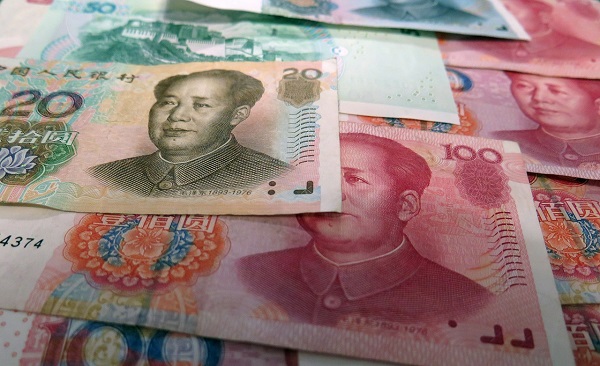
China’s economy has been effected because of year-long Covid restrictions and lockdowns coupled with drop in overseas demand. Consequently, business has slowed down creating widespread employment. Currently, there is huge pressure on Chinese factories as US demand has dropped after an inventory pile up in the first half of 2022, with apparels remaining unsold and consumer prices moving north over summer and autumn months of 2022.
Coping with post-pandemic demand slow down
For China’s economy, the drop in overseas demand has created huge unemployment problems with lack of high-skilled factory workers now much needed and large number of unskilled workers remaining jobless. The cut-throat competition in domestic markets has led to raging price wars between different local brands, all out to get a share in a shrinking market pie. The current transition from simply manufacturing goods in mass factories to actually conceptualising and branding them is a slow and expensive process that has led to unemployment in China’s changing economic landscape.
Although China abruptly ended its zero-Covid policy in December 2022, business activities were curtailed throughout last year, which adversely affected the economy. Retail sales in the US, which has been China’s largest trading partner on a single-country basis, slowed last year and are expected to be slow in 2023.
As per a CNBC report, Chinese GDP grew around 3 per cent in 2022, its second-slowest growth rate since 1976 and well below the government’s target of around 5.5 per cent. However, short-term data indicates quicker-than-expected recovery as Zero Covid policy restrictions eased and the economy struggles to return to normal.
Factories focus on creating their own brands
Although China still maintains its status as the world’s factory and supplies more than a quarter of global products, some other low-cost manufacturing countries such as Cambodia, Vietnam, Bangladesh have steadily lured away clients during the pandemic and lockdowns. The improved product quality of these new manufacturing hubs at practically the same prices as well as the plethora of new e-commerce channels has given greater choices to customers around the globe. Many Chinese factories are now contemplating launching their brands rather than mass-producing for an overseas company.
Reports suggest, garment factories are experiencing tough times especially those involved in traditional garment making catering to export orders. Some are not breaking even. Many of these units that manufactured for international labels are now contemplating designing, branding and distributing clothes under their factory brand, to survive.
Many small family Chinese businesses are now adopting cost-saving strategies such as opening factories in Cambodia and integrating robotics into their facilities, lessening financial pressures from rent among other things. Companies are also focussing on online retail with live-stream hosts to showcase products, similar to many US shopping channels to reach out to American consumers, who keep them afloat.
With these new ways of doing business and government’s fiscal support, analysts feel the Chinese economy will be back with a bang by the second half of 2023. Reopening post lockdowns will be spearheading the economy while emerging markets will have to fight tooth and nail to keep their share of the market pie built when China’s chips were down.











