


FW
Proposed mega textile parks a potential game-changer for India's textiles industry
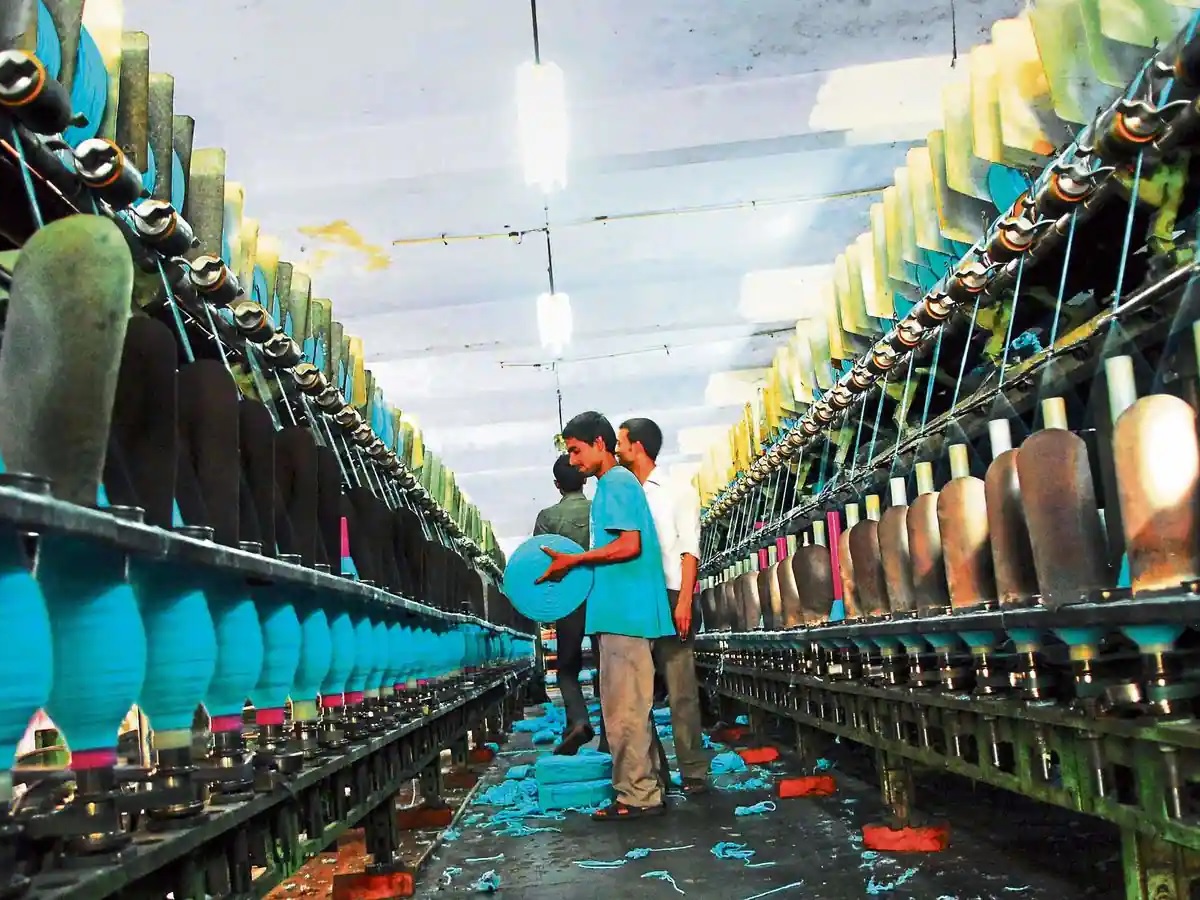
The government’s decision of setting up seven Mega Integrated Textile Region and Apparel parks across the country will boost India’s textile industry and take it to the next level. The initiative aims to create world-class facilities, state-of-the-art infrastructure and an integrated value chain, making the textiles industry globally competitive.
State of the art, sustainable eco system
The mega parks will be shining examples of sustainability, with zero liquid discharge, common effluent treatment, use of emission-free renewable energy and adoption of global best practices. The parks will offer excellent infrastructure, plug-and-play facilities, as well as training and research support for the industry.
Central and state governments will work together to increase investment, promote innovation and create jobs. The state governments would provide land parcels of at least 1,000 acres and facilitate reliable power and water supply, waste disposal, effective single-window clearance system, along with a conducive and stable policy regime to ensure smooth operations and ease of doing business.
The textile parks will help the sector achieve its revenue target of $250 billion and $100 billion in exports by 2030. What’s more, it will help create about 20 lakh jobs and attract an estimated ₹70,000 crore domestic and foreign investment.
The initiative has received an enthusiastic response from the textiles industry, which sees it as a game-changer and has expressed optimism that lower logistics cost, modern infrastructure, global scale of operations, and supportive policies from the Centre and the states will take India’s textiles sector to new heights; provide top-quality products at competitive prices both in domestic and international markets.
Synergy with trade agreements
The mega parks scheme dovetails with government’s initiatives of free trade agreements (FTAs), which open up developed markets for Indian textiles, apparels, and several other sectors. India has already signed trade deals with the UAE and Australia and is negotiating with Canada, Britain and the EU.
These efforts will help Indian textiles get deeper access to profitable developed markets and help the country significantly increase its share in global textiles and apparel trade.
With these developments, India's textiles industry is poised for a quantum leap that will make it a global investment, manufacturing and export hub. This is a significant step towards achieving India's aspirations to become a developed nation by 2047 and being the largest exporter of textiles to the world.
As Sri Lanka’s apparel workers face lay-offs, brands need to take responsibility
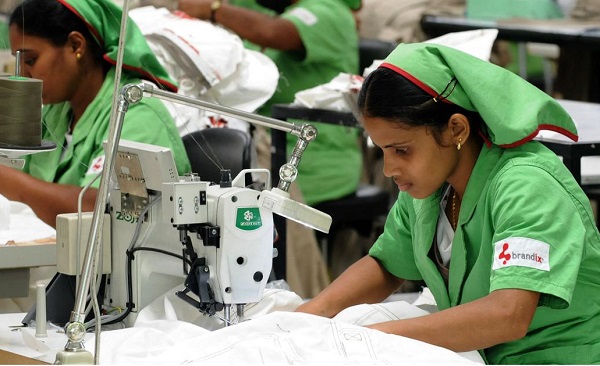
Yohan Lawrence, Secretary General, Joint Apparel Association Forum (JAAF), Sri Lanka, is optimistic the country can increase its annual apparel export revenue by at least $500 million if they are allowed to export more items to India. Indeed, Sri Lanka’s apparel manufacturers have successfully been doing business both in India and across the world even through the crisis. The apparel sector is one of the top export earners for the country and maintained production even through the worst economic crisis. However, between these success stories brews another not so happy story, where workers are being laid off without much compensation, salaries have been reduced and factories shut down.
Workers face job losses
As per reports, around 300 apparel manufacturing companies in Sri Lanka employ almost 350,000 workers who produce garments for major international brands. And triggered by the recent economic crisis, almost 50,000 garment workers have lost their jobs.
In fact, a new research published by Clean Clothes Campaign (CCC) highlights, workers in Sri Lanka have not been receiving full Emergency Relief Allowances meant to alleviate their desperate situation because of the economic crisis. CCC called on major brands sourcing from Sri Lanka to take responsibility for their workers’ survival as well as their right to organise and to decent labour standards.
Major global brands that source from Sri Lanka include: PVH (Calvin Klein, Tommy Hilfiger), Gap, Nike, Victoria's Secret, Amazon, Asos, Next, Marks & Spencer, Patagonia, Columbia Sportswear, Ralph Lauren and others. This CCC has called upon these brands to ensure workers in their Sri Lankan supply units are paid the ERA unconditionally and that their right to organise and to have decent working conditions in line with the Conventions of the International Labour Organisation are safeguarded.
As per a AsiaNews report, many Sri Lankan garment factories have not only cut jobs and wages, but also closed entire facilities without paying the paltry compensation recommended by the government.
Indeed, the impact of Sri Lanka’s political and economic crisis traversed every aspect of life in 2022. After the declaration of bankruptcy last May, the country’s foreign reserves dwindled and rupee was devalued. Inflation touched almost 70 per and the population of 22 million faced extreme hardships.
However, through the crisis the country’s apparel sector manufacturers kept their composure, with factories continuing to run. This is mostly because orders continued to come in and exports brought in much-needed forex. And as per Indika Liyanahewage, Chairman, Sri Lankan Apparel Exporters Association, small manufacturers were hit particularly hard as they struggled to manage their expenses. Yohan Lawrence, President, JAAF says, while small manufacturers struggled for survival, larger ones found ways to manage.
Brands need to take onus
Workers were the most affected, as the basic monthly income of many of them struggling with hyperinflation fell to around Rs 25,000. What’s more, as per secretary of the Manufacturers' Association, Dhammika Fernando, the number of workers have been reduced in factories with some companies downsizing their operations. While units with 400-500 employees are open four days a week, the workers in these factories have to work 10 hours a day without overdoing it. Experts point out, most workers are migrants mostly women. Their incomes have been reduced or in some cases laid-offs.
Anton Marcus, Joint Secretary, Free Trade Zones & General Services Employees’ Union, the largest union representing garment workers in the country says, “Brands have a responsibility to the workers that enable their profits. They must ensure that the factories they source from pay their workers the Rs 10,000 ($27) Emergency Relief Allowance. If factories are not able to do so, then brands should step in and contribute financially to make it possible. The Sri Lankan garment workers have contributed to making these brands rich, the least these brands can do is to ensure their workers get through this crisis.” As of November 2022, apparel exports for the year for Sri Lanka stood at $5.14 billion, up from $4.57 billion for the same period in 2021.
Superdry sells IP assets in Asia Pacific region to Cowell Fashion
British fashion retailer Superdry has agreed to sell its intellectual property assets in the Asia Pacific (APAC) region to South Korean firm Cowell Fashion Company for $50m as part of its ongoing turnaround strategy.
Cowell will own and use the Superdry brand in key APAC markets, starting with South Korea and expanding to others including China.
Superdry said Cowell, which focuses on licensing and manufacturing apparel products for global brands, is “ideally positioned to appreciate and maximise Superdry’s potential across the region”.
The retailer will provide “certain support and know-how relating to the Superdry brand” to Cowell for two years following completion of the sale and receive a $1m management fee.
“PVH diversifies sourcing from higher number of vendors in 2022”, as per analysis by Sheng Lu and Ally Botwinick
PVH Corporation, the owner of popular fashion brands like Calvin Klein and Tommy Hilfiger, has released its factory lists and detailed sourcing strategies for 2022.
The move has enabled analysts to study the company’s sourcing trends and changes over the past year. According to the analysis done by Sheng Lu and Ally Botwinick , PVH continues to work with an increasingly diverse apparel sourcing base, sourcing from 37 countries across the world in 2022, the same number as in 2021. However, the company increased its total number of vendors from 503 to 553, demonstrating its commitment to diversifying its sourcing base.
The analysis also found that PVH’s dominant sourcing base for finished garments and textile raw materials remains Asia. In 2022, around 56.2% of PVH’s apparel suppliers were Asia-based, followed by the EU at 20.3%. PVH added twenty new Asia-based factories to its supplier list in 2022, increasing its total number of vendors in the region. Moreover, as many as 83% of PVH’s raw material suppliers were Asia-based in 2022, far exceeding any other regions.
The study also revealed that PVH’s sourcing strategies in China are evolving and more complex than just “reducing China exposure.” PVH continued to work with more Chinese factories, adding 17 new ones between 2021 and 2022, potentially due to the company's growing sales in China. PVH’s garment factories in China are smaller than those in other Asian countries, which may be because PVH treats China as a sourcing base for flexibility and agility, particularly for orders that may include a greater variety of products in smaller quantities. Interestingly, PVH priced apparel made in China higher than those sourced from other Asian countries.
Finally, PVH is actively sourcing from “emerging” destinations outside Asia. The company sources from several countries in America, the EU, and Africa, including Portugal, Brazil, Tunisia, and Turkey, for various reasons like serving local consumers, sourcing flexibility, accessing raw materials, and lowering costs.
Sheng Lu is an Associate Professor in the Department of Fashion and Apparel Studies at the University of Delaware. Ally Botwinick is a Research Assistant at the University of Delaware, where she works with Professor Sheng Lu on projects related to international trade and global supply chains in the textile and apparel industry.
India Fashion Tex 2023: Reverse Buyer Seller meet attracts over 1000 international buyers
The India Fashion Tex 2023-Reverse Buyer Seller Meet (RBSM), jointly organized by the Wool & Woolens Export Promotion Council (WWEPC) and Powerloom Development & Export Promotion Council (PDEXCIL), concluded successfully at Hotel Ashok in New Delhi.
The three-day fashion exhibition was attended by over 1000 buyers from 30 countries, including the US, UK, EU, Japan, Vietnam, Middle East, and Sri Lanka. The event saw more than 100 exhibitors and buying houses from India, such as Lux Industries Ltd, Juba Sons, and Neeraj Arts & Crafts, alongside international brands like Puma, Ikea, and Adidas.
Compared to the previous two editions, this year's event saw an increase in footfall, with over 3500 visitors attending the exhibition over three days. Special attention was given to exhibitors from Jammu and Kashmir promoting Pashmina shawls and scarves. The highlight of the event was the fashion show, which featured various woolen Indian and Western apparel, including Pashmina shawls, stoles, scarves, mufflers, kurtis, blazers, and caps crafted by Indian weavers and artisans.
Established by the Central Government in 1964, the Wool & Woollens Export Promotion Council (WWEPC) supports, protects, maintains, increases, and promotes the export of Wool & Woollen Products and Acrylic Knitwear.
The Powerloom Development & Export Promotion Council (PDEXCIL) was set up by the Ministry of Textiles, Government of India in 1995. The Council promotes, supports, develops, advances, and increases power looms and the export of powerloom fabrics and made-ups thereof.
Despite decline in China, Nike reports increase in Q3 revenues, driven by North America and EMEA growth
Nike reported a 14 percent increase in revenues to $12.4 billion in the third quarter, compared to the previous year, with a 19 percent increase on a currency-neutral basis.
The Nike brand's revenues reached $11.8 billion, up 14 percent on a reported basis and up 19 percent on a currency-neutral basis, driven by double-digit growth in North America, EMEA, and APLA. Despite a challenging December following the shift in Covid-19 policies in China, revenue for the Nike brand in Greater China grew 1 percent on a currency-neutral basis. However, revenues for Greater China declined 8 percent on a reported basis.
Gross margin decreased 330 basis points to 43.3 percent, while net income was $1.2 billion, down 11 percent compared to the previous year, and diluted earnings per share were 79 cents, decreasing 9 percent.
Converse's revenues reached $612 million, up 8 percent on a reported basis and up 12 percent on a currency-neutral basis, led by double-digit growth across all channels in North America, partially offset by declines in Asia. Meanwhile, net profit for the quarter fell to $1.24 billion from $1.4 billion a year earlier.
Japan's Feb clothing, accessory imports rise, while yarn, fabric imports decline
Japan's imports of clothing and accessories increased by 4.2% in February 2023, reaching 221,056 million yen, accounting for 2.6% of the country's total imports. On the other hand, the imports of textile yarn and fabric decreased by 2.5% compared to the same period in 2022, reaching a value of 74,645 million yen, representing 0.9% of the total imports.
The imports of textile yarn and fabric from China also experienced a decline in February 2023, reaching 37,664 million yen, which was 9.1% lower than the same period in 2022, representing 2.5% of Japan's total imports from China.
Regarding exports, Japan's textile yarn and fabric exports in February 2023 increased by 3% compared to the previous year, reaching a value of 59,730 million yen. Additionally, the country's textile machinery exports in February 2023 were valued at 27,151 million yen, representing a 9.7% increase from the previous year's exports and contributing 0.4% to the total exports.
In 2022, Japan's clothing imports experienced a 23.2% increase from the previous year, reaching 3,494,110 million yen. Meanwhile, textile yarn and fabric imports increased by 25.7%, reaching a value of 1,261,222 million yen. Japan's textile yarn and fabric exports in 2022 also increased by 15.2%, reaching 772,688 million yen, while textile machinery exports increased by 26%, reaching 301,414 million yen.
India's cotton exports surge as Turkey and Europe increase imports
Turkey and Europe have been importing Indian cotton yarn at an unexpected rate since February, causing an increase in demand for cotton exports from India.
Experts attribute this rise to the textile spinning sector's devastation after the recent earthquake in Turkey, which resulted in Turkey importing cotton from India. Additionally, Europe has also been unable to import cotton from Turkey, which has led to a spike in demand for Indian cotton.
India's total cotton exports to Turkey and Europe had been 15%, but this figure has increased to 30% in the last two months.
India's cotton prices had been higher than international prices for the past year, but now prices have aligned. Good crop and significant demand from China, Turkey, and Europe have contributed to the recent boost in exports.
Industry experts have noted that India's cotton yarn exports fell by 59% from April 2022 to January 2023. However, exports have picked up in recent months, with January's figures being the highest since April 2022. The steady price of cotton will result in better demand for exports.
European Commission exposes industry's self-governed sustainability definitions, to publish proposal for regulations
More than half of the green claims made by clothing and textile web pages are unsubstantiated or simply untrue, according to a recent sweep by the European Commission.
The findings highlight the prevalence of greenwashing in the fashion industry, which is facilitated by self-governed definitions of sustainability. Consumers are eager to make a difference, but without regulation and harmonized sustainability language, their green purchasing decisions may not be effective.
A recent Forbes study shows that Generation X and Z consumers are willing to pay 10% more for green products. However, the industry must ensure that these claims are based on robust scientific data and represent the best industry standards.
The European Commission is due to publish its proposal on substantiating environmental claims soon. This proposal is crucial in turning the tide of textile pollution and saving valuable resources, but the methodology used to underpin the policy is essential.
The Product Environmental Footprint (PEF) is currently the most substantial method, but it is incomplete and does not account for the positive impacts of natural fibers. The PEF methodology must be updated to include indicators on microplastic release, plastic waste, and circularity.
Clothing is one of the biggest contributors to microplastic pollution, with synthetic fabrics accounting for 35% of the total primary floating microplastics in the world's oceans. A clearly defined plastic waste indicator should also be introduced to the PEF, given the significant contribution of synthetic clothing to fast fashion and plastic waste.
The inclusion of a circularity indicator is also essential to delivering the EU's circular economy goals. It is critical that the PEF is brought in line with the latest science and made fit for purpose to ensure it helps deliver the EU's sustainability and circularity ambitions.
The omission of indicators linked to synthetic clothing will result in misguiding well-meaning consumers and could lead to the duplication of the mess currently dealt with in the industry.
India’s fashion retail segment poised for good growth with return to normal
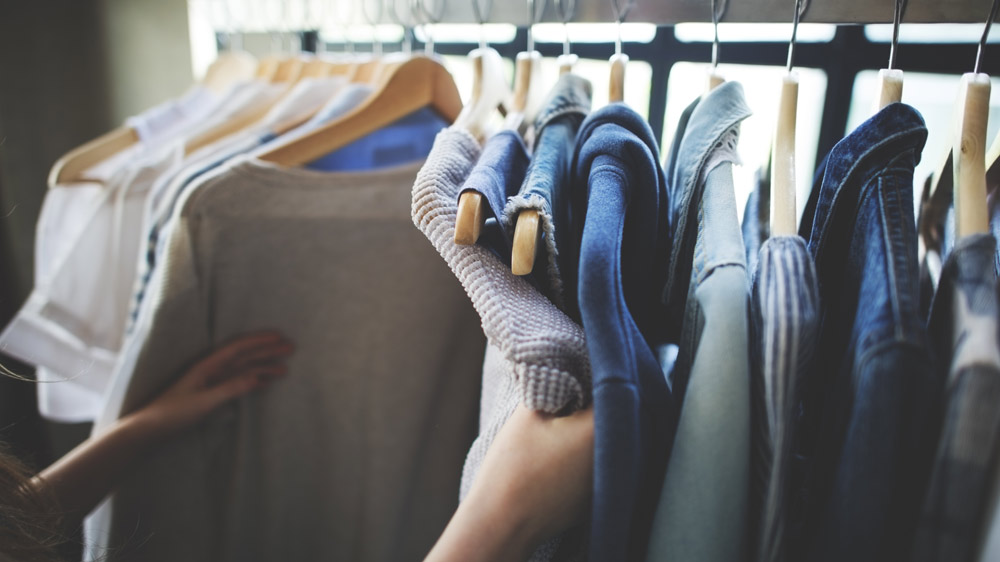
Finally India’s fashion retail can look ahead with more optimism as the sector is expected to see good double digit sales growth in FY23. As per a report by credit rating agency ICRA, rising discretionary spending and normalisation of store operations post pandemic, India’s fashion retail sector is expected to see a 45 per cent year-on-year (YoY) sales growth.
Operating profit margins to grow
With significant rise in advertisement and promotion spends so far this year, fashion retailers operating profit margins (OPMs) are expected to be around 7-7.3 per cent, the report predicts. In fact, India’s retail sector saw significant 55 per cent YoY revenue growth in first nine months of FY2023 led by improved economic activity and an uptick in discretionary spends. As Sakshi Suneja, VP and sector head of corporate ratings at ICRA, says, “While this was admittedly partly led by a low base, it also reflects a sharp 35 per cent growth over the pre-pandemic period of first nine months of FY2020.”
A similar stud more recently by Unicommerce too had said, the growing adoption of e-commerce in India has helped the accessories and footwear segments which reported a phenomenal 41.2 per cent and 41.7 per cent YoY growth this winter over last year. The growth was led by rising consumer interest in products such as perfumes, watches, belts, hats, jewellery, and hair accessories among others.
The Unicommerce analysis had also stated, boots and sneakers were shoppers’ most popular choices in footwear. Innerwear was the other emerging segment with both men and women shopping online as numbers report a 29.3 per cent YoY growth in winter 2022. Bags and wallets, although a small segment of fashion, also reported a strong 24.3 per cent YoY growth during the same period. The report goes on to state, apparel segment accounts for the majority of e-commerce orders and has seen strong growth of 11.5 per cent YoY in this winter.
As per the latest ICRA report, retail sector’s good show was also aided by nearly 5 million sq. ft. of additional store space in FY20-FY22. Segment-wise, revenue growth is led by premium brands in the metros or Tier-I cities. After a lull in FY21 retail expansion plans were taken up with new vigour in FY22, and continues in FY23. This was enabled by the large equity raisings in FY2021, coupled with improved cash flows during FY22 and YTD FY23. As Suneja points out, “Entities in our sample set increased their capital spending to Rs 14 billion in FY2023, implying a YoY expansion of 55 per cent.”
The ICRA report says, retailer’s gross margins in 9M of FY2023 remained largely in line with the FY2022 levels, as they passed on the increase in raw material costs (led by the increase in cotton prices) to consumers. The other major cost heads for a retailer are: rental, employee costs, and selling/promotional expenses, which together account for about 30 per cent of the total cost.
Value segment still to recover
The ICRA report however states, the value-fashion segment, has been facing inflationary headwinds and reported a negative same-store-sales growth compared to pre-covid days of the first nine months (9M) of FY2020.
While value-fashion segment players continue with their capex plans in FY2023, ICRA expects some curtailment/re-calibration in capex spending by them in FY2024, till inflationary pressures ease.
Meanwhile, online retail continues to grow. The ICRA report suggests, online sales will continue to grow, albeit at a slower pace, as the pandemic slows down. The share of online sales is expected to grow to 12-14 per cent of revenues by FY25 as against 8 per cent in FY22. This is, however, unlikely to replace the brick-and-mortar sales model any time soon.
Online retail continues to remain popular
On similar lines as per a Technavio study, online fashion retail market In India is predicted to grow by $22.97 billion from 2021 to 2026. The report says, the market is estimated to grow at a CAGR of 18.83 per cent during the forecast period. One of the key trends influencing the growth in India’s online fashion retail market is the rise of social commerce. With major players like Facebook, Instagram, YouTube, Pinterest, and Snapchat, the social commerce platforms facilitate transaction-based social interaction and user experiences through their platforms.











