


FW
Bangladesh exporters spend more time on boarder compliance than India, China
The World Bank has revealed that exporters in Bangladesh are facing significant delays and higher trade costs due to inefficiencies in border processes. Exporters in Bangladesh require approximately 300 hours to meet border and documentary compliance requirements, according Bangladesh Development Update.
The time taken is significantly higher than the 60 hours required in India and 30 hours in China for similar work. Meanwhile, exporters spend 50 hours in Thailand, 110 hours in Vietnam, 120 hours in Indonesia, and 180 hours in Cambodia for the same tasks.
The report emphasizes that the country's failure to implement commitments under the World Trade Organisation's (WTO) trade facilitation agreement is contributing to the delays and higher trade costs.
While many of the WTO's 164 member countries have fully implemented the agreement's 37 provisions to expedite the movement, release, and clearance of goods across borders, Bangladesh has only implemented about 36 percent of them, the World Bank found.
The World Bank's findings suggest that improving border processes and implementing trade facilitation measures in line with international standards could significantly boost Bangladesh's trade competitiveness and lower trade costs for exporters.
Textile, garment exports from Vietnam hit 2009-like lows
Textile and garment exports from Vietnam dropped by 17% in the first quarter of 2023, reaching $7.1 billion. This is the deepest decline in the first quarter since 2009.
The drop is due to the impact of global inflation on consumer spending on non-essential products, causing a sharp drop in textile and garment exports to major markets such as the U.S. and EU.
Moreover, the domestic textile and garment industry is expected to see further declines in export growth this year due to shrinking export orders and factories operating at below capacity. The conflict between Russia and Ukraine, pandemic, financial market instability, and a banking crisis have also affected demand.
In response to this downturn, textile and garment enterprises in Vietnam need to diversify markets, products and brands produced in Vietnam, use green and recycled products, and have infrastructure investment plans and in-depth strategies to meet the requirements of foreign markets.
Moreover, they need to build connection channels to grasp the challenges and opportunities of the global textile industry, digital technology trends and new policies.
Report shows 22% YoY drop in Cambodia's garment exports in first quarter of 2023
Cambodia's international trade during the first quarter of 2023 has seen a decline of 14.5% to $11.25 billion, according to a report by the General Department of Customs and Excise.
The report highlighted that the country's total export, valued at $5.39 billion, fell 5.7% YoY, while the total import, registered at $5.86 billion, dropped 21.3%.
Cambodia's garment, footwear, and travel goods industry, the largest foreign exchange earner for the country, recorded a 22% YoY decrease in exports, falling from $3.12 billion in Q1 2022 to $2.42 billion this year.
This sector employs about 750,000 workers, mostly female, across 1,100 factories and branches. The government expressed its concern about the global economic situation, particularly in the US and Europe, adding that declining income in those countries is affecting purchase orders, causing a ripple effect on the global economy through inflation.
Three-day Texworld Evolution Paris in July to host 1,300 exhibitors
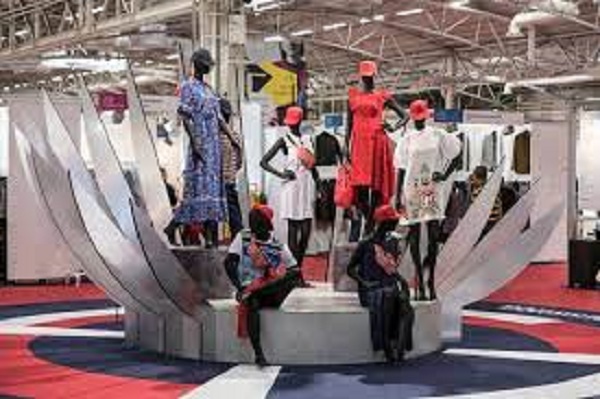
Between July 5 and 7, 2023, downtown Paris, the international hub for fashion, will host the special 25th anniversary edition of Texworld Paris at the Porte de Versailles Exhibition Centre. Themed Texworld Evolution, the three-day trade fair will herald in pre-Covid enthusiasm that will put the business of fashion back on its tracks, believes event organiser Messe Frankfurt. The exhibition will host around 1,300 exhibitors from 20 countries. The new venue in downtown Paris was an obvious choice for its accessibility, connectivity and the fashionable ambiance. This July, Texworld Evolution Paris brings together all its components Texworld, Texworld Denim, Apparel Sourcing, Avantex and Leatherworld Paris.
Steady increase in participation since 2019
The July 2023 edition of Texworld Evolution is going to be the largest textile trade fair after post-Covid. The number exhibitors have gone up 40 per cent compared to the winter edition held in February this year. Messe Frankfurt reports the number of Chinese manufacturers participating at the July edition of Texworld Evolution is similar to that of 2019, if not more, with China opening up operations after a yearlong strict lockdown. Exhibitors from Taiwan, Turkey, India and South Korea will also attend in large numbers.
Sustainability in focus
The event is giving sustainability its due seat at the table. To its credit, Texworld Evolution has been a frontrunner in the global textile trade fair circuit for more than 15 years. It always showcases certified fabrics and garments of natural origin and ethically produced fabrics and clothing. A special area will be dedicated to organic material, natural and recycled fibre, biodegradable and advanced synthetic fibre. The trade fair is highlighting the entire manufacturing chain that is the subject of particular attention from the buyer and the final consumer - this will include maximized dyeing processes, both, natural or chemical, finishing and environmental management systems or fabrics produced in accordance with transparent social standards, such as fair trade and respect for labour legislation.
Pictograms identifying this group of suppliers will be distributed as they showcase natural materials and environmentally friendly processes while complying with sustainable social standards.
Celebration of small quantities and handmade products
Texworld Evolution Paris has curated the best collection of companies representing the finest handicraft on offer. Visitors can expect to see live demonstration of these age-old or contemporary techniques that create the finest bespoke patterns and products – hand-woven fabrics, embroideries, crochet, applique and brocades to name a few. India is one of the largest groups of exhibitors in this section.
Exclusivity is being showcased through hundreds of exhibitors offering quality products in small quantities. These micro-quantity collections are a huge draw and added value for designers, retailers and fashion start-ups, enabling them to create exclusive collections that can only be sold as limited editions. For example, fabrics have only 50 to 100 mt. per design whereas garments and fashion accessories are not more than 100 styles. It facilitates small business units accepting orders of under €1,000.
Timing is right
The dates chosen for the Texworld Evolution Summer 2023 coincides with Curve and Interfilière Paris, organised by WSN Développement, the trade fair for the lingerie, loungewear, swimwear and activewear section of fashion as these exhibitions are within the same complex, being held from July 2 to 4, 2023. This provides a spectrum covering the entire fashion wear segment.
HKTDC ready to host seven concurrent lifestyle trade fairs, events in April

The Hong Kong Trade Development Council (HKTDC) is hosting seven concurrent lifestyle products and licensing trade fairs in the course of April 2023. After a period of political turbulence compounded by the pandemic and the global disruptions due to Ukraine war, Hong Kong is ready to bounce back and reclaim its glory as a regional hub of trade, commerce and creativity. These seven fairs will be held between April 19 and 22, 2023 at the picturesque Hong Kong Convention and Exhibition Centre at Wan Chai North, along Victoria Harbour. As Sophia Chong, HKTDC Deputy Executive Director explains, “Hong Kong is a unique creative and cultural hub where East meets West and the city always excels in creativity. The HKTDC has been committed to promoting creative and design industries, help develop Hong Kong as Asia’s city of culture and creativity. This year, the HKTDC gathers a number of large-scale exhibitions in April, covering lifestyle products and licensing to strengthen cross-industry and cross-field cooperation, creating even greater synergy to the industries.”
Trade fairs to highlight innovation and technology The events include the Hong Kong Gifts & Premium Fair; Home InStyle (formerly the Hong Kong Houseware Fair); Hong Kong International Home Textiles and Furnishings Fair; Fashion InStyle (formerly Hong Kong Fashion Week); Hong Kong International Printing & Packaging Fair as well as the Hong Kong International Licensing Show and Asian Licensing Conference, which will end on April 21.
Under the exhibition + hybrid model, exhibitors and buyers have the opportunity to participate beyond physical shows, through the intelligent Click2Match platform which will run until April 29. Chong adds, “Since Hong Kong returned to normality, the HKTDC has organised several large-scale trade fairs and forums. Both domestic and international exhibitors and buyers showed support by attending the events physically, which is very encouraging. This time, the six major exhibitions attract over 3,800 exhibitors from 23 countries and regions, with 70 per cent being non-local exhibitors who will participate in person. More than 20 international licensing leaders will also join the Asian Licensing Conference.”
Royalty-free environment to benefit all A key component in this gathering is the Asian Licensing Conference, apt as intellectual property rights continue to be a bone of contention, particularly with many Western economies alleging violations occurring in Asia. The conference will host over 20 experts from the global licensing field to discuss latest developments in global licensing, location-based marketing (LBM) and sport licensing, keeping participants up-to-date on market trends.
Overseas speakers will include Ben Peace, Vice President for the Asia Pacific at WildBrain CPLG (the agency for PEANUTS, Sonic Prime, and the Teletubbies); Maura Regan, President of Licensing International; and Yvonne Chou, Head of Global Marketing at VICTOR Rackets Industrial Corp, (the badminton brand in cooperation with various IPs such as Peanuts, Hello Kitty, One Piece). The Licensing Academy, organised by Licensing International and supported by the Intellectual Property Department of the Hong Kong Special Administrative Region Government, will host a Japanese expert as a speaker to educate attendees on the role of being royalty-free marketing creating is a win-win situation for all. This conference will also host another topical event, ‘Powering change: Women in innovation and Creativity’.
AI technology to drive fashion
Fashion InStyle will host 430 exhibitors representing the entire industry chain, upstream and downstream. The Hong Kong Polytechnic University and the UK’s Royal College of Art will conduct live demonstrations of AI technology application to fashion design, merchandising and retailing. Israeli innovation company Stratasys, manufacturer of 3D printers, software, and materials for polymer additive manufacturing as well as 3D-printed parts on-demand will show the sector on how to maximize on operational resources through 3D printed outfits, accessories and parts of outfits quickly and efficiently.
Widespread wage theft in Southern California's garment industry, says report
A recent report by the U.S. Department of Labor has exposed wage theft and illicit pay practices in the heart of Southern California, where laborers toiling away for some of America's top fashion retailers are taking home a meagre $1.58 an hour.
The investigation covered 50 garment contractors across Los Angeles, Orange, and San Bernardino counties between July 31, 2021, and June 30, 2022, and revealed that 80% of the contractors violated wage laws, owing over $892,000 in back pay and liquidated damages to 296 workers. More than half of the employers were found to have paid garment laborers partly or wholly off the books, and payroll records were either doctored or missing.
The investigation also discovered that 32% of the contractors paid workers on a piece-rate basis, a practice that California outlawed in 2022. Shockingly, one Nordstrom and Stitch Fix contractor was found paying workers only $1.58 an hour. The majority of these underpaid garment workers, who are primarily immigrants, are too afraid to speak up, fearing backlash or termination.
LA's Fashion District employs about 20,000 garment workers, constituting roughly 83% of California's and the nation's cut-and-sew apparel sales. The report found that the sewing fees manufacturers paid to contractors were, on average, $2.75 below the amount needed for contractors to meet federal wage standards. Contractors who played by the rules received a higher sewing fee, ranging from $17.50 to $35 per garment.
The Garment Worker Center, an anti-sweatshop organization based in the Fashion District, believes that over time and with robust enforcement, legislation will drive change in the industry.
PV Shenzhen to feature 50 vetted European and Asian material companies across six sectors

Première Vision Shenzhen is set to showcase the Spring-Summer 24 collections at the Shenzhen World Exhibition & Convention Center from April 26-28.
The event is expected to attract visitors and exhibitors from across the globe, as the fashion industry focuses on sustainability and ecological change. PV Shenzhen has been staging successful exhibitions in China since its debut in October 2020, with over 20,000 visitors and 200+ exhibitors.
Vetted Exhibitors from Europe, Asia
This year's exhibition will be presented in a massive 50,000㎡ exhibition space, with over 50 PV-vetted leading European and Asian material companies showcasing their products in six main sectors: Yarns, Fabrics, Leather, Accessories, Designs, and Manufacturing. Notably, several exhibitors are from outside China, including Switzerland, Italy, France, and Turkey.
Designers and brands can visit the PV Shenzhen Trend Area, PV Shenzhen Sustainable Focus Area, and PV Shenzhen Sustainable Fashion Seminar to learn about the three central guidelines of Première Vision SS24: color, material, and environmental protection. Additionally, visitors can explore new sustainable initiatives in the market and engage in discussions with 20 fashion industry experts on new models for sustainable ecological change in China's fashion industry.
Travel to Paris, virtually at Trend Area
The exhibition also features the PV Paris 3D Trend Area, where visitors can virtually travel to the PV Paris Forums to view seasonal exhibits, learn about material highlights, and interact with vendors directly through the Première Vision Marketplace. Moreover, visitors can take a break from the bustling show to reflect on sustainable issues and learn about cutting-edge trends in durability, sustainable manufacturing, social challenges, and traceability.
Community Building
The PV Shenzhen VIP Club creates a community in which PV's executives, suppliers, buyers, partners, and journalists can engage in fruitful conversations, exchange ideas, and explore business opportunities. The event promises to be an important internal reference for future brand development, with valuable insights into substantial progress of trends, materials, and markets.
LAMEA region leads global alpaca fibre market, driven by rising demand for sustainable textiles
Global alpaca fiber market was valued at $846.5 million in 2021 and is expected to generate $1.2 billion by 2031, with a CAGR of 3.5% during the 2022 to 2031, as per a report from Allied Market Research.
The increasing demand for sustainable and eco-friendly textile goods, consumer awareness of the product benefits, and the expanding alpaca fibre fashion outlets are the major drivers of the market growth.
However, the high cost of production of alpaca fibres acts as a restraint to the global market growth. The report also highlights that the versatility of alpaca fibres and the increase in R&D to improve the quality and consistency of alpaca fibres will present new growth opportunities for the global alpaca fibre market.
The COVID-19 pandemic has had a negative impact on the alpaca fibre market, as lockdowns and restrictions imposed by governments led to a decline in consumer spending on luxury items, including alpaca fibre products. This resulted in reduced demand for alpaca fibres and a decline in revenue for businesses operating in the alpaca fibre industry.
Based on application, the textile segment contributed to the largest share of more than half of the global alpaca fibre market in 2021 and is expected to dominate the market during the forecast period. The Huapaya fibre segment grabbed the highest share of more than 90% of the overall alpaca fibre market in 2021 and is projected to maintain its dominance in 2031. Moreover, the superfine segment grabbed the highest share of nearly one-third of the overall alpaca fibre market in 2021 and is projected to maintain its dominance in 2031.
The LAMEA (Latin America, Middle East, and Africa) region was the largest market for alpaca fibre in 2021, accounting for more than two-thirds of the global market and is likely to dominate in terms of revenue in 2031, according to the report. The same market is expected to show the fastest CAGR of 3.9% during the forecast period.
The LAMEA region is home to many alpaca farms, particularly in countries such as Peru, Bolivia, and Chile, which are major producers of alpaca fibre.
Iran's textile industry has potential to flourishes despite sanctions, challenges
Iran's apparel industry has exported goods worth $80 million in the previous Iranian year, according to the Textiles and Clothing Industries Department of the Ministry of Industries, Mining and Trade. Neighboring countries, including Iraq and Afghanistan, as well as several Eurasian countries, were the primary destinations for these exports. To expand its reach, the Iranian government is making efforts to penetrate the Russian market.
To promote the industry, the Iranian government has maintained the same import tariff for clothing raw materials, which was 1% in the previous year. The textile industry is one of Iran's leading economic sectors, providing employment opportunities for a significant percentage of the population. Despite challenges such as international sanctions, the industry has continued to flourish, with exports increasing every year.
The industry's diverse product range, including cotton, wool, silk, and synthetic fibers, is renowned for producing high-quality fabrics. The Iranian Ministry of Industries, Mining, and Trade has been promoting the apparel industry and expanding its exports to different regions worldwide. The government's favorable trade policies and the country's proximity to several neighboring countries have made it easier to penetrate markets in the region.
Apart from promoting exports, the textile and apparel industry heavily relies on imports of raw materials. According to the Iran Textile Exporters and Manufacturers Association, the country imported around $2.5 billion worth of textile raw materials during the last Iranian year, with cotton being the most imported material, followed by polyester, viscose, and acrylic fibers.
Despite being one of the leading producers of cotton in the world, Iran still imports a significant amount of cotton due to the lack of modern technology and sufficient investment in the sector. However, the government has been taking measures to reduce the country's dependence on imports by increasing local cotton production and encouraging investment in the industry.
The government is also implementing measures to improve the industry's competitiveness by upgrading technology, providing financial assistance, and establishing new production units.
Istanbul Fabric and Textile Accessories Fair aims to increase Turkish exports, accounting for 20% of EU textile imports
Texhibition Istanbul Fabric and Textile Accessories Fair, held in March this year, aimed to further highlight the Turkish textile industry, and push it towards becoming the focal point of the European textile market.
The fair, which boasted a record 437 producers exhibiting their wares, managed to attract over 18,000 visitors, a 50% increase on last year’s show. The fair attracted mainly Turkish attendees; however, the organisers hope to make the sourcing fair more international in the future.
The organisers aim to increase exports of Turkish textiles and reach ambitious targets of accounting for 20% of the EU’s textile imports. This is despite current challenges, including inflation, upcoming elections, and the catastrophic effects of the earthquake in the southeast of Turkey, which affected the weaving and spinning mills in the area.
Nonetheless, companies like Bossa and Sasa, whose factories were not damaged, plan to keep production going, albeit at slightly lower levels.
However, cotton supplier Iskur was badly affected, losing a warehouse and 70% of its yarn factory. It is slowly restarting production.











