


FW
EU to Introduce New Textile Recycling Regulations
The European Union is poised to introduce new regulations that would require clothing brands to take responsibility for the recycling of their products.
The efficacy of these regulations is uncertain, as they do not go far enough to address the sheer volume of textile waste generated by the fashion industry.
Critics argue that the regulations should be more ambitious and should include incentives for brands to produce more sustainable clothing.
The European Parliament is eager to expedite legislation, even if precise data and targets are yet to be established.
BGMEA recent Iraq tour
The Bangladesh Garment Manufacturers and Exporters Association (BGMEA) from 17 to 24 August 2023. Its goal was to strengthen trade relations between Bangladesh and Iraq.
The visit was productive, with promising discussions and unforgettable cultural experiences. It was honored to receive warm hospitality from all stakeholders, including Iraqi government offices, trade bodies, business organizations, and other influential figures.
In Iraq, we showcased the high quality and competitiveness of our products, positioning Bangladesh as an attractive source of apparel for Iraq. Its discussions with Iraqi business leaders were particularly memorable. Engineer Haidar Al-Athari, Chairman of the Najaf Chamber of Commerce, welcomed us for discussions on bilateral trade and investment.
Similarly, our meeting with Khaled Battal Najm Abdullah al-Jughifi, the Minister of Industry and Minerals, allowed us to emphasize the value of enhanced collaboration and the ease of doing business between the two countries.
We also engaged with Abdulrazak Al-Zuheere, President of the Federation of Iraqi Chambers of Commerce, and other notable figures to explore potential collaborations, trade opportunities, and avenues for cooperation that would benefit both Iraq and Bangladesh.
In addition, we had an important discussion session with the Ambassador of Bangladesh to Iraq, H.E. Fazlul Bari. During this meeting, it presented a comprehensive overview of Bangladesh's garment industry, highlighting its current status, future potential, and strategies for sustainable growth.
I would like to point out that we had previously perceived Iraq as a war-ravaged country. However, after our visit, this perception has changed. I
t saw a new Iraq, which is divided into 18 governorates for administrative purposes, three of which constitute the autonomous Kurdistan Region. All of these regions have seen significant development in terms of per capita income, infrastructure, consumption, and overall economic progress.
I took the opportunity to visit a few shopping malls to see what kind of clothing they sell and where they source it from. Most of the clothing was imported from Turkey. However, BGMEA did find a few dresses made in Bangladesh, but they had been transhipped through Turkey.
Bangladesh could be one of the most preferred apparel sourcing hubs given our price range and quality if we could directly export to Iraqi customers. In fact, all of the meetings we had with top officials and the private sector showed a huge enthusiasm for direct sourcing and strengthening bilateral trade.
Another amazing fact is that Iraq has a population of about 44 million people, but they do not manufacture any garments. They import 100% of their requirements. The range of apparel that we manufacture and export is in demand in Iraq.
The 47th Session of the Baghdad International Fair will be held from 1 to 10 November 2023 in Baghdad. Additionally, the 5th Erbil International Fashion & Textile Exhibition is scheduled to take place from 14 to 17 December 2023 in Erbil in the Kurdistan Region of Iraq.
Most Misspelled Fashion Brands
In the fashion industry, a brand name is essential for success. It needs to be unique, globally recognizable, visually pleasing, and have a story behind it. However, even some of the most well-known fashion brands are often misspelled.
According to a study by JOOR, Adidas is the most misspelled fashion brand, with an average of 556,000 online misspellings per month. Chanel is in second place, with 408,700 misspellings, and Swarovski is in third place, with 85,300 misspellings.
Other commonly misspelled fashion brands include Louis Vuitton, Versace, Jacquemus, Asics, Christian Dior, Moncler, Bottega Veneta, Tommy Hilfiger, Lacoste, Tag Heuer, Vivienne Westwood, and Dolce and Gabbana.
There are a few reasons why fashion brands are often misspelled. One reason is that the names of these brands are often made up of foreign words or phrases. Another reason is that the names of these brands are often long and complicated.
Whatever the reason, misspelling a fashion brand can have a negative impact on the brand's reputation and its ability to attract customers.
So, if you're thinking of starting a fashion brand, make sure to choose a name that is easy to spell and remember.
Yibin Grace, Renewcell Partner on 50% Recycled Viscose
Yibin Grace, a textile producer, celebrated their collaboration with Renewcell and the success of their latest testing phase for Next Gen Man-Made Cellulosic Fibre (MMCF) products.
These innovative fibers are composed of 50% CIRCULOSE®️ pulp, sourced entirely from 100% recycled textiles. The company has achieved a 50% blend of CIRCULOSE®️ pulp in their testing line and aims to achieve the same ratio for the market by the end of 2023.
This product represents Yibin Grace's highest recycled content viscose staple fiber to date. The partnership with Renewcell will assist Yibin Grace in fulfilling their CanopyStyle commitments and reducing the environmental impact of viscose production, aligning with China's climate goals.
Deng Min, Chairman of Yibin Grace, expressed delight in the partnership's growth and the creation of an eco-friendly staple fiber. Yibin Grace's dedication to the CanopyStyle initiative and their aspiration to establish a closed-loop fashion industry continue.
Renowned for their transition to circular manufacturing, Yibin Grace has collaborated with trading company Ekman and Renewcell to expand their Next Generation MMCF solutions. The testing of the new viscose staple fiber with 50% CIRCULOSE®️ content is underway, and plans to raise the recycled content of their filament yarn to 50% have been unveiled. Notably, CIRCULOSE®️ pulp boasts environmental benefits, releasing less carbon and requiring significantly less water compared to conventional fibers. Renewcell's CEO, Patrik Lundstrom, highlighted the potential of CIRCULOSE®️ to mitigate forest pressure and textile waste.
Currently, over 300 million trees are felled annually for fashion fabrics, but Next Generation Solutions offer sustainable alternatives, significantly reducing carbon emissions, land use, and biodiversity impact. In partnership with Renewcell, Yibin Grace is at the forefront of revolutionizing the textile industry, driving sustainability and circularity to protect our planet's resources and mitigate climate change.
Cinte Techtextil China 2023
The Marine Textile Zone will be inaugurated at Cinte Techtextil China 2023, which will be held from September 19th to 21st, 2023, at the Shanghai New International Expo Centre.
The zone will showcase the latest innovations in marine textiles, including ropes, nets, and fabrics. It will also host a technology exchange forum and an awards ceremony for the Top 10 Suppliers in the China Rope Net Industry.
The global rope market is projected to grow by over USD 4 billion between 2022 and 2027. In light of this, suppliers are eager to engage with buyers in a face-to-face setting. The Marine Textile Zone at Cinte Techtextil China 2023 is the perfect place for them to do so.
The zone will feature exhibitors from across China, including Ropenet Group, Hunan Xinhai, and Zhejiang Four Brothers Rope. It will also host a number of events, such as the Technology Exchange Forum and the Top 10 Suppliers in the China Rope Net Industry awards ceremony.
The Marine Textile Zone is a must-attend event for anyone involved in the marine textile industry. It is the perfect place to learn about the latest innovations, network with other industry professionals, and find new business partners.
Luxury markets reinvents itself to stay afloat through tough economic times
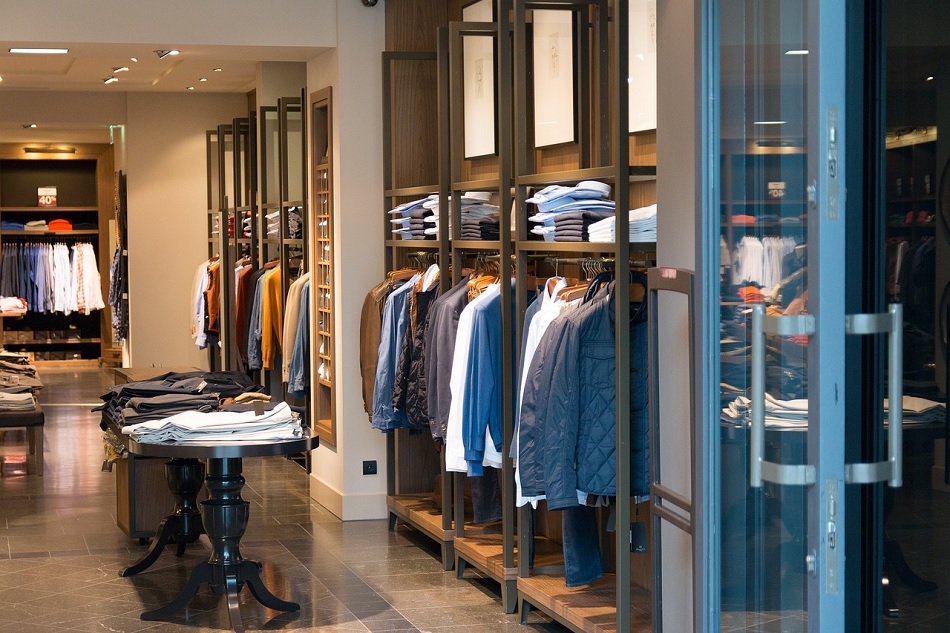
When the going gets tough, the tough get going to renew and reinvent themselves in order to survive. The global luxury market is currently doing just that due to post-pandemic-induced high inflation, cost-of-living crisis, a slowdown in the Chinese economy along with geo-political tensions. All these factors have changed the world we once knew. Consumption patterns and choices are changing fast and it’s the younger world with Gen Z and Gen Alpha who are expected to make up around 45 per cent of the global population by 2030. As the largest target group for apparels and personal accessories luxury brands, they will also have to adapt their products, distribution and marketing schemes to fit in with the demands of a new generation.
Market studies focus on high-tech transformation
A recent Euromonitor International --the world’s leading provider of global business intelligence and market analysis -- study has shown that e-commerce will become far more high-tech including Artificial Intelligence-driven personalization tools, along with virtual sampling of products, omni-channel digital experiences like virtual fashion shows for both online and offline sales.
All luxury brands will need to invest in transforming digitally and have a wide portfolio of environmentally-friendly products that are sustainable and durable. Stricterer company regulations on green-washing and being environment friendly will be needed. The post-Covid years have pushed luxury lifestyle segment into a holistic feel-good environment that includes everywhere and everything a consumer does at home, office, or on holiday that enriches living.
A Bain & Company–Altagamma Luxury Study in 2022 on the luxury segment has said that the US and Europe will be leading the post-Covid markets while new luxury markets are generating positive growth for 95 per cent brands. The global luxury market was projected to grow 21 per cent in 2022, reaching €1.4 trillion while the personal luxury goods market was also expected to grow 22 per cent to €353 billion and see further growth of at least 3-8 per cent this year.
The 2023 luxury segment is expected to be even more resilient to recession than during the 2009 global financial crisis and there will be great market value for luxury goods through the next decade, showing good living is paving the way for the future. There will also be more moderate to high growth spending on luxury experiences with the resumption of international tourism and business travel.
Secondary second-hand market has become popular
Meanwhile, luxury brands aim to support long-term sustainable goals through the thriving secondhand luxury resale market with demand from aspirational customers on a limited budget.
However major challenges such as checking for authenticity is an issue as there are no guarantees against fakes and consumers sometimes end up buying counterfeits from dishonest players. This segment is also extremely labor intensive with marginal profits and a large group of sellers and buyers need to network together cohesively for the resale business to be truly profitable.
Only the bigger premium accessory brands such as handbags grow revenues by getting the same customers to buy more coveted goods at discounted prices.
Professional traders such as Privé Porter- who are the world’s largest reseller of Hermès bags- use marketing tactics such as encouraging their loyal customers to buy other Hermès products to qualify for the chance to buy another branded luxury product such as Birkin or Kelly bag.
Others like Rolex (with Bucherer) have included certified pre-owned as a clever way to limit demand spillover to competitors because of limited production capacity constraints, so sometimes this makes better profits as they are above the new recommended retail price.
Analysts say the pre-loved and pre-used segment is growing four times faster than the primary luxury market, at around 12 per cent per year compared to 3 per cent per annum for the latter, and is a thriving $24 billion market today, with scope to grow further if handled right.
AATCC Future Leaders Award Recipients Announced
The American Association of Textile Chemists and Colorists (AATCC) has announced the recipients of its 2023 Future Leaders Award. The award recognizes promising young professionals in the fields of textiles, apparel, and related material sciences.
The recipients are:
• Tova Williams, Assistant Professor, Textile Engineering, Chemistry, and Science Department, North Carolina State University
• Julian Rojas, Method and Capability Development Scientist, Henkel Consumer Brands R&D
• Joanne Brasch, Special Projects Manager, California Product Stewardship Council
• Jessica Brooks, Colorist, Vertical Business Units, W. L. Gore & Associates
The award recipients were selected by each of AATCC's Interest Groups. They were chosen based on their leadership skills, their commitment to the textile industry, and their potential to make significant contributions to the field.
The Future Leaders Award is presented annually at the AATCC Textile Discovery Summit. The 2023 Summit will be held in Atlanta, Georgia, from October 23-26.
The award recipients will be honored at the Summit's Awards Luncheon on October 25.
The AATCC Future Leaders Award is a prestigious honor that recognizes the next generation of leaders in the textile industry. The award recipients are all making significant contributions to the field, and they are sure to have a bright future ahead of them.
VIEW Launches New Concept in September
VIEW Launches New Late Ordering Date Event in September at MOTORWORLD
The textile industry will have a new late ordering date option in Munich this September, with the first edition of VIEW as reVIEW Autumn.Winter 24/25.
The event will be held at the MOTORWORLD, a new venue for VIEW, and will feature more than 300 international premium collections in the sectors of Fabrics, Denim & Sportswear, Additionals and Design Studios.
The reVIEW Autumn.Winter 24/25 will be the first time that VIEW has been held in September, and it will also be the first time that the event has been held at the MOTORWORLD.
The move to the MOTORWORLD is a significant one, as it will allow VIEW to expand its space and exhibitor portfolio. The MOTORWORLD is also a more technologically advanced venue, which will improve the infrastructure for VIEW.
The reVIEW Autumn.Winter 24/25 will be held from September 13-14, 2023. The next edition of VIEW, the preVIEW for the Spring.Summer 25 season, will be held from November 28-29, 2023.
Coated Fabrics Market to Grow at 4.1% CAGR to Reach $29.79 Billion by 2030
The global coated fabrics market is projected to grow from $21.6 billion in 2022 to $29.79 billion by 2030, at a CAGR of 4.1%. The growth of the market is driven by the increasing demand for coated fabrics in a variety of applications, such as protective clothing, furniture, roofing, and industrial applications.
Coated fabrics are treated with polymers and rubber to improve their properties, such as water resistance, UV resistance, and resistance to dirt and oil. These fabrics are also known for their durability, weather resistance, and corrosion resistance.
The growing emphasis on safety measures and stringent industry regulations is also driving the growth of the coated fabrics market. This is especially evident in sectors such as automotive, chemicals, and oil & gas.
In addition, the increasing demand for environmentally friendly materials is also boosting the growth of the market. Coated fabrics can be made from a variety of materials, including natural fibers (like cotton and hemp) and recycled materials (such as plastic bottles).
The market is also expected to benefit from the growing demand for fabrics with water-resistant and high-flame properties. This trend is expected to amplify the utilization of coated fabrics across various applications throughout the forecast period.
Bangladesh RMG Sector Rides Out Storm
Despite facing challenges such as the Russia-Ukraine conflict, inflation, and cotton import decline, Bangladesh's readymade garments (RMG) sector has grown by 10% in the fiscal year 2022-2023. The growth rate was 5.64% in the first half of the year.
The sector has benefited from the high global demand for RMG and the low production costs in Bangladesh.
However, it also faces some risks, such as yarn shortage and gas crisis, that could affect its performance in the future.
Bangladesh's RMG sector is optimistic about its prospects. It aims to take advantage of the global apparel market and the government's support.
Bangladesh RMG Sector Defies Headwinds.











