


FW
ITMF Annual Conference 2023: Digitalization & Circularity in Textiles
The ITMF Annual Conference 2023 will be held in Keqiao, China from November 4-6, 2023. The conference will feature international industry experts from around the world from along the entire textile value chain – from fibres to retail.
Under the general theme of "Digitalization & Circularity – Megatrends Shaping the Textile Industry", experts from the industry and academia will shed light on how the textile value chain is coping with these trends and will help better understand the underlying dynamics and identifying the risks and opportunities.
In the various sessions, experts will discuss topics such as:
• How the fibre markets will adapt to the increasing demand for recycled fibres
• How the textile industry can reduce its carbon footprint
• How new technologies will accelerate the industry's transition towards more circularity
• How upcoming regulation will impact production around the world
In addition, ITMF will once again recognize the winners of the:
• ITMF Start-up Awards 2023
• ITMF Sustainability & Innovation Awards 2023
• ITMF International Collaboration Awards 2023
In conjunction and coordination with the ITMF Annual Conference 2023, there will be two more events that will take place in Keqiao, namely:
• 10th Belt & Road Textile Conference 2023 (November 2-3)
• 6th World Textile Merchandising Conference (WTMC) 2023 (November 5-6)
The ITMF Annual Conference 2023 is a must-attend event for anyone involved in the textile industry. It is an opportunity to learn about the latest trends and developments, network with industry leaders, and gain insights into the future of the textile industry.
Bangladesh garment sector under fire
Amsterdam witnessed a powerful protest by Clean Clothes Campaign activists, who took a stand against the Bangladesh garment industry following the recent tragic murder of trade unionist Shahidul Islam.
The demonstrators gathered at a promotional exposition of the industry, sending a resounding message to the government of Bangladesh, employers' associations, and brands that source from Bangladesh.
They demanded immediate justice for Islam's grieving family, protection for the right to organize, and the establishment of a new minimum wage in alignment with workers' needs. Shahidul Islam's life was brutally cut short on June 25, 2023, as he was attacked and killed after advocating for workers' bonuses and wages in Tongi, Bangladesh.
His 25-year dedication to the Bangladesh Garment and Industrial Workers Federation (BGIWF) as an organizer speaks volumes about his commitment to workers' rights. His murder underscores the grave risks faced by unionists and workers standing up for their rights in Bangladesh, highlighting the urgent need for an environment where workers can freely organize and voice their concerns.
Clean Clothes Campaign activists voiced their concerns both outside and inside the Best of Bangladesh event in Amsterdam. They emphasized the importance of dialogue that includes independent trade union representatives and worker voices, stressing that such discussions are meaningless without the very people they affect. The protesters outlined crucial steps for progress: Justice for Shahidul Islam:
They called for a thorough and transparent investigation by the Bangladeshi government into the murder, including identifying all perpetrators and their connections to factory management. Compensation for Shahidul Islam's family, in line with ILO Convention 121, was also requested, along with additional compensation for emotional suffering.
Ensure Safeguards for Freedom of Association:
Brands sourcing from Bangladesh were urged to protect freedom of association and remain neutral during any independent organizing efforts. Those part of the International Accord for Health and Safety in the Textile and Garment Industry were urged to strengthen freedom of association provisions. The government of Bangladesh was encouraged to create an enabling environment for workers' right to organize through labor law reform.
Establish a Monthly Minimum Wage:
The demand for a monthly minimum wage of at least 23,000 BDT (ca. 195 EUR) was issued, along with a call for brands and the government of Bangladesh to support this wage and reflect it in product pricing. Without these measures, justice for Shahidul Islam's murder, which has far-reaching implications for Bangladeshi society and garment workers' rights, will remain elusive.
The organizers and participants of the exposition have the opportunity to take a stand by advocating for a 23,000 BDT minimum wage, showing their commitment to positive change in the industry. Upholding workers' rights and promoting decent jobs are essential for solidifying Bangladesh's position as a global sourcing destination.
EU apparel import from world declines 9.22% in Jan-Jun 2023
In the first six months of 2023, the European Union's (EU) apparel import from the world declined by 9.22% to US$ 43.60 billion from US$ 48.03 billion in the same period of 2022. The decline was seen in both value and quantity terms.
The top three apparel sourcing countries for the EU in January-June 2023 were Bangladesh, China, and Turkey. EU's import from Bangladesh declined by 13.65% in value terms to US$ 9.78 billion, while its import from China declined by 13.52% to US$ 10.54 billion. EU's import from Turkey declined by 11.12% in value terms to US$ 3.96 billion.
The unit price of EU's apparel import from the world increased by 8.52% in January-June 2023. This was due to a number of factors, including inflation and the increasing value of the euro.
• The decline in EU apparel import was driven by a number of factors, including the ongoing COVID-19 pandemic, the war in Ukraine, and rising inflation.
• The decline was most pronounced in the value of apparel imports from Bangladesh, China, and Turkey.
• The unit price of EU apparel import increased due to inflation and the increasing value of the euro.
• The decline in EU apparel import is likely to continue in the coming months.
India: SRTEPC, The dashboard will be launched
The dashboard will provide comprehensive information on technical textile products, including those experiencing increasing demand, the countries exporting each product, and the countries importing various technical textile products.
India's technical textile exports are currently primarily driven by package textile products (packatech), with the United States, Japan, and various West Asian countries being key buyers.
Mr. Dodhia reported a 6% growth in exports of technical textile products for the current year.
Manmade fiber and fabrics, excluding garments, are projected to experience a decline of 8-10% in the current financial year.
Mr. Dodhia attributed this drop in exports to shifting global consumption patterns.
CENTRESTAGE 2023: A vibrant fashion and wellness event
The 8th edition of CENTRESTAGE, a fashion and lifestyle event organized by the Hong Kong Trade Development Council, will return to Hong Kong from 6-9 September. The event will feature over 200 brands from 17 countries and regions, showcasing the latest spring/summer 2024 collections. The event will also feature a gala show featuring Hong Kong and Japanese brands REDEMPTIVE and FETICO, as well as a runway show featuring four local brands that have participated in international fashion weeks.
The event is themed "Radiant Wellness", and will explore the intersection of fashion, wellness, and technology. The CENTRESTAGE ELITES gala show will feature the latest collections from REDEMPTIVE and FETICO, two brands that are known for their innovative designs. The Fashion Hong Kong Runway Show will feature the latest collections from four local brands: 112 mountainyam, ANGUS TSUI, DORISKATH, and SUN=SEN.
In addition to the gala show and runway show, CENTRESTAGE will also feature a number of other events, including:
• Brand Collection Shows: This will showcase the latest collections from top fashion brands from Hong Kong and around the world.
• Designer Collection Shows: This will showcase the work of up-and-coming fashion designers from Hong Kong.
• Seminars and workshops: This will provide opportunities for attendees to learn about the latest trends in fashion, wellness, and technology.
• Networking events: This will give attendees the opportunity to meet with industry professionals and make new connections.
CENTRESTAGE is a great opportunity for anyone interested in fashion, wellness, and technology. The event will showcase the latest trends and innovations in these fields, and provide opportunities for attendees to learn and network.
Cotton Market Outlook: Drought and Disinflation Loom
The initial month of the new cotton season has provided a clearer picture of the anticipated developments in production, consumption, and trade. However, there are ominous signs on the horizon, namely the lack of precipitation and the economic challenges posed by disinflation in China.
The drought is causing concern among some of the world's leading cotton producers, including China, the United States, India, and Pakistan. The United States has already revised its projections for the 2023/24 season downward by 550,000 tonnes, with the potential for further reductions.
The drought is also likely to have a negative impact on cotton consumption, as it could lead to lower crop yields and higher prices. In addition, China's disinflation could dampen demand for cotton products, as consumers may have less disposable income to spend.
The full impact of these factors on the cotton market is still uncertain, but it is clear that the outlook is not positive. Producers, traders, and consumers should be prepared for a volatile market in the months to come.
Vietnam's exports rebound
Vietnam's exports declined by 10% year-on-year in the first seven months of 2023, but are expected to rebound in the fourth quarter as US inventories normalize and multinational companies relocate manufacturing to Vietnam.
The decline in exports was due to several factors, including high inventory levels in key export destinations, the conflict in Ukraine, and the ongoing COVID-19 pandemic. However, there are signs that these factors are starting to ease, which could lead to a rebound in exports in the coming months.
The US is in the process of normalizing its inventories, which will reduce the need for imports from Vietnam. Additionally, multinational companies are increasingly relocating manufacturing to Vietnam due to its strategic location and favorable business environment.
These factors are expected to lead to a rebound in Vietnam's exports in the fourth quarter of 2023. However, there are still some risks that could hinder this recovery, such as a global economic downturn or rising protectionism.
Overall, the outlook for Vietnam's exports is positive. The country is well-positioned to benefit from the relocation of manufacturing from China and the normalization of US inventories. However, there are some risks that could dampen the recovery, so it is important to monitor the situation closely.
Zara Pre-Owned Launches in France
Inditex, the Spanish multinational fashion group, is expanding its Zara Pre-Owned platform to France. The service, which allows customers to buy and sell secondhand Zara clothing, will launch on September 7.
The launch in France is the second for Zara Pre-Owned, which was first launched in the United Kingdom in November 2022. The company plans to expand the platform to all key markets by 2025.
Zara Pre-Owned is part of Inditex's sustainability strategy. The company aims to reduce its environmental impact by extending the lifespan of garments and reducing the consumption of new raw materials.
The platform offers a variety of services, including garment repair, online marketplace, and donation. Customers can also track their orders online and arrange delivery at their preferred Zara physical store.
The launch of Zara Pre-Owned in France is a significant milestone for the company. It is the first time that the platform has been launched in a major European market. The launch is expected to help Inditex achieve its sustainability goals.
Next, UK to increase Reiss stake
Next, the UK-based clothing retailer, has finalized an agreement to acquire a majority stake in Reiss Group, a high-end fashion chain. The deal is worth £128 million ($162 million) and will see Next increase its ownership in Reiss from 51% to 72%.
The Reiss family will retain a 22% stake in the company, while the management team will hold the remaining 6%. The deal is expected to close in mid-October, subject to regulatory approvals.
Next has been steadily expanding its portfolio in recent years, acquiring other well-known brands such as Cath Kidston, Joules, and Made.com. The acquisition of Reiss is a strategic move for Next, as it will give the company a stronger foothold in the high-end fashion market.
Reiss has been performing well in recent years, with sales increasing by 26% in the 12 months leading up to the end of January. The company's online operations are managed through Next's Total Platform business, which also extends warehousing and distribution services to Reiss. This has helped Reiss to expand its international presence.
The acquisition of Reiss is a positive development for both companies. Next will gain a strong foothold in the high-end fashion market, while Reiss will benefit from Next's expertise in retail and e-commerce. The deal is also expected to create synergies between the two companies, which could lead to further growth in the future.
GAP’s second quarter fiscals shows the downslide continues
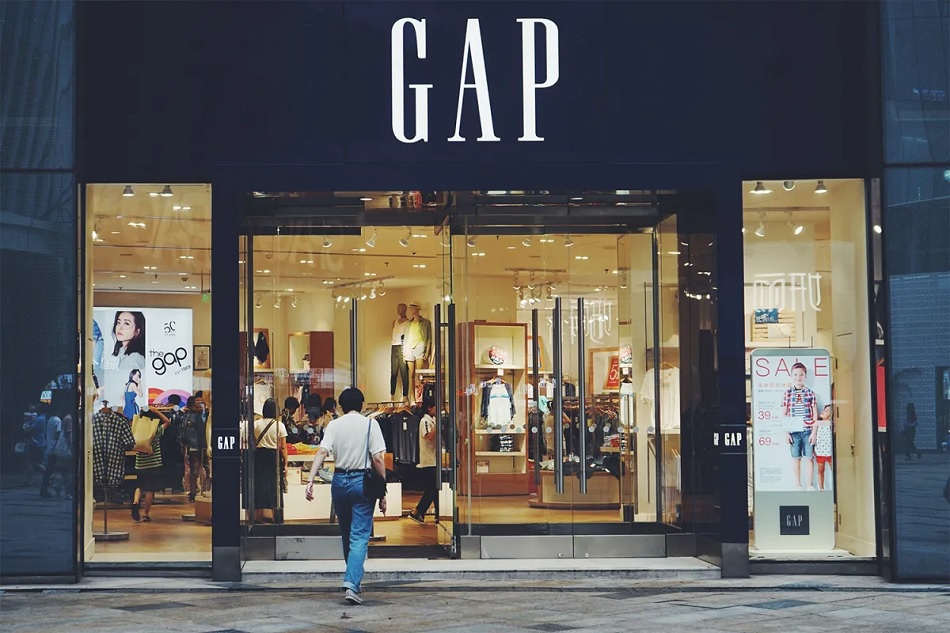
Last week, The Gap Inc. released its fiscal results for Q2 2023 ending in June. The lifestyle conglomerate ended the quarter with cash and cash equivalents of $1.4 billion, an increase of 91 per cent over previous year. A dive into details of fiscal performance shows in most segments, decrease is the common word, however slight that may be.
A look at Q2 results showed net cash from operating activities was $528 million, year-to-date; net cash from operating activities less purchases of property and equipment, stood at $329 million. Also at the end of June, the ending inventory of $2.23 billion was down 29 per cent compared to last year. The year-to-date capital expenditures were $199 million. The corporation paid its second quarter dividend of $0.15 per share. Additionally, the board of directors agreed the paid dividend in the third quarter would be the same as the second quarter. It must be noted that the company’s annual yield in 2022 was 5.8 per cent.
GAP, the all-American clothing brand founded by Donald and Doris Fischer in San Francisco in 1969 is a symbol of American informal urban wear worldwide. The Gap Inc. is its formal name and under it are equally famous American high street fashion brands: GAP, Old Navy, Banana Republic and Athleta.
Not so positive quarter
In Q2, Net sales saw a decrease of 8 per cent compared to last year at $3.55 billion while end of March 2023, the first quarter net sales was down by only 1 per cent. This downslide includes the 2 per cent point decrease in GAP’s China sales and a 1 per cent point decrease due to foreign exchange challenges.
Comparable sales, also referred to as same store sales was down by 6 per cent, a further decline of 3 per cent compared to the first quarter of the year that ended in March. The report states online sales went down by 11 per cent this quarter compared to last year and contributed one-third of total net sales. Store sales decreased 7 per cent compared to last year. The company ended the quarter with 3,456 store locations in over 40 countries, of which 2,592 were company operated.
In March 2023, The Gap Inc. had confirmed the closure of around 350 US stores by the end of 2023 and to date and it has officially closed 120 Banana Republic and 175 GAP stores across the country. A leading US-based reputed business journal had pointed out in May 2023 a general downturn of purchases from The Gap Inc’s lower end consumers worldwide was a key factor and the company despite management change at the beginning of 2023 has not been able to cater to this customer segment to drive sales. Additionally, all four brands under The Gap Inc., seem to suffer from poor choices in merchandising and procurement. The saving grace so far has been women’s wear for The Gap Inc. brands.
Indeed, for the last two decades, the American clothing giant has tried hard just one thing as its panacea for everything – change in senior management. Did it work? Not really as all four brands are steadily losing the “all wholesome American” appeal for newer generations and instead of changing its positioning, its product portfolio and aligning with pop culture, yet another CEO, Richard Dickson is ready to play. Brand relevance doesn’t seem a priority.











