


FW
Levi's Celebrated for Branding Excellence
Levi’s, the iconic brand that epitomizes classic American style and effortless cool, has achieved a remarkable milestone by winning the prestigious Superbrands status. Alongside nine other exceptional brands, Levi’s was honored at a grand ceremony held at the Intercontinental Hotel, Dubai Festival City on the 28th of September.
The Superbrands organization, globally recognized as an independent authority and arbiter of branding excellence, celebrates outstanding brands and promotes the discipline of branding. This accolade serves as a testament to Levi’s relentless commitment to quality, innovation, and customer satisfaction.
Neeraj Teckchandani, CEO of Apparel Group, expressed his strategic perspective on this recognition, emphasizing that receiving the prestigious award is both an honor and a validation of their commitment to excellence and innovation. The award underscores their unwavering dedication to delivering unparalleled quality and value, reflecting the strength and resilience of their brand portfolio. Neeraj Teckchandani also praised the dedicated team whose consistent efforts enhance the brand’s reputation and strategically position them for continued growth in the competitive global market.
Levi’s exceptional ability to thrive in the competitive market reinforces its status as a leading brand in the global fashion and lifestyle industry. The award highlights Levi’s unique resonance with consumers, offering distinctive products and experiences that stand out in the marketplace.
Furthermore, this recognition underscores Apparel Group’s exceptional talent for nurturing and growing brands in a fiercely competitive market, further solidifying their position on the global stage.
Forest Essentials' Commitment to Excellence
Recognition for branding brilliance
Along with other 9 brands, Forest Essentials received this recognition at a grand ceremony held on the 28th at the Intercontinental Hotel, Dubai Festival City.
Significance of the Superbrands Award
The Superbrands organization, renowned globally as an independent authority and arbiter of branding brilliance, is dedicated to honoring exceptional brands and fostering the discipline of branding. The accolade is a testament to the relentless pursuit of quality, innovation, and customer satisfaction that each of the winning brands epitomizes.
CEO Neeraj Teckchandani's Perspective
In his strategic perspective on the recognition, Apparel Group CEO Neeraj Teckchandani stated, "Receiving this prestigious Award is both an honor and a valuable affirmation of our strategic commitment to excellence and innovation. This recognition underscores our relentless pursuit of delivering unparalleled quality and value, reflecting the strength and resilience of our brand portfolio. I am immensely proud of our dedicated team, whose consistent efforts enhance our brand's reputation and strategically position us for continued growth and success in the competitive global market."
Forest Essentials' Commitment to Excellence
This award bear witness to Forest Essentials’ exceptional ability to grow and exceed in the competitive market, reinforcing its status as a leading brand in the global fashion and lifestyle industry. The award demonstrates Forest Essentials’ unique ability to resonate with consumers, offering products and experiences that stand out in the marketplace.
Apparel Group's Expertise in Nurturing Brands
This recognition capitalizes on Apparel Group's exceptional ability to nurture and grow brands in the competitive market, further solidifying their position in the global market.
Indians to spend more on festivals, Cash payments more popular: UBS Report
Festive Shopping to Boost Indian Economy This festive season, Indians are planning to spend more than ever, as per a recent report by UBS released on Wednesday.
The report, which surveyed 2,000 Indians from 10 cities, found that 70% of them intend to increase their spending, with an average rise of 15% this year. Cash Payments Preferred over Digital The report also showed a preference for cash payments over digital ones, with the former increasing from 27% to 35% and the latter decreasing from 71% to 58%. This indicates a tendency to buy more local and offline products, which could support Prime Minister Narendra Modi’s “Vocal for Local” campaign. Local Businesses to Benefit The preference for cash payments is also a boon for local businesses, which may not accept digital payments. Moreover, the rise in festive spending is expected to stimulate the Indian economy. Recommendations for Businesses The UBS report has several implications for businesses.
First, businesses should offer attractive deals and discounts during the festive season to lure customers.
Second, businesses should facilitate cash payments, especially for local customers.
Third, businesses should invest in marketing and advertising campaigns to reach out to potential customers during the festive season.
Summary The UBS report suggests that Indians are eager to splurge on festive shopping this year, with a growing inclination to buy local and offline products. This is a positive sign for the Indian economy and could increase the sales of local businesses.
ReHubs Europe Launched with Ambitious Goal to Recycle 2.5 Million Tons of Textile Waste by 2030
ReHubs Europe, a new international non-profit organization dedicated to boosting textile recycling, was launched at a kick-off meeting hosted by Mango. The launch follows three years of intense preparation and the publication of a Techno-Economic Study that analyzed the business case, cost, and environmental benefits of upscaling textile waste recycling in Europe.
Mission and Goals
ReHubs Europe will gather key players from the textile value chain, including textile manufacturers, fashion brands, collectors and recyclers, the chemical industry, and technology providers. The organization's joint ambition is to recycle 2.5 million tons of textile waste by 2030. This will require up to 250 industrial projects across Europe, covering different types of fiber-to-fiber recycling.
Industry Response
ReHubs Europe is the industry's response to the upcoming EU legislation, which sets compulsory collection and sorting of textile waste by 2025. The organization aims to upscale recycling capacity and bring together different players from the value chain to work together.
Leadership
ReHubs Europe will be led by Executive Director Chris Deloof, who has long-standing experience in the textile sector and is a passionate advocate for cross-industry collaboration. Deloof is also deeply committed to driving the transition towards a circular economy, which aligns seamlessly with ReHubs Europe's mission.
Industry Support
Euratex President Alberto Paccanelli expressed his satisfaction with the launch of ReHubs Europe, stating that the initiative proves the textile industry's commitment to moving towards a new circular business model. Paccanelli also thanked Robert van de Kerkhof (Lenzing) and Mauro Scalia (EURATEX) for their work in achieving this landmark.
Membership
ReHubs Europe is open to any companies that wish to invest in textile waste recycling in Europe. The organization will operate from Brussels in close partnership with EURATEX.
EURATEX and CIE urge EU for unified competitiveness strategy
In anticipation of the extraordinary Council meeting on October 6th in Granada, Alberto Paccanelli, President of EURATEX, and Jose Vte Serna, President of CIE, have jointly urged the EU Presidency to devise a fresh competitiveness strategy. This strategy is seen as crucial for reviving the European industry and ensuring its competitiveness in the coming decades. The proposed approach integrates trade, energy, state aid, and sustainability policies into a unified framework, aimed at bolstering a modern European manufacturing sector.
To fortify Europe's industrial foundation, the leaders emphasize three key points: securing a cost-competitive supply of clean energy, fostering innovation and nurturing a skilled workforce, and advocating for a level-playing field on sustainability globally.
They criticize the disjointed and conflicting objectives witnessed in recent years across trade, energy, industrial, and sustainability policies. The leaders warn that such inconsistencies may push European industry out of the market, potentially leading to de-industrialization and increased vulnerability to geopolitical challenges.
In light of this, they stress the need for a coherent set of policies that prioritize the competitiveness of Europe's domestic industry, including the textile sector. They propose expanding the scope of the Net-Zero Industry Act to encompass textiles and clothing, recognizing the industry's historical significance and its role in providing essential products across various sectors.
The European textile and clothing industry, with its 1.3 million direct jobs and diverse applications from fashion to automotive, aircraft, construction, and personal protective equipment, is deemed crucial to Europe's social and economic fabric. The leaders underscore the importance of maintaining Europe's capacity to produce high-quality, sustainable textiles and call for inclusion in future competitiveness policies and associated funding.
In essence, the call from Paccanelli and Serna underscores the vital role of the textile industry in Europe's economic landscape and advocates for a holistic approach to secure its competitiveness.
GOTS unveils game-changing Due Diligence Handbook
The Global Organic Textile Standard (GOTS), in collaboration with the UpRights Foundation based in The Hague, has unveiled the groundbreaking "GOTS Due Diligence Handbook for Certified Entities." This release marks a significant milestone in advancing sustainability, human rights, and ethical business practices within the textile sector. Ruslan Alyamkin, responsible for Standard Development and Implementation (Social Responsibility) at GOTS, emphasized the handbook's importance, stating it signifies GOTS's unwavering commitment to supporting Certified Entities on their path towards responsible business practices that prioritize human rights, social justice, and environmental integrity.
The handbook, rooted in recognized international frameworks, including the OECD Due Diligence Guidance for Responsible Supply Chains in the Garment and Footwear Sector (2018) and the UN Guiding Principles on Business and Human Rights (UNGPs), provides GOTS Certified Entities with clear guidance on implementing due diligence processes. This empowers them to adhere to domestic due diligence laws like the German Supply Chain Law, French Vigilance Law, and forthcoming EU legislation.
The GOTS Due Diligence Handbook is a comprehensive blueprint designed as a structured roadmap, guiding Certified Entities in establishing and refining their management systems. It emphasizes a holistic due diligence approach, enabling GOTS-certified companies not only to identify but also proactively prevent and mitigate potential adverse impacts on human rights and the environment. This initiative equips Certified Entities to navigate potential challenges, transforming them into leaders in responsible business conduct within the textile sector. Combined with the GOTS 7.0 criteria, this handbook paves the way for a more sustainable and socially conscious approach.
Additionally, GOTS is currently undergoing the OECD Alignment Assessment, demonstrating its dedication to aligning its criteria with international standards. This process, expected to conclude in January 2024, signifies GOTS's commitment to sustainability, transparency, and credibility. GOTS's ongoing efforts also include further guidelines for Certification Bodies, empowering them to enhance auditing and verification techniques for compliance with GOTS 7.0 criteria, reinforcing its commitment to excellence and improvement.
ICA and TextileGenesis join forces for ethical cotton trading
The International Cotton Association (ICA) has solidified its dedication to ethical trading and sustainability by entering into a Memorandum of Understanding (MoU) with TextileGenesis. This collaboration aims to strengthen the textile industry by fostering digital cooperation. Notably, one significant aspect of this partnership is the sharing of information about companies that have failed to fulfill arbitration awards. The ICA will provide TextileGenesis with the names of such companies, enabling the platform to alert its users, effectively cautioning them against engaging with these entities.
ICA President Tim North emphasized the significance of this partnership, underscoring TextileGenesis' leadership in textile value chain traceability. The MoU implies that participants in the cotton supply chain will be informed if they are dealing with a company marked as "not safe to trade with" by the ICA. Both organizations are committed to promoting ethical business practices, sustainability, and contract integrity within their memberships.
Amit Gautam, CEO & Founder of TextileGenesis, highlighted the ICA's valuable insights into companies' arbitration commitments, which enhances risk assessment on their platform. The collaboration further strengthens the ICA's existing partnerships with various cotton standards organizations, solidifying its role in shaping responsible and sustainable trade practices in the industry.
Additionally, the ICA has reaffirmed its dedication to secure trading through formal commitments and bilateral agreements with Better Cotton (BCI). Furthermore, the ICA has established Memorandums of Understanding (MoUs) with various influential organizations, including the China Cotton Association (CCA), China National Cotton Exchange (CNCE), Cotton Association of India (CAI), Aid by Trade Foundation's Cotton Made in Africa (CmiA) initiative, the International Textile Manufacturers Federation (ITMF), and the U.S. Cotton Trust Protocol. These partnerships underline the ICA's commitment to fostering responsible and ethical practices in the cotton industry and its role as a key player in promoting sustainability and fairness throughout the global cotton supply chain.
Renewcell's CIRCULOSE Network grows to 116 members
Renewcell, a trailblazer in large-scale textile-to-textile recycling, has taken a momentous stride in the pursuit of a circular textile industry with the expansion of its CIRCULOSE® Supplier Network (CSN) to an impressive 116 members. This expansion injects an abundance of innovation, diversity, and global presence into the network, amplifying the array of CIRCULOSE®-based materials available for sourcing.
Initially comprising 47 yarn and textile producers, the CSN has now blossomed into a diverse community, notably expanding its geographic footprint with the inclusion of new members from regions such as Vietnam, Taiwan, and the Czech Republic. This geographical diversification underscores Renewcell's dedication to advancing circular fashion on a worldwide scale.
The expansion introduces a dozen knitters and over thirty yarn spinners into the network, enriching the spectrum of CIRCULOSE®-based products accessible to brands globally. This marks a significant stride in ensuring that brands have access to a wide selection of materials made with CIRCULOSE®.
A pivotal development in this expansion is the inclusion of home textile suppliers, including Sharadha Terry Products, The Kadri Mills, and Yang Tsu, for the first time. This strategic addition opens up fresh possibilities for incorporating CIRCULOSE® into various aspects of the textile industry, reaffirming the network's adaptability and potential.
Patrik Lundström, CEO at Renewcell, underlines the significance of this expansion, emphasizing that it offers fashion brands a broader range of sustainable options for their designs. The voices of industry leaders like Shakaib Nazim from Indigo and Hatice Ates from Ekoten underscore the growing importance of sustainability in the fashion industry.
Renewcell's expansion has garnered praise from environmental advocates like Nicole Rycroft of Canopy and Priyanka Khanna of Fashion for Good, who view it as a catalyst for a circular textile industry.
With operations spanning fifteen countries, Renewcell's CIRCULOSE® Supplier Network has made sustainable materials even more accessible to fashion, lifestyle, and home brands worldwide, catalyzing positive change in the fashion supply chain.
Asia’s apparel suppliers hit by low demand from US and EU
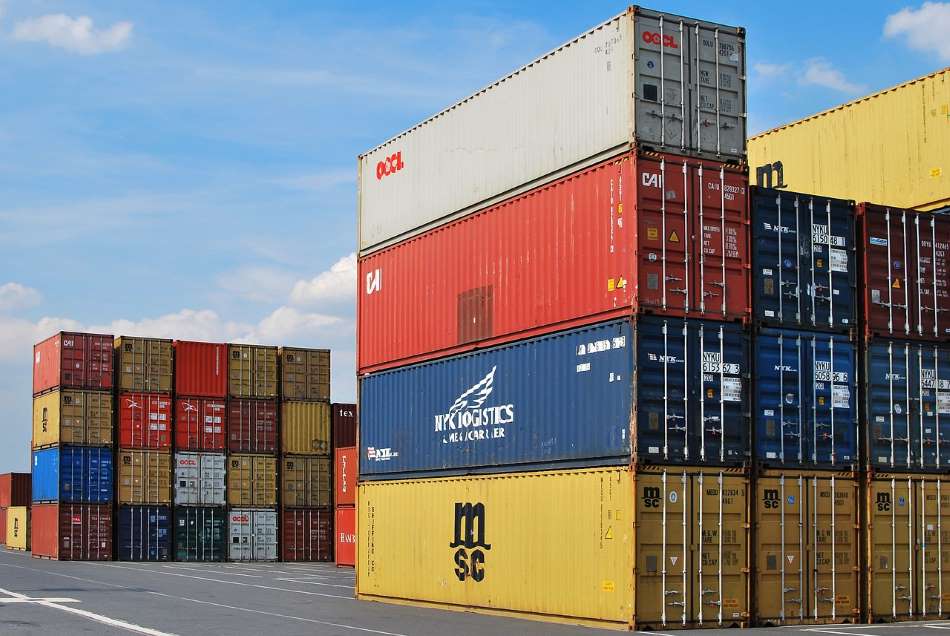
With RMG imports from major sourcing markets of Asia by the US and European Union having drastically declined in the first half of 2023, apparel suppliers are clinging to the hope that sometimes things do get worse before they get better as their current profit margins sink deeper. Just when things were finally shaping up post-pandemic -- despite an economy already under pressure with constant natural disasters, political turmoil, and a volatile global economic scenario- inflation in the cash-rich Western countries has led to apparel exports falling for most Asian suppliers in Bangladesh, Sri Lanka, Pakistan, India, and Vietnam among others.
Bangladesh exports dip
Bangladesh managed to retain second position in apparel shipments to the EU in Jan-Feb 2023 with a 22.75 per cent share of the trade bloc's overall garment imports, coming right after China which has always been the undisputed leader. However although inflation had started to improve in the Western countries, the downtrend has continued with Bangladesh’s apparel exports to the EU falling by 12.69 per cent to €9.06 billion in the first half of 2023 as compared to €10.37 billion in the same time period last year as overall garment demand decreased in the 27-nation economic bloc due to high inflation and lesser fashion shows.
Eurostat data shows knitwear imports of the EU from Bangladesh in January-June of 2023 decreased to €5.38 billion from €6.40 billion in the same period of 2022. Bangladesh’s woven garments exports to the EU in the first half of this year also fell to €3.68 billion from €3.96 billion in the same period of previous year.
Export slump felt in Sri Lanka, Pakistan and India
Although Sri Lankan economy is in recovery mode after hitting rock-bottom, the trade balance expanded in August this year as earnings from merchandise exports fell as a result of a continued decline in apparel exports. Imports during the month remained subdued. The trade deficit in August 2023 expanded to $307 million from $260 million a year ago, however, the cumulative deficit in the trade account during January- August 2023 narrowed to $2,964 million, from $3,889 million recorded over the same period last year. Industrial exports, mainly led by textile and garments sector, fell 9.8 per cent YoY to $871.7 million and it is estimated that Sri Lanka would lose about $1 billion from apparel exports this year compared to last year.
Meanwhile, Pakistan’s textile exports have also gone downhill with a slump of 12 per cent on a year-on-year (YoY) basis as of September 2023 with a $1.35 billion compared to $1.53 billion reported in the same period of last year. According to All Pakistan Textile Mills Association stats, exports slumped 8 per cent on a month-on-month basis as compared to exports of $1.46 billion registered in August 2023. The country is currently in the throes of inflation as the nation reels from high fuel and energy prices.
India too has been greatly affected by the EU and US slowdown as it's textile and apparel exports declined by 13.55 per cent from April to July 2023, amounting to $10,154.83 million. The Ministry of Commerce and Industry data has shown that during the first four months of the current fiscal 2023-24, export of cotton yarn, fabric, made-ups, and handloom products decreased by 8.34 per cent to $3,767.83 million, compared to $4,110.67 million in the previous period.
With the global apparel trade scenario being currently extremely low-key, the cash-rich EU market has also been greatly affected and local manufacturers in Asian countries may now need to focus on alternative global markets rather than single markets to ensure balanced investment plans for a more sustainable economy.
Bangladesh under pressure due to EU's falling apparel imports
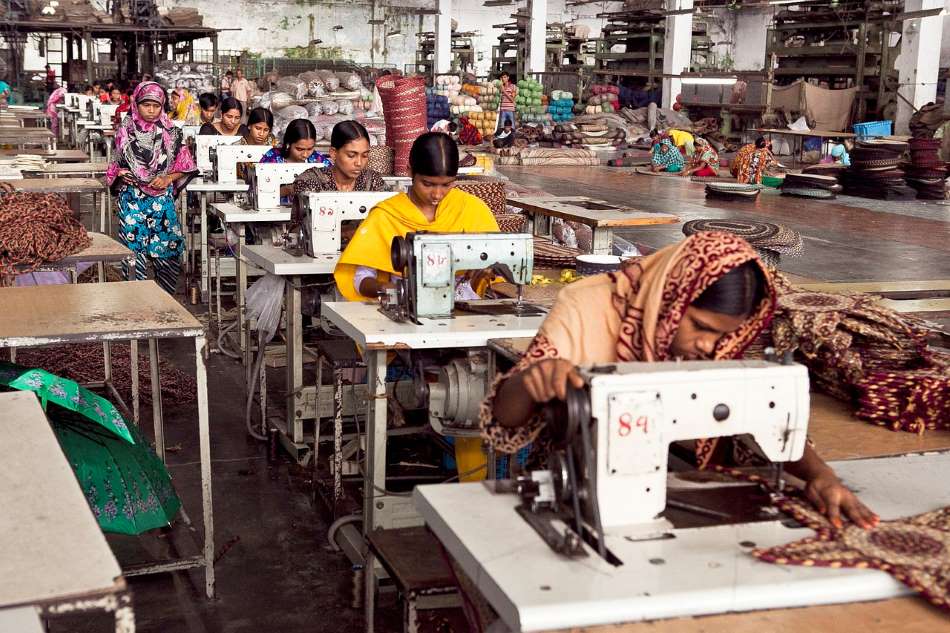
The Bangladesh RMG segment is under a lot of pressure to retain its second position in apparel shipments to the European Union – ranked right after China as the undisputed leader-- even as their current profit margins sink deeper with international clothing brands demanding further discounts to place even small orders and most buyers inquiring but not placing any bulk quantities from their local apparel retailers.
As per European Union’s to official stats, apparel imports from the world has declined 7.44 per cent during the first seven months of 2023 compared to the same period last year, signifying the EU’s import from the world declined to $52.38 billion in January-July 2023 from $56.60 billion in January-July 2022.
Both in quality and quantity, the EU’s clothing import from the world had a rapid slowdown by a massive 12.80 per cent which was down to 2.17 billion kg in Jan-Jul 2023 from 2.49 billion kg in January-July 2022. Although almost all the top 10 apparel-supplying countries to the EU have shown negative growth in both value and quantity, Bangladesh is affected the most as its economy depends a lot on RMG exports.
Bangladesh face run-up to dismal Christmas sales
Having already tackled unsold inventory and faced order cancelations from global brands due to logistics and transportation during Covid years and geo-political tensions due to Russia-Ukraine war, it may well be after the next spring season for the garment shipments to make profits. Consumers in the Western world are facing inflation and unsold old stocks are being brought out again in stores. Thus local garment exporters are not expecting any increase in shipments around Christmas sales. Earlier, nearly 60 per cent of Bangladesh apparel shipments were for the Christmas season - which started in September and continued up to the first week of December- but this year there are fewer work orders at even lower prices to buyers.
Suppliers from across the world face losses
The EU’s imports from Turkey which is the third largest apparel source also declined during the January-July period this year by 10.60 per cent in value term to $6.39 billion in January-July 2023 from $7.15 billion in January-July 2022. Even quantity-wise, there was a sharp decline of 22.52 per cent to 212 million kg of apparel from 273.63 million kg last year. At the same time, imports from India and Vietnam also fell by 5.79 per cent and 1.84 per cent respectively and in terms of quantity, both countries saw a drop decline of 11.49 per cent and 8.99 per cent respectively.
The scenario is the same for other top sourcing countries such as Cambodia, Pakistan, Morocco, Sri Lanka, and Indonesia in the January-July period with a respective decline of 7.20 per cent, 9.81 per cent, 12.59 per cent, 13.72 per cent and 17.56 per cent in value terms. At the same time, the EU’s global import price increased by 6.14 per cent in January-July 2023 while from Bangladesh it increased by 3.24 per cent, even though it cannot compete against the price-competitiveness of Chinese apparel.
However, the fact that Bangladesh has been performing relatively better than other global competitors during this period is not that it has suddenly become the most-preferred destination but more to do with the inflated raw material prices and subsequent hikes in production cost as the value of goods exported rose although overall volume has fallen.
With experts advising a cautious yet optimistic approach for the rest of the year as inflation and economic indicators started stabilizing in major export markets, it may just be a matter of time before things look up again for suppliers.











