FW
Bhandari Hosiery Exports merges with Tikani Exports
The merger is taking place under sections 230 to 234 of the Companies Act, 2013, and other provisions of the Companies Act 2013 (including any statutory modification or re-enactment or amendment thereof) as per the terms and conditions mentioned in the scheme of merger placed before the board. Further, the previously filed scheme was revised due to changes in the fresh valuation report.
Bhandari Hosiery Exports is engaged in fabric dyeing, fabric processing, fabric knitting and the manufacturing of garments and fabrics. Tikani Exports is engaged in fabric dyeing and manufacturing of garments. The consolidation of entities with similar functions would result in operational and administrative efficiencies, optimum utilisation of infrastructure facilities and available resources, reduction in costs by focused operational efforts, rationalization, standardization, simplification of business processes and elimination of duplication of managerial efforts.
Upon the scheme of amalgamation becoming effective, all equity shareholders of Tikani Exports (transferor company) will be allotted equity shares in Bhandari Hosiery Exports (transferee company) in the ratio of 1.7684623 equity shares (having a face value of Rs 1 each) in Bhandari Hosiery Exports for one equity share (having a face value of Rs 10 each) of Tikani Exports.
Resale fashion market to grow in double digits upto 2025
 New resale initiatives and partnerships launched in 2021 have made secondhand fashion an integral part of the industry’s operating model. In recent times, the resale industry raised funds worth $210 million and $60 million through Vestaire Collective and Grailed platforms respectively. Brands Adidas and Yoox Net-a Porter also inked resale partnerships with resale platforms ThredUP and Reflaunt.
Currently, worth $130 billion approximately, the global secondhand fashion market is set to grow in double-digits through 2025, says a Business of Fashion report. Dominated by the US, growth is being boosted by factors like increased consumer demand, untapped growth potential and growing awareness about the resale potential amongst consumers.
Factors driving resale growth
As per BoF Insights’, five factors are currently driving growth of global resale market. These include: increased inventory with better features offered by resale platforms; favorable demographics; reduced stigma attached to secondhand goods; launch of limited edition collections or drops; sustainability.
Around 75 per cent consumers in the US plan to increase investments in resale in coming years the report says. Existing participants are likely to increase purchases or sale of secondhand fashion, accelerating the growth of the US secondhand fashion market in double digits upto 2025. Around 60 per cent general consumers in the US, France, UK and Germany have purchased secondhand fashion before, show consumer surveys from BoF Insights. Only 15 per cent of the surveyed consumers remain unwilling to purchase secondhand fashion, the report indicates.
Concerns impacting market growth
The survey also indicates an increase in investments by consumers on secondhand fashion. As against 5 per cent of their expenditure spent on secondhand fashion in 2016, consumers spent 10 per cent in 2020. However, this was significantly less than their expenditure on automotive and consumer electronic goods.
Further, the survey shows, only 5 to 7 per cent of total fashion inventory in ‘resaleable’ condition is actually being resold by consumers. Some brands showed reluctance to engage with resale due to concerns including cannibalization of firsthand sales. They were also apprehensive about the conduciveness of resale environment. However, they need to cast their apprehensions aside and aid platforms enhance the resale experience.
Sustainability trends driving the apparel market in 2021
The impact of global textile and apparel industry on the planet is not unknown. Global consumption of cotton alone leads to 220 metric tons of carbon emissions besides utilizing 4 per cent of the world’s nitrogen fertilizers reveal studies. Since over 60 per cent of all textiles manufactured across the world are synthetic, and produced mainly from petrochemicals, their impact on the planet is quite alarming. Nevertheless, a TriplePundit report notes, a growing trend of manufacturing sustainable apparel and outdoor gear in the market. According to this report, many brands are launching sustainable products in the market. These include:
Sustainable apparel by Adidas
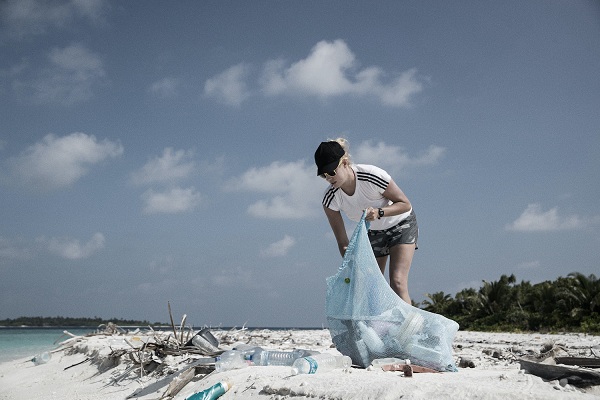
Adidas recently announced plans to incorporate more sustainable materials in its gear by the end of 2021. Moving forward the brand’s apparels will be made with around 60 per cent materials including vegan alternatives to leather, more circular materials and ocean plastic. In 2020, the brand introduced apparels and footwear made with 71 per cent recycled polyester. Around 15 million pairs of shoes contain ocean plastic. The brand has a solid trade record of meeting sustainability targets with its sustainable apparel and gear. In 2022, it plans to make 17 million pairs of shoes with 7,000 tons of plastics collected last year with Parley for the Oceans.
Backpacks from alternative materials
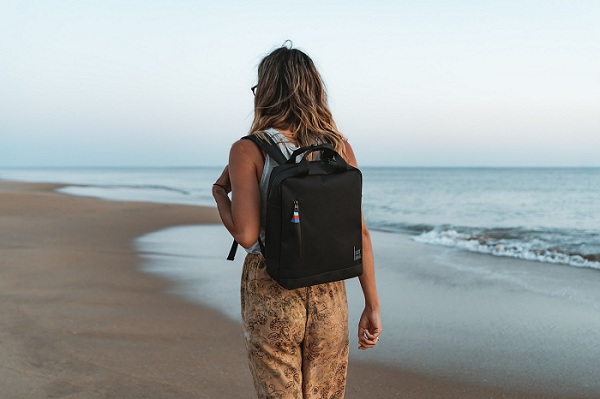
Nowadays, backpacks made with alternative materials are being introduced. For instance, German brand Got bag has introduced backpacks made with fishing nets. Priced at $99, these backpacks are perfect for commuting and travelling alike, says Mary Mazzoni, Senior Editor, 3p’s.
Fjällräven has also introduced the Tree-Kanken backpack. These 16-liter packs are sturdy. They are made with 90 per cent recycled water and eschew chemicals. The material used to make them is derived from spruce and pine trees in Sweden. The fibers used to make them are sourced from FSC-certified forests.
Buyback policy by denim brands
Many popular denim brands are deploying a blue jeans buyback policy. One of the most popular policies involves bringing in an old pair, and gaining a voucher to buy a new pair. Levi’s, Ariat, and Pacsun have introduced this policy. Through such programs, fashion companies aim to develop a strong brand loyalty besides showing they can have a sustainable apparel program
Partnerships can also help fashion brands take on the sustainable apparel challenge. Madewell, long a pioneer with jeans buyback program, has teamed up with online consignment and thrift shop ThredUP, to collect one million pairs of jeans, which otherwise could end up at the local landfill or incinerator, by 2023.
Gen Z drives the surge in thrifting
The sustainable apparel trend could also push the resale market to $80 billion by 2029, says a recent ThreadUp report. The market is being driven by Gen Z shoppers, adds a NPR report. The 1997-ish and later crowd is diverting their investments to sustainable materials. The fashion industry is also responding to these efforts us as evident from the popularity of apps such as Depop, on which Etsy plunked $1.6 billion to acquire earlier this year.
Use of recycled emissions in sports apparels
This summer, Lululemon announced plans to partner LanzaTech to develop yarn and textiles made out of recycled carbon emissions. This will help the company capture carbon from various feedstock, including synthetic gas, industrial emissions from industries such as steel, agricultural byproducts and household waste. The company has developed certain microorganisms that transform these carbon molecules into ethanol and other base ingredients that will eventually become fabric.
Focus on regenerative agriculture by Timberland
An early adopter of sustainability in apparels, Timberland alongwith its parent company VF Corporation has launched the first regenerative rubber supply system in the apparel industry. Aimed at bringing more clarity to the role of organic practices in regenerative agriculture, the new initiative will provide consumers an opportunity to contribute to a more sustainable supply chain.
A part and parcel of Timberland’s goal of sourcing 100 per cent of its natural materials from regenerative agriculture by 2030, the initiative will provide Timberland with significant leverage over the extent to which organic and regenerative farming can become similar.
Nisolo launches sustainability facts label
Ethical fashion brand Nisolo has launched the Sustainability Facts Label that shows the impact each product has on the planet and on the people who manufacture the product. Nisolo’s Sustainability Facts Label will be attached to each Nisolo product. Each label includes a QR code that, when scanned, links to 200 data points that show how the product scored for people and planet. The hope is that this will allow customers to better understand the impact of the products they buy. The company hopes the breadth, depth, and simplicity of the Sustainability Facts Label becomes the bare minimum for sustainability and the floor for future labels to be built upon.
Nisolo is a disruptive, socially and environmentally conscious lifestyle brand creating value for consumers and producers in the fashion space. Based in the US and founded in 2011 Nisolo provides handmade leather products intended to push the fashion industry in a more sustainable direction. Its leather products and accessories include shoes, belts, bags, and bracelets which are sourced from local craftsmen. Greenwashing by fashion brands threatens progress toward sustainability in the industry. Less than five per cent of people who make clothing globally are paid a living wage.
Nike’s Q2 revenue up one per cent
Nike’s revenue rose one per cent in the second quarter. The company expects a low single-digit rise in third-quarter revenue but is confident of easing supply chain issues in its next fiscal year. Nike’s second quarter sales in North America, its largest market, jumped 12 per cent as a reopening US economy and the roll out of vaccines gave people the confidence to rush back to stores and splurge on sneakers for running and hiking.
Its direct-to-consumer business had record Black Friday sales in North America despite supply constraints heading into the holiday season due to months-long factory closures in Vietnam, where about half of all Nike footwear is manufactured. Those supply issues and fresh Covid lockdowns led to a 20 per cent fall in Nike’s revenue in Greater China in the second quarter. Nike’s weekly footwear and apparel production is at roughly 80 per cent of pre-closure volumes at its now fully open factories in Vietnam. The closures caused Nike to cancel production of roughly 130 million units.
Covid continues to impact the global supply chain and create transportation disturbances. Like Nike, German groups Adidas and Puma are dealing with closures at their Vietnamese suppliers’ factories in recent months and with difficulties in shipping goods from Asia to the rest of the world.
Nigeria’s cotton exports to the world on the decline
Nigeria’s cotton exports have been on the decline since 2016. This was mainly due to lack of supportive policies and critical infrastructure for growth of the sector. The overall performance of the industry has been in crisis. As per the International Trade Centre(ITC)’s Trade Map Nigeria exported cotton worth $7,037,000 in 2018 which dropped to $5,597,000 in 2020. Most cotton grown in Nigeria is done by smallholder farmers, each with less than 10 hectares land. Since 2016, Portugal has been the largest importer of cotton from Nigeria. Pakistan imported no cotton from Nigeria in 2016 and 2017. Vietnam imported no cotton from Nigeria in 2016 and 2018.
Right now, Benin, Burkina Faso, Chad and Mali, are Africa’s four major cotton-producing countries. West Africa is the world’s sixth largest cotton producing region, with Benin, Côte d’Ivoire and Burkina Faso some of the largest cotton producing countries. Establishing a garment supply chain in the region can boost the industry’s value by as much as 600 per cent. This would involve building capacity along the entire supply chain: spinning cotton into yarn, weaving yarn into fabric, and dyeing, printing and designing finished clothing. To this end, efforts are being made to bolster the supply chain and increase processing capabilities across West Africa.
Cotton is a commercial crop grown mainly for its fiber or lint and is commonly used in the textile industry. The cash crop generates income and welfare for over 250 million farmers across the globe.
Nike to sell NFTs for digital expansion
Nike is looking to further expand the digital side of its business by tapping into emerging technologies such as nonfungible tokens or NFTs. The tokens are essentially digital deeds that verify the authenticity of the items they represent as unique. Nike also wants to sell NFTs of its sneakers, clothing and other goods stamped with its swoosh logo.
Nike has long dominated the scarcity model in the physical world by selling limited quantities of exclusive items and hyping their uniqueness. So Nike sees much white space to conquer in the digital realm as well. The apparel-and-sneaker seller has spent years beefing up its digital business by launching apps which offer users access to exclusive items and events. The digital investments have been a boon for Nike’s sales.
Overall, Nike’s net sales through online channels have outpaced sales through bricks-and-mortar stores for more than a year. Nike may also release real-world exclusives with NFTs and the tokens could be traded via digital marketplaces. Owners of the NFTs can request to have their virtual sneakers made into real ones. A range of fashion and other consumer goods companies are racing to claim footholds in virtual worlds where people are expected to learn, work, shop and be entertained.
Bangladesh cotton imports may fall in the short run
Bangladesh’s cotton imports may fall in the current marketing year. Spinners may be inclined to use more cotton from their stock instead of imports as cotton prices are shooting up. In the report USDA said cotton imports in Bangladesh may fall to 8.2 million bales in the MY22 from 8.75 million in the MY21. However domestic cotton consumption has risen by 23 per cent. After facing the blow of pandemic, readymade garment exports from Bangladesh increased by 28 per cent in the first 10 months of 2021. Orders from Bangladesh increased as production was hindered in China and Vietnam. The rising trend may continue for the next couple of months increasing cotton consumption.
As per Textile Mills Association (BTMA) chief executive officer Monsoor Ahmed many spinning mills are in the process of expansion with the rise in garment exports. This may reverse the trend of falling imports. Bangladesh’s spinning industry is heavily dependent on imported cotton. Many factories are now making new investments in setting up spinning facilities because of growing demand for yarns in Bangladesh, leading to the inclusion of about two million new spindles to the existing production capacity in the next two years. So the country will have to import an additional two million bales of cotton. The United States for one is looking to increase its cotton exports to Bangladesh. Bangladesh is the world’s second largest importer of cotton, a key clothing raw material.
Netherlands to help boost Morocco’s textiles sector
The Netherlands will help Morocco in supporting 35 textile businesses and helping them expand operations in Central and Northern Europe through increased imports over a period of five years as per a new deal between the Moroccan Association for Textile Manufacturing (AMITH) and Netherlands’ Agency for Promoting Imports from Developing Countries (CBI) to support 35 textile businesses and help them expand operations. The program aims at creating networking channels between Moroccan textile suppliers and European textile retailers. The 35 textile businesses chosen for the program will go through a rigorous candidacy process based on expertise and their Corporate Social Responsibility.
Clothing and textile are a primary importing sector in Morocco. Textile and clothing exports make up 15 per cent of Morocco’s industrial GDP. The textile sector is of strategic importance to Morocco’s efforts to emerge as an industrial and exporting hub. While Spain and France remain Morocco’s major trading partners, the North African country is now redirecting its marketing efforts worldwide, attracting investments and cultivating partnerships with major actors in the automobile and aeronautical sector established in Morocco.
The country is making intensive efforts to become a continental leader and a gateway to African markets. In addition to its marketing efforts, Morocco has established in recent years major industrial zones and enacted major infrastructure projects to enhance the attractiveness of the country as an investment destination. Several brands from the European Union, the UK and the US have been sealing deals with Moroccan companies in the textile industry.
US apparel imports remained unstable in 2021, likely to dip further this year: Report
Though the value of US apparel imports registered a 2.4 per cent increase in October 2021 from previous month and 20.3 per cent from year ago, it is likely to decline in the subsequent months of 2021 due to the seasonal nature of imports. As per a Shenglu Fashion report, the value of US apparel imports is likely to remain in the range of19.9 per cent-24.5 per cent this year.
OTEXA figures reveal so far in 2021, US apparel imports remained unstable due to the uncertainties and disruptions caused by COVID-19 and the shipping crisis. They have grown between 13.1 per cent in May to 17.6 per cent in July, compelling fashion companies to focus on inventory planning and supply chain management. Companies are likely to continue to remain challenged by the new Omicron variant.
Limited production capacity elsewhere has resulted in Asian countries remaining the dominant sourcing base for US fashion companies. However, due to COVID-lockdowns in Vietnam and Bangladesh, the market share of Asian countries’ fell from 74.2 per cent in 2020 to 71.3 per cent in July 2021. However, it rebounded in October 2021 as US apparel imports from Asian countries surged 74.8 per cent.
China to remain dominant sourcing base
China continues to remain one of the essential sourcing bases for US fashion companies in the current business environment. It remained the largest supplier in October 2021, accounting for 41.0 per cent of total US apparel imports in quantity and 27.1 per cent in value. China supplied the most diverse range of products to the US market during the month compared to other competitors like Bangladesh, Mexico, and CAFTA-DR members.
Yet, as shown by the HHI index and market concentration ratios (CR3 and CR5), the US fashion companies continue to move apparel sourcing orders from China to other Asian countries. As against 27 per cent in 2018, they now source only 15 per cent cotton apparels from China. Only around 10 per cent of their total sourcing value or volume is from China compared to over 30 per cent in the past. US companies continue to reconsider China sourcing strategies to avoid potential high-impact disruptions due to growing tensions between US-China relations and the looming new US legislation targeting products made by forced labor.
Near-sourcing to increase
US fashion companies prefer near sourcing from the Western Hemisphere now, especially CAFTA-DR members. From January-October 2021, they sourced around 17.3 per cent of their apparels needs from the Western Hemisphere, which is 16.1 per cent more from that sourced in 2020. The share of CAFTA-DR members’ market shares during this period increased to 10.6 per cent in 2021 from 9.6 per cent in 2020. The value of US apparel imports from CAFTA-DR also increased 41.9 per cent growth during the period. Imports from El Salvador, Honduras and Guatemala grew particularly fast during these months. However, companies hesitate to permanently shift their sourcing bases to this region due to the political instability in some Central American countries like Nicaragua and Haiti.
From January to October 2021, there was a notable increase in prices of US apparel imports. The unit price of US apparel imports from almost all leading sources surged over 10 per cent during this period. Pressures of these rising costs are unlikely to ease anytime soon.