FW
Maharashtra to drive textile growth by combining natural advantages with regulatory support
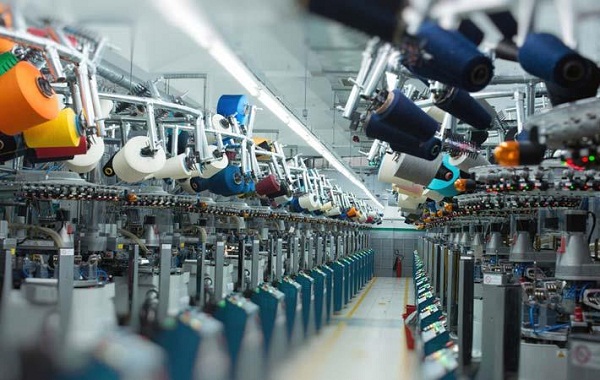
Over the years, Maharashtra has emerged as one of India’s major textiles powerhouse with 10.4 per cent of the country’s total textile and apparel production. As per an Outlook India report, the state accounts for 12 per cent of India’s total yarn production. It also holds India’s 17 per cent spindles capacity with around 1.66 million spindles in total.
Easy availability of raw materials, skilled manpower and lower production costs has helped Maharashtra emerge a key stakeholder and growth driver of India’s textile industry. Besides having largest area under cotton acreage, the state also has the largest number of skilled workers in the country. Equipped with required infrastructure and skills, leading textile clusters in the state including Mumbai have emerged major export hubs. The state’s robust textile policies also enhance its climatic, demographic, and geographic advantages.
New policy to focus on sustainable textile production
Attracting investments worth Rs 20 crore, Maharashtra Textile Policy 2011-17 made the concept of fiber to fashion a reality. The policy helped generate 3 lakh new employment opportunities. The new textile policy 2018-23 has set a more ambitious target of creating employment for 10 lakh new workers in the next 5 years and attracting investments worth Rs 36,000 crore.
The aim is to strengthen India’s cotton, silk and wool production and also production of non-conventional yarns in the country. It will also promote skill development and research in the sector besides emphasizing on sustainable production techniques and green energy use. Another of the policy’s focus will be filling the gap between the theoretical and practical aspects of textile education by setting up a textile-focused university for innovation and research and developing projects in agricultural universities.
Capital subsidies for minorities
The new textile policy will also provide power tariffs and capital subsidies for minority categories. It will grant various benefits to women through programs dedicated to developing and supporting women entrepreneurs. The policy also makes a provision for setting up a Textile Development Fund to counteract hassles in funding. The fund will be collected from government equities, selling lands belonging to the textile department, and textile enterprises benefitting from government schemes and subsidies. The textile ministry will also form a vigilance and controlling committee for verifying textile projects to complement the scheme. All these measures are expected to make the state’s textile industry more comprehensive and inclusive and enable it compete globally.
New schemes to boost market position
Maharashtra has great capacity to manufacture fashion and garment products for the foreign markets. The state has set up several textile parks in Nagpur, Dhule, Ambernath and Amravati to boost production and encourage exports. The Amravati textile has emerged one of Maharashtra key textile clusters and a focal point for realization of the state's goals. The city boasts of 24 textile parks being developed by major units. The state government also plans to offer plug-and-play infrastructure in 4,000 acres across Amravati and Nagpur. The facilities will be granted under the Magnetic Maharashtra 2.0 Initiatives launched by the state. They will also include irrigation facilities and setting up cotton processing units in these areas.
For long, Maharashtra has served as a major incubator for India’s textile culture and industries. The state is now geared up to boost its position through the new schemes and policies introduced by the government. It aims to emerge as an ideal location for textile players by combing natural advantages with forward-looking regulatory support.
Swimwear gains traction in the US: Data
As pandemic subsides in the US and consumers go for the much-needed travelling break, swimwear has gained immense attention
According to the latest official custom data of US, the country imported $1.09 billion worth of swimwear products in 2021, growing by 33.28 per cent on Y-o-Y basis.
US has also recorded a 1.87 per cent rise in swimwear imports during the year with China topping the tally with an export turnover of $ 338.56 million in the US market, noting 33 per cent Y-o-Y growth. However, China lost big share as compared to 2019 when it exported US $ 461.28 million worth of swimwear to the USA.
On one hand, China declined big time, while Vietnam, on the other hand, seemed to have grabbed China’s share…The South East Asian country clocked $300.86 million in its swimwear exports to the US in 2021, as compared to just $ 227.77 million export values earned during 2019.
Bangladesh too impressed the export fraternity with its sturdy performance in swimwear category. The country shipped swimwear worth $40.86 million to the US in 2021, growing by 48.61 per cent on yearly note and by 146 per cent over 2019.
Pakistan’s textile exports surge by 25% in 7M FY22: PBS
Pakistan’s exports of textile products witnessed sharp increase of 25 per cent to $11 billion during first seven months (July – January) 2021/2022 7MFY22, according to data of the Pakistan Bureau of Statistics (PBS) released on Wednesday.
The exports of textile products were $8.76 billion in the same months of the last fiscal year.
In Pak Rupee (PKR) terms, the same has clocked in at Rs1,861 billion, up 30 per cent YoY due to 4 per cent currency devaluation, analysts at Topline Securities said.
During 7MFY22, key export driver was increase in value-added exports where knitwear segment contributed the most as it increased by 33 per cent YoY to $2.9 billion followed by Ready-made garments (+22 per cent YoY to $2.2 billion) and Bedwear (+19 per cent YoY to $1.9 billion) exports, respectively.
On MoM basis, Pakistan textile exports is down 4 per cent to $1.5 billion in Jan-2022, led by lower value-added exports segments mainly in Knitwear (down 12 per cent MoM) and Ready-made garments (down 4 per cent MoM) respectively.
Compared to last year, Pakistan textile exports are up by 17 per cent YoY (29 per cent YoY up in PKR terms) in Jan-22 led by significant recovery witnessed in value-added segments, largely in knitwear (up 19 per cent YoY), Ready-made (up 17 per cent YoY) and Bedwear (up 21 per cent YoY).
Increased volumetric growth and improved pricing were the key drivers resulting in higher exports.
Prices of Cotton, PSF and VSF rise after Chinese Lunar New Year holiday
The prices of Cotton, PSF and VSF prices have increased after the Chinese Lunar New Year holiday. However, as per a CCF Group report, these prices vary greatly as there are no big differences in cotton and rayon grey fabric sales after the holiday.
The mainstream price of VSF has gained by more than 1,000yuan/mt to 13,000yuan/mt since New Year's Day while that of cotton 3128 has also risen from 22,300yuan/mt to 23,000yuan/mt. The prices of cotton yarn have also increased by 1,000yuan/mt after the holiday, while the latter is just quoted up by 300-500yuan/mt and there is even smaller growth of trading price. The prices of C32S has risen from 28,500yuan/mt to 29,700yuan/mt, while that of R32S have surged from 18,000yuan/mt to 18,300yuan/mt.
To conclude, the prices of grey fabrics have not thoroughly recovered as trades of the commodity remain limited. The prices of cotton yarns have surged higher due to a rise in demand,
Continue source and corporate tax rates for five years: BGMEA
In its draft proposal for the financial year 2022-23, Bangladesh Garment Manufacturers and Exporters Association (BGMEA) demanded continuation of the existing source and corporate tax rates for another five year to help the industry cope with emerging challenges. The current source tax is 0.50 per cent while the corporate tax is 10 per cent and 12 per cent for green and other garment factories respectively. The industry is facing a number of problems like liquidity, second COVID-19 wave and new virus variants. It will have to invest a huge amount of money for remediation and retrofitting of factories, says BGMEA.
The industry is facing challenges like a 2.22 per cent decline in prices, increase in production costs and freight and other utility changes. It is also facing an erosion of duty benefits in major markets like the EU. To help the sector face these challenges, the current source and corporate tax rates need to be maintained. Value added taxes for subcontracting factories also need to be withdrawn in addition to the existing 10 per cent advance income tax on cash incentives given by the government against export earnings.
BGMEA also demanded a waiver of the VAT facility, relaxation of the provision of mandatory inclusion of harmonized system of codes in bond licence in releasing imported raw materials under the bonded facilities. The BGMEA also proposed allowing import of industrial racking system, industrial thermostat dehumidifier and other safety equipment with a reduced tax rate to secure more global orders, arguing that the buyers are putting pressure to install the system.
Vietnam’s apparel exports to rise 7.4 per cent
Despite surging COVID-19 cases, Vietnam's apparel exports are expected to rise by 7.4 per cent this year to $43.5 billion as factories continued production. The country recently lifted most of its COVID-19 restrictions as it expects a milder impact on the garment and textile industry owning to a high vaccination rate, says Troung Van Cam, Vice Chairman, Vietnam Textile and Apparel Association.
Vietnam does not intend to impose new lockdowns despite recording 31,800 new COVID infections as most of its apparel workers have now being vaccinated. The country has managed to restrict supply chain disruptions due to its flexible policies to tackle the pandemic and restore business. The tourism ministry has proposed fully reopening the country to foreign tourists from March 15, three months earlier than planned.
Cotton On Kids partners Cotton Australia for new collection
Cotton on Kids has partnered with Cotton Australia to launch a new range that recognizes the quality of Australian-grown cotton and consider it among the best and most sustainable in the world. As per a Textile Today report, the kid’s wear brand has committed to using quality Australian cotton to produce more than four million items of children’s clothing. It tells stories of two cotton farming families from Emerald in Queensland’s Central Highlands regions.
The new range launched by Cotton On Kids features cotton grown in the brand’s backyard. The brand is a perfect match for Australian cotton as it has a long-term plan to grow yarns and fabrics sustainably by trusted farmers.
Besides that, Aaron and Carly Kiely along with Laine and Lucy Thomson, and their children, will feature in a series of in-store and online promotional material connecting consumers with where their cotton clothing started out in the field.
Crocs’ revenues to grow to $6 billion by 2026
Revenue of US footwear company Crocs, are expected to touch $6 billion by 2026. The company’s revenues grew by 66.9 per cent to $2.3 billion in 2021 as sales surged across all geographic zones. Sales of the Broomfield, Colorado-based company grew 85.9 per cent to reach $1.6 billion in its native Americas market on a constant currency basis, while revenues in Asia Pacific grew by 21.5 per cent to $350.2 million. Revenues from Europe, Middle East, and Africa grew by 41.7 per cent to $356.2 million in 2021.
Revenue from the direct-to-consumer channel grew 64.4 per cent to $1.1 billion compared to $693 million last year. On the other hand, revenue from the wholesale channel grew 69.4 per cent to $692.9 million in 2020. Digital sales grew 47.6 per cent in 2021 while net income grew to $725.7 million for the year, compared to $312.9 million in 2020. Diluted earnings per share increased by 149.8 per cent to $11.39 per share.
The company revenues grew by 42.6 per cent in fourth-quarter to $586.6 million. The growth was fuelled by a continued strong demand from consumers. The company expects the acquisition of Heydude to complete. Both Heydude and Crocs brands will contribute to the company's total sales growth targets in the next four years.
Australian wool prices to rise as workers return to office
Prices of Australian wool are forecast to rise as workers return to office again, shows a new report by agricultural bank Rabobank. Demand for office wear will revive driving wool prices further, adds the report Dennis Voznesenki, Agricultural Analysts, Robobank, says, imports of woolen suits have returned to pre-pandemic levels in France. The bank forecasts the Australian benchmark merino wool price will trade, on average, between $13.50 and $15 per kg in 2022, up seven per cent on the 2021 average.
Government data shows Australia’s import of wool increased 39 per cent to 317 million kg of during the January to November 2021 period. Peter Morgan, Executive Director, Australian Council of Wool Exporters and Processors, says, the wool sector is still reeling from the initial 'kick in the guts' as a result of the pandemic.
Environmentalists and new graduates setting new green factories in China
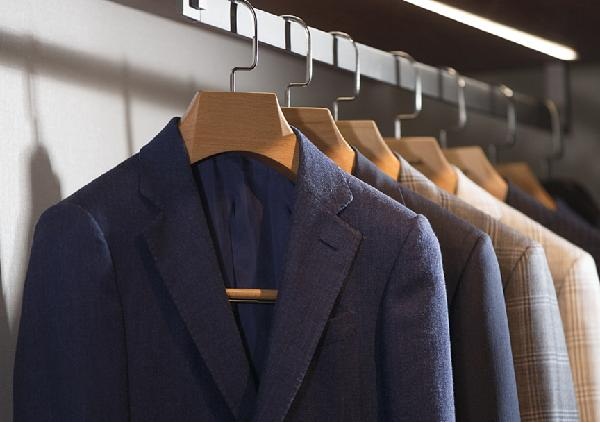
In the first 10months of 2021, China's textile and garment exports exceeded $256 million in value. Local researchers also focused on making the industry greener during this time.
High demand for waste process techniques
Known to create 92 million tons of waste globally, China’s textile industry is not environmentally friendly, says a China Global Textile News report. The industry is seeing high demand for waste process techniques, especially after China tightened laws for discharge of textile waste, adds Wang Bijia, Associate Professor, College of Chemistry, Chemical Engineering & Biotechnology, Donghua University. It is looking for alternative techniques for waterless dyeing and processing, he adds.
Bijia has already applied his recent continuous processing techniques for knitted fabrics to a demonstration line in a factory in Shandong. The new technology helped save 70 per cent of the factory's water usage and 65 per cent of the electrolytes in the water. China was the largest exporter of textile and clothing products in 2019, as per IKAR data analysis. It had about 24,000 companies in the business till the year. This makes achieving sustainability in the industry challenging. However, the sector is attracting many environmental professionals and new graduates to return home and establish their own companies in the country.
Apply advanced techniques to textile manufacturing
A group of Chinese graduates from Europe have set up Peersphere for developing 100 per cent new biodegradable materials from seaweed. The new material can serve as an alternative for animal leather. The company sees good prospects for its technologies in China, says Cheng Hanwen, Partner. It won the first prize at Kering Generation Award in 2021 for sustainable development in clothing industry. Plans are to use the €100,000 prize money to expand and look for more manufacturing partners.
Cai Jinging, President, Kering-Greater China says, the company was encouraged by the outpouring enthusiasm and participation from the entrepreneurs and startups at the awards. She expects young entrepreneurs educated in top universities overseas to come back and set up companies in China. Such startups will not only be introduced to industry leaders but also provided funds and other amenities, adds Jinging.
Shi Dinghuan, Chairman-Experts Committee, Energy Investment Professional Committee, Investment Association of China, notes, China should learn from European countries and start applying advanced clean technologies in textile manufacturing. The committee is now working to form standards for zero-carbon industrial parks and companies. These standards will guide companies to formulate plans and find appropriate technologies, adds Dhinghuan.