


FW
Online fast fashion giant face challenges with decline in consumer interest
A new study from MediaVision shows, online fast fashion giants are facing challenges with interest in online fast fashion declining as shoppers return to high street and shop for secondhand alternatives. The study uses Digital Demand Tracker Tool to analyze data from AdWords and Google Trends. The analysis show, volume of brand searches for secondhand clothing retailer Preworn has jumped 344 per cent, while search for resale marketplace Vinted surged 62 per cent in the past six months. Searches for Vestiaire Collective have increased 17 per cent.
During this period online searches for ASOS-owned Topshop declined 60 per cent with searches for MissPap declining 45 per cent, says MediaVision. The search volumes for Missguided have fallen 21 per cent since the start of the year. At the same time, consumers have been looking for indie brands with search for partywear label Lavish Alice increasing 182 per cent. Search for never fully dressed increased 72 per cent and for Revolve by 71 per cent. Searches surged by 28 per cent for Coach and 23 per cent for Net-A-Porter, while searches for Agent Provcateur fell 22 per cent and for Brand Alley 36 per cent.
The analysis also found a significant increase in search for high street presence. For instance, searches for Moss Bros increased 127 per cent while search for Dune increased 100 per cent and for Phase Eight by 81 per cent.
US sportswear market to grow at 6% CAGR
A report by GlobalData Plc says, the US sportswear market is expected to grow at over at 6 per cent CAGR during the forecast period of 2020-25. Titled, ‘The United States of America (USA) Sportswear Market Size and Analytics’ by category (apparel, footwear accessories), segments (gender, positioning, activity, retail channel and key brands 2020-25), the report estimates, the US sportswear market reached $126.1 billion in 2020 with sports clothing accounting for the largest share in the growth. Clothing, footwear and accessories specialists were the leading distribution channel in the US sportswear market in 2020, followed by other online retailers and online specialists. Nike led overall sportswear market in 2020 followed by adidas and Under Armour,
During the forecast period, offline purchases are expected to dominate US’s sportswear market. Women’s sports clothing segment will grow over 6 per cent by 2025. Men’s footwear sales will be dominated by trainers but shoes and boots will emerge as the fastest growing category.
Rising polyester demand opens great opportunities for Indonesia
Data from Bridge Market Research suggests, polyester market is expected to grow at a CAGR of 8.7 per cent from 2022-29. Global polyester use opens up great opportunities for local Indonesian market to participate in the development and use of the material. As per an Indo Textiles report, the Indonesian textile industry currently uses polyester for various finished products such as printed futsal jersey that is made by combining polyester with nylon and spandex.
As polyester is hydrophobic and dries quickly, it is highly resistant to molding and wrinkling. Compared to other textile materials like cotton, polyester is also more resistant to AUS (Abrasion Resistant Steel). Additionally, polyester retains its shape even in bad weather and can be used as hollow fibers. This enables it to be used in the manufacturing of convection uniforms.
Italian denim brand C&S forays into luxury segment with Texo acquisition
The Italian denim and streetwear manufacturer C&S is foraying into the luxury segment. The 40-year-old company has acquired Italian luxury denim and outerwear manufacturer Texo SRL As per a Textile Today report, C&S is increasingly establishing itself as a partner for jackets, shirts, outerwear and denim for brands like Haikure, Jeckerson and Purple. It has a state-of-the-art laboratory that provides prototyping and sampling services to designers besides giving them an access to a consultancy team for product development, trade and marketing strategies.
Texo’s addition strengthens C&S’ research and production solution division called Style Services Luxe. It also strengthen’s C&S’ relationship with domestic brands. Further, it helps the company establish itself as a special partner for the most important luxury brands.
MarediModa to return to physical edition after two-year gap
MarediModa will return to its physical edition from July 17-19, 2022 in Maimi after a gap of two years. The beachwear event will present the European collections to buyers from South and North America. It will showcase collections of fabrics and accessories from Italy, France, Spain and Germany. Elegant and sophisticated plain fabrics with unique and iconic prints in bright and fresh colors alongwith laminated and metallic fabrics, lace, embroidery, precious finishes, hi-tech and sustainable fabrics will be showcased. The event will bring together all fabric and accessories producers alongwith an Italian private label manufacturer. Visitors will be granted free of charge access both to the Trend Book S/S 2024 and the video by trend forecaster David Shah.
Bangladesh apparel exports grow 50% this year
Shrugging of inflationary pressures in the US and Europe, Bangladesh’s apparel exports grew 50 per cent this year to $3.52 billion – in the first 27 days of June. As per a Textile Intelligence report, the sector also recorded over 1,200 per cent year-on-year growth in a single day during the period though exports declined by 39 per cent in three days out of 27 days, as per Bangladesh Garment Manufacturers and Exporters Association (BGMEA). The data was calculated on the basis on data provided by the National Board of Revenue.
From July-May, FY22, readymade garments exports grew 35 per cent growth to $38.52 billion compared to the same period last year, shows EPB data. Faruque Hassan, President, BGMEA says, the trend may continue in the next two months. He warns, next year might be tough for the industry due to rising inflation and recession as buyers are shying away from placing new orders. He hopes, the industry will grow 36 per cent this year and maintain growth next year.
Fazlul Hoque, Former President, Bangladesh Knitwear Manufacturers and Exporters Association (BKMEA) says, the apparel industry is benefitting from excess orders shipment owing to increased global demand. Apparel exports will return to regular trend as Eid Ul Adha will affect exports, he adds. Some buying houses confirm a drop in orders from the US and EU. Orders from Japan and South Korea have remained the same until now, they add.
Ashikur Rahman Tuhin, Managing Director, TAD Group and a Former Director, BGMEA adds, though global inflation might affect apparel exports, they have a chance to bounce back during next Christmas.
Textile Association India to host Textile 4.0 conference focusing on digitalization
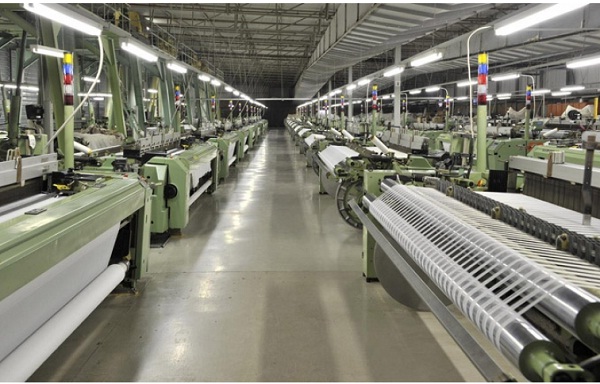
Digitalization has gained newfound importance for textile machinery manufacturers, especially in the aftermath of the pandemic that forced physical outlets to shut operations. In times like these, digital services enable them to continue business operations smoothly.
Many global textile machinery manufacturers have already adapted digitization and digitalization. Principles of Industry 4.0 are being applied in textile technology and textile manufacturing sectors across the value chain in spinning, weaving, processing and garmenting. The upcoming conference: ‘Digitalization – A Step Towards Textile 4.0’, aims to map the industry’s journey towards digitalization.
Focus on industry transformation
To be organized by Textile Association (India), Mumbai, on October 14, 2022, the conference will elaborate on the transformation of global textile business through digitization digitalization and digital transformation. It will dwell on challenges faced by the industry in the digital market and identify feasible solutions. The topics to be covered include:
● How digitalization affects the textile industry
● Impact of digitization on textile manufacturing operations
● Digitalization in the garment industry
● Robotics in garment Industry
● Artificial Intelligence in textile & garment industry
● Textile industry, a digital step ahead
● Modern textile process automation
● Software applications for textile process automation
●AI and supportive techniques in textile & garment manufacturing
The first textile conference in Asia on this topic and second in the world, the conference will be attended by distinguished speakers who will simplify the topic for visitors. The conference will be addressed by around 500 policy makers, reputed textile professionals and renowned technology experts from different parts of the world and India.
Indian brands give new life to discarded garments with upcycling
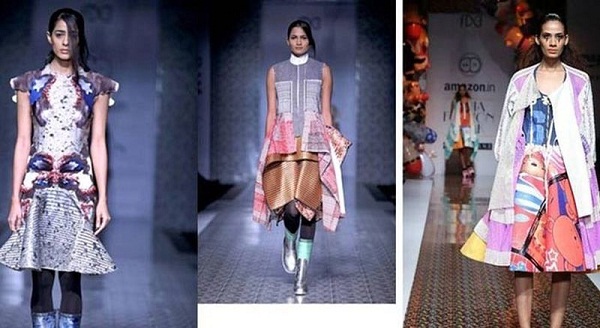
Ellen McArthur Foundation estimates on an average, Americans throws away 37 kg pounds of clothes every year. Around 85 per cent of the garments produced in the country are either thrown away in landfills, or burned causing massive air pollution. Around 95 per cent of total discarded clothing and textile waste can be repurposed or recycled. However, the fashion industry fails to achieve this.
The problem has been compounded by the disposable nature of fast fashion. From 2000 to 2015, global clothing production doubled, says WRAP, while the number of times people wore a garment item fell by 36 per cent as big brands launched hundreds of low-priced affordable garments every year.
Upcycles gives new life to discarded garments
Rising consumer awareness has led to brands and companies embracing the circular economy concept. Upcyling has gained newfound importance with the process giving discarded garments new life by fixing errors. Upcycling helps consumers reuse garments creatively and repair pre-owned clothes. Upcycled garments are more environment-friendly as they consume less energy, water and chemicals. They also release fewer gas emissions compared to recycled garments. Various post-consumer upcycling initiatives and take-back schemes have been launched by international brands.
The increase in sustainable practices is encouraging brands and retailers to introduce new upcycling methods. Brands like Re/Done; Urban Outfitters, Asos and Zara have launched upcycling initiatives.
Brand launch initiatives galore
Brands are embracing upcycling initiatives with renewed enthusiasm and vigor. For instance, sustainable fashion brand Doodlage launched a 100 per cent upcycled or recycled collection so has other brands including Bengaluru-based ethical fashion brand Pomogrenade, Gujarat-based label RaasLeela, The Second Life, Patch over Patch, etc.
There is also an increase in the number of knowledge sharing platforms addressing the sustainable fashion needs. Latest Apparel Sourcing Week 2022, in Bengaluru dug deeper into upcycling by focusing on issues like using fashion deadstock to reduce waste, introduce multi-stakeholder marketplaces to address the issue, increase transparency between stakeholders, etc. Realizing the value of sustainability in the new informed world, consumers in India are opting to buy from eco-friendly and sustainable fashion brands.
Emergence of new brands
Also, many new sustainable fashion brands have come up. Sustainable brand The Summer House’s platform Relove provides customers an option to buy and sell verified secondhand garments, giving more scope to upcycling. Industry veterans like Naresh Tyagi from Aditya Birla Fashion and Retail; Kaustubh Korde from Myntra; Ruchita Chhabra from The Sourcery; Shailesh Kumar Sharma from SGS; Ajay Ravuri from Arvind; Suvidha Chopra from adidas; Prasad Pant from ZDHC; and others are setting new benchmarks by effortlessly establishing upcycling as the next big thing.
As Vietnam moves ahead in T&A exports, Aurora IP will add to its growth story
Having grown in leaps and bounds over the last few years, Vietnam’s textile and garment industry has become an integral part of the global supply chain. In 2021, Vietnam became the world’s second largest textile and garment exporter overtaking Bangladesh. It exported textiles and garments worth $39 billion in 2021, nearly 12 per cent more than 2020, says the Vietnam Textile and Apparel Association.
FDI grows 7.8% Y-o-Y
While other textile manufacturing companies are struggling to deal with COVID-19 losses and drop in exports, Vietnam has become a bright spot in the global industry. As per a Global News Wire report, foreign direct investment in Vietnam is grew 7.8 per cent Y-o-Y with $4.42 billion investment disbursed in the first three months of 2022.
Vietnam’s textiles and garments sector is attracting the most FDI as traditional large-scale manufacturers like China, Japan, the Republic of Korea and Taiwan have reduced production in recent years. Vietnam is fast emerging an alternative apparel sourcing destination to China. The Nam Dinh province in the country is introducing new policies to support industrial real estate developers, leading to the setting up of new industrial parks in the province.
Boosting real estate development
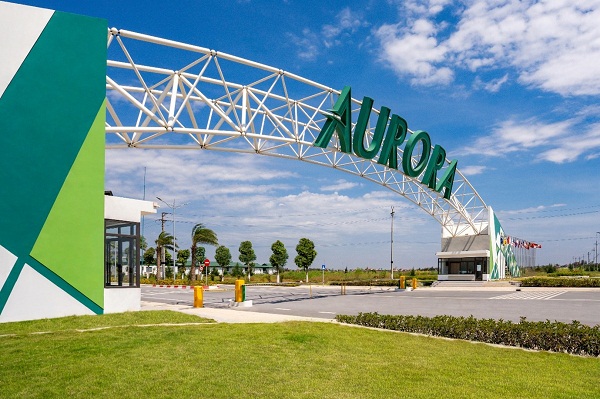
A textile-specialized industrial park, Aurora IP is boosting the development of industrial real estate market. Being developed by the Cat Tuong Real Estate Group, Aurora IP is coming up in two phases. The first phase includes development of about 520 hectare textile-dyeing specialized sustainable industrial park to improve the lives of the local community, and creating a favorable work environment for experts.
The park will be equipped with a wastewater treatment system having a capacity of 110,000 cu m/day night and a surface clean water system with capacity of 170,000 cu m/day night. Its robust infrastructure will encourage the development of high-tech textile plans for dyeing processes.
The sustainable development strategy of the Cat Tuong Group along with the support of the local government will make Aurora IP, one of the most reliable destinations for development of a sustainable textile and garment industry, says Tran Quoc Viet, Chairman & CEO, Cat Tuong Group.
C.L.A.S.S. to team up with Milano Unica for new generation fashion
International eco-hub C.L.A.S.S. plans to team up with Milano Unica to encourage a new generation of fashion through C.L.A.S.S. Smart Shot, the online space offering high-tech materials across categories. Launched in 2018, the online shop targets students, designers and new generation of brands who aim to explore and test innovative materials by mixing styles.
To be located in Hall 8 at Milano Unica, the C.L.A.S.S. Zone will trace the journey of smart materials with advanced responsible solutions for the contemporary wardrobe. It will focus on all natural, transformed, innovative and back in the loop materials, enabling visitors to create design, innovative and yet responsible products in line with their new generation of contemporary values. The C.L.A.S.S. Smart Shop partners to will exhibit at Milano Unica include: Albini Group, Brullo, Iluna Group and Zignone.











