FW
Fast fashion should emulate the wool industry’s recycling strategies

Wool in itself isn’t as large a natural material source cotton and traditionally wool has only been recycled when there was natural calamity that decreased the production of fleece from livestock. However, with climate change a hard-hitting reality, major wool producing countries like New Zealand and Australia are struggling with fleece production, leading to a renewed interest in recycling wool, globally.
Historically, the global recycling of wool has been driven by economic opportunity and necessity. Now, environmental concerns are spurring demand for recycled wool as consumers seek out clothes made primarily of reused natural fibers instead of synthetic materials, many of which can be recycled only through expensive, complex processes that involve chemicals.
Wool recycling model for circularity in fashion
Manteco SpA, an Italian fabric manufacturer that solely uses recycled wool is a case in point. The factory in Prato, Tuscany’s second largest city makes new fabric from used wool and has a simple process. The garments are manually stripped, and the scraps are mechanically shredded. Next, the fibers are blended with color to get the desired hue. After a carding machine untangles and aligns the fibers in one direction, the material is spun into yarn and undergoes quality tests before being woven on a loom into a textile. Prato counts more than 7,000 companies that specialize in some part of the city’s clothing and textile industries, of which wool recycling plays a major role.
When making textile from recycled wool, the quality of old wool determines the amount of virgin fleece wool that is required to make the yarn tensile enough for textile manufacturing. In some cases, virgin nylon is used instead of virgin wool to give the old wool more tensile strength. For example, using different ratios of recycled wool and virgin wool or virgin nylon, Manteco maintains a strict adherence to the best practices of recycled wool to textile process and is able to produce even the finest quality of woolen fabrics. Lately, technology is helping Manteco with innovative yarn and textile manufacturing processes that are reducing manual labour and energy costs and saving further on emissions. Manteco states its recycled wool has a significantly lower carbon footprint than those of virgin wool and many other textiles.
Producing a kg of MWool generates 0.62 kg of carbon dioxide equivalent—a measurement used to compare various greenhouse gases—while the same amount of fleece sheared from a sheep creates 75.8kg of CO2e, the company says in its life-cycle assessment study. Cotton and polyester generate 4.69kg of CO2e and 4.31kg of CO2e, respectively, the company says, citing data from life-cycle inventory database provider Ecoinvent. However, recycling of wool is limited to a number of times as every recycling produces shorter fiber length. This then can only be fixed by adding greater quantities of virgin wool or nylon. This extends the life of the existing materials but doesn’t fully replace the need for new fibers.
Different fibers, different recycling
The founder of Karachi-based Datini Fibres, Hasnain Lillani says to boost textile recycling, clothing designers and apparel brands need to communicate better about how to increase the circularity of materials and supply chains. Identifying which materials are best for the environment isn’t straightforward, as the impacts of processes and supply chains aren’t always comparable, and recyclability is just one element to consider when assessing sustainability. For example, while wool can be recycled mechanically, the more than 1 billion sheep involved in its production globally produce burps containing methane, a potent greenhouse gas. Synthetic materials, on top of not being easily recycled, can shed microplastics in the wash, a menace to ocean creatures that’s not an issue with natural fibers.
Pakistan's Cotton Exports: Promising Start
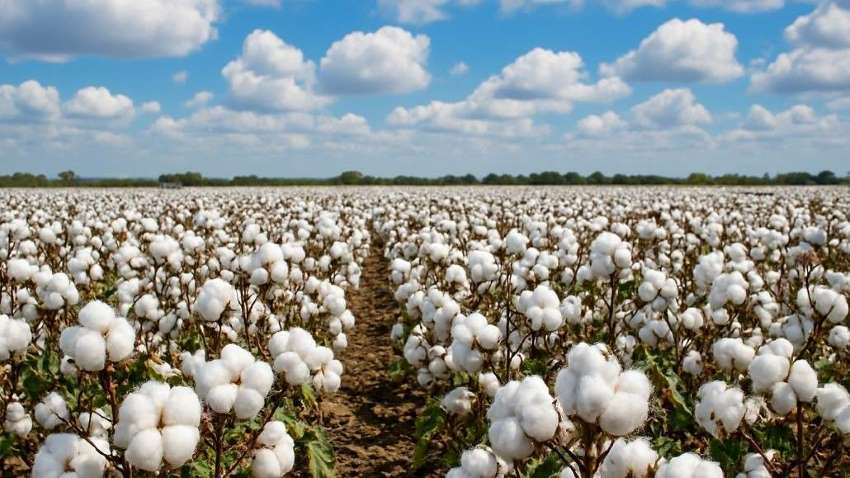
With the commencement of cotton exports in the current season, Pakistan's textile industry is off to a promising start. A significant cotton ginner in Sindh has sealed agreements to export 600 tonnes of cotton to Indonesia and Vietnam, with shipments scheduled for early August.
Improved cotton quality, attributed to favorable weather conditions including optimal temperatures and minimal rainfall during sowing and picking seasons in Sindh's coastal areas, has garnered early export orders, indicating the potential for record-breaking figures this year.
However, a delay in cotton procurement has led to a rapid increase in prices, with Punjab witnessing prices surge to Rs17,500 per maund after a recent hike of Rs500, while Sindh recorded prices of Rs17,000 per maund.
The fluctuating dollar value adds uncertainty to future price trends. Citing the conducive weather conditions, Pakistan could produce over one crore bales of cotton in the upcoming year, bolstering the textile sector and emphasizing the nation's robust cotton industry potential.
Brexit's Impact on UK Fashion: Report & Recommendations
A comprehensive report has been released, analyzing the consequences of Brexit on the fashion, textile, and technology (FTT) industry in the UK. It provides valuable insights and presents five key recommendations aimed at supporting the sector's future growth.
Jointly published by the Business of Fashion, Textiles and Technology (BFTT), led by the University of the Arts London, and the Future Fashion Factory (FFF), led by the University of Leeds, the report was chaired by Adam Mansell, CEO of UKFT. Mansell highlighted the significant impact of the UK's departure from the EU, emphasizing the complex trading relationship that emerged.
The report emphasizes the challenges faced by the FTT industry, particularly for SMEs and micro businesses. However, it also underscores the resilience and adaptability of UK fashion and textile companies.
The report's key recommendations focus on reducing trade costs and complexity, enhancing the sector's capacity and competency, building post-Covid resilience, driving digital innovation, and prioritizing sustainable and ethical practices. These proposals encompass tax breaks, business development support, training programs, subsidies, grants, and government incentives.
Despite the challenges, the report presents a hopeful outlook, emphasizing the industry's potential for sustainable growth through innovation, skilled workforce, and an unwavering commitment to sustainability. With increased support and investment from organizations like UK Research and Innovation (UKRI), the UK FTT sector can seize significant opportunities for a prosperous future.
Bangladesh Apparel Exports To EU Surge: FY 2022-23
According to the Export Promotion Bureau, Bangladesh's Ready-Made Garments (RMG) exports to the European Union (EU) experienced a robust growth of 9.93% during the fiscal year 2022-23. The exports surged from $21.40 billion in FY 2021-22 to $23.52 billion in FY 2022-23.
However, BGMEA director Mohiuddin Rubel highlighted a significant decline in exports to major EU markets like Germany and Poland. The apparel exports to Spain, France, Italy, Denmark, and the Netherlands in FY 2022-23 were valued at $3.37 billion, $2.94 billion, $2.27 billion, $1.28 billion, and $1.85 billion, respectively.
In the same period, apparel exports to the United States, Bangladesh's primary apparel export destination, dropped by 5.51% to $8.51 billion compared to $9.01 billion in FY 2021-22. On a positive note, RMG exports to the United Kingdom and Canada witnessed significant growth, increasing by 11.78% and 16.55% respectively.
Furthermore, Bangladesh's exports to non-traditional markets, including Japan, Australia, and India, crossed the billion-dollar milestone, achieving a remarkable growth of 31.38%. Consequently, the share of non-traditional markets in total RMG exports surged to 17.82% in FY 2022-23, up from 14.96% in FY 2021-22.
Lingerie Market: Working Women Fuel Growth
In a highly competitive and fragmented global lingerie market, the dynamics are shifting as working women play a pivotal role in driving its growth. Lingerie market is growing at 7.8% CAGR to reach USD 73.56 Bn by 2029, according to a report Maximising Market Research
With diverse product lines and operations in various regions, these industry leaders strive to gain a competitive edge. Utilizing a robust research methodology, the report provides a bottom-up analysis to determine the market size.
The report underscores the increasing number of working women globally as a driving force behind market growth. As women actively participate in the business sector, driven by education and economic growth, their improved disposable income fuels the demand for comfortable and fashionable lingerie.
Moreover, their modern lifestyle choices, such as fitness activities and social events, contribute to the rising popularity of sports bras, shapewear, and other lingerie products. However, the report highlights the unorganized sector as a significant restraint on market growth.
Local suppliers dominate this segment, offering affordable and customizable lingerie options that pose a challenge to established companies. Furthermore, the emergence of new entrants and direct-to-consumer sales through cross-border e-commerce platforms intensify competition and hinder the growth of established fashion brands and retailers.
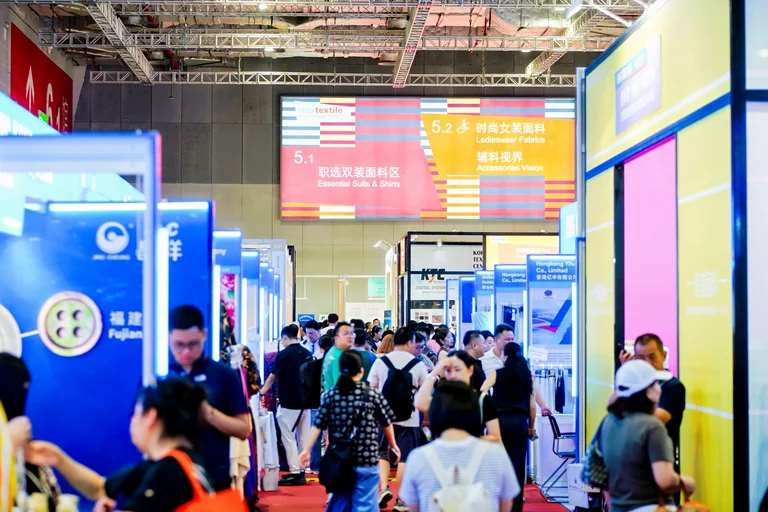
Intertextile Shanghai Autumn’23 The theme ‘Contradictions’ reflects present mood

Since 2020, the world has embraced unprecedented changes beginning with the Covid-19 pandemic, Russo-Ukraine conflict, sweeping changes governmental policies, rising crescendo of climate change, inflation, debt crises, recession and a sea of change in consumers buying attitudes. This has created the central theme ‘Contradiction’ for up-coming Intertextile Shanghai Apparel Fabrics Autumn edition organized by Messe Frankfurt from August 28 and 30, at the National Convention & Exhibition Center, Shanghai. This edition is for Autumn/Winter 2024-25 collections.
One of the most reputable exhibitions for the textile sector that caters to apparel manufacturing, Intertextile Shanghai, Spring and Autumn editions are an excellent platform for textile manufacturers worldwide to showcase their latest portfolio of textiles and network to widen their customer base in the region. As Wendy Wen, Managing Director, Messe Frankfurt Hong Kong says, “We are pleased to welcome the global industry at the Autumn edition of Intertextile Apparel. Notably, SalonEurope including the Made in Germany area and Milano Unica Pavilion were greatly received by domestic buyers, with the latter returning for the first time since the pandemic”. She says, along with Asian country and region pavilions, and international companies, onsite reports from these exhibitors cemented the continued potential for overseas brands in the Chinese market and showed a clear sourcing demand for new, innovative products among Chinese buyers and consumers. This is accompanied by an overwhelming optimism about future prospects in the growing market. Exhibitors also noted that the vast majority of visitors were serious buyers with high purchasing power.
Conveniently grouped exhibition eases networking
The exhibition area has been clearly demarcated so buyers and sellers can easily make the most of the three-day event. The product groups feature sections including: cotton, wool, silk, linen, ramie, man-made, knitted, coated fabrics as the first group; lingerie & swimwear fabrics as the second group; functional fabrics, printed fabrics, fibres & yarns, embroidery & lace, accessories, textile-related CAD/CAM/CIM technology, design & styling agencies; and the last group is fashion & textile trade publications.
The application groups include suiting, casual wear, ladies wear, functional wear/ sportswear, shirting, jeans wear, accessories, children & infants wear and the last group being swimwear & lingerie.
‘Contradiction’ reflects ongoing uncertainties
Inspired by a sense of flux, conflict and impermanence, the theme of ‘Contradiction’ is split into four key trends: Purist, Naïve, Hypnotic and Spectacular.
The Purist is like stepping back from the noise and settling into an ambiance of simplicity and rationality that is a refreshing take on the elegance of understatement. A neutral, natural tone of raw purity and understated elegance allows a strong focus on the essential charm of natural fabrics. Whether dyed naturally or not dyed, materials such as recycled and regenerated fabrics, premium-quality wool, cashmere, or cotton, are carefully made and delicately finished.
Naïve celebrates our legacy as humans who have been close to Mother Nature for centuries, inspired by her prolific creativity. This neo-retro palette evokes a nostalgia and warmth that heals the human mind, with reinvented fabrics elaborately combining tradition and modernity. Textiles include vintage fabrics, recycled/upcycled materials, handmade leather, patchwork, jacquard, multi-blends of diversified fibres, and more.
Hypnotic draws its inspiration from illusion, romance and fantasy. A bright palette fuses ephemerality and reality. By applying beads and fringes, virtual and wondrous patterns, and colour variation, premium fabrics including silk, cupro, polyester, and cellulose fibre are delicately crafted to express timeless emotion.
The Spectacular trend is inspired by absolute and infinite luxury that is rich, expressive and certainly as sight to behold. A range of dense and dark-coloured fabrics, featuring extravagant, dramatic, opulent aspects and elements of sustainability are the key features of this trend. Prints and finishing include ornate jacquard, bold embroidery with design yarns, heavy satin, sensual motifs, elegant and gorgeous tweed, metallic coating and laminated gold.
China continues to lead global cotton yarns import market Study

Cotton and cotton blend yarns are globally the first choice when choosing comfortable regular garments for adults, baby clothes and household items from the bedroom to the dining room. This makes cotton one of the most significant raw material for the textile industry. India grows some excellent cotton in the Central zone, comprising states like Gujarat, Maharashtra, and Madhya Pradesh. Gujarat is the highest producer and Mumbai the largest centre for cotton textile industry.
The global cotton yarn market is a huge estimated at $62.50 billion in 2022 and expected to be worth $66.91 billion this year. It is projected to grow at a CAGR 7.19 per cent to reach $108.99 billion by 2030.
Five countries lead global yarn import
Latest stats from the AI-driven market intelligence platform in IndexBox reveals, China, traditionally the world’s largest import market for cotton yarn is still leading. In 2022, China had a staggering cotton yarn import of $7.241 billion as it has a vast and diverse market catering to both domestic and international markets. Advantages such as a large skilled labour, booming e-commerce sector, high-tech manufacturing technologies and an extensive distribution network have enabled it to be a leader in the global cotton yarn market.
Bangladesh currently holds second position in global trade as a quickly-rising import value market with imported yarn cotton yarn worth $1.176 billion. This highlights its reliance on imported yarn to meet domestic demand. Its USP lies in large population fuelling domestic demand for clothes and household items, low labor costs and a favorable investment climate which is helped by the government and textile industry leaders that has fuelled foreign investments.
Turkey is in third position with imported cotton yarn worth $1.057 billion in 2022 with the most high-tech textile industry in the European region dating back many centuries. With a well-established value chain from spinning to weaving and finishing, Turkey imports cotton yarn from countries like the US, India, and China which feeds its domestic consumption and international markets.
Central American country of Honduras ranks fourth globally with an import worth $673.065 million last year. The country has benefitted logistically due to its geographical proximity to the US as one of the largest world exporters of finished cotton apparel, accessories and household decorations. With preferential trade agreements, such as the Central America-Dominican Republic Free Trade Agreement (CAFTA-DR) for duty-free access to the US markets, foreign investments are making the Honduras textile industry boom, despite limited domestic production.
Italy as a leading European import market for cotton yarn is ranked fifth in the IndexBox survey having imported cotton yarn worth $526.369 million in 2022. Unlike others, Italy has an extremely high-end fashion and luxury goods market for cotton products, characterised by small to medium-sized companies that focus on niche markets and value-added products for affluent consumers.
Cotton blends, pure cotton yarns drive global trade
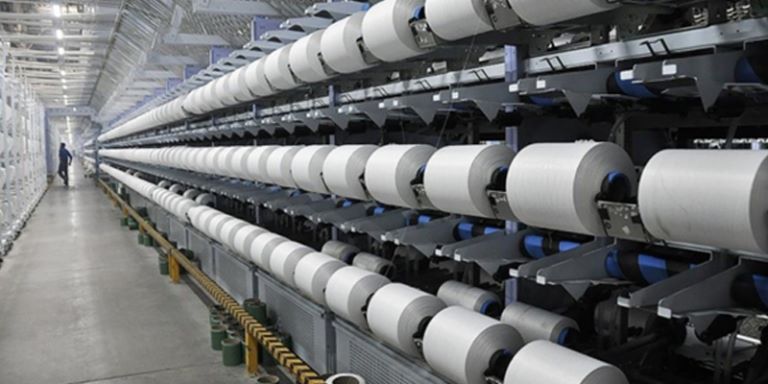
The various cotton yarn import markets depend on factors like demand for textile products, strength of the textile industry along with competitive advantage of the country in terms of production capacity and cost-effectiveness. The cotton yarn market is an extremely versatile with blends like cotton-polyester used to make regular apparel, sportswear and home textiles. Cotton-viscose combinations are used for manufacturing towels, shirting, denim, trousers, and knitwear among others.
The pure and more expensive 100 per cent cotton yarn is used for making light summer tank tops, T-shirts, baby items and household items such as coasters, curtains, and hand towels. With an underlying concept of beautiful and breathable fabric lasting forever, unlike synthetics, the cotton yarn trade is a good one now and in the near future.
Bangladesh Apparel Exports Defy Slowdown
Bangladesh's apparel exports experienced significant growth in the European markets during the fiscal year 2022-23, defying the economic slowdown caused by the Russia-Ukraine conflict. According to the Export Promotion Bureau (EPB), apparel exports to European Union countries increased by 9.93% year-on-year, reaching approximately $23.52 billion, compared to $21.40 billion in FY22.
Furthermore, the United Kingdom market witnessed a remarkable 11.78% year-on-year growth, exceeding $5 billion in FY23, compared to $4.50 billion in the previous fiscal year. Exporters attributed this growth to increased exports of high-value products, as well as rising costs of raw materials and freight.
While non-traditional markets also performed well in the wake of the Covid-19 pandemic, the overall volume of apparel exports remained low compared to the previous year. In FY23, Bangladesh's apparel exports to non-traditional markets surged by 31.38% to $8.37 billion, accounting for 17.82% of total apparel shipments.
However, the United States and Germany, two major markets, experienced declines of 6.81% and 5.51% respectively. Apparel shipments to the US reached $8.51 billion, while those to Germany amounted to $6.68 billion. On the other hand, exports to Canada increased by 16.55% to $1.54 billion. The EPB data also revealed notable growth in apparel exports to Japan (45.62%), Australia (42.48%), India (41.58%), South Korea (22.45%), and China (30.32%).
Faruque Hassan, president of the Bangladesh Garment Manufacturers and Exporters Association, emphasized the importance of diversifying apparel goods and sought government policy support in this regard.
Despite the positive growth, industry representatives, including Shahidullah Azim, vice president of a trade association, expressed concerns over potential declines in future months.
Factors such as low order volumes, factory capacity constraints, increased production costs due to utility price hikes, and order cancellations or discounts from buyers contribute to the uncertain outlook for Bangladesh's apparel exports. In FY23, Bangladesh's overall apparel export rose by 10.27% year-on-year to $46.99 billion, accounting for 84.59% of the country's total export earnings of $55.55 billion, according to EPB data.
SOURCE FASHION: Polyester Recycling Breakthrough
Europe's newest responsible sourcing exhibition, Source Fashion, will take place at Olympia London from July 16th to July 18th. The event will feature the UK debut of a groundbreaking advancement in polyester textile recycling.
Project Reclaim, a collaboration between Project Plan B and the Salvation Army Trading Company Ltd (SATCoL), will launch the world's first commercial-scale, post-consumer polyester recycling plant. Visitors can attend a live seminar on the revolutionary technology, where SATCoL representatives will discuss the impact of recycling polyester textiles into raw materials.
Throughout the three-day event, attendees can also engage with the SATCoL team at their stand SF-G60. SATCoL plans to install the exclusive polyester recycling system at their Processing Centre in Kettering, enhancing their textile sorting and processing capabilities.
The plant aims to recycle approximately 2,500 tonnes of polyester in its first year, scaling up to 5,000 tonnes in year 2. This innovation breathes new life into used polyester, transforming it into pellets for producing new yarns.
SATCoL envisions a future where damaged polyester garments can be redeemed through recycling, contributing to the fashion circular economy. Source Fashion is a must-attend event, scheduled for July 16th-18th, 2023.
EU mandates fashion firms fund textile recycling
The European Union (EU) has put forth a groundbreaking proposal on July 5, which will require fashion companies to finance the collection, sorting, and recycling of textile waste.
This move comes as part of the EU's strategy for sustainable and circular textiles, aimed at addressing the environmental impact of textile production and consumption. Under the proposal, EU member countries will introduce harmonized Extended Producer Responsibility (EPR) schemes at the national level.
Manufacturers will be obligated to cover the costs of textile waste management, with fees based on the level of pollution caused—a concept known as "eco-modulation." The intention is to incentivize waste reduction and promote the circularity of textile products.
While environmental groups appreciate the increased accountability for producers, they express concerns about potential loopholes and delays in the legislation.
They argue that the focus should extend beyond waste management to encompass waste prevention targets and improvements in product design. Although harmonized EPR schemes are seen as a step in the right direction, experts emphasize the need for a more comprehensive transformation towards circular product design and business models to address the root causes of textile waste.