


FW
Fashion Gets Stitched-Up: New regulations aim for sustainable threads
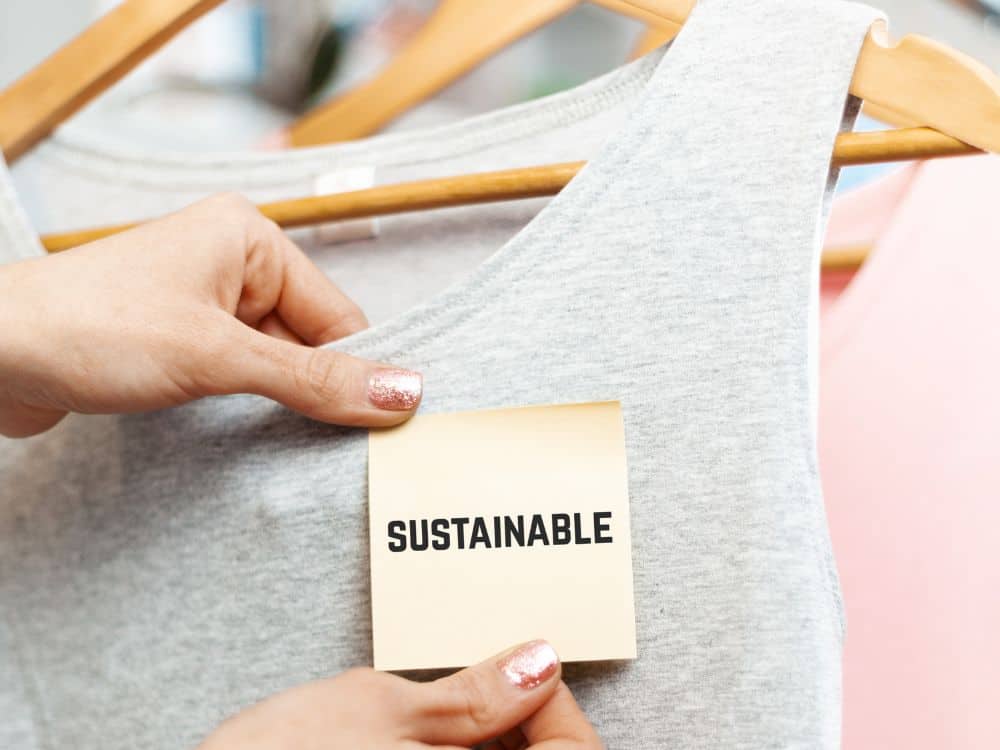
The global textile and apparel industry, while a giant in economic terms, is also a notorious environmental polluter. However, wave of new regulations around the world is targeting the sector's environmental and ethical shortcomings, pushing brands towards a more sustainable future. For decades, fast fashion has thrived on a model of cheap clothes and high turnover, often at the cost of the environment and garment workers. But the tide is turning. Consumers are demanding more transparency and accountability, and governments are stepping in with regulations to enforce these demands.
Europe leads the charge
The European Union (EU) is at the forefront of this regulatory push. The bloc's ambitious ‘Strategy for Sustainable and Circular Textiles’ outlines a roadmap for a complete overhaul of the industry by 2030. Key measures include:
• Ecodesign for Sustainable Products Regulation: This sets minimum requirements for the durability, reparability, and recyclability of clothing. Expect to see garments built to last longer and made from materials easier to reuse or reprocess.
• Sustainable Corporate Due Diligence Directive: Companies will be held responsible for ensuring ethical and sustainable practices throughout their supply chains. This tackles issues like forced labor and environmental degradation.
• Empowering Consumers and Green Claims Directives: These aim to combat greenwashing by ensuring clear and verifiable sustainability claims on clothing labels. Consumers will have a better understanding of the true environmental impact of their purchases.
France's anti-waste law
France's trailblazing Anti-Waste for a Circular Economy Law (AGEC) tackles textile waste directly. It requires producers to implement take-back schemes, essentially encouraging consumers to return used clothes for reuse or recycling. This strategy aims to divert textiles from landfills and promote a more circular economy.
Beyond Europe
The US is also taking steps. The Uyghur Forced Labor Prevention Act bans the import of goods suspected to be produced with forced labor in China's Xinjiang region, a major textile producer. This incentivizes companies to source ethically and conduct thorough supply chain due diligence.
Several countries are focusing on Extended Producer Responsibility (EPR) schemes, which hold producers financially responsible for the end-of-life management of their products. Sweden's EPR program aims to drastically reduce textile waste going to landfills by incentivizing recycling and reuse. Similar schemes are being rolled out in the Netherlands and other European countries.
Challenges and the road ahead
While these regulations are a positive step, challenges remain. Enforcement mechanisms need to be robust, and there's a need for global harmonization of regulations to avoid a complex patchwork of standards. Additionally, educating consumers about sustainable choices and supporting innovation in textile recycling are crucial aspects of a successful transition.
The new regulations represent a significant shift towards a more sustainable textile industry. While challenges persist, these measures have the potential to transform how clothes are designed, produced, and consumed. Consumers can expect more durable, repairable garments and greater transparency in supply chains. The industry itself will need to adapt to become more circular, minimizing waste and environmental impact. This legislative wave may just be the stitch in time needed to save the fashion industry from unravelling.
Wedding wear market poised for rapid growth, new report reveals
The global wedding wear market is experiencing a notable shift towards sustainability, reflecting broader fashion industry trends. A recent market research study on the "Global Wedding Wear Market" highlights the increasing demand for eco-friendly and sustainable wedding attire. This trend is driven by couples who are increasingly aware of the environmental impact of their fashion choices and are seeking dresses and suits made from sustainable fabrics or those that can be reused or repurposed.
Market segmentation and dynamics
The wedding wear market is segmented by type (gowns, suits, traditional dresses, sherwanis, accessories, others), gender (male, female), sales channel (online, offline), price range (economy, luxury, premium), and geography (North America, South America, Europe, Asia Pacific, MEA). This comprehensive segmentation allows for a detailed analysis of market dynamics, product portfolios, and emerging trends, crucial for decision-makers and marketers aiming to seize new opportunities.
Major players and competitive landscape
Prominent players in the wedding wear market include Gaala (France), Manyavar (India), Temperley London (UK), Vera Wang (USA), Vivienne Westwood (UK), PhillipaLepley (UK), Charlie Brear (UK), SassiHolford (UK), Caroline Castigliano (UK), Sabyasachi (India), and Carolina Herrera (USA). These companies are focusing on innovation to enhance efficiency and product longevity, catering to the growing consumer demand for sustainable options.
Market trends and opportunities
The trend towards sustainable wedding wear presents significant growth opportunities for brands. Designers are increasingly incorporating organic fabrics, recycled materials, and designs that emphasize longevity and reusability into their collections. This shift not only meets consumer demand but also aligns with the broader environmental goals of the fashion industry.
Notable developments
A significant development in the market was the acquisition by Aditya Birla Fashion and Retail Ltd of a 51 per cent stake in the Indian luxury designer label Sabyasachi in January 2021. The 398 crore investment underscores the potential and value of the wedding wear market, particularly in the luxury segment.
In summary, the global wedding wear market is evolving with a strong emphasis on sustainability. This shift offers new opportunities for brands to innovate and meet the changing preferences of eco-conscious consumers, ensuring a vibrant and dynamic market landscape.
Textiles and clothing imports by the US decline 4.7% during Q1, FY24
Textiles and clothing imports by the US declined by 4.7 per cent to $24.6 billion during Q1, FY24.Exports by the country also contracted by 4.46 per cent to $5.7 billion.
According to reports by the Department of Commerce, China was the leading supplier of textiles and clothing to the US with imports from the country increasing by 3.6 per cent to $5.5 billion. Imports from Vietnam remained stable at $3.7 billion while thos from India fell by 4.37 per cent to $2.3 billion. The most notable decline of 17.3 per cent was reported by Bangladesh totaling 1.8 billion.
Imports from the European Union lowered by 4.1per cent to $1.4 billion, followed by Indonesia whose imports decreased by 13.3 per cent to $1.2 billion.
In terms of exports, United States' shipments to its biggest customer, Mexico, fell by 4.9 per cent to $1.7 billion over the January-March period. Exports to Canada declined by 5.40 per cent with $1.8 billion followed by shipments to the European Union which decreased by 10.8 per cent to 643 million, and toHonduras by 11.6 per cent decline totaling 305 million
On the other hand, exports to China increased significantly by 14.5 per cent over the period to €185 million. Exports to the Dominican Republic, on the other hand, declined by 15.3 per cent to 154 million; exports to Japan by 5.3 per cent to 105 million (-5.3%) and exports to the United Kingdom by 22.9 per cent to 101 million.
In 2023, the United States’ textile and clothing imports collapsed by 21 per cent to $104.9 billion. Meanwhile, exportsstabilised at $23.6 billion from$24.8 billion in the previous year.
Bangladesh to reduce import duty on 18 types of non-cotton fibers
The Bangladesh Government plans to reduce the import duty on 18 types of non-cotton fibers from the current 10 per cent-31 per cent to 1 per cent to help the local textile millers to diversify their export basket.
In line with BTMA’s recommendations, the government plans to include some raw materials related to the import of machinery, spare parts and textile raw materials in the duty plan.
Abul Hassan Mahmood Ali, Finance Minister also proposes to increase the minimum value of imported cotton from $3 to $4 per kg, and minimum value of imported polyester and synthetic fabrics from $3 to $4.5 per kg.
The National Budget for the 2024-25 fiscal was unveiled by Mahmood Ali recently in the national parliament.
Inditex registers 10.8% rise in Q1, FY24 net profit
Continuing to set new standards, Inditexregistereda 10.8 per cent rise in net profit increased to €1.294 billion during the first quarter of FY24.The company’s revenue for the quarter increased by 7.1 per cent rise to €8.15 billion.
Continouslyoptimisingits store network, Inditex is identifying new opportunities to boostgrowth across all concepts within Spain, states Oscar Garcia Maceiras, CEO. Moreover, the company achieved strong global sales across both physical and online channels during the quarter, emphasisesMaceiras.Its sales grew by 10.6 per cent during the quarter.
Besides enhancing product offerings, Inditex continues to optimise its store network through strategic new openings and refurbishments in prime locations across each market,elaborates Maceiras. In the current fiscal year, the company plans to invest around €1.8 billion in store expansion. It also plans to invest €900 million annuallyin enhancing its logistics capacity.
In Q1, FY24, the group reported a net increase in its store count for the first time since 2021. This included six net openings, in contrast to the 14 net closures reported in the first quarter of the previous year. By the Q1, FY24-end, the company was present in 5,698 stores in 214 international markets.
The company anticipates its gross retail space to grow by 5 per cent annually through 2026. Recently, the group has inaugurated its first stores in Uzbekistan and reopened 48 stores in Ukraine.
Chaired by Marta Ortega, the group also highlighted significant initiatives such as the launch of Massimo Dutti on the Chinese e-commerce giant JD.com and the rolling out of innovative security technology to eliminate traditional alarms.
Global textile sourcing solution Sourceryemphasises on fair data collection
In its latest report on the ‘Know Your Grower’ initiative in India and Pakistan, global textile sourcing solution Sourcery has emphasisedon the need for more precise, reliable, and fair data collection within the textile supply chain.
RuchitaChhabra, Grower Engagement Director, Sourcery, says, the company can achieve greater visibility by moving beyond inaccurate GPS data and utilising digital polygon mapping.
The company aims to empower growers to independently share data. Beneficial to both growers and manufacturers, the company aims to incentivise data sharing, especially in terms of financial rewards. It aims to create a future to empower every participant in the cotton supply chain through collaboration.
Sourcery gathers primary data on a commercial scale in the Indian states of Maharashtra, Madhya Pradesh, Gujarat, and Rajasthan, as well as the Punjab province in Pakistan. The organisation combines commercial investment with grower incentives and engagement to improve industry standards.
SIMA cheers polyester staple fibre exemption from QCO
The Ministry of Chemicals and Fertilizers' recent Quality Control Order (QCO) on polyester staple fibers and various yarns, effective from July and October 2023 respectively, mandated procurement only from Bureau of Indian Standards (BIS) license holders. However, pending approvals for foreign manufacturers disrupted the supply chain, severely impacting manufacturer-exporters, especially those reliant on overseas markets for specialty fibers. This has hindered the man-made fiber (MMF) value chain's export performance. Similarly, the QCO for Viscose Staple Fibre (VSF) affected the VSF value chain, prompting industry pleas for exemption, particularly for exports.
In response to industry pressure, the Southern India Mills’ Association (SIMA) hailed the government's decision to exempt VSF imports under the Advance Authorization Scheme, effective March 2024. Additionally, the recent exemption for polyester staple fibers, filaments, and spun yarns under the same scheme, announced in June 2024, received appreciation. SIMA Chairman SK Sundararaman commended the reduced export obligation period from 18 to six months, easing constraints on MMF imports.
Sundararaman emphasized the significance of these policy changes in revitalizing MMF textile exports, crucial for achieving the textile industry's ambitious growth targets. He highlighted the industry's struggles, including higher raw material prices, which hindered India's competitiveness compared to countries like China and Bangladesh. Sundararaman urged the government to tackle structural issues, proposing a unified 5 per cent GST rate for the entire MMF value chain, alongside measures to ensure uninterrupted raw material supply.
While lauding the removal of anti-dumping duties and import duty reduction on MMF, Sundararaman emphasized the need for comprehensive reforms to propel India's textile industry forward. Addressing these concerns, including duty inversion and GST rates, he asserted, would not only bolster exports but also enhance access to affordable clothing for millions of Indians, while invigorating the industry and fostering economic growth.
ITM 2024 Exhibition in Istanbul draws global attention
The ITM 2024 Exhibition in Istanbul has emerged as a resounding success, attracting thousands of visitors from a staggering 94 countries within its initial three days. Hosted by the collaboration of TeknikFuarcılık AS., Tuyap Tum FuarcılıkYapım AS, and Temsad, this international textile machinery showcase commenced on June 4th, unveiling cutting-edge innovations and fostering lucrative partnerships.
The event showcased the prowess of the global textile technology leaders, providing an unparalleled platform for product launches and collaborative ventures. The diversity of attendees, ranging from Sri Lanka to Uruguay, Mauritius to Mongolia, underscores the exhibition's widespread appeal and significance in the textile industry.
Notably, the strategic choice of Istanbul as the venue enhanced the exhibition's international flavor, facilitating cross-border collaborations and overcoming visa barriers prevalent in European exhibitions. Exhibitors lauded the opportunity to engage with clients from diverse markets like Pakistan, India, and Bangladesh, culminating in machinery sales and robust partnerships.
With its remarkable success in attracting a diverse array of visitors and fostering global collaborations, ITM 2024 sets a new benchmark in the textile industry's exhibition landscape, poised to break records in both attendance and participation from countries worldwide.
Karl Mayerlaunches Cascade for inline energy recycling
Energy costs, constituting up to 15 per cent of turnover for textile finishing companies, are a significant economic burden. To address this, Karl Mayer Group has introduced Cascade, an innovative system designed to slash energy consumption in the drying processes of its Prosize sizing machines and Bluedye dyeing systems.
Cascade leverages steam as a heating medium in cylinder dryers, offering substantial energy savings and reduced carbon dioxide emissions. By recirculating process steam within the machine, Cascade significantly lowers the need for fresh steam. According to Karl-Heinz Vaassen, Head of Textile Drying at Karl Mayer, this approach enables "genuine, efficient energy recycling."
The financial benefits are notable. A 14-cylinder dryer running 7,000 hours annually in the Asian market can save up to $17,000 per year. The system's dashboard provides real-time data on steam circulation, allowing precise tracking of energy and carbon dioxide savings.
Cascade operates by utilizing the pressure drop across the dryer sections. The highest pressure in the first section condenses steam without temperature loss, and the hot condensate is fed into a flash tank, generating vapor exhaust through pressure reduction. Instead of being wasted, this "freshly recycled steam" is used to heat the second cylinder section after mixing with live steam.
This patented system, integrated into Prosize machines from January 2024, debuted at ITM 2024 in Istanbul to great acclaim. The first upgraded machine will be delivered to a European manufacturer in the second quarter of 2024. Future plans include extending Cascade to other dryer types and the Bluedye system.
Berlin Fashion Week embraces Copenhagen Fashion Week's sustainability standards
Berlin Fashion Week (BFW) and Copenhagen Fashion Week (CPHFW) have joined hands in an innovative partnership aimed at accelerating sustainability efforts within the fashion industry. The collaboration, introduces the Sustainability Requirements framework pioneered by CPHFW to Berlin Fashion Week, making it a mandatory criterion for show brands. This strategic move aligns the sustainability endeavors of two influential fashion hubs, marking a pivotal moment for both the Nordic and German fashion markets.
Supported by a grant from the Berlin Senate Department for Economic Affairs, Energy, and Public Enterprises, and executed by Fashion Council Germany in collaboration with Studio MM04, this initiative signals a significant leap towards establishing Berlin as a leading global destination for responsible and innovative fashion. Michael Biel, State Secretary for Economic Affairs, emphasized Berlin's commitment to sustainability, highlighting the city's investment of 180,000 euros until 2025 to foster a culture of eco-consciousness and innovation.
Scott Lipinski, CEO of Fashion Council Germany, expressed pride in partnering with Copenhagen Fashion Week, renowned for its sustainability initiatives. By integrating the Sustainability Requirements, Lipinski underscores the commitment to higher ethical standards and serves as a beacon for responsible practices within the industry.
CecilieThorsmark, CEO of Copenhagen Fashion Week, hailed the partnership as a significant step towards industry alignment and urged fashion weeks and councils worldwide to embrace collaborative efforts for positive change. The joint venture aims to onboard approximately 35 brands onto the official Berlin Fashion Week show schedule, with the Minimum Standards becoming a mandatory criterion by February 2026.
The Sustainability Requirements, introduced by Copenhagen Fashion Week in 2020 and updated in 2024 to reflect industry advancements and EU policies, have garnered global recognition. With initiatives like the government-funded program "FremtidensTekstiler," which selected the framework for SMEs, the fashion industry is poised to undergo transformative change towards a more sustainable future.











