


FW
COVID-19 impact, fashion sector shifts focus on responsible fashion
 Shifts in political, cultural and financial situations across the world due to the outbreak of COVID-19 is forcing the fashion sector to now focus away from niche areas of corporate social responsibility teams and sustainability experts to climate crisis. In place of the old doctrine of shareholder primacy, the sector is now lobbying for a new form of “stakeholder capitalism” that requires companies to consider the interests of employees, suppliers, local communities and the planet, alongside making money for investors.
This new, friendly version of capitalism focuses on purpose of the business. Proponents off this theory believe that any short-term losses they incur now will pay dividends in the future as it will give companies long-term license to operate in an increasingly aware socio-political climate and embed resilience against systemic shocks into corporate strategies.
A report by the Business of Fashion and McKinsey & Company, ‘Coronavirus Update to the State of Fashion 2020’ opines the pandemic will reemphasise values around sustainability by intensifying discussions and further polarising views around materialism, over-consumption and irresponsible business practices.
Focus on responsible business
The Business of Fashion report stated, at the heart of any responsible business is integration of protection of air, water and the land into the business' thinking. Responsible business practices evolve with technological innovations and cultural perceptions. Historically, they have often been limited to piecemeal CSR initiatives that are not embedded into businesses’ overall strategies.
The United Nations has laid out 10 principles of corporate sustainability in its global compact states over 3,000 companies can be certified as B corporations. Within the fashion world, brands like Patagonia, Allbirds and Eileen Fisher have gained the certification. And yet the fashion industry remains addicted to sales growth that sits uncomfortably alongside climate goals. Many companies continue to operate business as usual while touting “sustainable” collections or plans to eradicate virgin polyester, and doing little to address social issues within the supply chain.
Supply chain inequities exposed
COVID-19 has also laid bare the inequities within fashion’s supply chain that leave millions of vulnerable garment workers at risk of destitution and disease. Companies are also being held publicly accountable for their strategic decisions. Brands failing to address these issues are facing scandal, reputational damage and lost consumer confidence.
Despite these challenges, the industry has also been instrumental in lifting millions out of poverty and driving growth in economies like China, India and Bangladesh. And there are signs of progress, even amidst the current criticism, with some companies committing to support their manufacturers and protect employees
Cutting waste
While COVID-19 has forced the industry to face some of its structural inequalities, brands are being tempted to shift focus away from costly initiatives. To be compatible with global climate goals, the industry needs to drastically reduce emissions and cut back the waste it generates. Companies need to put resources into understanding their supply chains down to the raw material level and into transitioning to less extractive modes of operating. Arms-length sourcing practices need to shift to a point where companies are supporting regenerative models of agriculture that sequester carbon and protect biodiversity. Brands need to find solutions to ensure old clothes don’t end up in landfill or incinerated, and find ways to continue to drive profitable growth while producing less.
A tricky business
But balancing demands in a troubled retail climate is increasingly tricky and nuanced. Many businesses have been forced to make painful choices to lay off workers and cut back operations simply to survive.
Even before the current crisis hit, many brands were vague about their spending plans. Hence, analysts see the current crisis as a rare opportunity for radical change.
Building a responsible business
The first step is a reset in corporate culture. Top executives need to shift their mindset away from a profit-first model. Resilient business strategies need to focus on a more holistic approach to success that takes into account positive impact on people and planet as well as financial gain. Executive remuneration should be tied to delivery on environmental and social targets and putting in place mechanisms to ensure those goals are given adequate weight in strategic decision making.
Fixing supply chain issues
For years, a major barrier to fixing many of the social and environmental issues within the fashion industry have been its sprawling and convoluted supply chains that enable abuses and leave businesses ignorant of the extent of their impact. That needs to change. Companies need to monitor and measure their social and environmental impact in the same way they do their financial performance in order to ensure accountability and progress.
Meanwhile, the tools to understand and monitor labour practices have also often proved to be inadequate in a world of distant and sprawling supply chains. Most companies rely on third-party audits to ensure codes of conduct are being upheld within their supply base, but these have frequently failed to identify and prevent abuses.
Fixing such problems requires investment as less damaging materials are often more expensive. Technological innovations to enable the industry to move towards a more circular model require investment to develop and scale. Manufacturers need financial support to shift away from fossil fuels and towards renewables and energy-efficient technologies. Similarly, ensuring that wages are sufficient throughout the supply chain inevitably means spending more on salaries.
Any real change also requires much greater engagement with governments because brands cannot achieve their goals to operate more responsibly without systemic shifts. No individual brand can ensure workers in its supply chain are getting a fair wage if all its competitors continue to undercut it. Similarly, reducing emissions across manufacturers will require a wholesale shift to cleaner energy that will likely need government support to facilitate.
Collaboration is a relatively new concept that is gaining traction in the industry. Over the last few years, initiatives like the UN Fashion Industry Charter for Climate Action and the Fashion Pact have drawn in dozens of brands to collaborate on efforts to reduce the industry’s environmental impact. While both groups’ plans remain somewhat hazy, they provide the industry with a platform though.
Meanwhile the crisis caused by COVID-19 has created an opportunity to bring together stakeholders to address some of fashion’s social issues. Trade union groups have worked with the UN’s International Labour Organisation to issue a call to action for the industry to protect workers from the immediate fallout from the pandemic and establish sustainable systems of social protection for the long-term.
Companies that want to operate responsibly also need to embrace new business models and abandon established systems. The industry is facing a reckoning. Industry watchers have complained of a broken system for years, but Covid-19 has irrevocably exposed the long-standing weaknesses in the sector’s standard business model.
There is no perfect solution. Many may be tempted to return to business as usual in pursuit of a near-term recovery. But the world is changing and brands that start to factor environmental and social considerations into their business strategies now will likely be better-placed to weather future crisis.
Bangladesh RMG sector calls for a collective effort to deal with challenges
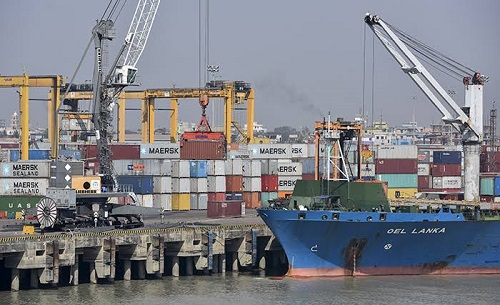 With COVID-19 reshaping the entire world; earlier theories like learning about customers, competitors and market conditions may not fit into tomorrow's rapidly changing business environment. The same is true about the readymade garment sector in Bangladesh which is heading towards a major phase of turbulence. COVID-19 has catalysed significant changes in the country’s RMG business. Therefore, all those involved in this sector need to make a greater collective effort to curtail the challenges ahead:
Ensuring worker’s safety
The first and most pressing challenge for the country’s RMG industry is to ensure health and safety of workers. The industry should protect them at any cost. Bangladesh Garments Manufacturers and Exporters Association (BGMEA) have already issued guidelines on health and safety protocols. These guidelines are consistent with those developed by health experts and all factories have been ordered to strictly comply with them. BGMEA and the Department of Inspection for Factories and Establishments (DIFE) should ensure a proper implementation of these guidelines, close supervision and collective approach of all employers,
Operational and diversification plans
Another challenge before producers is to prepare for intense competition and formulate plans for operating at less than full capacity as order volumes will shrink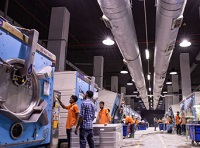 substantially — at least for the next couple of months. They should diversify their production by exploring the PPE market that is projected to reach $92.5 billion by 2025.
Engage in constructive dialogue
All stakeholders should now take more time to proactively reconnect with one another, gather insight and engage in a constructive dialogue. Clothing manufacturers and retailers should exchange views to come to a mutual understanding about the issue.
Make contingency plans compulsory
As the sector becomes more global, and with a profound impact on it due to various national or international issues, leaders and decision-makers should make contingency planning a compulsory and a central part of their work. Everyone from small and medium-sized enterprises (SMEs) to large ones should have their own set of crisis preparedness and business continuity plans ready and tested in order to mitigate and respond to potential unexpected events.
Stakeholders should avoid pointing fingers at others and make a collective effort to deal with the situation. The Bangladesh apparel industry is closely linked to the development of the country as the largest export earner having an immediate impact on the lives of some four million workers. It must therefore, be given high priority.
While industry leaders take these initiatives, on its part the government should monitor their activities and support them at all times.
Indian apparel exports to grow upto 10%: Virender Uppal
According to Virender Uppal, Chairman, Richa Global Exports & Apparel Made-ups Furnishing Sector Skill Council ( AMH SSC), the Indian apparel export industry, which is currently struggling to survive, can grow up to 10 per cent in post COVID-19 scenario.
Uppal views the currrent slowdown to be a temporary phase. He urges the industry to gear up for a revival in demand.
As Indian apparel export is stagnant, the ray of hope is that India can export fashion masks worth $ 1 billion in the next few months, which is a new product category for Indian apparel exporters. Once the Government allows export of PPE, it can also be a big gain for Indian companies.
During 2019-20, India’s apparel exports were expected to be around Rs. 1,21,986 crore, but now due to pandemic, earlier orders have also been either cancelled or postponed for FY’21. So it can be expected that the export might be around one lakh crore, says Uppal.
AMH SSC is currently spearheading en masse skilling in apparel job roles so that when the demand grows, the country must have skilled hands. The council aims to empower people by skilling in apparel, made-ups and home furnishing sectors across the country.
Global denim industry to be more creative and sustainable post- COVID-19
 As businesses remain shut and balance sheets get stressed, the pace at which the denim industry is trying to develop a sustainable supply chain is slowing down. This is mainly because the crisis has generated extreme contraction in product consumption which has led to a decline in investments in sustainability, says Lucia Rosin, Head of Design, Meidea.
Focus on affordability to survive
Though it is desirable to produce high-quality, sustainable denim, some brands and retailers are likely to prioritize on producing more affordable products as they rebuild their businesses, feels Tilmann Wrobel, Creative Director, Monsieur. For others like Denim History, there is no better option than to sell fast and cheap clothing. The goal for these mills or factory owners is to make things cheaper and pay less.
New ways to incorporate sustainability
Yet, sustainable manufacturing is in a better place than it was during the Great Recession, as both demand and awareness for better products from both the industry and consumers—is higher, and the supply chain has more sustainable solutions to adopt. Many brands and retailers are opting for either sustainable fabric at a lower price or at least at an equal cost to denim without this property. Therefore, now is not the time for mills to retreat to old habits and undo the progress they’ve made.
And as Wröbel point out, on the contrary, mills now need to find new ways to incorporate protective performance qualities to their fabrics. The need to adapt to the next big thing should be the focus.
Boosting sustainable investments
As the pandemic is teeing up a correction in how consumers buy and how brands manufacture, it is more important to invest in sustainable practices and take care of the workers and the environments where denim jeans are being produced.
Bluezone curato Panos Sofianos believes after the current crisis ends, the industry must support more investments and innovations in the denim industry
An opportunity to get creative
Taking a more pragmatic view of the situation, Wröbel likens this pause in business to halftime during a football game. Wröbel believes the pandemic will offer designers a chance to flex their creative and strategic-thinking muscles. Monsieur-T is focusing on ideas about what could be done with the inventory that is in the warehouses around the world, and which can probably not be used before the next season.
The pandemic is also forcing companies to be creative with their messaging. Mohsin Sajid, Founder, Denim History is working with clients across the supply chain to develop video content as well as co-hosting digital events with Kingpins ED and Fashion Revolution.
Revamping event schedules
Many industry events are also going digital compelling some to reconsider their old schedules. Though it will be an ongoing process, Wröbel feels, it’s time to give the calendar a second thought. Sajid too agrees the seasonal calendar and buying cycles have to change though it may result in seasonless collections. Fashion shows and splashy exhibitions which were on the downturn prior to the pandemic is likely to suffer further as companies will restrict non-essential travel for employees.
New brands to new values to emerge
One thing that is clear, when economies open up, it will not be the same denim market that exists prior to the pandemic. While headlines about rebounding luxury sales in China offer a dash of optimism, not all players will return. BLDWN (formerly Baldwin) was among the first brand to shut down because of the economic downturn forced by the pandemic. Three weeks later True Religion filed for Chapter 11 bankruptcy court protection, an unfortunate reversal of fortunes brought on by stores forced to close.
Experts anticipate consolidation across the market as there will be opportunities for buying brands—and their market position—for little money. Rosin also expects to see new brands rise to the top. Brands that have worked well to consolidate and many new ones will emerge with values suited to the new times and the metamorphosis we are experiencing.
BGMEA finds safety levels in 144 factories satisfactory
Conducting health and safety audit in the last four days, Bangladesh Garment Manufacturers and Exporters Association (BGMEA) has so far found 144 factories in satisfactory level amid the concern of COVID-19 pandemic in the country. Headed by six directors, the BGMEA’s audit inspected a total of 147 factories so far.
The team has suggested immediate corrective action plans for three factories to resume operations. A total of 1,061 factories out of BGMEA’s 2,274 members resumed operation in limited scale from April 26.
The audit teams have been paying sudden visit to factories in Dhaka Metropolitan, Savar, Ashulia, two zones in Gazipur, and Narayanganj and Narshingdi.
The tests will be done free of cost among apparel workers for detecting coronavirus. Besides, workers of other sectors would also get access to test COVID-19 free of cost there.
Bankruptcy claims by American, European retailers worry Indian creditors
American and European retailers filing for bankruptcies in the wake of Covid-19 pandemic has worried Indian creditors as their unsecured outstanding dues are estimated to be in excess of $50 million.
In the past two weeks, leading retailers like JC Penney, J Crew, Neiman Marcus and Stage Stores have filed for Chapter 11 bankruptcy protection in the US. True Religion filed for Chapter 11 protection last month. In Europe, Debenhams, Esprit, Oasis and Warehouse have gone into administration.
These companies import about $150-200 million worth of apparels and home furnishing products from India annually, said people in the know. As per industry estimates, the outstanding dues from these companies to Indian suppliers were well over $50 million since the January to March period is the busiest in terms of apparel exports due to high demand for summer collections.
These companies also outsource their back-end information technology operations to Indian firms.
J Crews owes over $21 million (Rs 159 crore) to three Indian apparel exporters, namely Fashion Accessories, RK Industries and Gaurav International, according to the list of the company’s 30 largest unsecured creditors given in its bankruptcy court filing. The top 30 creditors of True Religion include five Indian firms whom it owes $4.3 million (Rs 32.5 crore), as per the US bankruptcy court records.
JC Penney owes $6.7 million (Rs 50 crore) to Tata Consultancy Services (TCS) and $3.5 million (Rs 26.5 crore) to Delhi-based Elkay Overseas. Neiman Marcus owes TCS over $1.6 million (Rs 12 crore).
There could be several more Indian creditors to these companies whom they owe smaller sums and hence were not mentioned individually in their bankruptcy. For example two creditors to JC Penney who claim to have outstanding dues of about $4 million but were not mentioned individually in the claim.
Retailers across the world have been stressed due to lockdowns to contain the Covid-19 pandemic. Indian exporters say that many more could be in the pipeline to come up for bankruptcy.
Mango to donate 1% sales revenue to WHO
Mango will donate 1 per cent of its sales from physical stores to the World Health Organization’s Covid-19 fund, in order to support the more vulnerable health care systems and groups during the pandemic
The fund) enables individuals, corporations, foundations and other organizations around the world to directly support the WHO’s global effort to assist countries in preventing, detecting and responding to the pandemic,
The initiative will last for the next two months, and will involve Mango’s monobrand stores in Europe, Russia, Turkey and New York, as they will gradually reopen.
Since the beginning of the pandemic, Mango has been active in a series of efforts to tackle the health emergency. At the end of March, it donated two million face masks to various hospitals in Spain. In addition, Mango put its logistics, production and distribution organisation at the Spanish authorities’ disposal, manufacturing 13,000 protective gowns for health care professionals.
Mango, founded in 1984 and based in Barcelona, is one of the world's leading fashion groups, with approximately 15,000 employees in 110 countries. In 2019, it generated a revenue of €2.374 billion.
Gap to reopen 800 apparel shops
Gap Inc. is preparing to reopen 800 of its apparel shops by the end of May, as states such as Texas and South Carolina slowly begin to lift lockdown restrictions that were put in place due to the coronavirus pandemic. The San Francisco-headquartered company, which owns Banana Republic, Old Navy and Athleta, joins a growing list of retailers including Macy’s, Nordstrom, Abercrombie & Fitch and Chico’s — that are taking steps to get back to business.
On April 23, the company warned investors it might not have enough cash to sufficiently fund operations, with its shops temporarily shut to try to help curb the spread of Covid-19. A day later, Gap issued $2.25 billion of new secured bonds to help it repay existing debt. At the end of March, Gap drew down its entire $500 million credit line and said it was suspending dividend payments. Looking for ways to cut costs, Gap also stopped paying rent to its landlords, with monthly rent expenses amounting to roughly $115 million in North America. Only about 20 per cent of Gap Inc.’s revenue comes from indoor shopping malls, she went on to say. Gap’s net sales totaled $16.4 billion in fiscal 2019.
Mall-based retailers, including apparel companies and department stores, have been some of the hardest hit during the pandemic that has kept families holed up at home. Even as lockdown restrictions lift, analysts say malls could be one of the venues consumers look to avoid, longer term, because of their enclosed nature. Nordstrom said Tuesday evening that it plans to permanently shut 16 of its department stores, after assessing the market. The biggest U.S. mall owner, Simon Property Group, notably has 412 Gap stores, including Banana Republic and Old Navy, at its malls and outlet centers. This makes Gap Simon’s biggest in-line tenant at its properties in terms of rent. Simon started opening some of its malls in the South last Friday.
“We feel confident that our online composition and street, strip, outlet and lifestyle [outdoor] malls give us an advantage,” Syngal said about Gap’s positioning away from enclosed malls. “That is exciting for us.” As Gap reopens its doors to customers again, the changes will be noticeable. And it is unclear how long some of them will be in place. Some could become permanent. Among them: Gap will be placing plexiglass dividers at registers to protect workers from shoppers. It will place signs in stores encouraging customers to wear face coverings and to follow social distancing protocols. Restrooms and fitting rooms will be temporarily closed. Hand sanitizer will be positioned at store entrances, and store hours will be reduced for the foreseeable future.
Gap will also be holding any returned merchandise for 24 hours before placing it back on the sales floor, a practice Syngal said the retailer agreed upon based on conversations with industry peers and the trade group Retail Industry Leaders Association. It remains unclear how long the Covid-19 virus lingers on materials such as clothing. Gap operated 3,345 stores globally, with an additional 574 franchise locations, as of Feb. 1. To meet online demand and to try to utilize inventory sitting in dark stores, the company currently is fulfilling and shipping online orders from 1,000 locations. And it has curbside pickup available at 75 shops.
Gap plans to double the number of locations where it is shipping from the store, as well as add additional curbside pickup options, according to Syngal. “When Covid hit, we saw a meaningful acceleration in our online performance.” When it warned about its financial situation last month, Gap also said it is possible that some of its stores never reopen. Syngal, who became CEO effective March 23 after leading the Old Navy brand, said the retailer is still thoughtfully evaluating its real estate. Gap shares have fallen more than 58 per cent this year. The retailer has a market cap of $2.7 billion.
JC Penney in hot waters as retailer files for bankruptcy
American retail giant JC Penney is in hot water as its payment has now become uncertain after the company filed for bankruptcy protection recently.
The company, which provides budget-friendly clothing for families and reliable home furnishings, filed for bankruptcy protection after a prolonged decline over the past 20 years, becoming the latest and largest retailer to fall during the coronavirus pandemic, which has devastated the industry.
JC Penney’s collapse follows other retail bankruptcies of late including J Crew, the Neiman Marcus Group, the designer men’s clothing brand John Varvatos and British retail giant Debenhams.
The chain has more than 800 stores and nearly 85,000 employees across the world. Since the retailer filed for protection from bankruptcy, it will now set the priorities in payment now.
Myanmar workers’ Federation signs new agreement with ACT
The Industrial Workers Federation of Myanmar, an affiliate of the IndustriAll Global Union recently signed an agreement with ACT, an ethical trading initiative-affiliated program that tackles the issue of living wages in the garment supply chain.
The framework has been endorsed by ACT participants like Bestseller, H&M, Zara owner Inditex, Next and Tchibo are among the ACT participants that have endorsed the framework. ACT members that have not thrown in their support include Asos, Topshop parent Arcadia Group, C&A, Esprit, Primark, New Look and Tesco.
The framework is expected to benefit around 100,000 garment workers in Myanmar as it will emphasise on cooperating in “good faith” to secure workplace health and safety and mitigating the economic fallout of the crisis on factories and workers.
Some of the specific actions outlined in the framework involve engaging with relevant organizations to mobilize resources for covering workers’ salary losses from April to July and supporting International Labour Organization research to identify the necessary funding for those losses. Parties have also agreed to support the development of social protection floors—which is to say, defined sets of basic social security guarantees—to extend social safety nets for workers and promote compliance with health and safety regulations, such as ACT’s Myanmar freedom of association guidelines.
Employers have pledged to promote safe and healthy workplaces based on COVID-19-mitigating recommendations set by the Myanmar government, to actively engage in dialogue with workers on their business strategy in response to the pandemic, and work on possible joint measures to blunt the sharpest edges of the crisis.
In addition, endorsing brands have committed to paying manufacturers for finished goods and goods in production while maintaining “quick and effective” open lines of communication with supply-chain partners about the status of business.











