


FW
Exporters cry foul as Bangladesh phases out export incentives
Bangladesh is phasing out export incentives to comply with World Trade Organisation (WTO) rules before its expected graduation from Least Developed Country (LDC) status in 2026.
This move has sparked divided opinions, with exporters fearing loss of competitiveness due to higher costs and foreign exchanges challenges. To support these exporters, experts are recommending reduction in business costs and tackling corruption.
The new policy reduces incentives for various sectors, including leather, agro products, and new markets. Exporters argue that losing incentives on crucial garment items like suits and shirts would prove detrimental to diversification and global competitiveness. Meanwhile, analysts argue that relying solely on cash incentives is unsustainable and masks underlying issues like high business costs and inefficient processes.
Overall, the phasing out of export incentives presents a complex scenario for Bangladesh. While it aligns with WTO rules and might enhance long-term economic efficiency, it raises concerns for the export sector, particularly the garment industry, in the short term. To manage this transition effectively, careful navigation and alternative support measures will be crucial.
Skechers records $8 billion sales in 2023
US footwear giant Skechers kicked off 2024 with record-breaking sales of $8 billion in 2023, a 7.5 per cent Y-o-Y increase. The strong performance was fueled by a resurgent Asia-Pacific market and a thriving direct-to-consumer business.
The brand’s sales in the fourth quarter soared by 4.4 per cent, driven by a 6.9 per cent spike in international sales and a 0.3 per cent rise in domestic revenues.
Skechers’ direct-to-consumer sales surged by 20.3 per cent, while wholesale sales dipped by 8.3 per cent.
The brand’s sales in the Asia Pacific region grew by 15 per cent, with China leading the charge with double-digit gains. Its net earnings for the quarter reached $87.2 million, translating to diluted earnings per share of $0.56, up from $0.48 in the previous year.
David Weinberg, COO, says, the strong demand for the brand’s comfort technology products, particularly through its direct-to-consumer channels, is a testament to the brand's strength.
Fashion brands fail to address forced labor in supply chains: Report
Many major fashion brands are not adequately addressing forced labor in their supply chains, with luxury giant LVMH among the worst offender, says a new report by KnowTheChain.
The report analyses 65 companies based on their exposure to forced labor risk and their efforts to mitigate it. The average score across all companies was found to be only 21 out of 100, indicating significant shortcomings in their policies and practices.
Lululemon emerged as the leader with a score of 63, praised for its strong human rights due diligence practices. It was followed by Puma and Adidas who demonstrated their commitment to fair labor standards.
Foot Locker and LVMH scored poorly, highlighting the need for significant improvement. Amazon and Walmart both scored 32/100, placing them in the top third-performing of companies overall.
Walmart said it works with suppliers, non-governmental organisations, experts and others to address root causes of these issues, foster innovative solutions and accelerate adoption at scale.
The report concludes, many companies lack transparency about their supply chains, especially when it comes to sourcing high-risk materials like cotton. Few of them provide effective remedies for workers whose rights have been violated with engagement with unions and worker representation remaining low across the industry.
The report calls for stricter laws for companies to disclose and mitigate supply chain risks. It urges companies to provide more detailed information about their sourcing practices and potential risks. They need to establish clear procedures for addressing and remedying human rights violations, the report says
Further, the report calls for an integration of sustainable purchasing practices into price negotiations and sourcing decisions. It also urges companies to engage with workers and unions to ensure their rights are protected.
Textile Industry Responds to Interim Budget: Cautious optimism amidst hope for Full Budget relief
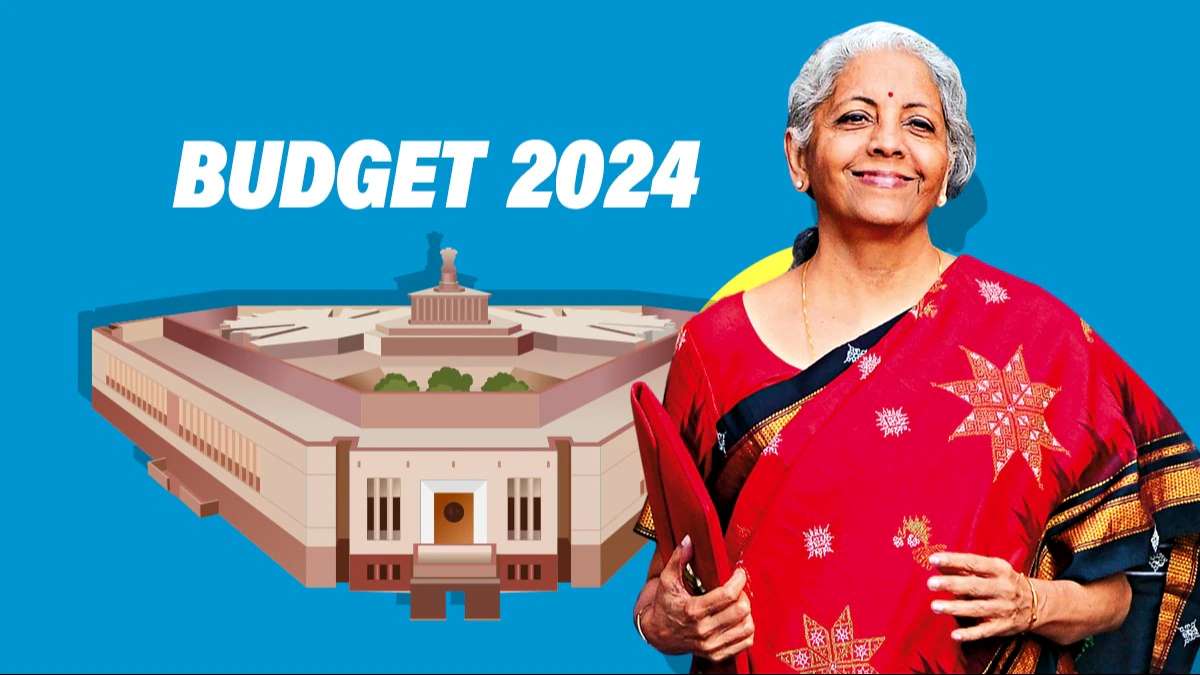
The Indian textile industry presented a mixed response to the interim budget announced today, welcoming government focus on investment and R&D while expressing concerns about slow implementation of schemes and continued financial stress. The industry seeks immediate relief for the financially stressed spinning sector and expects bolder policy announcements in the full budget to address competitiveness and growth concerns.
Key Takeaways:
• Industry appreciates increased focus on investment and R&D.
• Extension of RoSCTL scheme seen as positive for garment exports.
• Concerns remain regarding financial stress, import duty on cotton, and slow implementation of schemes.
• Full budget expected to address industry demands more comprehensively.
• Raw material structural issues remain a key concern for long-term growth.
CITI appreciates focus on investment, seeks relief for spinning sector
Confederation of Indian Textile Industry (CITI) Chairman Rakesh Mehra congratulated Finance Minister Nirmala Sitharaman for the budget, but highlighted the need for immediate relief for the financially stressed spinning sector. He noted the 27.6% increase in budget allocation for textiles, mainly due to Rs 600 crore allocated for cotton MSP operations.
Apparel industry welcomes RoSCTL extension, seeks more support
The Apparel Export Promotion Council (AEPC) Chairman Sudhir Sekhri welcomed the extension of the Rebate of State and Central Taxes and Levies (RoSCTL) scheme for apparel exports but called for increased allocation in the full budget considering the challenging global market. He commended the budget's focus on competitiveness and growth.
Industry disappointed by lack of policy changes
However, Sanjay Jain, Chairman of the ICC National Textiles Committee, expressed disappointment at the lack of major policy announcements, specifically regarding import duty on raw cotton and minimum import duty on knitted fabrics to counter Chinese dumping. He lauded the allocations towards technical textiles and R&D but stressed the need for faster implementation of existing schemes like PLI.
Interim Budget hints at future direction
“As an interim budget, it was anticipated that no significant announcements would be made, and indeed, there were no surprises. Nevertheless, the budget provided essential indicators of the anticipated direction for the July budget, emphasising key areas such as innovation, support for start-ups, sustainable development, job creation, and a dedicated focus on Women Empowerment and Domestic Manufacturing, aligning with the overarching theme of ‘First Develop India,’” says Rahul Mehta Chief Mentor, CMAI.
Full Budget expected to address key concerns
Sunil Patwari, Chairman of the Cotton Textiles Export Promotion Council (TEXPROCIL), welcomed the interim budget, stating that it "is centered around policies that will support India's economy as it continues to grow and approaches the $5 trillion mark." He particularly commended the increased allocation for the RoDTEP and RoSCTL schemes, noting that these measures will "lessen the burden of taxes and levies and provide a level playing field in the sector." However, he echoed the sentiments of other industry leaders in calling for bolder reforms in the full budget, particularly regarding raw material import duties and support for the spinning sector.
Industry leaders expressed hope that the full budget will address their concerns more comprehensively. Dr. S.K. Sundararaman, Chairman of The Southern India Mills' Association (SIMA), welcomed the overall increased allocation for textiles but urged the government to consider their demands related to raw material issues and exemptions in the full budget.
NCTO welcomes Homeland Security's textile plan
NCTO President and CEO Kim Glas has hailed the Department of Homeland Security's (DHS) proposed comprehensive textile enforcement plan, following a meeting with industry leaders. The plan aims to address mounting concerns over the textile and apparel sector, including calls for stricter enforcement and penalties, and the closure of the de minimis loophole.
Glas emphasized the severity of the situation, noting the loss of eight plants in just three months—a toll compounded by demand erosion and unfair trade practices. The industry's resilience, tested through historic crises like the Great Depression and the COVID-19 pandemic, is now under threat.
During the meeting, industry representatives highlighted three key priorities for Secretary Mayorkas:
Increasing enforcement and penalties under existing free trade agreements (FTAs).
Strengthening enforcement and penalties under the U.S. Foreign Trade Zones Act (UFLPA).
Closing the de minimis loophole, which allows millions of unchecked packages to enter the market, undercutting domestic producers.
Mayorkas pledged to collaborate with NCTO and industry stakeholders to develop a 30-day action plan for immediate textile enforcement. Glas expressed optimism about the forthcoming collaboration, underscoring the importance of safeguarding the industry's future.
The engagement between the DHS and textile industry signals a concerted effort to protect this critical supply chain and support domestic workers.
Archroma's Next-Gen Dye Tech: Avitera SE Gen Next
Archroma, a leader in sustainable specialty chemicals, launches Avitera SE Generation Next, an advanced dyeing technology for cellulosic fibers and blends. This innovation promises cost-effective, sustainable dyeing for dark and extra-dark shades.
Dhirendra Gautam, Archroma Textile Effects' Vice President of Product Marketing and Strategy, emphasizes its environmental benefits and financial viability for fashion and textile companies.
Avitera SE Generation Next offers high-speed low-temperature wash-off, saving up to 50% in water and energy usage. It also reduces CO2 emissions and effluent discharge by up to 50% and can boost mill output by 25% or more.
Three new dark colors are introduced, expanding options for color combinations with top-notch consistency. Notable additions include Avitera Black Pearl SE, Avitera Blue Horizon SE, and Avitera Night Storm SE.
Since its 2010 launch, Avitera SE has set sustainability standards, continually expanding its color palette and performance. Avitera SE Generation Next marks the fourth generation of this revolutionary dye solution, advancing economic and environmental sustainability in the textile industry.
Denim At Crossroads: Shifting styles and khaki's potential return

Denim, the iconic fabric of rebellion and self-expression, faces a crossroads in 2024. While still a wardrobe staple, evolving trends and consumer preferences is leading to a dynamic shift in casual wear. Denim now faces competition from the revival of khakis. But is this a complete dethroning, or simply a wardrobe diversification?
Comfort reigns supreme
The ‘comfy-casual’ wave reigns supreme post-pandemic. Consumers seek relaxed silhouettes and versatile pieces. Both denim and khakis tap into this trend, offering breathable and easy-to-wear options. Skinny jeans are fading, replaced by wide-leg, relaxed fits prioritizing comfort. "Consumers are demanding more comfortable, versatile clothing," points out Yasmin Shah, Head Designer at Levi Strauss India. "Wide-leg denim offers that, while still retaining a stylish edge." Meanwhile cargo pants and overalls, inspired by workwear, are gaining traction too. "This trend reflects the desire for functional yet fashionable clothing," explains Hiroto Kimura, Design Director at Japan's Edwin Jeans. "Cargo pockets add a touch of practicality without sacrificing style."
Sustainability emerges strong
Then there is a strong focus on sustainability with eco-conscious practices gaining traction. Brands are exploring organic cotton, recycled materials, and water-saving treatments, influencing both denim and khaki production. Eco-conscious consumers are driving demand for sustainable denim production. Brands like Nudie Jeans and Everlane are leading the charge with recycled materials and ethical practices. "We're using organic cotton and recycled materials," says Gabriela Perez, Sustainability Director at Spanish brand Desigual. "This resonates with a growing segment of our customers."
Personalization takes center stage
Customization and self-expression are key today. Denim offers endless possibilities for distressing, embroidery, and patches, while khakis can be tailored for a perfect fit. While khakis are seeing a revival, they are not replacing denim entirely. Both denim and khakis are adapting to trends like comfort, sustainability, and personalization. Consumers are diversifying their wardrobes with both options, catering to different occasions and styles. Khakis are shedding their traditional image, with cropped styles, jogger fits, and even tie-dye patterns emerging. "We're seeing khakis reinterpreted for a younger audience," says Michael Koh, CEO of Singaporean brand Benjamin Barker. "They're becoming a more casual, everyday option."
In fact, the lines between khakis and chinos are blurring, with fabrics and styles merging. "Consumers are looking for versatile pieces that can be dressed up or down," explains Sarah Jones, Marketing Director at American Eagle Outfitters. "This trend favors hybrid garments that offer both comfort and style."
Brands embracing both across geographies
Experts believe khakis and denim are not necessarily competing. "They cater to different needs and occasions," says Jean-Pierre Bertrand, CEO of French brand The Kooples. "Denim remains a go-to for casual wear, while khakis offer a more polished alternative." And across geographies the trend has caught up with brands offering both in tandem.
In the US for example, Levi's, the denim giant, is embracing comfort with looser fits and incorporating sustainable practices. Levis Strauss has launched a water-saving "WellThread" denim line, catering to the sustainability trend. Meanwhile, J.Crew is leading the khaki resurgence with updated chinos in various colors and cuts. US brand American Eagle Outfitters features hybrid "chino-joggers," blurring the lines between categories.
In Europe, Italian brands like Canali are offering premium khakis with innovative fabrics and refined fits. In France, Sandro focuses on relaxed denim pieces with feminine details. Desigual from Spain has incorporated recycled materials into their denim collection, aligning with eco-conscious preferences.
In Asia, Singapore brand Benjamin Barker offers cropped and jogger-style khakis, appealing to a younger audience. Uniqlo in Japan offers affordable, comfortable denim and khakis for both men and women. Japan's ‘UraHara’ Streetwear is the resurgence of loose-fit, distressed denim aligns with the UraHara (Harajuku underground) revival in Japan. Brands like Wtaps and Neighborhood showcase this trend, emphasizing individuality and comfort. Similarly, Edwin Jeans from Japan introduced a line of ‘Relax Fit’ cargo pants, tapping into the utility trend.
Denim holds ground as khakis emerge strong
So, is one replacing the other? Not necessarily. Denim retains its iconic status and versatility, particularly for younger demographics. Khakis are experiencing a resurgence offering a polished and comfortable alternative for work, travel, and even dressed-down occasions. It's more about expansion than replacing. Consumers are embracing both, creating a more diverse casualwear landscape. As Francesca Rissi, Director of Menswear Design at Etro (Italy) says "Denim will always be a staple, but khakis offer a sophisticated alternative for casual occasions."
As for brands it also makes business sense, as Hiroaki Matsukuma, CEO, Uniqlo (Japan) explains: "Offering both denim and khakis allows us to cater to diverse customer preferences and lifestyles." The bottomline is the future of casual wear is not a binary choice between denim and khakis. It's a mix of diverse materials, styles, and values, reflecting the ever-evolving preferences of a global audience. Denim's evolution reflects changing consumer preferences for comfort, sustainability, and versatility. Khakis are not replacing denim, but rather adapting and expanding their appeal. Both fabrics have a place in the ever-evolving world of casualwear, offering distinct styles and functionalities. The future lies in brands that can cater to these diverse needs and preferences, ensuring both denim and khakis remain relevant and stylish for years to come.
Can e-com directly connect apparel manufacturing countries with western consumers?
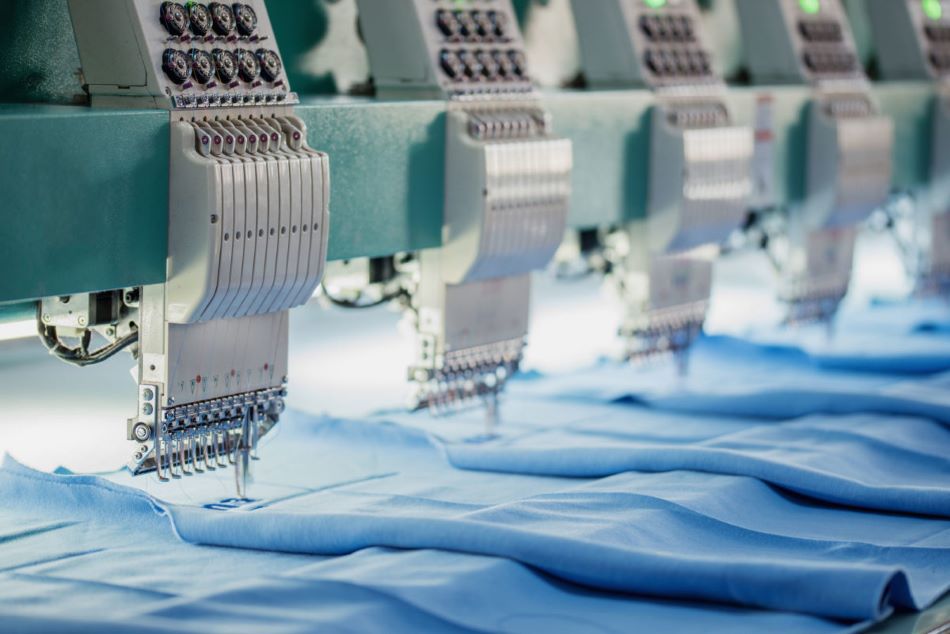
A new study by the International Finance Corporation (IFC) and LightCastle has sparked a debate in the Bangladeshi garment industry: Can e-commerce platforms directly connect manufacturers with Western consumers, cutting out middlemen and boosting profits? The research suggests immense potential, with an estimated $489 million in additional revenue by 2027 across the US, EU, and Africa.
However, while Bangladesh's story is compelling, it's not the only one. Manufacturers in Vietnam, another textile powerhouse, are increasingly turning to e-commerce platforms like Alibaba and Amazon to sell directly to consumers. Vietnamese firms like Sacomtex and Vinatex are building their online presence, offering customized clothing and competing with established Western brands.
Building a virtual bridge
The shift to e-commerce presents both challenges and opportunities. Establishing international warehouses closer to target markets, streamlining customs and logistics, and navigating complex banking regulations are all hurdles to overcome. However, the potential benefits are significant. And these include: reduced costs, shorter lead times, and direct access to consumer preferences.
The IFC study identifies several key benefits of e-commerce for Bangladesh garment manufacturers:
• Reduced lead times: Bypassing traditional intermediaries can streamline the process, leading to faster delivery and happier customers.
• Cost-effectiveness: Cutting out middlemen translates to lower prices and potentially higher profits for both producers and consumers.
• Simplified business procedures: Online platforms can streamline international trade complexities, making it easier for Bangladeshi suppliers to reach global markets.
• Direct access to consumers: E-commerce allows brands to connect directly with end consumers, fostering brand loyalty and providing valuable market insights.
Turkey's success story
Turkey's ‘Made in Turkey’ platform offers a promising example. Launched in 2019, it connects Turkish apparel manufacturers with global buyers, eliminating intermediaries and showcasing diverse product offerings. The platform has fostered increased exports and brand recognition for Turkish textiles.
India too has tried this path. The ‘Make in India’ initiatives are promoting online marketplaces for Indian apparel, tapping into the country's rich textile heritage. These examples highlight the potential of e-commerce to empower garment-producing nations, fostering economic growth and job creation.
The garment industry in Bangladesh, and other developing nations, needs government support to navigate the e-commerce transition. Streamlining customs procedures, facilitating cross-border payments, and fostering digital literacy among manufacturers are crucial steps. Bangladesh's BGMEA president, Faruque Hassan, advises simplified trade regulations and policy support to empower local entrepreneurs to establish virtual marketplaces.
E-commerce: A future beyond garment exports
The potential of e-commerce extends beyond the garment industry. As Hassan rightly points out, virtual platforms can empower manufacturers in various sectors to reach international markets. From furniture and handicrafts to agricultural produce, e-commerce offers a direct route to consumers, bypassing traditional trade barriers and empowering producers in developing economies.
The road does throw up numerous challenges. These include:
• Policy hurdles: Streamlining customs, port, and banking regulations is crucial to facilitate smooth online transactions.
• Logistics complexities: Establishing international warehouses and navigating the Red Sea shipping impasse require innovative solutions.
• Digital infrastructure: Building a robust e-commerce ecosystem requires investment in technology and digital skills.
While challenges remain, the potential of e-commerce for apparel exports is undeniable. Manufacturers in Bangladesh, Vietnam, and beyond must adapt to the digital landscape, embrace new technologies, and collaborate with governments and industry partners to build efficient virtual marketplaces. This not only holds the promise of increased profits but also empowers producers, promotes fair trade practices, and ultimately shapes a more equitable global marketplace.
H&M Group appoints Daniel Erver as new CEO, Helena Helmersson departs
The H&M Hennes & Mauritz AB board of directors has made a significant leadership change, appointing Daniel Erver as the new President and CEO of the H&M group. Erver, who brings 18 years of experience within the company, notably as the head of H&M, replaces Helena Helmersson, who has decided to step down from her role.
Acknowledging Helmersson's pivotal role in steering the company through tumultuous times marked by the pandemic and global economic shifts, Karl-Johan Persson, Chair of the H&M group, expressed gratitude for her leadership. He emphasized the positive profitability trend and the company's strong position for further growth in 2024.
In assuming the CEO position, Daniel Erver pledges to uphold the company's commitment to delivering value, growth, and sustainability to its customers. With a diverse background within H&M, including roles in merchandising, country management, and purchasing, Erver's appointment signifies the board's confidence in his ability to lead the company forward.
Helena Helmersson, with 26 years of service at H&M, reflected on her journey within the company, expressing mixed emotions about departing from the CEO role. Despite the challenges faced during her tenure, she emphasized her pride in the company's achievements and its enduring strengths in brand identity and sustainability.
Daniel Erver, aged 42, started his journey with H&M as a summer trainee in 2005, eventually advancing to leadership positions within the organization. Armed with a Master's in Business Administration, his appointment underscores the board's confidence in his leadership abilities to navigate the company towards continued success.
As Helmersson prepares for her departure, she ensures a smooth transition while contemplating her next steps beyond H&M, leaving behind a legacy of resilience and dedication to the company's mission.
Turkish apparel aims for $40B exports in EU & US
At a summit uniting Turkish apparel manufacturers, global brands, and purchasing groups, Mustafa Gültepe, President of TIM and IHKIB, emphasized the pivotal role of European and US markets in achieving a $40 billion export milestone. Gültepe highlighted that Turkey exports 60% of its apparel to EU countries, a figure that climbs to 75% when considering other European nations and the USA. He underscored the industry's strategic importance for the Turkish economy and emphasized the need to intensify efforts in these key markets.
The summit, themed 'Green Transformation,' convened stakeholders to discuss initiatives aligning with the Green Deal. Gültepe's address emphasized Turkey's status as a global apparel player and outlined plans to double current annual exports to $40 billion, with a clear focus on European and American markets. He emphasized Turkey's competitive edge in design, production quality, and geographical proximity to these markets.
Furthermore, Gültepe urged global brands not to solely prioritize pricing but to consider sustainability and partnership longevity. He emphasized Turkey's commitment to integrating sustainability into its advantages and called for collaborations grounded in sustainability principles.
Following Gültepe's remarks, presentations by key figures such as Euratex Director General Dirk Vantyghem and Deputy Director General of the Ministry of Trade Bahar Güçlü delved into sustainability strategies and legal implications of the Green Deal. Deputy Secretary General of ITKIB, Özlem Güneş, highlighted the opportunities the Green Deal presents for Turkey's apparel industry and outlined IHKIB's efforts in adapting to its requirements.
The summit underscored Turkey's strategic imperative to leverage its strengths in the apparel sector, particularly in sustainable practices, to secure growth in lucrative markets. Gültepe's call for collaboration based on sustainability signals a proactive approach to industry challenges, positioning Turkey as a key player in the global apparel landscape.











