


FW
Global fabrics market on steady growth trajectory
The fabrics market is poised for robust growth, with projections indicating a surge from $116.67 billion in 2023 to $123.42 billion in 2024, and a further climb to $148.78 billion by 2028, according to ResearchAndMarkets. A compound annual growth rate (CAGR) of 5.8 per cent is anticipated for the immediate future, driven by factors such as economic dynamism in emerging markets and the burgeoning automotive industry.
These trends are supplemented by a heightened demand for man-made fibers. Looking ahead, the market is expected to witness a steady ascent, with a CAGR of 4.8 per cent through 2028, attributed to the rise of e-commerce, burgeoning sportswear demand, population growth, and technological advancements.
Key emerging trends include the adoption of blockchain, digital textile printing, and the development of smart fabrics. Additionally, the integration of robotics and artificial intelligence in manufacturing processes underscores a shift towards advanced production methodologies. Notably, the fabrics manufacturing market stands to benefit from the surge in online shopping, enabling manufacturers to expand their reach globally.
Furthermore, the demand for home furnishing fabrics is expected to soar, propelled by consumer preferences for personalized decor. Market players are strategically focusing on natural fabrics to bolster their product offerings. Asia-Pacific leads the market, followed by Western Europe, with a comprehensive global market analysis covering key regions including North America, South America, Middle East, and Africa.
The rapid adoption of smart fabrics across diverse sectors, ranging from fashion to healthcare, signifies a transformative shift in textile technology. These fabrics, capable of interacting with their environment, offer a spectrum of applications from medical diagnostics to performance monitoring in sports. Major companies are investing in natural fabric innovations, signaling a paradigm shift towards sustainable and eco-friendly textile solutions.
Milan Hosts CTF 2024: Driving sustainable fashion innovation
Milan's Centro Congressi Fondazione Cariplo is set to become the epicenter of sustainable fashion innovation on May 14th and 15th as it hosts the fourth edition of CTF-Challenge The Fabric. Organized by Ekman & Co and the Swedish Fashion Council (SFC), the event aims to unite stakeholders across the supply chain of man-made cellulosic fibers (MMCF), including industry leaders from fashion, textiles, and forestry.
MMCFs, derived from sources like wood and agricultural waste, are gaining prominence for their regenerative properties. With sustainability at the forefront, CTF 2024 emphasizes the importance of responsibly sourced cellulose and eco-friendly manufacturing processes.
This year's event reintroduces the CTF Award, spotlighting designers who harness MMCF materials. Among the speakers are representatives from industry giants like Birla, Kering Group, and Puma Sodra, alongside emerging talents like Forbes-listed Paolina Russo.
Russo's debut capsule collection, featuring Spinnova—a sustainable, mechanically produced fiber—challenges perceptions of vibrant, eco-conscious fashion. The collection, comprising a mini skirt, oversize jacket, and jeans, showcases the creative potential of bio-based materials.
As part of the Challenge the Fabric Award, designers are encouraged to embrace MMCFs and explore alternatives to traditional fabrics. With a full-day symposium facilitating dialogue and action, CTF 2024 is poised to drive meaningful change in the fashion industry's sustainability landscape.
Cotton production expected to rebound in 2024/25, says USDA's May WASDE report
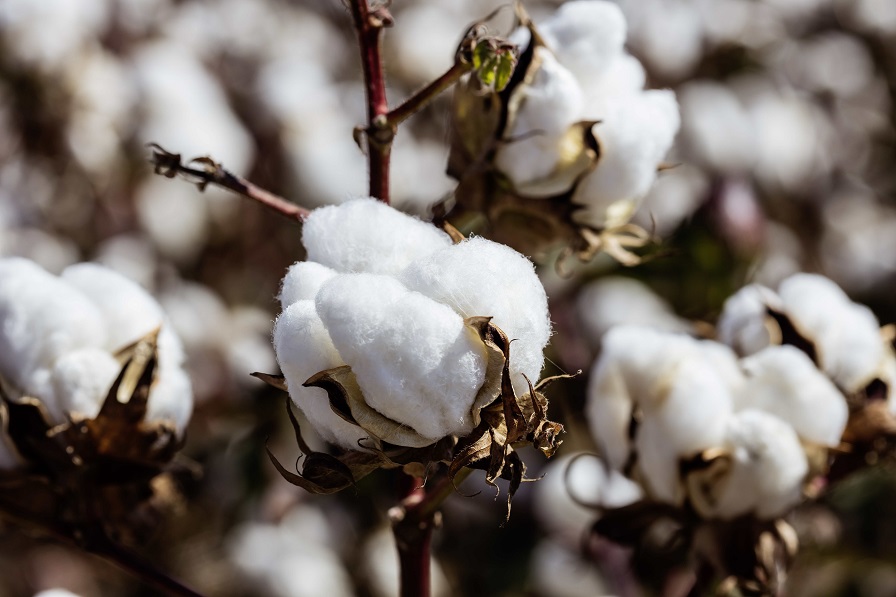
The U.S. Department of Agriculture (USDA) released its May World Agricultural Supply and Demand Estimates (WASDE) report on May 10th, 2024, providing insights into the future of cotton production and consumption. The report offers a more optimistic outlook for the 2024/25 season compared to the previous year.
U.S. production poised for increase
The May WASDE report projects a significant increase in U.S. cotton production for the upcoming season. Here's a breakdown of the key data points:
|
Factor |
2023/24 (Actual/Estimate) |
2024/25 (Forecast) |
Change |
|
Planted Area (million acres) |
Not Applicable |
10.67 |
N/A |
|
Harvested Area (million acres) |
6.4 |
9.1 |
+2.7 |
|
Production (million bales) |
12.1 |
16 |
+3.9 |
The projected increase in production is attributed to a rise in planted area and lower abandonment rates compared to 2023/24. This is welcome news for cotton producers who have faced challenges in recent seasons.
Global cotton trends
The May WASDE report also forecasts a global increase in cotton production and consumption in 2024/25. Here's a glimpse into the global projections:
|
Factor(million bales) |
2023/24 (Estimate) |
2024/25 (Forecast) |
Change |
|
Production |
120 |
125.4 |
+5.4 |
|
Consumption |
118 |
121.5 |
+3.5 |
|
Ending Stocks |
80.5 |
83 |
+2.5 |
The larger global production is expected to be driven by increased plantings and yields in major cotton-producing countries like Brazil, Turkey, and the United States. However, this growth is likely to outpace consumption, leading to a projected rise in ending stocks.
Market implications
The May WASDE report's projections for increased cotton production could put downward pressure on cotton prices in the upcoming season. However, the overall supply and demand situation remains dynamic and will be influenced by various factors, including global economic conditions and trade policies.
Looking ahead
The USDA's WASDE report serves as a valuable tool for cotton industry stakeholders to make informed decisions. While the May report offers a positive outlook for production, it's crucial to monitor future WASDE reports and other market indicators to stay updated on the evolving cotton market landscape.
Tapestry anticipates over 6.6 billion revenue growth in fiscal 2024
The company behind Coach and Kate Spade, Tapestry anticipates fiscal 2024 revenue to exceed $6.6 billion, slightly lower than the initial expectation of about $6.7 billion.
Tapestry’s third-quarter net sales fell short at $1.48 billion compared to the anticipated $1.50 billion, while adjusted earnings per share stood at 82 cents, surpassing estimates of 67 cents.
Recently, Tapestry had to cut its annual sales forecast as it missed third-quarter revenue estimates. This company reported subdued demand for its handbags and accessories in both North America and China.
Reduced consumer spending in North America, fueled by escalating prices, coupled with a fragile post-pandemic recovery in China, contributed to the weakened demand for Tapestry's products.
Joanne Crevoiserat, CEO attributed this decline to low consumer confidence in North America, likely influenced by persistent inflation. Revenue in North America, which comprised 61 per cent of the 2023 revenue, saw a 3 per cent decrease, while sales in Greater China slipped 2 per cent.
Analysts, such as Rachel Wolff from Emarketer, anticipate a gradual recovery in mainland China, potentially driven by increasing demand for international travel.
Despite the sales slump, Tapestry exceeded profit expectations, thanks to improved margins from full-priced product sales, reduced freight costs, and disciplined expense management.
Tapestry's $8.5 billion acquisition of Capri, the owner of Michael Kors, faces legal challenges from antitrust regulators, who argue it would eliminate healthy competition between the flagship brands. However, Tapestry remains optimistic about the deal's merits and its potential benefits for consumers.
Demand for DTY rises in 2024
In 2024, the nylon filament yarn (NFY) market experienced a notable shift from the previous year. While full drawn yarn (FDY) reigned as the star product during 2023, commanding advance orders and supply shortages across specifications, in 2024, the spotlight turned to Drawn Textured Yarn (DTY).
This change stems from underlying shifts in supply and demand. In retrospect, DTY's profit fluctuations have historically been intertwined with surface price trends and demand fluctuations, notably seen during the challenging period in the latter half of 2022. During this time, an influx of new production capacity coincided with decreased consumption due to the pandemic, leading to severe losses.
However, the tide turned in 2023 as the pandemic situation improved and demand surged, particularly driven by sun protection products. This sparked a significant uptick in DTY applications across various sectors, from leisurewear to intimate apparel, and even specialty items like shark pants and Barbie pants. Notably, exports also soared, indicating a broader market embrace of DTY.
In 2024, the demand momentum from the previous year persisted, with a continued focus on porous filament applications. While no groundbreaking new applications emerged, DTY's market resilience outshone FDY due to supply dynamics. Unlike FDY, which saw a rapid expansion in production capacity in response to heightened demand, the DTY market had seen its last significant capacity expansion in 2021-2022. This led to a tighter supply-demand balance for DTY, especially as demand continued to grow steadily in 2024.
Despite the absence of major new applications, the existing DTY capacity is already stretched thin, running at full capacity. Consequently, supply struggles to keep pace with demand, resulting in backlogs and supply tightness. This trend is expected to persist as the lead time for planning and commissioning new projects elongates.
Hanesbrands net sales decline by 17% during Q1, FY24
Net sales of leading US-based apparel manufacturer, Hanesbrands declined by 17 per cent to $1.16 billion during Q1, FY24 as against the corresponding quarter previous year.
The global sales of the Champion brand grew in regions such as Japan, China, and Latin America. However, this growth was overshadowed by a 26 per cent decrease in the sales of the brand on a reported basis and a 25 per cent decrease on a constant currency basis compared to the corresponding period last year.
Both gross profit and adjusted gross profit of Hanesbrands increased by an approximate 2 per cent Y-o-Y during the quarter. Notably, it’s gross margin and adjusted gross margin improved by 750 and 720 basis points to reaching 39.9 per cent, underscoring the effective cost management and operational efficiencies of the company.
The company’s selling, general, and administrative expenses rose by 4 per cent to $409 million. It’s operating profit increased by 4.5 per cent to $52 million while adjusted operating profit rose by 32 per cent to $84 million.
On a less favorable note, the company’s net loss widened to $39 million during the quarter as against the corresponding quarter of the prior year. However, the adjusted net loss improved to $7 million from a loss of $21 million in the first quarter of 2023.
Segment-wise, innerwear sales dropped by 8 per cent due to higher-than-anticipated inventory management actions by certain retailers. Activewear sales saw a steep decline of 31 per cent, or $97 million. International sales also decreased by 12 per cent on a reported basis.
Fabiola Torres appointed as the new Chief Marketing Officer for Gap
Gap has appointed Fabiola Torres, Marketing Head, PepsiCo as its new Global Chief Marketing Officer. At PepsiCo, Torres spearheaded marketing activities for both the energy drinks division and the Hispanic business unit.
Prior to this, Torres was engaged with several esteemed companies such as Nike and Apple. At Nike, she served as the head of the global sneaker division, playing a pivotal role in the launch of the groundbreaking Nike Sneakers destination mobile app.
As the global chief marketing officer at Gap, Torres is mandated with overseeing the various facets of the brand's operations, including marketing strategies, creative endeavors, visual merchandising, store experiences, and operational efficiencies.
Expressing confidence in Torres’ ability to lead the company, Mark Breitbard, CEO, Gap brand, highlighted her aptitude for navigating transformational landscapes, her ability to cultivate brands that resonate with culture, and her steadfast commitment to purpose-driven leadership.
Bangladesh garment exports to non-traditional markets grow by 11.69% Y-o-Y from Jul’ 24-Jan’25
Bangladesh is increasingly turning towards non-traditional markets with garment shipments to these markets increasing by 11.69 per cent Y-o-Y to $5.46 billion in the July-January period of the fiscal year 2023-24. Among the identified potential export markets for Bangladesh, Japan stands out prominently.
In the fiscal year 2022, Bangladesh earned apparel export earnings worth $1.09 billion from Japan and aims to double this figure by fiscal year 2023. Japan ranked as the third-largest importer of apparel globally during the year, trailing behind the European Union and the United States, with imports totaling $27 billion, as per Statista. Japan's adoption of the China-plus-one strategy, driven by factors like rising costs in China and diversification efforts by Japanese companies, boosts Bangladesh's prospects.
As per data from the International Trade Centre, Bangladesh's share in the Japanese clothing market has been steadily growing since 2017, reaching nearly 5 per cent in 2021, With Bangladesh set to graduate from least developed country status in 2026, Japanese retailers express interest in maintaining duty-free market access, fostering a conducive trade environment between the two nations.
Moreover, Japanese apparel retailers such as Fast Retailing (owner of Uniqlo), Adustria, BAPE, GU, and Muji source millions of products from around 300-350 Bangladeshi factories. This collaboration underscores the potential for more garment exporters to tap into the Japanese apparel market, provided they conduct thorough market analysis to tailor effective marketing strategies that resonate with Japanese brands and buyers. Additionally, there's growing interest from buyers and brands in investing in Bangladesh's man-made fiber industry, signaling further opportunities for collaboration and growth.
Abacus Sportwear launches bespoke golf wear in Spring/Summer 2024 collection
Abacus Sportswear's Spring/Summer 2024 collection introduces a bespoke range of golf wear infused with cutting-edge technology.
The collection has been meticulously crafted to elevate both style and comfort on the greens. At the heart of the collection lies Drycool, a game-changing material innovation designed to keep golfers dry and comfortable even in the most sweltering conditions. Engineered to facilitate the movement of moisture from the inside to the outside of the garment, Drycool ensures rapid evaporation, thus ensuring a cool and dry experience throughout the game.
The collection features an array of technical garments, each meticulously designed to offer unparalleled comfort and style. From polos to shorts, skorts, and trousers, every piece is imbued with Drycool technology to deliver optimal performance.
The men's and women's polo shirts, for instance, seamlessly blend Drycool technology with stretch fabric, providing golfers with complete freedom of movement without compromising on cooling and moisture-wicking properties. Standout pieces include the Wickham Drycool polo, adorned with a vibrant palm tree print, and the Marco Drycool polo, boasting bold contrasting stripes across the chest.
For bottoms, the collection offers Kildare shorts and trousers, crafted from lightweight polyester/spandex material with 4-way stretch and Drycool. These versatile pieces ensure the highest levels of comfort both on and off the course, with thoughtful details such as multiple pockets and relaxed fits for women's shorts.
Ladies with a penchant for skorts can choose between the elegant Juliet and the functional Kildare skorts, both featuring 4-way stretch and Drycool technology. With breathable and wicking properties, these skorts offer the perfect blend of style and performance, complemented by convenient pockets and adjustable waistbands.
Completing the collection are the Kildare trousers, available in classic chino style for both men and women. With exceptional breathability and 4-way stretch, these trousers are ideal for hot summer days on the course, offering a perfect balance of comfort and style.
Abacus Sportswear's SS24 collection redefines golf apparel, combining innovative technology with timeless design to empower golfers to excel in every swing, while staying cool and comfortable under the sun.
China's Luxury Market: Hitting the brakes on a high-speed ride
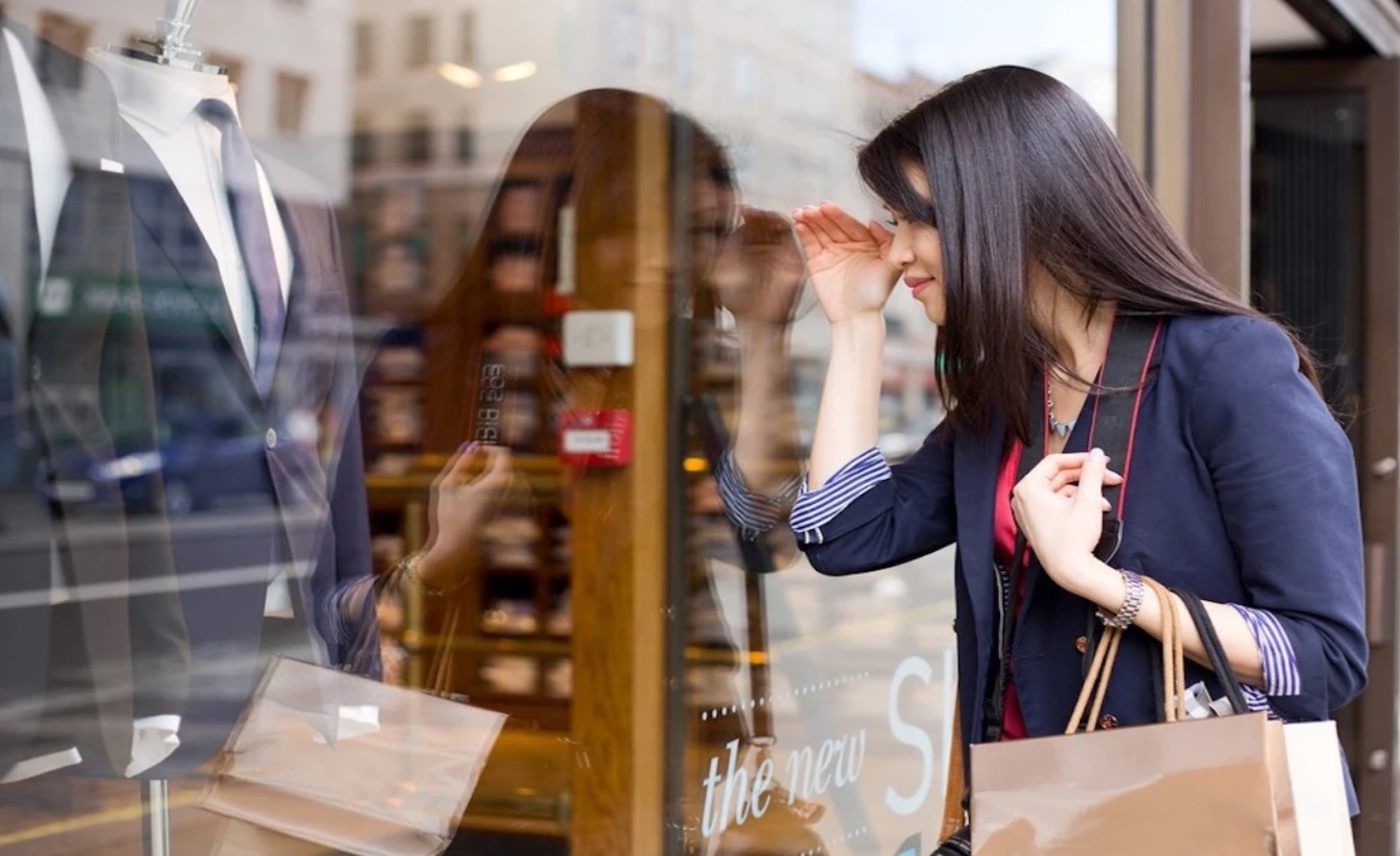
China's luxury market, once a growth engine for global brands, has hit a rough patch. After years of double-digit expansion, sales dipped by 10 per cent in 2022, marking the first decline in five years reveals Bain & Company’s study, ‘Setting a New Pace for Personal Luxury Growth in China’. This shift in consumer behavior has sent ripples through the luxury industry, prompting brands to adapt their strategies.
Reasons for the downturn
Several factors have contributed to the market's turbulence viz:
Zero-Covid policy: Strict lockdowns and travel restrictions hampered in-person shopping and duty-free purchases, a significant portion of Chinese luxury spending says Daxue Consulting study, ‘China's luxury market: shifting consumer values & retail experience’. The strict lockdowns and travel restrictions severely hampered in-person shopping and duty-free purchases, which were a major driver of luxury sales.
Economic jitters: A cooling real estate market, rising unemployment, and Covid anxieties dampened consumer confidence and discretionary spending reports Jing Daily in ‘From boom to uncertainty: Luxury brands face uphill battle as China's growth slows’.
Shifting priorities: Younger generations, a crucial growth engine, are prioritizing experiences and value over logos, with a growing focus on sustainability and social responsibility say McKinsey & Company study. Sustainability and ethical practices are becoming more important purchase drivers.
Impact on global brands
The 2022 market decline hit major brands hard. Kering, which owns Gucci and Saint Laurent, reported a 13 per cent sales drop in China. LVMH, home to Louis Vuitton and Dior, saw a more moderate 3 per cent decline. Indeed, China's share of global luxury sales is significant. For Kering, China accounted for 32 per cent of sales pre-pandemic, while LVMH got around 30 per cent from the region.
Table: Dip in sales of leading luxury brands
|
Brand |
Parent Company |
% Share of China Sales (Global) |
Sales Growth in China (2022) |
|
Louis Vuitton & Christian Dior |
LVMH |
~40% |
-10% |
|
Chanel |
N/A |
~30% |
Not publicly available |
|
Gucci & Bottega Veneta |
Kering |
~35% |
-15% |
|
Hermès |
N/A |
~40% |
Low single-digit decline |
|
Prada & Miu Miu |
Prada Group |
~35% |
-8% |
To adapt to the changing situation luxury brands are ramping up their online presence, offering seamless e-commerce experiences and leveraging social media marketing to reach younger consumers. They are also expanding their domestic store networks due to less international travel in smaller cities and tailoring marketing campaigns to local preferences. Experiential retail is on the rise as luxury brands are creating immersive in-store experiences to engage customers and build brand loyalty. This includes exclusive events, personalized services, and interactive displays.
China's allure endures
Despite the challenges, China remains a crucial market for luxury brands in the long term. In the short-to-mid term recovery is expected with ease as consumer confidence rebounds. However, pre-pandemic growth rates might not be immediately replicated. In the long term China's luxury market is projected to see continued growth, driven by a rising middle class and evolving consumer preferences. Brands that adapt to the changing landscape and cater to a more sophisticated shopper will be well-positioned to succeed.
The highlight is China's luxury market is undergoing a significant transformation. While the immediate future might be bumpy, brands that embrace digitalization, cater to local preferences, and prioritize sustainability are likely to thrive in the long run. The focus is shifting from conspicuous consumption to a more discerning and experience-driven approach to luxury.











