Bangladesh is increasingly turning towards non-traditional markets with garment shipments to these markets increasing by 11.69 per cent Y-o-Y to $5.46 billion in the July-January period of the fiscal year 2023-24. Among the identified potential export markets for Bangladesh, Japan stands out prominently.
In the fiscal year 2022, Bangladesh earned apparel export earnings worth $1.09 billion from Japan and aims to double this figure by fiscal year 2023. Japan ranked as the third-largest importer of apparel globally during the year, trailing behind the European Union and the United States, with imports totaling $27 billion, as per Statista. Japan's adoption of the China-plus-one strategy, driven by factors like rising costs in China and diversification efforts by Japanese companies, boosts Bangladesh's prospects.
As per data from the International Trade Centre, Bangladesh's share in the Japanese clothing market has been steadily growing since 2017, reaching nearly 5 per cent in 2021, With Bangladesh set to graduate from least developed country status in 2026, Japanese retailers express interest in maintaining duty-free market access, fostering a conducive trade environment between the two nations.
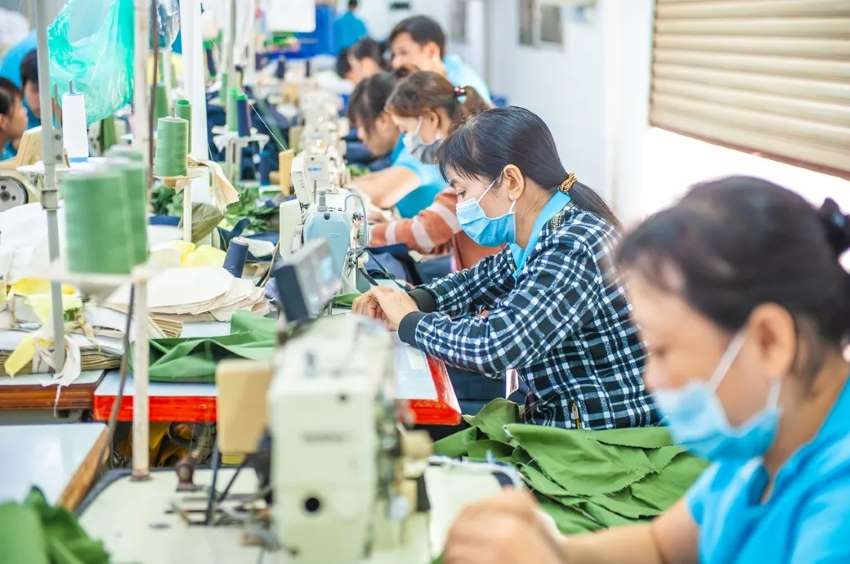
Moreover, Japanese apparel retailers such as Fast Retailing (owner of Uniqlo), Adustria, BAPE, GU, and Muji source millions of products from around 300-350 Bangladeshi factories. This collaboration underscores the potential for more garment exporters to tap into the Japanese apparel market, provided they conduct thorough market analysis to tailor effective marketing strategies that resonate with Japanese brands and buyers. Additionally, there's growing interest from buyers and brands in investing in Bangladesh's man-made fiber industry, signaling further opportunities for collaboration and growth.