FW
CITI urges government to extend tax incentive scheme to textile industry
CITI has asked the government to extend the tax incentive scheme to the entire textile industry to combat a sluggish market. The organisation has also requested the government to transfer its subsidies directly to farmers’ bank accounts instead of offering them a minimum support price for their goods.
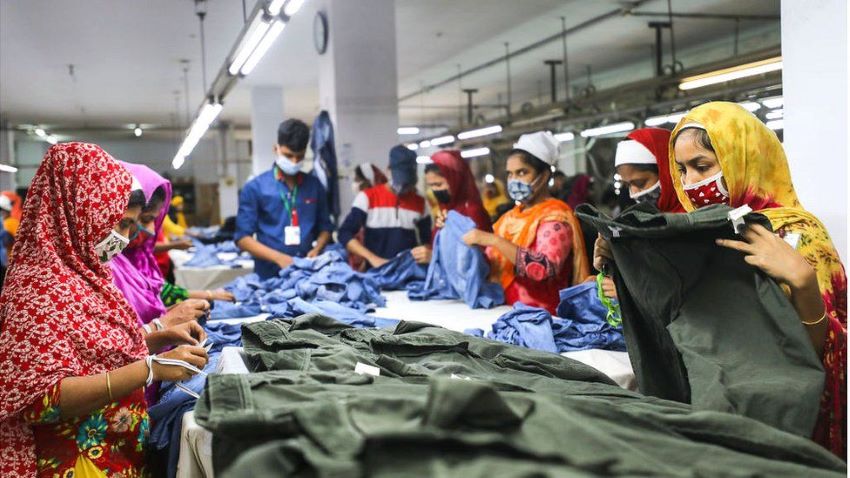
Sanjay Jain, Chairman says, textile and clothing segments are presently going through a deep crisis due to uncompetitive fibre prices, declining exports, incompetitiveness of our products in international markets, embedded taxes not getting refunded, and lack of working capital, among others. Exports of cotton yarn are also suffering. Fibre exports dipped 33 per cent during the first quarter of current financial year which ended in June with exports at 226 million kg compared to 338 million kg during the same time period a year ago. Domestic demand for textile also declined around 15 per cent.
CITI hopes for increased market incentives but also warns against promoting new spinning mills. It has urged the government to refrain from incentivising new spinning mills for three years to make sure that existing mills do not turn idle. It should instead focus on keeping operational mills going, especially that many spinning mills across India have cut prediction by between 15 per cent and 50 per cent due to reduced textile demand.
Weavers shut shop in Surat
Prior to GST, there were 6.50 lakh power loom machines in Surat. Post-GST, the total number of weaving machines has been reduced to 5.50 lakh. Polyester fabric production has fallen by almost half in the country’s largest manmade fabric hub. The high cost of raw material, including yarn, is posing a major challenge to the manmade fabric sector. Also, the import of cheap fabrics from China, Bangladesh and other Asian countries has cast a dark shadow on the sector. The quantum of investment in manmade fabrics has significantly reduced under the Amended Technology Upgradation Fund (ATUF) scheme due to the drastic cut in subsidy provided. About seven approved projects have come to a standstill. To compete with global competition, shuttle-less looms are a must to maintain quality in weaving. However, restoration of 30 per cent subsidy under the ATUF is the need of the hour to maintain modernisation in the manmade fabric sector.
Some 20 textile dyeing and processing mills in Surat have shut shop. One reason is falling demand for polyester. Daily production has gone down to three crore meters a day from 4.5 crore meters a day. Production costs have also increased by 15 per cent to 25 per cent due to a rise in labor and raw material charges. Surat has some 325 mills.
Manmade fibers replace cotton
The manmade fiber industry contributes two per cent to India’s GDP and provides jobs to over 18 million people directly and more than 20 million indirectly. Given the increasing focus on protecting the environment, the demand for manmade fiber textiles as a substitute for cotton is growing globally. Increasing price volatility, durability and sustainability concerns have made leading fashion brands gradually shift the fiber mix in favor of synthetic fibers, especially polyester and viscose. Currently manmade fibers dominate global textile fiber consumption. The ratio is manmade fibers 72 per cent and natural fibers 28 per cent. The share of manmade fibers has been steadily increasing due to cutting-edge technology.
Manmade fibers contribute 16 per cent to total textile and clothing exports from India. Technical textiles are expected to see a significant growth in coming times. India exports the manmade fiber textile value chain, including fiber, yarn, fabrics and made-ups to nearly 140 countries. More than 60 per cent of India’s exports are of value-added items such as made-ups and fabrics. India produces over 1,441 million kg of manmade fibers and over 3,000 million kg of manmade filaments annually. India is the second largest producer of polyester and viscose in the world.
Weavers protest anti-dumping duty on imported yarn
Powerloom weavers in the country’s largest manmade fiber sector have decided to protest against the spinners of nylon filament yarn for forcing them to sign a petition in favor of anti-dumping duty on the yarn imported from China and other countries.
Leaders of the powerloom industry stated nylon filament yarn spinners are circulating the petition amongst the nylon yarn weavers for signing in favor of the anti-dumping duty. The petition states that the surge of imported yarn at differential prices is affecting profitability of fabrics.
There is no technical support or any complaint redressal system with imported yarn and no consistency f manufacturers. However, we have been regularly buying nylon yarn manufactured by Indian spinners and thus the anti-dumping duty on imported yarn is called for.
Itochu to support Ethiopian textile industry
Japanese trading house Itochu will provide support for Africa’s textile industry, starting with Ethiopia, which has emerged as an alternative production base to Asia. This will mark the first full-scale production by a Japanese company in the East-African country. Ethiopia’s low labor costs have prompted western brands such as Gap and H&M as well as Chinese and Indian apparel companies to make inroads here.
Itochu has signed an MoU with the Ethiopian Textile Industry Development Institute on promoting the textile sector. The company will dispatch its own employees in addition to five outside Japanese experts to two factories in northern Ethiopia’s Tigre region. The plants will make apparels for export to Japan.
Itochu handles clothing manufacturing from spinning to sewing in such bases as Vietnam and Myanmar. The company aims to quintuple Ethiopian manufacturing efficiency in three years by reviewing productions steps and labor management
Redress to showcase 10 new collections at fashion design competition
Redress, the Hong-Kong based environmental charity will showcase 10 new collections at the Grand Final of the world’s largest sustainable fashion design competition-the Redress Design Award-on September 5, 2019. The collections also included menswear for the first time alongside women’s wear and unisex lines. Create Hong Kong (Create HK) will be lead sponsor of the event which will showcase collections from India, Germany, Canada, Australia, UK, Israel and Spain. These were shipped by the event’s long-term partner UPS. It will also include collections from two Hong-Kong based finalists.
The finalists of this cycle were challenged to incorporate sustainably sourced Eastman Naia TM fabrics into their 100 per cent textile waste-based collection pieces. The team behind the shoot of this collection celebrates the powerful influence that these collections possess to break the stigma of reused and recycled fabrics. The artistic direction of the photoshoot features bright backdrops of artistically torn paper and referenced the breakthrough of sustainable fashion into the mainstream. Renowned fashion photographer Donald Chiu and Hong Kong-based styist Kieran Ho led the photoshoot to capture these collections at creative collaborative workspace.
The Redress Design Award 2019 will offer a number of invaluable prizes. The winner of the first prize will collaborate with a team of fashion leaders on a contemporary sustainable collection for one of the brands of JNBY Group which will retail in their stores across the globe. The runner-up will be awarded with a personal and tailored mentorship with distinguished fashion designer and Redress Design Award Judge Orsola de Castro.
Global spandex market growing at 10 per cent
The global spandex market is growing at 10.3 per cent. Spandex is a manufactured fiber in which the fiber-forming substance is a long-chain synthetic polymer comprising at least 85 per cent segmented polyurethane. This fiber, also called elastane, is a synthetic long-chain polyurethane-polyurea copolymer composed of rigid diisocyanate segments and flexible macro-glycol segments arranged in a specific order. The fiber is characterized by exceptional stretch and recovery properties, with the elongation at break of around 400 per cent to 600 per cent. These characteristics entail its wide-scale use in a diverse set of applications in textile and clothing and healthcare industries. Some prominent areas of application for spandex fibers include sportswear, casual clothing, home furnishings, and undergarments. Medical and healthcare-related applications of spandex fibers include diapers, compression stockings and hoses, and bandages.
Steadily rising population, coupled with increasing disposable income, in developing regions is expected to drive growth of the global spandex market. Increasing demand from healthcare-related applications is another major factor driving the growth of the global spandex market.
Asia Pacific is expected to dominate the market whereas the Middle East and Africa, Latin America, Europe, and North America are expected to account for a relatively smaller share. Asia Pacific is expected to register a CAGR of 11 per cent in terms of market value.
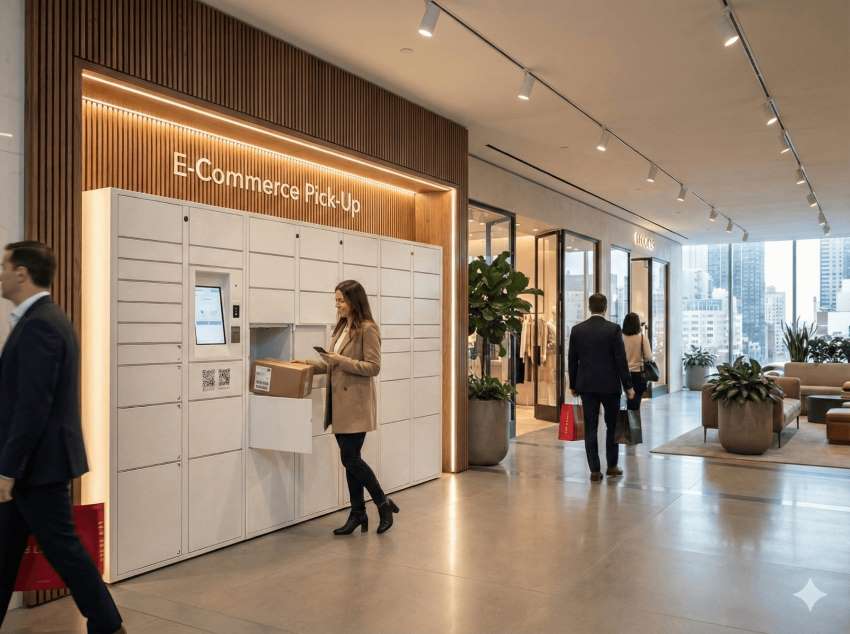
Brands explore new strategies to make the most of omnichannel retail
"Though six out of ten consumers use at least one digital channel for their shopping of apparels and garments, retailers still value the importance of physical stores. This is leading to the adoption of a combination of physical stores with digital channels to provide customers with wider choice. A recent Apparel Omnichannel Survey of more than 3,000 US shoppers notes, an average omnichannel shopper shops 70 per cent more often than an offline-only shopper and spends over 34 per cent more than an offline-only shopper."
 Though six out of ten consumers use at least one digital channel for their shopping of apparels and garments, retailers still value the importance of physical stores. This is leading to the adoption of a combination of physical stores with digital channels to provide customers with wider choice. A recent Apparel Omnichannel Survey of more than 3,000 US shoppers notes, an average omnichannel shopper shops 70 per cent more often than an offline-only shopper and spends over 34 per cent more than an offline-only shopper. The survey reveals that over 60 per cent shoppers now use digital channels either for research or transaction purposes. This share is projected to grow three times more than that of physical store sales.
Personalisation drives sales across channels
The survey says, personalisation is the key driver for sales across both online and offline channels. It offers brands an opportunity to differentiate themselves from their competitors. Customers adopting multi shopping channels experiment more with new technologies and engagement models.
To keep pace with growing demand for innovation, brands are improving their degree and pace of experimentation. Reformation, a direct-to-consumer brand known for sustainable sourcing and manufacturing, delivers new products quickly in response to customer insights and feedback while Revolve Clothing, a digital-first company, creates a full-circle loop based on its proximity to the consumer.
There retailers also investing in new models to engage with the customer. Stitch Fix offers a virtual stylist and subscription service, while Rent the Runway is building an ever-more comprehensive rental service, expanding to new product categories. The retail framework of these retailers focuses on five primary factors—assortment, service, experience, price, and convenience:
Experience: Rather than relying exclusively on owned transaction and third-party-syndicated data to get a view on a customer, these retailers are now transforming their brick-and-mortar stores into data-collection opportunities which offers a complete view of their customers. They are also exploring the practical elements of experience, such as product reviews to increase confidence in the purchase, being able to reserve items to try on in stores, and the purchase channel meeting expectations consistently, Elements of these experiences also include offering interactive and engaging ways to navigate products and discovering new offerings.
Service: Among all factors available to brands and retailers to compete, service has the most room to differentiate and the ability to delight omnichannel shoppers. Research indicates that out of ten, seven shoppers purchase a clothing item from a company that provides excellent service. Retailers are therefore, leveraging virtual stylists and chat bots to provide gain information about their specific customers.
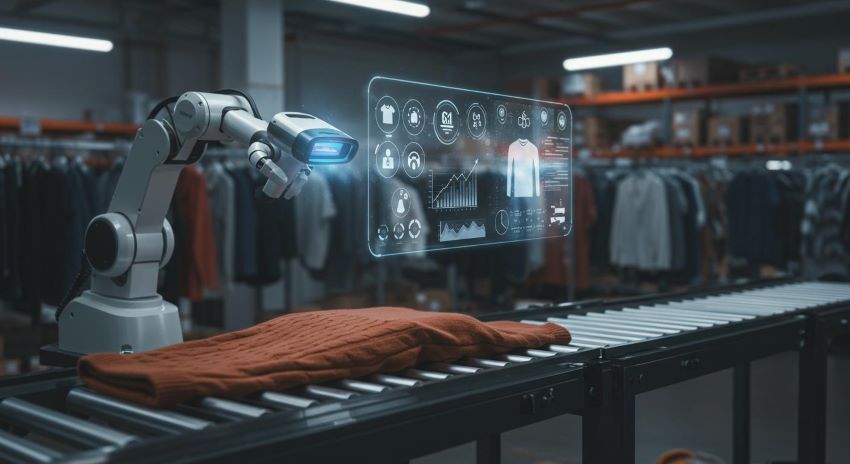
Assortment: Rather than creating an inventory on the basis of historical planograms, leading companies are investing in advanced analytics and web scraping to forecast trends. They are doing fast tests and trials with customers to see what sells before committing to space on a shelf or floor. Tailoring the assortment to a retailer or to a channel allows retailers to break shoppers’ ability to price reference online and enables price variation by channel.
Price: Regardless of which channel they prefer to shop, customers tend to opt for products that are rightly priced and offer better experience. They are even willing to pay more for a better experience, which can include the ability to charge different prices offline and online or across different channels if the experience is sufficiently differentiated.
Convenience: Another factor that drives customers to engage in more purchases is the convenience of seamlessly switching between online and offline channels, flexible delivery options, and location of store. Consistently, companies that engaged in omnichannel retail are designing differentiated experiences across these five factors to strengthen their relationship with their customers.
Earlier, shoppers patronised the dressmakers and tailors who understood their tastes and preferences. They expect the same kind of personal touch today. Only those retailers who are able to translate their customers’ needs and expectations into carefully crafted channel strategies will emerge as winners.
LIVA showcases new intimate wear collection at INTIMASIA 2019
LIVA, the new age fabric from the Aditya Birla Group, showcased its latest offerings in intimate wear at INTIMASIA 2019 in Kolkata. The brand aims to expand its presence in the Indian intimate wear category, which is expected to grow at around 12 per cent in the coming years.
Alongwith its partners including Arvind, Gemini, Prisma, Crazy Penguins and Tom Burg, the brand showcased collections featuring lingerie, men's intimate wear, children's inner wear, shapewear using Birla Viscose and Birla Modal fibers . It also showcased applications in camisole and lounge wear.
The objective behind the brand’s participation was to strengthen its reach and relations with partner brands and increase its presence in intimate wear category.
A soft, fluid fabric which falls and drapes well, LIVA transforms not just the garment but also the person wearing it. The brand recently launched their eco-enhanced version of the fabric, called Livaeco, which made of wood pulp sourced from FSC certified forests.
Eurovet awards 200 European boutiques
Eurovet, the organiser of the Salon International de la Lingerie and Unique by Mode City, organised, for the very first time this year, an official awards ceremony. The ceremony recognised 200 European boutiques. The retailers were awarded for the customer experience they provide, the relevance of their advice, their fitting service, and the success of their loyalty programs.
After the award ceremony, a luck draw allowed the Caress boutique in Brasschaat (Belgium) to win a trip for two to Nosy Be, an island off Madagascar, courtesy Eurovet’s partner Air Austral, as well as a beauty box offered by the organiser’s partner Avenue des Parfums.
According to Eurovet, this initiative communicated a bold, positive message in support of key retailers, which will be repeated next year and expanded to retailers worldwide, during the 2020 edition of its summer events in June.