FW
Textile Ministry steps up industrialization with expansion into new states
Orchestrating a structural transformation of the sector, Ministry of Textiles is shifting toward a broader, more resilient geographical footprint. The government has launched a strategic expansion into states such as Chhattisgarh, Jharkhand, and Kerala paired with the newly operationalized Mission for Cotton Productivity (2026–27 to 2030–31), a Rs 5,659 crore initiative designed to elevate yields from 440 kg to 755 kg per hectare. By integrating high-yield seed technology with climate-resilient farming, the roadmap seeks to secure the ‘White Gold’ supply chain, thereby insulating domestic mills from volatile global cotton prices.
Institutionalizing quality and sustainability
Under the recently concluded Textiles Summit 2026, policy makers emphasized, future growth hinges on transitioning from volume-based production to high-value, compliant exports. The government is formalizing this through the Tex-Eco Initiative, which enforces international sustainability standards and digital product passports to satisfy rigorous EU and US market requirements. Rajesh Agrawal, Commerce Secretary, urged industry stakeholders to accelerate the utilization of newly concluded Free Trade Agreements, such as the India-Oman Comprehensive Economic Partnership Agreement (CEPA), which provides immediate duty-free access for over 900 textile tariff lines. As the sector targets a US$ 100 billion export valuation by 2030, the policy framework is increasingly prioritizing technological modernization through Samarth 2.0 skilling and capital support for common testing infrastructure, ensuring that Indian apparel remains a preferred choice for global retail giants.
Facilitating trade for MSMEs and large exporters
AEPC serves as the official body for promoting Indian garment exports, providing market intelligence, policy advocacy, and compliance support. It facilitates trade for a massive network of MSMEs and large exporters, focusing on quality standards, global market access, and the transition toward high-value, sustainable apparel production across India.
AEPC to boost apparel competitiveness with nationwide FTA outreach program
To help domestic manufacturers navigate the complexities of international trade, Apparel Export Promotion Council (AEPC) has commenced a high-level Pan-India seminar series, ‘Unlocking Growth Opportunities: FTA Utilization for Apparel Exporters.’
The seminar series was inaugurated on June 25, 2026 in Bengaluru. The series is moving through key apparel hubs - including Ludhiana, Jaipur, Mumbai, and Chennai - through September 2026. This initiative addresses the critical need for technical proficiency in rules of origin, compliance documentation, and procedural navigation required to fully capture the benefits of India’s recently concluded Free Trade Agreements, including the landmark pact with the European Union.
Bridging the knowledge-execution gap
While tariff elimination offers immediate price advantages, the practical application remains a hurdle for many medium and small-scale units. Mithileshwar Thakur, Secretary General, AEPC, emphasizes, effective utilization of these agreements is essential for maintaining an edge in a highly competitive global market. The seminars provide granular insights into market-specific opportunities and government-backed support mechanisms designed to ease the transition into high-value sourcing partnerships. Industry stakeholders view these sessions as vital for MSMEs, which form the backbone of the sector, to transition from basic production toward integrated, value-added exports that meet the rigorous standards of premium international retail chains.
Promoter of global apparel exports
AEPC is the primary Indian government-backed body promoting global apparel exports. It supports exporters through policy advocacy, market intelligence, and trade facilitation. Representing a massive industrial base, AEPC focuses on enhancing manufacturing competitiveness, quality compliance, and global market integration to meet India’s long-term textile export objectives.
Africa increases share in US apparel imports despite trade turbulence
Achieving a significant milestone, the garment sector in Africa secured a record share of apparel exports to the United States in Q1, FY26. This performance comes against a challenging macroeconomic backdrop, as total US apparel imports contracted significantly due to persistent inflationary pressures and cooling consumer demand. While dominant Asian suppliers experienced a contraction in their export volumes to the US, African manufacturing hubs - notably Kenya, Lesotho, Madagascar, and Mauritius - leveraged their existing trade infrastructure to capture a larger slice of a shrinking market.
Shifting sourcing and geopolitical leverages
The growth of African exports is less a result of surging absolute demand and more a testament to the ongoing diversification of supply chains by US fashion retailers. As brands seek to mitigate risks associated with over-reliance on Asian manufacturing, they are increasingly viewing the continent as a viable strategic alternative. This shift is occurring despite significant trade policy uncertainty. Although the African Growth and Opportunity Act (AGOA) received a one-year extension in early 2026, the introduction of broader US tariff surcharges has partially offset the competitive advantage provided by duty-free access. Industry experts note, while the ‘duty-free’ promise has been hollowed out by recent ‘America First’ trade measures, the region’s established industrial clusters have maintained production consistency where other emerging regions have faltered.
Evaluating market resilience
The current landscape remains volatile, with some sub-sectors facing headwinds from reciprocal tariff discussions and stringent rules of origin requirements. Nevertheless, the recent uptick highlights the maturity of African apparel clusters. In a notable case study, manufacturers in Lesotho and Kenya have successfully transitioned from basic cut-and-sew operations to integrated value-added production, allowing them to remain price-competitive even when faced with shifting tariff regimes. As the industry looks toward H2,FY26, the sustainability of this growth will depend heavily on the modernization of trade frameworks and the continued appetite of US retailers to prioritize long-term supply chain resilience over short-term cost-cutting.
A cornerstone of US trade policy towards Africa
Established in 2000, the African Growth and Opportunity Act (AGOA) serves as the cornerstone of US trade policy toward sub-Saharan Africa. It grants eligible nations duty-free access to the US market, primarily benefiting the apparel, textile, and agricultural sectors. The program aims to foster industrialization, improve governance, and integrate African economies into global supply chains.
Virtual wardrobes redraw retail boundaries as gaming platforms become fashion economies

The boundary between physical clothing and digital apparel is rapidly eroding as gaming environments evolve into fully functioning consumer markets. What once existed as cosmetic customization inside video games is now entering the fashion economy, where virtual garments carry cultural, social, and commercial value. For a younger generation raised in immersive digital spaces, avatar identity is no longer secondary to real-world appearance, it is often more visible, more curated, and more socially consequential.
This shift is forcing a redefinition of the global apparel industry. Venture capital is flowing into early-stage digital fashion startups that design exclusively for platforms such as Roblox and Fortnite, signaling that virtual wardrobes are no longer experimental add-ons but emerging standalone markets.
Physical utility vs digital expression
The fashion industry is bifurcating into two parallel systems. The first remains rooted in traditional manufacturing logic, fabric durability, seasonal cycles, logistics, and physical wearability. The second is a rapidly growing digital layer defined by identity construction, social signaling, and real-time expression inside virtual ecosystems.
This difference presents a challenge for legacy apparel corporations. Their supply chains are optimized for long production timelines and physical inventory risks, while digital fashion operates on instant deployment, iterative design cycles, and near-zero marginal cost per item. In this environment, a virtual jacket can be designed, distributed, and monetized globally in hours rather than months.
The scale of adoption underscores the momentum behind this transition. On Roblox alone, users consumed over 1.6 billion digital fashion items within a nine-month period, marking strong year-on-year growth and reinforcing the platform’s role as a major distribution hub for virtual apparel.
Gen Z and Gen Alpha drive identity-led consumption
The growth of digital fashion is deeply rooted in behavioral shifts among Gen Z and Gen Alpha consumers. For these cohorts, clothing is no longer limited to physical utility or offline social signalling. Instead, fashion has entered a multi-layered identity system that operates across both real and virtual environments.
Research into avatar customization behavior highlights three dominant identity patterns. The ‘accurate double’ reflects users replicating their real-world appearance. The ‘improved alter ego’ represents an enhanced self-image optimized for social performance. The ‘perfect stranger’ enables entirely detached identities used for experimentation, anonymity, or creative expression. In virtual environments, traditional fashion drivers such as physical attractiveness decline in importance. Instead, attributes like coolness, originality, and subversion become dominant signals of value. This marks a departure from conventional retail psychology.
Industry projections suggest nearly 40 per cent of global fashion brands are now preparing to launch virtual collections alongside physical releases. Consumer data reinforces this shift, with 56 per cent of Gen Z users reporting that styling their avatar is more important than styling their real-world appearance in certain contexts. As a retail strategist notes, consumption is tied to experience rather than material ownership, with digital garments providing the same psychological reward as luxury physical goods once did.
Technical friction slows seamless expansion
Despite strong demand signals, the digital fashion remains constrained by structural and technical limitations. Unlike physical apparel, which operates on standardized sizing systems, digital clothing lacks universal interoperability. A garment designed for one gaming engine often cannot be transferred to another due to proprietary formats and platform-specific rendering systems.
Production complexity is another barrier. High-quality 3D fashion assets require computational resources, making them difficult to optimize for users on low- and mid-range mobile devices still the dominant access point in many markets. Intellectual property protection adds further complexity. Digital garments are highly susceptible to replication, unauthorized resale, and manipulation across fragmented online marketplaces, forcing brands to rethink enforcement strategies in a largely decentralized environment.
Platform partnerships replace independent digital infrastructure
In response to these challenges, major apparel brands are now bypassing standalone development in favor of deep integration with established gaming platforms. By embedding digital collections directly into ecosystems with existing user bases, brands can reduce technological friction while gaining immediate market access.
These partnerships also function as controlled testing environments. Brands can evaluate demand for digital designs without committing to physical production cycles, reducing waste and improving forecasting accuracy.
One example is Nike’s acquisition and deployment of RTFKT, a digital fashion studio specializing in virtual sneakers and avatar wearables. Rather than treating digital assets as marketing extensions, Nike integrated them into its broader commercial strategy, linking virtual drops with limited physical releases. This created a hybrid consumption model where digital ownership enhances physical product value.
3D commerce becomes a conversion engine
Beyond gaming ecosystems, 3D fashion assets are reshaping traditional e-commerce interfaces. Embedding interactive product models on retail pages significantly improves user engagement and purchase confidence. In some cases, conversion rates increase by as much as 94 per cent when consumers can rotate, inspect, and interact with garments virtually before purchasing.
Fast-fashion companies are adopting these tools to reduce return rates and shorten decision cycles. By simulating product fit and appearance digitally, brands are effectively shifting parts of the buying decision upstream before physical inventory even enters production. This integration is gradually transforming e-commerce into a predictive manufacturing system, where demand signals are validated through digital interaction before supply is created.
Economic advantage of digital fashion models
The operational differences between traditional and digital fashion models are becoming increasingly pronounced. Physical retail continues to carry high inventory risk, warehousing costs, and seasonal overproduction challenges. In contrast, digital fashion eliminates waste entirely, replacing physical sampling with virtual prototyping.
Table: Performance comparison: retail models in the digitized marketplace
|
Operational pattern |
Traditional fashion model (physical only) |
Integrated digital/metaverse model |
|
Inventory Waste & Overhead |
High (Unsold seasonal stock, physical warehousing) |
Zero for digital assets; highly minimized via digital prototyping |
|
Time-to-Market (Prototyping) |
3 to 6 months (Fabric sampling, physical shipping) |
Reduced by up to 70% using 3D rendering engines |
|
Primary Consumer Value |
Physical comfort, thermal utility, real-world utility |
Self-expression, avatar identity, fluid social experimentation |
|
E-Commerce Conversion Impact |
Baseline conversion metrics from flat photography |
Up to 94% conversion lift via interactive 3D elements |
|
Margin Structure |
Standard retail margins restricted by material costs |
Extremely high margins on digital goods; continuous secondary royalties |
Time-to-market is also significantly reduced. What once required months of fabric sourcing and manufacturing cycles can now be executed with up to 70 per cent faster turnaround using advanced 3D design systems. More importantly, digital fashion introduces a new margin structure. Virtual garments carry near-zero marginal production costs after initial design, while also enabling ongoing royalty streams through secondary usage and resale inside digital ecosystems.
Rise of style3D and digital apparel systems
As digital fashion expands, backend infrastructure providers are becoming critical enablers of this transformation. Companies such as Style3D, headquartered in Hangzhou with global offices in Paris, Milan, and London, are building the software architecture powering virtual apparel creation.
Specializing in AI-driven 3D modeling and collaborative design environments, Style3D enables global apparel manufacturers to significantly reduce prototyping cycles and minimize textile waste. Founded in 2015, the company represents a growing category of “digital-first” fashion infrastructure providers that sit between traditional manufacturing systems and emerging virtual retail ecosystems. These platforms are foundational to how brands transition into hybrid physical-digital operating models.
Next competitive frontier in fashion retail
The pattern of global apparel retail suggests that digital fashion is not a parallel experiment but an emerging core business vertical. As macroeconomic pressures slow traditional retail expansion, virtual fashion offers brands a high-margin, low-waste, and data-rich alternative growth channel. In this evolving landscape, consumer engagement begins long before physical purchase and increasingly persists after it. The avatar becomes the primary storefront, and identity becomes the most valuable retail currency. The companies that adapt early to this structural shift building infrastructure for both physical and virtual consumption are likely to define the next decade of global fashion commerce.
From Estimates to Audits: Virgin PET data disrupts global synthetic fiber economy
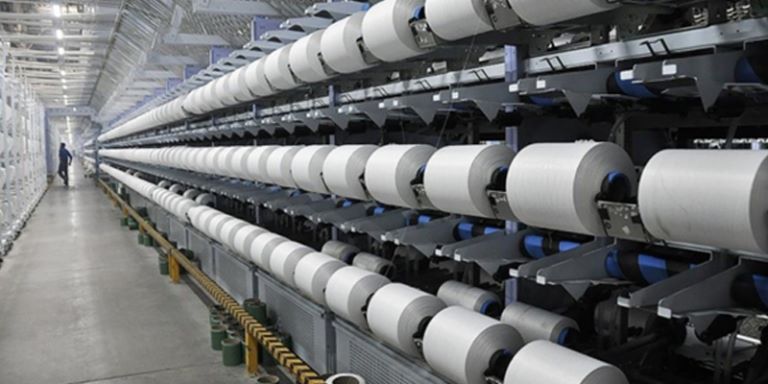
The global textile industry is recalibrating how environmental impact is measured, priced, and regulated. While polyester continues to dominate global fiber production at roughly 60 per cent, the underlying data used to assess its environmental cost has long relied on generalized global averages that mask significant regional variation. That gap has now been sharply narrowed.
A 306-page Life Cycle Assessment (LCA) report released by Textile Exchange, in collaboration with SCS Consulting Services, gives the first publicly available, primary-source dataset for virgin polyethylene terephthalate (PET) chip, melt, and staple fiber production in Southeast Asia. Given that the region supplies over half of global virgin synthetic fiber output, the findings effectively reset the baseline for carbon accounting in fashion supply chains.
Mapping the synthetic chain
The report breaks polyester production into three sequential, energy-heavy transformation stages. Each stage increases emissions as fossil-fuel-based electricity grids in manufacturing hubs intensify conversion losses.
Table: Localized manufacturing footprint (per kg output)
|
Material phase / process |
Global warming potential (kg CO₂ eq/kg) |
Primary energy demand (MJ / kg) |
Blue water consumption (L/ kg) |
Particulate matter emissions (disease incidence × 10⁻⁸) |
|
Virgin PET Chip |
2.15 |
68.4 |
14.2 |
4.12 |
|
PET Melt Stage |
2.38 |
74.1 |
16.5 |
4.89 |
|
PET Staple Fiber |
2.62 |
82.3 |
19.8 |
5.67 |
The progression reveals a 22 per cent rise in carbon intensity from raw PET chips to finished staple fiber. This increase is not marginal; it reflects the thermodynamic reality of polymer melting, extrusion, and texturization processes that require sustained high-temperature energy inputs.
Why fiber conversion increases emissions
The critical insight is not simply that polyester is carbon-intensive, but that emissions are structurally layered. Each refinement stage compounds energy demand, particularly in regions where electricity generation remains fossil-fuel dependent. By exposing granular operational data rather than modelled estimates, the LCA replaces theoretical benchmarks with verifiable industrial inputs, forcing a relook at how efficient modern synthetic production truly is.
Virgin vs circular systems
The report’s most consequential contribution is its comparative framework between virgin polyester and circular alternatives. It positions thermomechanical and chemical recycling as not just supplementary systems, but as fundamentally lower-carbon production pathways.
Carbon pathway comparison (per kg fiber)
- Virgin Polyester (SEA baseline): 2.62 kg CO₂ eq → 100% impact
→──────────────────────── baseline ────────────────────────←
- Chemical Recycling (depolymerization): 1.44 kg CO₂ eq → 55% of virgin footprint (45% savings)
- Thermomechanical Recycling: 0.76 kg CO₂ eq → 29% of virgin footprint (71% savings)
Thermomechanical recycling shows the lowest immediate emissions but suffers from feedstock limitations due to contamination and polymer degradation. Chemical recycling, while slightly more energy-intensive, enables higher material purity and broader feedstock flexibility, making it structurally more scalable for complex textile waste streams.
Supply chain pressure points
A Gujarat-based polyester exporter supplying European athletic brands experienced immediate revaluation after auditors applied the new Southeast Asia dataset. Its previously reported emissions baseline of 1.90 kg CO₂ eq/kg jumped 38 per cent when recalculated under the new framework.
Under tightening regulatory regimes such as the EU Corporate Sustainability Due Diligence Directive (CSDDD), this triggered pressure. The exporter was compelled to invest in on-site renewable energy infrastructure, including a 12-megawatt solar installation, to stabilize compliance exposure.
Green claims under audit pressure
A multinational activewear brand marketing eco-optimized synthetics faced reputational and legal risk when environmental advocates used the dataset to challenge its sustainability claims. The findings demonstrated that mill efficiency improvements cannot offset upstream petrochemical emissions embedded in virgin PET production. The result was a shift: the company withdrew eco-synthetic claims and committed to phasing out virgin PET staple fibers in favor of chemically recycled inputs across its sourcing portfolio.
Environmental stress beyond carbon accounting
The dataset also expands impact analysis beyond emissions to include broader ecological stress indicators tied to polyester manufacturing.
Table: Cradle-to-gate eco-indicators (per kg fiber)
|
Indicator |
Value |
Relative stress |
|
Fossil Fuel Depletion |
82.3 MJ |
100% |
|
Freshwater Ecotoxicity |
18.4 CTUe |
74% |
|
Terrestrial Acidification |
0.012 kg SO₂ eq |
41% |
High fossil energy demand reinforces dependence on carbon-intensive grids, while freshwater toxicity reflects chemical discharge risks. The acidification metric highlights localized environmental degradation through sulfur and nitrogen emissions, often concentrated in industrial textile corridors.
The overlooked dimension
Beyond environmental factors, the report introduces a combined social-risk overlay integrating labor conditions, community exposure, and human rights vulnerability into material assessment frameworks. This marks a significant shift: sustainability is no longer defined solely by carbon or water intensity but by the full socio-environmental integrity of the production chain. As regulatory regimes tighten globally, particularly in Western markets, materials that fail to meet integrated benchmarks risk exclusion from compliance-driven supply networks.
Thus the Textile Exchange-SCS dataset is more than an update to emissions factors; it establishes a new accounting regime for synthetic textiles. By grounding polyester’s footprint in audited, region-specific data, it exposes the structural underestimation embedded in legacy global averages.
For manufacturers, exporters, and global apparel brands, the implication is direct: efficiency claims must now withstand granular verification, not statistical approximation. In this emerging framework, competitive advantage will depend not only on production scale but on demonstrable transparency across every stage of the polyester lifecycle.
HSG drives global expansion with majority stake acquisition in Golden Goose
The luxury fashion sector has reached a significant milestone with the formal completion of Hong Kong-based private equity firm HSG’s acquisition of a majority stake in Golden Goose. This transaction, which involved a complex consortium including Temasek and its asset manager True Light Capital as minority shareholders, marks a new trajectory for the Italian brand. Following a fiscal year where the company reached revenues of €734 million, the new ownership structure aims to amplify the brand’s international footprint. As part of this leadership restructuring, industry veteran Marco Bizzarri, formerly of Gucci and Kering, has stepped into the role of non-executive chairman, signaling a focus on rigorous innovation and sophisticated market penetration strategies.
Optimizing the D2C growth engine
Golden Goose’s business model remains anchored in a robust direct-to-consumer (DTC) framework, which currently accounts for 81 per cent of total revenue. By securing fresh capital and strategic guidance from HSG and Temasek, the brand is poised to expand its network of 232 existing outlets across EMEA, the Americas, and APAC. Despite broader economic headwinds and regional geopolitical volatility affecting luxury demand, the brand reported a resilient 10 per cent Y-o-Y revenue increase in Q1, FY26. Management is now prioritizing the scale-up of its ‘Made in Italy’ production capabilities to satisfy rising demand for premium sneakers and accessories, ensuring the brand maintains its artisanal cachet while meeting the high-volume requirements of a globalized, next-generation consumer base.
An Italian luxury label specializing in high-end sneakers, apparel, and accessories, Golden Goose is known for its distinct ‘distressed’ aesthetic, the brand targets a global lifestyle segment. Currently focused on aggressive DTC expansion and international growth, it maintains a strong financial performance underpinned by high brand resonance and consistent revenue scaling.
Modernization can help bridge productivity gap in apparel sector: AEPC
The Apparel Export Promotion Council (AEPC) has advocated for an intensive modernization program to bridge the productivity gap in the Indian apparel sector. At the Textiles Summit 2026, Dr A Sakthivel, Chairman, AEPC underscored, reaching the government's ambitious US$ 350 billion ecosystem target - with US$ 100 billion specifically earmarked for exports—requires more than just market access; it necessitates a fundamental shift in manufacturing intelligence. As global supply chains undergo structural realignments, the council is championing a dedicated ‘Technology Upgradation Fund’ specifically designed to facilitate the rapid adoption of automation, digitalization, and AI-enabled manufacturing systems across export-oriented clusters.
International collaborations to boost MMF competitiveness
A significant portion of the council’s roadmap focuses on accelerating the Man-Made Fiber (MMF) value chain. Recognizing the rapid growth in global demand for synthetic textiles, Dr. Sakthivel proposed institutionalized joint ventures and technology transfers with Taiwanese industry leaders, who possess world-class expertise in high-performance MMF production. This call for international collaboration is intended to foster local competency in specialized synthetic fabrics, positioning Indian manufacturers to better compete in premium global segments. By integrating advanced processing technologies, the industry aims to move beyond traditional commodity exports, focusing instead on high-value, sustainable apparel that satisfies the evolving compliance and quality requirements of Western retail markets.
Developing holistic ecosystem for workforce resilience
Beyond hardware and materials, the AEPC is pushing for comprehensive infrastructure reforms to sustain the labor-intensive nature of the garment sector. A primary challenge identified during the summit was the mobility and welfare of the workforce in major hubs like Tiruppur. To resolve this, the council proposed the development of large-scale, modern worker hostel facilities, which would improve labor retention and support regional economic development. These integrated interventions - spanning technological funding, strategic material alliances, and labor-focused infrastructure - form the bedrock of the council's strategy to navigate current liquidity and supply chain uncertainties while building long-term export resilience.
Providing trade support and capacity building initiatives
AEPC is the official body of apparel exporters in India, working under the aegis of the Ministry of Textiles. It serves over 8,000 member exporters, providing trade support, policy advocacy, and capacity-building initiatives. The council is currently prioritizing MMF growth and cluster-based development to drive its export expansion targets.
Global luxury houses celebrate Indian craftsmanship in international collections
The paradigm of high-end fashion is undergoing a profound transformation, with global titans like Dior and Gucci shifting from discreet sourcing to the overt celebration of Indian craftsmanship. Once hidden within the supply chains of Paris and Milan, India’s artisanal expertise in zardozi, aari, and mirror work is now the centerpiece of major international collections. This evolution reflects a broader shift toward ‘authentic luxury,’ where heritage-led techniques are increasingly prized for their unique storytelling and slow-fashion credentials. Industry data suggests, the luxury hand-embroidery sector is witnessing heightened interest as global brands seek to reconcile the demand for machine-perfect precision with the soulful imperfection of human artistry.
Collaborative ecosystems and heritage preservation
This strategic realignment goes beyond mere procurement, manifesting in deep-rooted partnerships such as Dior’s long-standing alliance with the Mumbai-based Chanakya atelier. By providing platforms for Indian artisans to demonstrate their mastery - exemplified by monumental installations like the 14-m-high hand-embroidered toran displayed at the Gateway of India - luxury brands are actively institutionalizing the preservation of these traditions.
Craftsmanship is a universal language, notes Maria Grazia Chiuri, Creative Director, Dior, emphasizing, these collaborations are not merely commercial transactions but efforts to transmit priceless processes. This trend is further boosted by localized initiatives, such as the RISA tribal textile project, which aims to formalize the integration of indigenous weaves into the luxury value chain while ensuring equitable value distribution for grassroots artisans.
Economic impact and sectoral transformation
For the Indian textile and apparel sector, the trend toward global integration presents a significant opportunity to move up the value chain. While India has historically been a critical hub for commodity exports, the current shift toward high-end bespoke embellishment allows ateliers to capture a greater share of the profit margin. Analysts highlight, as European houses formalize these relationships, they are also investing in the long-term sustainability of the artisan workforce, including training initiatives like the Chanakya School of Craft. As brands continue to leverage India’s expertise in intricate motifs and complex textile structures, the focus remains on scaling these boutique capabilities to meet the rigorous quality and compliance standards of Western retail, thereby reinforcing the global prestige of ‘Made in India’ luxury.
Indian ateliers specialize in centuries-old embroidery techniques like zardozi, chikankari, and gota-patti. These workshops serve as the backbone for international haute couture, providing bespoke textile solutions to luxury houses. They focus on maintaining artisanal heritage while scaling operations to meet the rigorous demand of premium global apparel markets.
BGMEA urges for a performance-based roadmap for environmental compliance
The Bangladesh Garment Manufacturers and Exporters Association (BGMEA) has formally requested a shift from rigid regulatory mandates to a performance-based roadmap for environmental compliance. Represented by Mahmud Hasan Khan, President, the delegation highlighted to Abdul Awal Mintoo, Environment Minister, current benchmarks under the Environment Conservation Rules 2023 - specifically those concerning Effluent Treatment Plant (ETP) colour parameters - are technically unattainable with existing industrial infrastructure. Industry leaders argue, these standards fail to account for environmental variables such as seasonal humidity and external pollution, necessitating a transition toward realistic, science-based targets that preserve the global competitiveness of the nation's ready-made garment (RMG) sector.
Transitioning toward sustainable infrastructure
A central pillar of this proposal involves the implementation of Zero Liquid Discharge (ZLD) systems. Rather than maintaining the current mandatory commitment required for Environmental Clearance Certificate (ECC) renewals, the association advocates for a phased, incentive-driven adoption model. To facilitate this capital-intensive upgrade, the BGMEA has petitioned for fiscal relief, including VAT and duty exemptions on ZLD machinery, alongside the creation of a dedicated financing window under the Bangladesh Bank's Green Transformation Fund. By linking environmental certification to demonstrated performance rather than absolute mandates, the industry aims to foster transparency through mirror-testing mechanisms while ensuring that investment in green technology remains economically viable amidst evolving global retail requirements.
Shaping national industrial strategy
The BGMEA represents Bangladesh’s primary garment manufacturing and exporting companies. Its core mandate is to advocate for trade policies, environmental sustainability, and labor standards. The organization plays a critical role in shaping national industrial strategy, overseeing growth in markets across the US, EU, and emerging regions to sustain global apparel dominance.
Expedite trade concessions for apparel made from US-cotton; urges BTMA
The Bangladesh Textile Mills Association (BTMA) is intensifying advocacy for the swift operationalization of duty-free market access provisions stipulated in the bilateral trade framework with the United States.
During a high-level meeting with US Embassy delegates in Dhaka, Showkat Aziz Russell, President, BTMA emphasized, while the agreement technically provides for zero-tariff treatment for ready-made garments (RMG) produced using US-sourced cotton and man-made fibers (MMF), the absence of finalized Rules of Origin has stalled commercial realization. With Bangladesh currently navigating a complex tariff environment - including a baseline reciprocal duty - the timely implementation of Article 5.3 is essential to restore export competitiveness, noted Russedll.
Industry stakeholders argue, this provision serves as a mutually beneficial ‘win-win,’ enabling Bangladeshi manufacturers to offset rising production costs while providing American cotton exporters a more stable, high-volume destination.
Scaling infrastructure to sustain export growth
Beyond market access, the association is pushing for the rapid deployment of a Central Bonded Warehouse system to streamline the supply chain for American inputs. The objective is to mitigate the logistical premiums that currently render the use of US-origin cotton less cost-effective compared to traditional sources. By establishing this infrastructure, Bangladesh aims to secure its position as a primary textile partner, even as the sector faces domestic challenges, including high raw material duties and operational volatility. With member mills representing over $23 billion in total investment, the BTMA views these trade-facilitating reforms as critical to ensuring the sector’s survival during the transition out of LDC status. Negotiators are now prioritizing a mission to the US to align government and private-sector stakeholders on a concrete timeline for these structural upgrades.
Advocating trade policy reforms for long-term competitiveness
The Bangladesh Textile Mills Association (BTMA) represents over 1,850 member mills specializing in yarn, fabric, and finishing services. Acting as the primary back-linkage to the nation’s RMG sector, it advocates for trade policy reforms and infrastructure development to sustain long-term competitiveness in the global textile market.