


FW
India’s fashion retail soars on e-commerce success

Online shopping a quintessential convenience for urban lives across India has penetrated territories physical retail brands couldn’t reach earlier. As per estimates by 2026, e-commerce in India will be worth over $200 billion and by 2027 India will have over 427 million e-commerce users. With such unprecedented growth, it is only natural for fashion retail to take on a head start and ride this ever-growing wave and become a substantial contributor to overall e-commerce sector.
Ecommerce fashion retailers ride on success
Numerous fashion e-commerce websites that have mushroomed over the years including Myntra, Ajio, Kanchan Fashion, Meesho, etc, are now household names. A Statista’s report highlights India’s fashion market will be around $14.4 billion by 2023 as fashion continues to grow since 2019 at a CAGR of 18.5 per cent. This incredible growth can be attributed to several factors, including the convenience of online shopping, attractive discounts, and a wide range of choices. Increased access and the reach of e-commerce have eliminated geographical barriers, allowing consumers from the most remote corners of India to access latest fashion trends.
While figures indicate e-commerce is still in its inchoate stage in India, contributing only 10 per cent of the nation’s retail, there is enormous scope compared to e-commerce’s global share in retail which stands at 19 per cent and is expected to become 25 per cent by 2026. In fact, a June 2022 retailer’s summit in Mumbai estimated fashion contributes around 12 per cent of all sales on e-commerce and this share is expected touch 30 per cent by 2027.
Advantages for fashion in e-commerce
Fashion retail sector experienced the taste of outreach through e-commerce wherein it had the largest swathe of the nation as its catchment area. Fashion retail no is longer limited to urban pockets where it found profitability through physical presence. Today, fashion products are being shipped to every nook and crannies of India, places that weren’t even on fashion’s radar.
Moreover, e-commerce has given a well-deserved platform for new fashion designers and fashion start-ups who earlier were unable to broaden their market due to operational and marketing costs involved in physical retailing. The popularity of social media that does the marketing for e-commerce has been a relatively inexpensive tool and a welcome opportunity for such designers and businesses. Technically, today a start-up fashion house can have similar reach as Ajio or Trends online.
Also, physical spaces that were a barrier for a fashion brand as it put forward its inventory as its portfolio or collection is now as big as its collection thanks to e-commerce. Fashion brand have the luxury of showcasing their complete inventory in the digital space. This highlights their style, sizes and niche creations to the best advantage. This can also be extended as a democratic platform where new brands can compete with established labels and domestic brands with international ones on an even playing field.
What’s more, the restrictive environment of physical space can be set aside to offer convenience and a board for creative inspiration. AI has developed sophisticated software that enables digital trials at the click of a tab over the tedious physical trial of a large number of outfits in a tight changing room. The Metaverse provides an extraordinary canvas of a world of fashion to experiment styles, outfits, accessories and create individual looks.
Overall, e-commerce’s transformative impact has created opportunities for job creation, economic growth, and investments, shaping the future of the Indian fashion industry.
Fashion industry tackles decarbonisation together
The Sustainable Apparel Coalition (SAC) and the Apparel Impact Institute (AII) have unveiled a strategic partnership aimed at intensifying and expanding decarbonisation initiatives in the apparel industry.
The urgency to tackle climate change, as underscored by the recent IPCC report, necessitates immediate action. To meet the crucial 1.5°C target, emissions must be reduced by a minimum of 43% by 2030 and 60% by 2035. Collaborating on research, finance, impact target setting, action plans, and industry engagement, the SAC and AII will work together to help achieve these ambitious reduction goals.
Their initial thrust will concentrate on advancing the Climate Solutions Portfolio and Fashion Climate Fund, which will effectively address carbon emissions across the apparel supply chain. By combining their efforts, the SAC and AII aspire to attain a noteworthy 45% reduction in greenhouse gas emissions by 2030.
This partnership reflects their commitment to a sustainable and responsible textile and apparel industry, relying on a comprehensive approach to create lasting change.
Fashion Retailers Thrive Amid Market Challenges
In a positive start to June, global fashion giant H&M, renowned fashion house Hugo Boss, and online retailer Asos showcased their resilience, alleviating concerns over a fashion sector grappling with weakened US demand.
Investors found solace in the signs of strength, as economic uncertainties prompted consumers in crucial markets like Europe, the US, and China to scale back on clothing purchases.
Nonetheless, consumers on tighter budgets have become more discerning, leading to a growing divergence among brands.
H&M's shares rose by 3.5% as analysts predicted a robust third quarter following stagnant sales from March to May. The company has been working to enhance its fashion appeal, bolstering its higher-priced brand Cos, aiming at customers less vulnerable to rising living costs, as fast-fashion leader Shein gains market share with affordable clothing.
Bank of America analysts anticipate a boost in H&M's half-year earnings, thanks to its successful collaboration with luxury brand Mugler, with results expected on June 29.
Asos, working to recover from a substantial increase in inventory and debt, relies heavily on price-conscious young shoppers seeking the latest trends. Despite a decline in sales, the company reported that its focus on profit per order is yielding positive results. Asos has reduced its stock since the beginning of the year and plans to eliminate unprofitable brands from its platform.
Highlighting the diverging trajectories of brands in this uncertain landscape, luxury fashion retailer Hugo Boss raised its sales and profit targets for 2025, affirming strong growth in the US while peers observed weakness among "aspirational" consumers in the market.
Analysts at Citi acknowledged Hugo Boss's immunity to cracks in the US consumer environment, along with minimal impact in Europe.
Indian T&A sector expects global demand rebound
After a challenging year marked by low demand, excessive inventory, limited supplies, and surging cotton prices, the textile sector is poised for a turnaround. Industry experts predict a revival in demand, particularly in the third quarter of FY24, as global retailers reduce their inventories and place orders for the upcoming Summer/Spring 2024 collections.
Analysts Optimistic About Textile Sector's Rebound in FY24
Favorable market conditions, including geopolitical uncertainties faced by competitor countries, are expected to inject vibrancy into the sector. Consequently, textile players are projected to experience consistent earnings growth and improved cash flows. With completed capital expenditure, the focus will shift toward strengthening balance sheets and enhancing return ratios. Additionally, falling cotton and crude prices are set to bolster margins and enhance India's competitiveness in export markets. The industry has already gained market share in key export markets for garments and home textiles.
The prospects of a UK free trade agreement and the China+1 strategy further enhance the sector's potential for recalibrating earnings and multiples.
French Fashion Targets Gulf Market
French fashion brands and lifestyle startups are setting their sights on the $12 billion Gulf market, which boasts a young and digitally-savvy population, according to industry experts. At a panel discussion during the Vision Golfe event in Paris, speakers emphasized the potential for further promoting French lifestyle products, cosmetics, and fashion brands in the Gulf Cooperation Council (GCC) region.
While acknowledging the existing popularity of French products among Gulf residents, panelists stressed the importance of targeting the region's youth and their expectations to take it to the next level.
The discussion featured top executives from luxury brands and marketing companies and was organized by Business France. The speakers highlighted the common factors of the Gulf markets and emphasized the strong demand for French luxury products, particularly in cities like Dubai.
They also noted the evolving purchasing habits, with consumers often opting for luxury boutiques in major cities or shopping malls, creating opportunities for French companies to tap into the emerging middle class in the region.
Shanes Curves goes global with Texbrasil
Shanes Curves, a prominent player in the Brazilian wholesale market for 35 years, specializes in producing fashionable plus size clothing. Offering not just a style but a lifestyle, the company caters to women who prioritize elegance, self-expression, and confidence. Renowned for their meticulous craftsmanship and high-quality fabrics, their products are a cut above the rest.
To broaden their international presence, Shanes Curves has joined Texbrasil, an initiative created through collaboration between the Brazilian Textile and Apparel Industry Association (Abit) and the Brazilian Export and Investment Promotion Agency (ApexBrasil).
Moreover, Shanes Curves continually introduces fresh elements in each collection, keeping pace with the latest fashion trends while ensuring inclusivity.
Circular Jeans: Diesel & UNIDO
Diesel, in collaboration with UNIDO, is launching an innovative circularity project. This fall, they will introduce 28,000 pairs of jeans made from a minimum of 20% recycled fibers sourced from cutting scraps in Diesel's Tunisian supply chain.
The partnership's goal is to establish a closed-loop recycling system for fabric-cutting scraps, highlighting the value of treating production waste as a valuable resource. Diesel aims to promote responsible raw material use through circular business models across the supply chain.
The project focuses on developing a local business ecosystem in Tunisia, starting with sorting and cutting scraps in garment factories. These scraps are then transformed into regenerated cotton fibers through mechanical recycling, reintegrating them into the denim production process.
So far, around 7,500 kg of textile-cutting waste from Diesel's denim production has been collected and processed into 46,000 meters of recycled fabrics for the jeans. An additional 4,200 kg of waste will be utilized in Diesel's upcoming Spring/Summer 2024 collection.
This initiative aligns with Diesel's long-term sustainability strategy, For Responsible Living, and supports UN Sustainable Development Goal 12. By adopting recycled fibers, Tunisia's textile industry can significantly reduce its environmental impact, conserving water, lowering carbon emissions, and minimizing the use of hazardous chemicals.
India Removes China from Azo Dye Exemption
India has eliminated China from the list of countries exempt from mandatory testing for the presence of azo dyes in textiles.
The Directorate General of Foreign Trade (DGFT) announced the update, which includes the addition of the UK, Canada, Australia, South Korea, and Japan to the list. This decision aims to address the potential health hazards associated with azo dyes.
However, industry representatives express concerns regarding the impact on importers, as this non-tariff barrier could increase costs and cause delays. It is anticipated that China will attempt to route its textile and product exports through its trade partners, such as Japan and South Korea, as well as countries exempt from testing under the Regional Comprehensive Economic Partnership, like Australia.
In the fiscal year 2023, India imported textiles and related items worth $925 million and apparel worth $240 million from China.
Duty-free shopping flies high in a post-pandemic retail market

When buying is all about what excites and entices you, duty-free shopping is an integral part of travel adding that extra zing to flying. Duty-free shopping always been linked to tourism flow, is finally back with a bang after post-pandemic with travel restrictions waning. Globally, duty-free markets had plunge almost 70 per cent in 2020 when pandemic was raging everywhere.
The global duty-free market for premium products has always been driven by Asian travellers, especially from China, which after reopening borders in 2023, has drastically pushed up sales in the Asia Pacific markets. China’s imposition of zero-tolerance policy with strict lockdown before 2023 impacted both regional and global duty free markets especially, luxury goods retail as there is no similar scale of spending compared to Chinese consumers.
China duty-free retail to see big growth
As per Euromonitor International, the world's leading independent provider of strategic market research, China’s outbound duty-free spending was around $11 billion market in 2019 before the pandemic which made up almost 20 per cent of global outbound duty-free expenditure sales. After a drastic fall in sales, the global duty-free market is expected to get back to 2019 levels by 2025 with a forecast of $168 billion by 2027.
The focus is now on continued growth of a high-tech retail market where no VAT or duties are imposed unlike city stores and it supports transport modes through financial contributions while encouraging global tourism by sea, air and land with shopping incentives. Middle-class travellers are the ones increasing sales the most by using digital mediums such as Paypal, Paytm and Alipay for their duty-free shopping.
However just lifting travel restrictions in China in January 2023 has not spiralled duty-free shopping like a volcano as Chinese consumers are also shopping domestically in duty-free stores in places like Hainan Island, which is the most happening luxury brand shopping destination post-pandemic. Many premium retail brands have established their presence through omnichannel, immersive, as well as in-store experiences here to appeal to high-end Chinese consumers. Domestic duty-free shopping has boosted local consumption in China and the government is focussing on setting up and diversifying the duty-free shopping channel in other places besides Hainan.
Convenience, discounts attract shoppers
Analysts say, the convenience factor of duty-free shopping is an important purchase driver for senior citizens clocking around 36 per cent and at around 23 per cent for both Gen Z shoppers and leisure travellers. Another important purchase driver in travel retail in 2021-22 was consumer loyalty to brands, which is highest for the senior age group at 30 per cent and women at 26 per cent, as they do not switch loyalties easily.
The duty-free outlets at travel points such as airports, ports, railway stations, and big hotel need to stock a more versatile product portfolio in fragrances, beauty products, bags, shoes and fashion garments to be able to compete with regular city stores. As per Allied Marketing Research, global duty-free retailing market was valued at $33.7 billion in 2021 and is projected to reach $94.2 by 2031, moving at a CAGR of 10.6 per cent in around 10 years. However, the current geopolitical situation with the Ukraine war and trade tensions between China, the US and Europe and other countries may hamper duty-free product sales in the near term.
What’s more, global travel is still not back on track post-pandemic that deters the infrastructure of airports and maritime companies as duty-free shopping makes their world go around. The apparel industry now needs to focus on a more versatile premium product portfolio with distinctive and discounted prices for travellers which will further maximise revenues and support the maritime and aviation transport infrastructure which has finally once again taken flight.
Hope for better 2024 drives retail space expansion
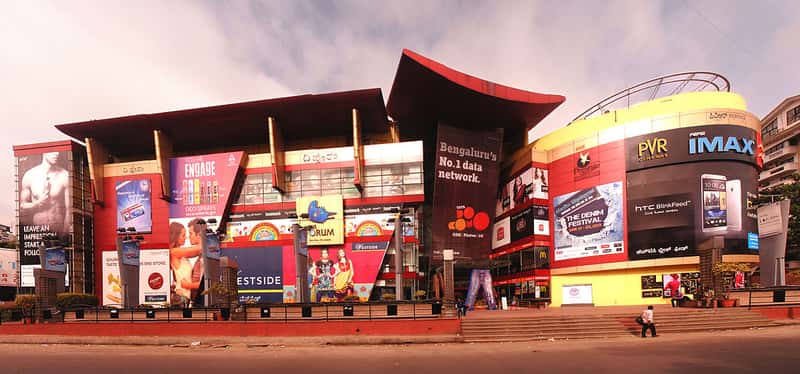
Truth be told, with all the hoopla of Indian consumers thronging retail outlets to buy, buy and buy may not be entirely true. Despite analysts and retail pundits waxing about the great return to physical retail spaces, many brands are not experiencing the kind of footfalls they were hoping for. Then, what is the reality on the ground for India’s retail spaces that continue growing?
Insightful PwC report on slowing spends
A report published by PwC in the first week of April 2023 may hold the key to why discretionary spends are not as was expected in 2023. The report revealed amongst those surveyed, 74 per cent of respondents felt non-essential spending required curtailment as their financial situation was uncertain. Ravi Kapoor, Partner and Leader-Retail & Consumer, PwC India explains: “PwC’s latest Global Consumer Insights Survey for India drives home the key message of ongoing financial stress in the lives of the consumers, where 74 per cent of them are very concerned about their financial situation. This sentiment will have a potential restraining effect on spends in highly discretionary categories of electronics and luxury.”
Promise of heightened discretionary spends
Contrary to retailers clamping down on physical expansion to stabilise against the fall in consumer spending, retail leasing is expected to touch 5.5-6 million sq. ft. in 2023, the highest level after the 2019 peak of 6.8 million sq. ft, according to a CBRE report. It is expected that primary leasing in newly-completed malls will remain the key driver of retail space demand in 2023.
Economists have been predicting a far more financially stable consumer as India’s GDP growth is unstoppable and will solidify much more by the end of 2023, thus percolating down to stability for businesses and salaried workers. Apparently, the financial ambiguity felt by many Indians will be replaced with a confident approach in 2024. Whilst this is not definitive, it certainly is pushing retailers to be prepared for the return of discretionary spending in 2024.
Attractive discounts and deals
High-street commercial spaces continue to be the ‘it’ item for investors as well as for retail businesses. At a time when leasing contracts come with attractive discounts and malls offering multiple-benefit deals, particularly Quick Serve Restaurant (QSR) and fashion brands are seeing it as an opportunity to invest and be ready for the return of big spends next year. Additionally, the new tactic of malls is to provide new developed sections that allow brands to explore and implement more creative ways to attract new custom. Of all places in India, the Delhi-NCR region seems to be the most favoured by brands for expansion.
Who’s who on the expanded ground
Aditya Birla Fashion & Retail for example are showing all signs of bullish physical retail expansion with Shopper’s Stop and Trends. Jubilant Foodworks, the Indian franchise of Domino’s Pizza and Popeye, the KFC rival, Restaurant Brand Asia the local franchise for Burger King, and McDonald’s master franchisee Westlife Foodworld are not taking a breather and holding back, despite a weak Q4 result for FY2022-23. As per ratings agency ICRA, the big five QSR brands in India will expand footprint across India with the addition of 2,300 stores between FY 2023-24 and FY2024-25 at an estimated capital expenditure of Rs. 5,800 crores.
Fashion brands are behaving in an identical manner as their unabated expansions continue. Be it apparel, accessories, footwear or kids wear, it’s all growth of stores all around. For example, Tata’s Zudio could add another 130 outlets by end of FY 2023-24. Shopper’s Stop will be adding 24 of its department store model and more beauty stores during the same period, as will Westside total 214 outlets by then.











