


FW
China’s profits move south as importing countries de-risk operations
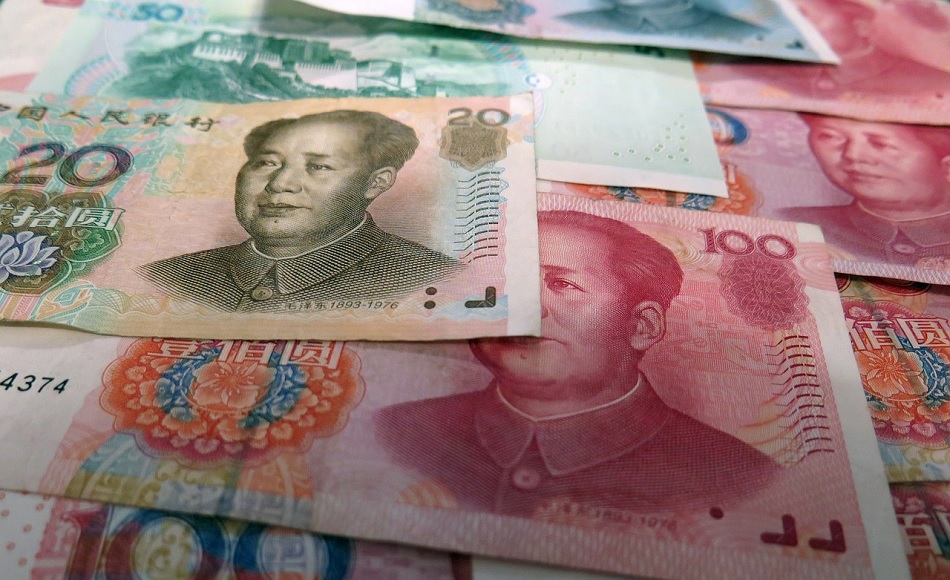
China’s chips have been down since Covid started four years ago with a chain reaction of global supply-chain upheavals. The effects are expected to persist for many more years as the negative effects of a global economic slowdown has led to a continued drop in the country’s exports. The mega apparel sourcing power houses of the US and European Union are continuing their de-risking operations by cutting down imports and taking steps to make their trade with China less risky.
As a result, Chinese exports suffered its steepest decline in June 2023 since the pandemic began, falling by a drastic 12.4 per cent as compared to 2022, after having had negative growth and dropping by 7.5 per cent in May.
As per International Monetary Fund (IMF) data, China’s share of US imports peaked in 2017 at 21.58 per cent. But this was before the US-China trade war and despite a slight rebound in 2020, overall trend remained negative, with shares dropping to 16.53 per cent last year. In the first four months of 2023, around, 20.9 per cent of textiles and apparel the US imported were from China, down about 4 per cent from 2022. The figure further fell to almost half of the total figures seen more than a decade ago, reveals Office of Textiles and Apparel under the US Department of Commerce (OTEXA) stats.
Most South Asian countries see trade slowdown
There has been a slowdown in global trade activity and this has hit most Asian economies like Taiwan, Vietnam, and South Korea along with China, both in the apparel as well as electronics segment. In June 2023, South Korea recorded a 6 per cent year-on-year drop in exports, which have declined for nine months in a row; Taiwan’s exports plunged 23.4 per cent for the 10th consecutive month, the steepest slump in almost 14 years. Vietnam also suffered the same kind of losses, by almost 10.25 per cent for the fourth straight month.
China’s export activity has fared slightly better as it has a more diversified product portfolio and is slightly more resilient but it still faces weakening demand in the US and EU. Earlier, the same shipments to these countries used to account for around a quarter of China’s total exports. However, now the situation has changed for the worse and this is just the tip of the iceberg as exports will be difficult to improve this year as it will depend on the destocking situation in overseas market. There may be a certain hike in demand during festive period but the sustainability issue remains unclear and the climb is difficult to maintain. Also, the upcoming autumn/winter demand will be slow as last year's inventory is still unused and even after the festive sales, the slowdown will continue.
Focus on trade diversification and dumping issues
A recent focus on trade diversification is currently creating a shift in demand for Chinese goods between different markets and not just eliminating China-made products, as many Western apparel companies cannot simply let go of the super-competitive Chinese production and logistics ecosystems, which other Asian countries have been unable to replicate over the years.
The dumping of Chinese products where the practice of exporting goods to another country at prices lower than even their manufacturing cost has created an imbalance in global trade practice. It is not only harming the domestic industries of importing country but also escalated trade tensions between China and trading partners and created legal problems and trade disputes.
With a growing sentiment among fashion companies in the US to reduce China exposure further due to concerns about the forced labor risks in the supply chain and escalating US-China geo-political tensions and quality concerns of low-priced Chinese goods, the situation doesn’t look too promising in the near future.
Pure London x JATC, The London Festival of Fashion
The first combined Pure London x JATC show, The London Festival of Fashion, will take place on February 11-13, 2024 at Olympia London, offering buyers an increased number of inspirational brands across nine exciting destinations.
Pure London
In Pure London, Woman, the show's largest destination, will unite all womenswear in the Grand Hall and feature collections from both established designers and up-and-coming names. Buyers can expect a comprehensive and varied selection of styles, from athleisure, street, and everyday basics to luxury, heritage, occasionwear, and timeless classics to lingerie and resort.
Sustainable
Pure London x JATC understand the importance of reducing the environmental impact within the fashion industry and will continue to put sustainability at the heart of the show. The February show will see the return of the Sustainable destination, showcasing a carefully curated selection of conscious exhibitors leading the way in addressing their environmental and social impact.
JATC Destinations
The expanded combined show will house JATC destinations in the Grand Hall Gallery. Footwear and Accessories will feature men's and women's must-have shoes for every occasion. Buyers will also find accessory ranges spanning handbags, backpacks, wallets, purses, scarves, gloves, belts, ties, sunglasses, and more.
The all-encompassing Jewellery sector will showcase fashion jewellery and statement pieces to semi-precious stones and gold-plated jewellery.
Buyers will uncover an enlarged Menswear destination that spans the full spectrum of subcategories to showcase brands exhibiting formal, smart, sport, denim, skate, surf, swim, lifestyle, and heritage.
The must-visit Lifestyle and Beauty destination will be home to innovative brands presenting a broad range of product collections including beauty, candles, fragrance, grooming, homeware, skincare, and wellness.
Pure London x JATC, The London Festival of Fashion, will be a truly landmark event for the fashion industry. Visitors and buyers can expect a comprehensive and diverse showcase of everything fashion has to offer.
INDIA: CITI Elects New Office-Bearers for 2023-2025
The Confederation of Indian Textile Industry (CITI) held its 65th Annual General Meeting (AGM) on 29th September 2023, through video conferencing. Following the AGM, the newly Reconstituted Committee of CITI elected Shri Rakesh Mehra as Chairman, CITI, Shri Ashwin Chandran as Dy Chairman, CITI and Sh. Dinesh Nolkha as Vice Chairman for two years i.e. 2023-2025.
Brief profiles of the Office-bearers of CITI:
Rakesh Mehra, Chairman, CITI
A Chartered Accountant, Shri Rakesh Mehra is the Chairman of Banswara Syntex Limited (BSL), integrated textile manufacturer & exporter of yarns, fabrics, and garments, having a turnover of Rs 1,400 crores. He has been associated with various Industry Associations and has held various leadership positions, including Chairman of The Synthetic & Rayon Textile Export Promotion Council (SRTEPC) for two terms, President of the Indian Spinners’ Association (ISA), and Deputy Chairman of the Confederation of Indian Textile Industry (CITI).
Shri Ashwin Chandran, Dy. Chairman, CITI
A B.Sc., (Hons) Graduate in Textile Technology, UMIST, UK and a Post-Graduate (MBA) from the University of Illinois, USA, Shri Ashwin Chandran is the Chairman and Managing Director of M/s. Precot Limited, Coimbatore. He has held various leadership positions in various Industry Associations, including Chairman of SIMA, Member of CITI Sub-Committee on Manmade Fiber and Yarn and Technical Textiles, Chairman of Yarn Committee of TEXPROCIL, and Vice-Chairman of Confederation of Indian Textile Industry (CITI), New Delhi.
Dinesh Nolkha, Vice Chairman, CITI
A fellow member of The Institute of Chartered Accountants of India and The Institute of Cost & Management Accountants of India, Sh. Dinesh Nolkha is the Managing Director & CEO of Nitin Spinners Ltd., Bhilwara. He has served as President of Mewar Chamber of Commerce and Industry, Bhilwara, Rajasthan, and Chairman of NITRA, Ghaziabad. Presently he is Vice President of the Rajasthan Chamber of Commerce & Industry, Jaipur, Rajasthan. He has also been conferred by CA Business Leader Award by The Institute of Chartered Accountants of India.
Peloton and Lululemon Forge Five-Year Partnership
Peloton and Lululemon have recently announced a five-year strategic global partnership, making Peloton the exclusive digital fitness content provider for Lululemon and Lululemon the primary athletic apparel partner for Peloton.
This partnership marks the end of Lululemon's recent venture into connected fitness with Mirror, which the company acquired in June 2020 for $500 million.
This partnership is expected to bring together the best in fitness content and athletic apparel to inspire a combined community of more than 20 million members and guests across the United States, Canada, the United Kingdom, Germany, and Australia.
Lululemon's Expansion into Athletic Apparel
Lululemon, which was initially renowned for its yoga gear, has since expanded its athletic apparel offerings. The company's partnership with Peloton is a strategic move to further its reach into the fitness market and offer its customers a more comprehensive fitness experience.
Benefits of the Partnership
The partnership is mutually beneficial for both Peloton and Lululemon. Peloton will gain access to Lululemon's large and engaged customer base, while Lululemon will be able to offer its customers access to Peloton's high-quality fitness content.
The partnership is also expected to help both companies expand their reach into new markets.
Cairo Fashion & Tex: Egypt's Premier Textile Exhibition
Cairo Fashion & Tex is the premier event for the textile and fashion industry in Egypt and beyond. It showcases the newest trends and innovations in fabrics, garments, yarns, and accessories twice a year.
The show takes place at the Cairo International Convention Center (CICC), a prestigious venue that can host medium-sized exhibitions. Cairo Fashion & Tex is a high-quality and professional event that attracts visitors from all over the world.
The next edition of Cairo Fashion & Tex will be held from October 5th to October 7th, 2023. You can explore the latest spring-summer and autumn-winter collections from exhibitors from different countries. Highlights
Learn about the latest developments and innovations in the textile industry. Connect with potential business partners and customers.
Texhibition Istanbul Continues to Grow, Breaks Visitor Record
The fourth edition of Texhibition Istanbul Fabric, Yarn, and Textile Accessories Fair was held at the Istanbul Expo Center from September 13 to 15. The event witnessed a record-breaking number of visitors, with 20,354 attendees from 112 countries exploring the offerings of 444 exhibitors.
This marked an impressive 43.7% increase in international visitors and nearly 10% growth in overall attendance compared to March 20231.
Texhibition Istanbul has firmly established itself as a prominent platform for the international textile industry.
It comprehensively covers essential sourcing sectors, including textiles such as woven fabrics and knitwear, ingredients, prints, yarns, artificial leather, and fibers1.
Exhibitors expressed high satisfaction with the fair’s response and progress, highlighting its growing significance in the international trade fair landscape.
Attendees from various corners of the globe participated in the event, with a significant portion coming from the European Union and Western Europe.
The theme for Texhibition Autumn/Winter 2024-25 is “United For Climate InTextiles,” reflecting the textile industry’s collective commitment to addressing environmental impacts and climate change challenges effectively.
The fair aims to inspire action and foster a shared responsibility for the future of our planet and future generations.
NCTO applauds senators pushing China trade action
In a bold bipartisan move, a group of U.S. senators, led by Thom Tillis (R-NC) and Sherrod Brown (D-OH), has sounded the alarm over China's harmful trade practices and their dire consequences for the American textile and apparel sector. The National Council of Textile Organizations (NCTO) President and CEO, Kim Glas, lauded their actions and implored President Joe Biden to spearhead a multi-agency crackdown on these practices and craft a strategic plan to counter them.
The senators, including Raphael Warnock (D-GA), Ted Budd (R-NC), J.D. Vance (R-OH), Tim Scott (R-SC), Lindsey Graham (R-SC), and Ben Ray Luján (D-NM), collectively conveyed their concerns to President Biden, warning of an impending disaster for the U.S. textile and apparel industry unless immediate and enhanced enforcement is implemented.
Among the grave issues highlighted in the letter are the lack of effective customs enforcement, exploitative trade practices fueled by the 'de minimis' shipments loophole in U.S. trade law, import fraud eroding free trade agreements (FTAs) and their rules of origin, and the infiltration of forced labor into supply chains. These challenges are undermining the industry's stability and competitiveness.
The senators' demands are clear:
1. Strengthen enforcement against subsidized textiles and apparel produced using forced labor entering FTAs.
2. Terminate duty-free privileges for clothing made with forced labor under the 'de minimis' provision.
3. Review executive authorities to hold China accountable for its predatory trade practices.
Kim Glas emphasized the urgency of these actions to preserve the domestic textile supply chain and protect its workforce. The fate of the U.S. textile and apparel industry hinges on immediate and resolute measures to combat systemic abuse.
Ketan Sanghvi elected Chairman of India ITME Society 2023-2027
Ketan Sanghvi has been elected as the Chairman of the India International Textile Machinery Exhibitions (ITME) Society for the term 2023-2027. This decision was made during the society's Annual General Meeting on September 16, 2023.
Sanghvi, an MBA and BS Mech graduate from the University of Southern California, Los Angeles, currently serves as the director of Laxmi Shuttleless Looms Pvt Ltd in Ahmedabad, a prominent manufacturer and supplier of shuttleless looms in India. He is also a partner in Creation Textiles, an established dobbies manufacturer in Ahmedabad, and serves as the director of Wanland Datacom (India) Pvt Ltd, specializing in WAN and wireless connectivity solutions.
Sanghvi's extensive industry involvement includes his role as the President of the Indian Textiles Accessories & Machinery Manufacturers’ Association in 2006-2007, as well as his directorship at the Rotary Club of Mumbai Queen’s Necklace during the same period. He has also been the dedicated Honorary Treasurer of India ITME Society since 2017.
The ITME Society expressed its gratitude for the contributions of outgoing Chairman S Hari Shankar, Joint Managing Director of Lakshmi Card Clothing Mfg Co Pvt Ltd, during his tenure from 2017 to 2023.
IAF-coordinated Fair Wear, and STTI unite for ethical garment purchasing
In a move to address the persisting challenges within the garment and textile industry, Fair Wear Foundation and the Sustainable Terms of Trade Initiative (STTI) have signed a Memorandum of Understanding (MoU). This landmark agreement signifies their commitment to bolstering their joint efforts in promoting systemic change, particularly focusing on responsible purchasing practices and the impactful implementation of the human rights due diligence (HRDD) framework.
The collaboration between Fair Wear and STTI is poised to inject fresh momentum into an industry that has seen sluggish progress in recent years. Both organizations share a vision of a more just garment and textile industry where brands actively engage with stakeholders in manufacturing countries to enhance working conditions. Central to this vision is the establishment of equitable partnerships between brands and suppliers, who possess invaluable knowledge for informing HRDD efforts and responsible purchasing practices.
Fair Wear, with over two decades of advocating for responsible supply chains, emphasizes the importance of these equal partnerships in realizing improved working conditions. Margreet Vrieling, Associate Director at Fair Wear, highlights the significance of strengthening their collaboration with STTI in defining how such partnerships can operate in practice.
STTI, known for its contributions to responsible behavior principles, has been instrumental in refining the Common Framework of Responsible Purchasing Practices (CFRPP). This MoU further solidifies STTI's integration into CFRPP's work, fostering collaboration between manufacturers, brands, and retailers to enhance purchasing practices.
Matthijs Crietee, Secretary General at IAF and co-initiator of STTI, see the MoU as an opportunity to establish stronger links with Fair Wear member brands. Moreover, the partnership between Fair Wear and STTI promises to make substantial strides in shaping a global infrastructure that promotes responsible purchasing practices, crucially timed with upcoming EU legislation on HRDD. The collaboration will leverage Fair Wear's expertise in guiding brands on HRDD implementation and STTI's insights from representing supplier associations in ten manufacturing countries, delivering essential insights and guidance on responsible purchasing practices.
Survival of Indian cotton mills depends on government initiatives

Much has been discussed in Indian media about the domestic cotton scenario spanning farming, spinning, textiles and apparel. The clear picture that emerges when one cuts through the media chatter is that the sector has become rather vulnerable due to global scenarios much beyond their control. From climate change that lowers natural yield and increases crop diseases to economics that dampens demand for non-essential items such as apparel and home furnishing to sustainability activism that accuses cotton farming of reckless consumption of water and soil infertility. In this context, one of the biggest setbacks has been for cotton mills manufacturing yarn and textiles and the industry wants the government to take necessary actions including import duty cuts for raw cotton.
Duty removal tops sector agenda
India’s domestic textile industry has urged the government to exempt cotton from 11 per cent import duty. When the government introduced the tax three years ago, Indian cotton was cheaper than imported cotton and therefore, the levy would make manufacturers source locally and decrease the carbon footprint of importing. Now, with the domestic cotton prices having shot up, being more expensive than imported varieties by 18 to 19 per cent, importing cheaper cotton is the only viable way forward, say textile manufacturers. However, the government has not obliged yet.
The Southern India Mills Association (SIMA) has been relentlessly petitioning the government to consider a temporary halt on the 11 per cent import duty during the off-season between April and September each year. The battle may remain ongoing as the government is aware that the trend during off-season has not seen a significant jump in prices. Thanks to the levy, Indian textile manufacturers are unable to put forth competitive pricing at international level despite sourcing cheaper foreign cotton.
Last year the government had given import duty exemption until October 2022 as local cotton prices touched Rs 1,00,000 per candy. The import target for this year is 15 lakh bales, which might be difficult to meet with high import duties. With September 2023 marking the end of off-peak season, a candy of cotton costs Rs 75,000 nowadays. The upcoming season may not hold much promise either as the agricultural prediction for India’s cotton farming has not been too positive.
Indian cotton yarn slides down the export ladder
The sector is in dire need of changes to bolster its survival and success. To add to its bag of woes, Indian cotton yarn has been underperforming in terms of exports as per the Indian Ministry of Commerce and Industry’s recent stats. The demand trend is mostly on a downward slide as shipments to Bangladesh, Egypt, Portugal and Peru dropped by 62.4 per cent, 26.4 per cent, 3.4 per cent and 25.4 per cent respectively, on a year-on-year.
Nevertheless, China threw in a huge boost for this beleaguered commodity as its import of Indian cotton yarn leaped to nearly $229.7 million, a remarkable increase of 175 per cent. In this context it could be said that since May 2023, India cotton yarn exporters can only hope. As now Indian cotton yarn exports hit a decadal low of 664,000 tonnes in FY23, compared with the highest exports of 1.38 million tonnes in FY22. Demand for cotton yarn in FY22 was strong, driven by downstream demand for home-textile products and the advantage of lower domestic cotton prices compared to international prices. As it stands, Indian cotton yarn exports have dwindled by a significant 32 per cent.











