


FW
Ahmedabad textiles tackle cotton price fluctuations
Textile exports are booming thanks to declining cotton prices, but a twist has thrown a wrench in the works. Earlier orders placed at higher prices are now facing delivery complications as buyers demand discounts.
Hundreds of containers, including denim and spinning waste, are stuck in limbo. Buyers cite lower cotton prices and payment issues as reasons for withholding delivery. This is impacting mills in Gujarat, where spinner capacity has hit 80%, with export orders and domestic demand rising.
The Spinners' Association Gujarat (SAG) highlights the plight of spinning waste shipments, used in denim, carpets, and towels. About 250 containers, largely from Gujarat, are stranded due to buyer resistance. Vietnam is a major bottleneck.
While new orders at lower prices are flowing in, SAG reports existing buyers seeking discounts before taking delivery. The denim sector is particularly hit, with around 100 containers from Gujarat facing buyer-induced delays due to payment issues.
Exporters are urging the government to establish a legal support mechanism for such situations, calling for an agency to assist in navigating disputes with foreign buyers over price-driven delivery refusals.
In short, a cotton price drop brought unexpected hurdles to textile exports, highlighting the need for resilience in dealing with market fluctuations.
Revolutionary software: Knitwear design training online
In a transformative move for the knitting industry, the introduction of the Create Design software solution promises to revolutionize the development and design process for knitwear, significantly expediting the journey from concept to market launch. Boasting a suite of sophisticated features, including Shape & Grading functions, a diverse toolkit for digital structure development, a color generator, and flexible yarn creation options, Create Design offers unparalleled speed and efficiency.
Recent demonstrations at prestigious industry events such as Munich Fabric Start and Pitti Filati have generated significant interest, particularly among fashion and knitwear designers. Goran Sidjimovski, a Technical Designer at KM.ON and STOLL, highlights the software's appeal: "Create Design enables rapid digital design variations without the need for immediate prototyping."
To equip professionals with the skills to leverage this groundbreaking technology, online courses conducted by Sidjimovski have been announced for 2024. Scheduled throughout the year, these courses offer hands-on training in utilizing Create Design effectively. The upcoming dates are as follows:
1. February 28th and 29th (registration deadline: February 7th)
2. May 8th and 9th (registration deadline: April 17th)
3. July 17th and 18th (registration deadline: June 23rd)
4. October 16th and 17th (registration deadline: September 25th)
Sidjimovski emphasizes the accessibility of the software and the courses, welcoming participants of all skill levels. Upon completion, attendees are equipped to seamlessly integrate Create Design into their professional workflows, marking a pivotal advancement in the evolution of knitwear design.
Iluna Group unveils SS 25 collection inspired by travel and sustainability
Iluna Group introduces its SS 25 collection, drawing parallels between travel and dreaming, encapsulating the essence of three diverse destinations: the Cote D’Azur, Reynisfjara, and the Costiera Amalfitana. Each theme evokes a distinct sensory experience, from the tranquil hues of spring to the primal forces of nature and the vibrant allure of summer.
The collection begins with the timeless elegance of the Cote d’Azur, where pastel colors echo the soft tones of lavender fields and Mediterranean waters. Ethereal fabrics in Sangallo and Vichy patterns dance in the breeze, celebrating the region's grace and serenity.
In stark contrast, the rugged beauty of Reynisfjara in Iceland inspires designs that embody the raw energy of wild elements. Black beaches and unpredictable waves shape the narrative, with a color palette ranging from deep blues to soft nudes, reminding us of our primal connection to the earth.
Finally, the collection culminates on the vibrant shores of the Costiera Amalfitana, where earthy tones blend with seductive turquoise waters and lush green lemon groves. Latin vibrancy permeates the designs, reflecting the region's summer sensuality and picturesque landscapes.
Beyond aesthetics, Iluna Group reaffirms its commitment to sustainability. With its GRS-certified Green Label product line and innovative Y.E.E.S. green Double D fibre, the company pioneers water-saving industrial processes, reducing water usage by 55% and CO2 emissions by 52% per ton of yarn processed.
Iluna Group's dedication to sustainability is evident in its remarkable growth, with sustainable production accounting for over 50% of its output by 2022. From recycled polyamide to organic cotton and FSC-certified viscose, the company continues to lead the way in ethical fashion innovation.
India's first Lingerie Fashion Week unveiled, rocks Intimasia 2024
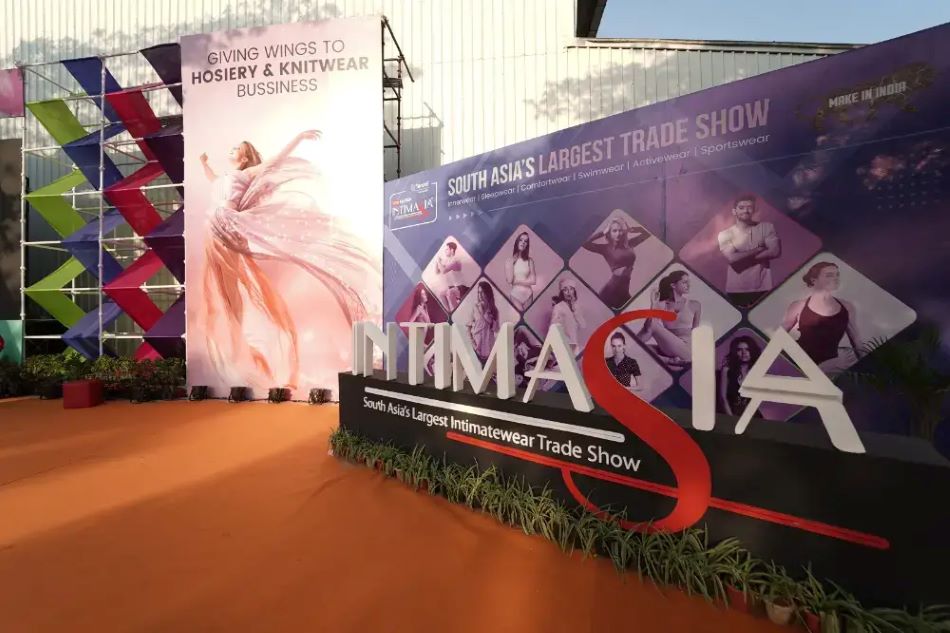
In a groundbreaking moment for India's fashion scene, the inaugural Lingerie Fashion Week (LFW) debuted alongside Intimasia 2024, the world's second-largest trade show for Innerwear, Comfortwear, and Sportswear. With over 30 top brands including Enamor, Puma, FCUK, and more taking the stage, the event showcased a fusion of style and innovation.
Star-studded showcase
Under the creative helm of fashion luminary Nisha Harale, LFW mesmerized attendees with a dazzling display featuring 25 female models and 12 male models. Adding to the allure, celebrity actress Teena Singh graced the runway as the showstopper. The event was not just a fashion show but an immersive experience, highlighted by live performances from Project DevD, Rosemary Fernandes, and Zumba Dancers, all hosted by the dynamic duo Magen Fernandes and Surbhi Rao.
Two days of fashion extravaganza
Spanning over two days with six fashion shows, LFW offered a diverse array of collective showcases and exclusive brand presentations. The audience, predominantly comprising retailers, distributors, startups, and fashion enthusiasts attending Intimasia 2024, were treated to a spectacle that celebrated the evolving landscape of intimate fashion.
Industry milestone
Yusuf Dohadwala, Chief Organizer of LFW and CEO of the Intimate Apparel Association of India (IAAI), hailed the launch as a pivotal moment for the Indian fashion industry, particularly the intimate wear sector. He emphasized the exponential growth of the Indian intimatewear industry, outpacing the global average with a robust 12% CAGR. Dohadwala underscored the shift in consumer demand and the industry's evolution, citing the remarkable participation of over 35 Indian models, a stark contrast to the scenario two decades ago.
Impeccable organization
Behind the scenes, Peppermint Communication, a seasoned media and event company specializing in Innerwear, Comfortwear, and Sportswear sectors, orchestrated the flawless execution of LFW. With a legacy of over two decades in the industry, Peppermint Communication's expertise shone through, ensuring an unforgettable debut for India's Lingerie Fashion Week.
A platform for innovation and style
The successful launch of LFW signifies a significant stride in the fashion realm, providing a dedicated platform to celebrate innovation, craftsmanship, and style in the realm of intimate fashion. As the industry continues to evolve, events like LFW serve as catalysts for nurturing talent, fostering creativity, and shaping the future of fashion in India.
Intimasia: A hub for industry advancement
Intimasia, touted as the world's second-largest and Asia's largest trade show for Innerwear, Comfortwear, and Sportswear, stands as a testament to India's burgeoning textile and apparel industry. Co-located with Source NXT, Intimasia serves as a comprehensive platform for industry players to showcase their offerings, network, and stay abreast of emerging trends and innovations.
Championing industry growth
The Intimate Apparel Association of India (IAAI), established in 2010, plays a pivotal role in advancing the Indian intimate apparel industry. With a vision to match and surpass international standards, IAAI is committed to promoting, expanding, and developing the sector, positioning India as a global leader in intimate fashion.
In summary, India's Lingerie Fashion Week, coupled with Intimasia 2024, marks a significant milestone, showcasing the industry's vibrancy, creativity, and potential on a global stage. With each edition poised to raise the bar higher, the event promises to redefine the contours of intimate fashion, setting new benchmarks for innovation and style.
Intimasia & Source NXT 2024: Triumph and transformation
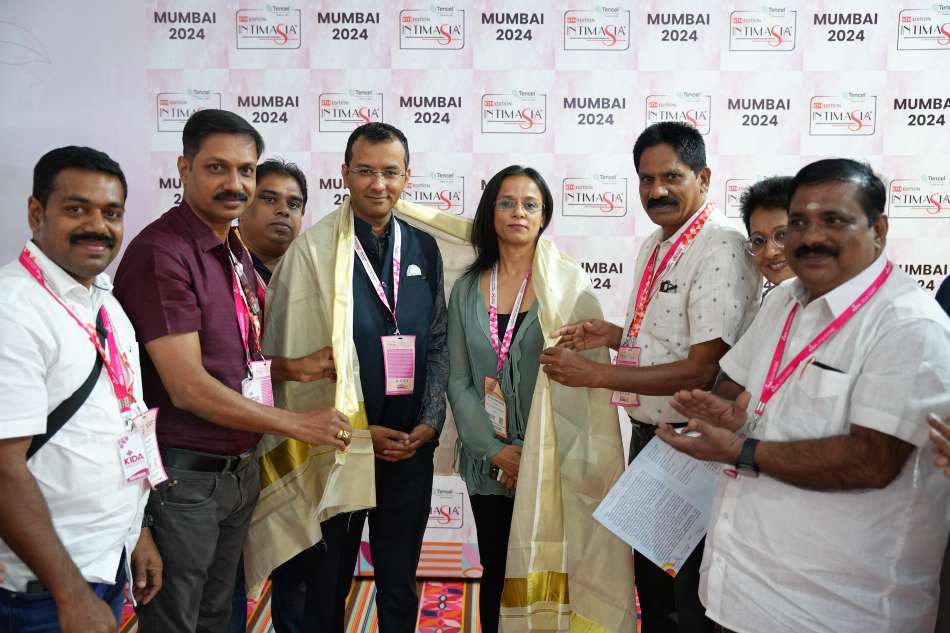
The 6th edition of Intimasia and Source NXT concluded at the Bombay Exhibition Center in Mumbai, marking three days of unparalleled success from January 22nd to 24th, 2024. This grand event served as a convergence point for the Innerwear, Comfortwear, and Sportswear industry, encapsulating the entire spectrum from raw materials to finished products.
Unveiling innovation and connectivity
Intimasia & Source NXT emerged as a beacon of innovation, boasting a lineup of over 300 brands and showcasing essential raw materials and machinery pivotal for product creation. From fibers to fabrics, elastics to garment machinery, the event provided a comprehensive platform for industry players to explore, connect, and innovate.
Industry endorsement: A testimony to success
Rakesh Grover, President of IAAI and Managing Director for Groversons Paris Beauty, underscored the significance of Intimasia & Source NXT as vital catalysts for industry growth. The overwhelming support from over 15,000 attendees, including retailers, distributors, start-ups, and fashion enthusiasts, projected business transactions exceeding 400 Crores, affirming its pivotal role in fostering connections and insights.
Knowledge empowerment: Illuminating discussions
The event witnessed engaging workshops and panel discussions led by industry stalwarts and international speakers, delivering invaluable insights. Renowned figures such as David Landart, Rachel Genter, Sunil Pathare, and Prashant Agarwal steered discussions, enriching participants with expert knowledge, meticulously managed by Wazir Advisors.
Testimonials of success: Voices from the industry
Suresh Nambiar, representing Puma & FCUK, hailed Intimasia as a remarkable platform for brand introduction to the Indian market, expressing delight in the overwhelming response. The launch of Lingerie Fashion Week - Season 1 emerged as a standout moment, elevating industry glamour and sophistication.
Future perspectives: Expanding horizons
Looking ahead, Intimasia and Source NXT are poised to conquer Delhi for their next edition, with a strategic focus on attracting international buyers in alignment with the Make in India initiative. Anticipate an array of participating brands, captivating fashion shows, and trend showcases in the capital city.
Organizational insights: Driving growth
Yusuf Dohadwala, Chief Organizer of Intimasia, Source NXT, and Lingerie Fashion Week, shared profound insights into the event's success. Despite industry challenges, the team's relentless efforts resulted in exceeding exhibitors' and visitors' expectations. With a 30% expansion in space for Intimasia and a doubling in size for Source NXT, the organizers remain steadfast in their ambition to ascend as the world's largest trade show for these dynamic categories.
Conclusion: A trailblazing journey ahead
The curtains may have closed on the 6th edition of Intimasia & Source NXT, but its impact resonates profoundly within the industry. As the event charts its course towards greater heights, it signifies not just a celebration of past triumphs, but a testament to the resilience and transformative power of the Innerwear, Comfortwear, and Sportswear sector.
About Intimasia
Intimasia stands as Asia's largest and the world's second-largest trade show devoted to Innerwear, Comfortwear, and Sportswear. Renowned for its role in promoting the textile and apparel industry, Intimasia offers a distinctive platform for brands, manufacturers, retailers, and distributors to exhibit their products, network, and remain abreast of industry trends and innovations. Co-hosted with Source NXT, Intimasia presents a comprehensive trade event encompassing the entirety of the textile and apparel sector.
Global cotton industry gathers in Bremen for sustainability push
Bremen, Germany, will host the 37th International Cotton Conference in March, where the spotlight shines on textile recycling and its role in a circular economy. This key session will gather experts from across the cotton supply chain to explore the potential and challenges of recycling cotton and blended fabrics.
Running from March 20-22 at the Bremen Parliament House, the conference offers a packed program on sustainability, quality, breeding, digitization, and research. But it's the recycling session that promises sparks.
Experts from across the cotton chain will delve into the potential and challenges of textile recycling, focusing on mixed fabrics like polycotton and the sorting systems needed. Silke Huertos-Lopes from Saurer will showcase how recycled materials can be reborn as yarn, while Esther Rohleder from Niederrhein University will explore the limits of this process. Stephan Baz from DITF will present findings from the "RezyCard" project, aiming to boost recycled content in yarn by 50%.
Beyond recycling, the conference dives deep into the cotton market's economic side, examining trade shifts, regenerative farming's importance, and 25 years of cotton production in Africa.
With 11 sessions covering diverse topics, the 37th International Cotton Conference promises to be a vibrant hub for industry insights and collaboration.
Interim Budget 2024: India’s textiles industry seek GST cut, export boost, skills upgradation
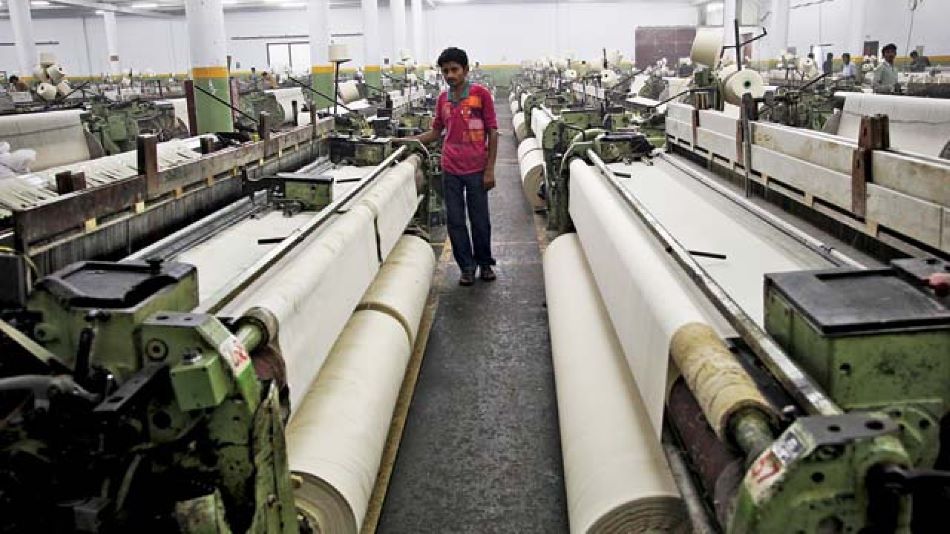
With the upcoming Union Budget expected to be an interim one, Indian textile and apparel industry is keeping its fingers crossed, hoping for measures that will provide much-needed fillip to the sector. Key industry bodies like AEPC, TEXPROCIL, SRTEPC, and CMAI have submitted their wishlist to the government, urging for measures to bolster their competitiveness and navigate challenges. What they want…
GST Uniformity across MMF value chain
A of the key demand from AEPC is the standardization of GST rates across the entire Man-Made Fibre (MMF) value chain. The current disparity – 18 per cent on fibre, 12 per cent on yarn and 5 per cent on fabric - leads to unutilized input credit and liquidity issues for Micro, Small & Medium Enterprises (MSMEs). A uniform 5 per cent rate, as proposed by AEPC, could ease cash flow and spur manufacturing.
Extension of Interest Equalization Scheme beyond March 2024
Another key demand is the extension and expansion of the Interest Equalization Scheme (IES) for the textile sector. The IES currently provides subsidized interest rates on loans for exports of made-up garments and home textiles. However, the scheme is set to expire in March 2024. The industry is requesting the government to extend the IES for at least another five years and expand its scope to cover all segments of the textile and apparel value chain. This would make Indian exports more competitive in the global market and boost domestic manufacturing. The industry is also seeking an expansion of the IES to cover a wider range of textile products and to address regional imbalances in the scheme's benefits.
AEPC suggests raising the rate to 5per cent for all apparel exporters, making pre and post-shipment Rupee export credit more accessible and boosting international competitiveness. Currently, the rates vary between 2 and 3 per cent, depending on the exporter category and product listings.
Promoting sustainable practices and branding
TEXPROCIL has highlighted the need for tax concessions for apparel manufacturers adopting Environmental, Social, and Corporate Governance (ESG) practices and adhering to international quality standards. This would incentivize sustainable production and attract conscious consumers. Additionally, budgetary support for branding and marketing ‘Made in India’ products is deemed crucial to compete effectively in the global market.
Focus on MSMEs and Skill Development
The SRTEPC, representing the synthetic and rayon textiles sector, advocates for additional support for MSMEs. Measures like easier access to credit, simplified compliance procedures, and skill development programs could significantly empower these enterprises.
Technological Upgradation and Research & Development
The Indian textile industry faces stiff competition from countries like Bangladesh and Vietnam, which have lower production costs and a more skilled workforce. To bridge this gap, the industry is seeking government support for technological upgradation and skill development initiatives. CMAI, representing garment manufacturers, highlights the importance of technological advancements and R&D initiatives. Budgetary allocations for upgrading machinery, adopting automation, and promoting R&D would enhance the industry's efficiency and innovation..
Boosting domestic market
Beyond exports, stimulating domestic demand is key. Tax cuts on textiles, increased government procurement of uniforms, and consumer awareness campaigns are all on the industry's wish list. These measures would help Indian textiles take a positive foot forward.
The upcoming interim budget though temporary, holds immense significance for the textile and apparel industry, especially considering the upcoming general elections. The government's response to these demands will be closely watched, as it could shape the sector's growth trajectory in the near future.
It's important to note that the interim budget typically covers the fiscal needs until the new government takes office after the elections. Therefore, its focus is often limited to essential expenses and immediate concerns. While long-term policy changes may not be announced, significant measures addressing the industry's immediate challenges could offer a much-needed boost.
Munich Fabric Start wraps up Spring.Summer 2025 edition
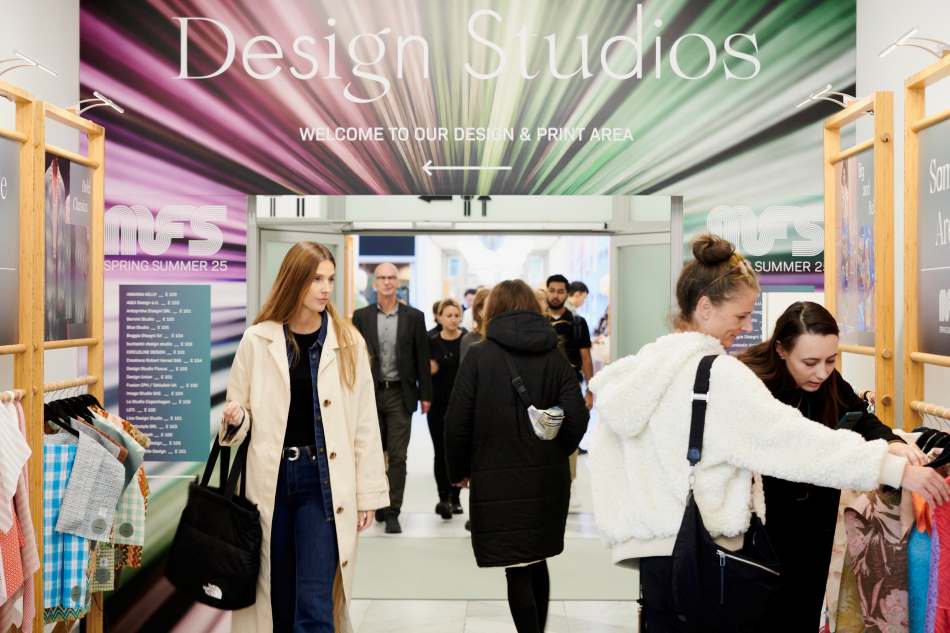
After three dynamic days showcasing the latest in textile innovation and fashion trends, the international fabric show, Munich Fabric Start, concluded its Spring.Summer 2025 edition. With the denim trade show Bluezone and the innovation hub Keyhouse closing their doors earlier, the event provided a comprehensive overview of the evolving landscape of the European fashion industry.
Clarity in focus: A recap of the event
Under the overarching theme of "Clarity," the event gathered designers, buyers, product managers, and decision-makers to explore offerings from around 1,000 international suppliers across eight distinct areas. These areas, including Additionals, Fabrics, ReSource, Bluezone, Design Studios, Keyhouse, Sustainable Innovations, and The Source, served as focal points for discussions and engagements.
With a notable attendance of 11,700 visitors from 58 countries, Munich Fabric Start attracted renowned brands like adidas, BMW, C&A, Hugo Boss, and many others. The event's diverse audience highlighted its significance as a global platform for industry networking and collaboration.
Insights and perspectives: Voices from the industry
Sebastian Klinder, Managing Director of Munich Fabric Start, emphasized the importance of clarity and orientation in the current industry landscape. He underscored the event's role in providing a space for business, inspiration, and interaction, essential for navigating the future of fashion.
Trends and developments for Spring.Summer 2025
A return to craftsmanship and clear shapes marked one of the significant trends observed for the upcoming season. Denim, a perennial favorite, remained omnipresent, reflecting its versatility across various styles and price ranges. Additionally, natural materials such as linen and hemp gained prominence, particularly in casual workwear, alongside pastels and earthy tones.
Focus on sustainability: Bridging innovation and practice
Sustainability emerged as a central theme, with a dedicated focus on innovative fibers, recycling initiatives, and EU regulations shaping the industry's future. Platforms like Keyhouse played a crucial role in facilitating dialogue and collaboration between stakeholders, fostering the transition towards a more sustainable fashion ecosystem.
Highlights from Bluezone: Driving sustainable practices
Bluehouse, the denim hot spot, showcased the industry's commitment to sustainability through initiatives like the Denim Deal, which promotes the use of recycled materials in textile products. Personal encounters and exchange of ideas characterized events like Munich Fabric Night, emphasizing the importance of collaboration in driving industry-wide change.
Looking Ahead: View Premium selection
As the industry gears up for the Autumn.Winter 25 season, the upcoming View Premium Selection event in June promises to offer insights into future trends and innovations. With a focus on fabrics, denim, sportswear, and design, it serves as a vital platform for quick ordering and industry developments.
Industry voices: Perspectives on Munich Fabric Start
Key stakeholders, including designers, project managers, and industry specialists, shared their experiences and insights on the event. From the significance of sustainable innovations to the value of platforms like Keyhouse, their voices underscored the collaborative spirit driving positive change within the industry.
Conclusion: Driving transformation through collaboration
As the curtains close on Munich Fabric Start Spring.Summer 2025, the event leaves behind a legacy of clarity, sustainability, and collaboration. With a renewed focus on craftsmanship, innovation, and responsible practices, the European fashion industry sets its sights on a future defined by clarity of purpose and a commitment to sustainability.
Rayon filament yarn market poised for explosive growth
Fueled by a potent cocktail of technological leaps and ever-changing consumer desires, the rayon filament yarn market is poised for explosive growth from 2024 to 2031,
The market will expand with new technologies and strategic partnerships, leading to diverse products and global reach. Trends like specific trend, another trend, and third trend will act as demand magnets, creating lucrative opportunities.
Eco-friendly practices and a focus on sustainability will be crucial for market success. Companies prioritising these aspects will be well-positioned for long-term growth.
The market will be led by companies who relentlessly refine their processes, products, and customer experiences. This unwavering commitment to excellence will be their key to navigating uncertainties and staying ahead of the curve.
Future demand in the Rayon Filament yarn market will be driven by technological breakthroughs, shifting consumer preferences, regulatory changes and new policies or regulations could impact production or demand.
Sudhir Sekri to be the new AEPC Chairman
Sudhir Sekhri, Managing Partner, Trendsetter International, has been appointed as the new Chairman of AEPC.
Replacing Naren Goenka, Sekri aims to scout for ways and means to arrest the declining RMG (ready-made garments) exports witnessed over the last few months. He also aims to take adequate measures market and product diversification.
According to Sekri, the industry is working to achieve exports target of $40 billion by 2030. It plans to scout for new sourcing destinations by realigning the supply chain,
An Executive Committee member of Apparel Export Promotion Council (AEPC) since 1990, Sekri has also been the Chairman for the Export Promotion Committee of AEPC for several years and Vice Chairman, AEPC for 2022 and 2023.
He diversified into RMG manufacture and exports after a five-year stinti in the family business of manufacturing and export of electric welding equipment.











