


FW
Cotton vs. Synthetics: Bangladesh garment industry aims for diversification
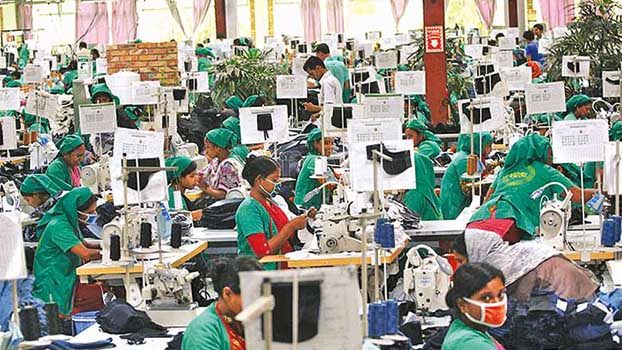
Bangladesh's garment industry, a major driver of the nation's economy, is looking beyond cotton and embracing a future of diversified fibers. This strategic shift is driven by a comprehensive study titled "Beyond Cotton" commissioned by the Bangladesh Garment Manufacturers and Exporters Association (BGMEA). The study highlighted the need for diversification in the country's garment exports. While cotton remains a major player, the global market is shifting towards non-cotton alternatives. Emphasizing the importance of the study, stating BGMEA President, Faruque Hassan says, "This report provides a roadmap for us to not only adapt to the evolving global market but to thrive in it... This report opens up new horizons for Bangladesh, and we are excited to embrace the opportunities it presents."
Cotton's dominance, diversification's potential
Historically, cotton has been the primary material for Bangladesh's garment exports, accounting for around 70 per cent in 2022-23. According to the Export Promotion Bureau (EPB) it is worth $55.56 billion in total garment exports in fiscal year 2022-23. However, the global market for non-cotton apparel is larger and is projected to grow faster than cotton. This includes synthetics, regenerated fibers, animal fibers, and other plant-based alternatives. By diversifying its export basket, Bangladesh can tap into this larger market and cater to changing consumer preferences.
Non-cotton apparel accounted for 54 per cent of the $505 billion global apparel market in 2021, according to the Economic Relations Department (ERD) of Bangladesh. The country, currently exports only 29 per cent of its garments in non-cotton materials. The industry is aiming to double this share to $19 billion by 2025. This presents a significant opportunity for growth and diversification.
China is the leading exporter of non-cotton garments, followed by India and Vietnam. Bangladesh, with its strong cotton garment industry, is still relatively new to the non-cotton market, but has the potential to become a major player with strategic development.
Benefits of going beyond cotton
Moving beyond cotton will help Bangladesh meet the evolving demands of global consumers. By offering a wider range of fiber options, Bangladesh can cater to changing consumer preferences and trends. Consumers are increasingly seeking versatile, affordable, and performance-driven clothing, which non-cotton fibers often provide.
Also, expanding into non-cotton segments can strengthen Bangladesh's position in the global apparel market, allowing it to compete more effectively with leading players like China, India, and Taiwan. It will help the country expand its export basket with non-cotton products and will allow Bangladesh to tap into a larger market and cater to a wider range of consumer preferences. Synthetics and other non-cotton fibers can sometimes offer higher profit margins compared to cotton, especially as cotton prices fluctuate. Adding non-cotton products to the export basket broadens the potential customer base, leading to increased market share and revenue.
Roadmap to success
The "Beyond Cotton" study outlines a roadmap for achieving successful diversification:
Developing a complete supply chain for non-cotton products: This involves investing in infrastructure, technology, and expertise to cater to the specific needs of non-cotton manufacturing.
Embracing innovation and versatility: Staying at the forefront of technological advancements and adapting to changing trends will be crucial for sustained success.
Collaboration between stakeholders: Industry leaders, policymakers, and manufacturers need to work together to create a supportive ecosystem for non-cotton production and export.
With diversification, the Bangladesh garment industry can secure its position in the global market, cater to evolving consumer preferences, and propel further growth. This strategic shift paves the way for a future that is innovative, versatile, and adaptable to the ever-changing demands of the fashion world.
CCI procures 32.85 lakh bales of cotton at MSP during 2023-24
Cotton Corporation of India ( CCI) has procured approximately 32.85 lakh bales of cotton at the minimum support price (MSP) during the 2023-24 marketing season.
The highest amount of cotton was procured by Telangana with around 24 lakh bales. States like Maharashtra, Andhra Pradesh and Madhya Pradesh also emerges as the major sourcing states.
Meanwhile, CCI’s procurement activites have declined since Feb’24 as open market prices have surpassed MSP levels. Prices are covering hovering around 7-8 per cent higher than MSP, compelling CCI to adjust its procurement strategy accordingly.
CCI has also specified the MSP for cotton seek with raw current raw cotton prices exceeding the set MSP. The corporation maintains a vigilant presence across markets, ready for intervention if necessary, amidst daily market arrivals and mill consumption.
With a significant focus onTelangana, CCI’s commendable procurement achievement underscores its adaptability to market dynamics.
Shein registers $2 billion profit in 2023
Chinese-founded e-commerce giant, Shein recorded $2 billion profits in 2023. The e-tailer’s gross merchandise value also increased to approximately $45 billion as the sales of ultra-fast fashion items like bodysuits, minidresses, and slingback pumps increased.
With these numbers, Shein has positioned itself as a formidable force in the global fashion industry, potentially even surpassing previous leaders like H&M Group.
The e-commerce company continues to expand aggressively despite facing regulatory hurdles for its much-anticipated initial public offering (IPO). Its recent acquisitions include a significant stake in Sparc Group and acquiring Missguided's intellectual property.
The company plans to further diversify its business model by opening its platform to global brands and third-party sellers. It also plans to offer its supply chain as a service to outside brands and designers. This will enable the e-tailer to differentiate itself from competitors like Temu, which has emerged as a fierce rival, particularly in the United States.
Currently, Shein is being scrutinised by lawmakers for its interactions with the Chinese government and Communist Party. This has led to lawmakers demanding increased transparency and disclosures from the company.
Meanwhile, the e-commerce giant’s dominance is also being challenged by another company Temu. Despite being criticised for exploiting loopholes to avoid tariffs, Temu continues to expand its market share and revenue.
Techtextil 2024: Santex Rimar Group's precision coating
Cavitec, renowned for high-end coating, laminating, and impregnation machines, debuts the redesigned Caviscreen at Techtextil Frankfurt. Developed by the Swiss firm, a part of the Santex Rimar Group, Caviscreen boasts cutting-edge technology for superior results in breathable laminates, along with cost-saving advantages. Specifically designed for sportswear, rainwear, and protective clothing, this unit applies PUR adhesive with precision, offering strong bonding and versatility."
At the heart of Caviscreen's innovation lies its hotmelt screen printing system, revolutionizing high-end garment applications. Operating akin to traditional textile printing, this system transfers PUR adhesive onto substrates through a rotary screen. The adhesive is seamlessly fed from a drum melter through a heated hose, ensuring consistent distribution behind the doctor blade within the rotary screen.
Manufacturers and end-users laud Cavitec's system for its unmatched precision, resulting in active wear products boasting exceptional air permeability and a luxurious feel. Moreover, the technology enhances bonding strength while minimizing adhesive usage, thanks to surface-level coating that mitigates substrate penetration. Customizable dot patterns and coating weights empower users to tailor performance characteristics precisely.
Caviscreen's ease of operation and efficiency further elevate its appeal. Rapid screen interchangeability, facilitated by a user-friendly bayonet fitting mechanism, streamlines production processes. Unlike conventional methods entailing hot oil or heated liquids, Caviscreen's compatibility with PUR adhesives simplifies operation while ensuring durability.
With a keen eye on cost efficiency, Caviscreen technology slashes expenses by offering screens priced at a fraction of gravure roller costs. At Techtextil Frankfurt 2024, Cavitec unveils Caviscreen and its array of solutions, positioning itself as the go-to destination for cutting-edge textile innovations. From April 23 to 26, industry enthusiasts can explore Cavitec's pioneering technology firsthand at booth D85 in hall 12.
Myanmar to cultivate over 600,000 acre of cotton in fiscal 2024-25: Report
Myanmar will cultivate more than 600,000 acre of cotton across six states and regions during the 2024-25 fiscal year, reports Global New Light of Myanmar.
According to U Min Nuang, Union Minister for Agriculture, Livestock, and Irrigation around 612,712 acre of cotton will be cultivated across 19 cultivation zones.
Myanmar also plans to expand its cotton plantation to over 747,000 acre by the 2027-28 fiscal year. However, for this, it needs to collaborate with the relevant departments, business entities, and farmers, says Min Nuang. .
Emphasisng on the significance of promoting cotton cultivation, Min Nuang says, it will help foster the growth of cotton-based micro, small, and medium-sized enterprises (MSMEs). Increased cotton production will also facilitate exports beyond domestic demand, he adds.
Reportedly, an acre of cotton plantation in Myanmar yields approximately 700 visses, equivalent to over 1,143 kg of cotton.
ICAC: Cotton forecast signals optimism amid weather concerns
Anticipation is building for the 2024/25 cotton season, with initial projections from the International Cotton Advisory Committee (ICAC) hinting at promising gains in key metrics. Despite lingering uncertainties, particularly surrounding weather patterns, the forecast paints a picture of growth in area, production, consumption, and trade.
However, a shadow looms over the optimism as weather remains a significant wildcard, continuing its trend of unpredictability. Expected declines in yields, likely influenced by adverse weather conditions exacerbated by global climate change, underscore the challenges faced by the industry.
Projections for the upcoming season include a 3 per cent increase in area, reaching 32.85 million hectares, and a production boost of over 2.5 per cent to 25.22 million tons. Consumption is also forecasted to rise by 2.9 per cent to 25.37 million tons, while trade volumes are expected to surge by almost 4 per cent.
Despite the positive outlook, price projections remain subject to fluctuation, with the Secretariat's forecast ranging from 85.67 to 100.62 cents per pound.
Mexico reassesses anti-dumping duty on PFY imports from India, China
Mexico’s Ministry of Economy is currently reassessing the anti-dumping duty applied to imports of polyester filament yarn (PFY) from India and China, categorised under tax number 5402.33.01.
This review has been prompted by a reevaluation of the circumstances which initially led to the imposition of the duty. The Ministry has concluded that the closure of the applicant's operations in September 2023 has altered the landscape, potentially rendering the domestic PFY industry unaffected by imports from India and China.
The applicant, who had initially requested the imposition of anti-dumping duties back in 2020, ceased operations in 2023, further prompting the Ministry's review.
During the course of this review, the Ministry will carefully consider whether it is appropriate to maintain, modify, eliminate, or reapply the definitive countervailing duty on imports of PFY from China and India.
To provide context, Mexico had initiated an anti-dumping investigation into polyester filament yarn originating from these two countries on March 31, 2020. Subsequently, on September 29, 2021, Mexico issued a final affirmative ruling on the matter, deciding to impose an anti-dumping tax of US $0.532 per kg.
However, due to the adverse impact of the COVID-19 pandemic on the Mexican textile industry, the implementation of these anti-dumping duties was postponed for one year.
Following the expiration of this extension, Mexico proceeded to impose the anti-dumping duty. Nonetheless, in light of the closure of the applicant's factory, the Ministry has opted to revisit the matter and undertake a thorough review of the anti-dumping duty's applicability.
New Cotton Project: Creating a circular future for fashion

The EU-funded New Cotton Project has successfully concluded its three-and-a-half-year mission of exploring the possibilities of fibre-to-fibre recycling in the textile industry. Here's a breakdown of the project's concept, goals, progress, and potential impact:
Concept and initiative
The project aimed to establish a circular value chain for garment production. Discarded textiles were collected, sorted, and transformed into Infinna fibers, a regenerated cellulose material developed by Infinited Fiber Company. These fibers were then used to create new fabrics for clothing lines.
The project aimed to establish a closed-loop system for garment production. Here's how it worked:
1. Collection and sorting: Used clothing was collected and sorted.
2. Regeneration: The sorted textiles were transformed into new, high-quality Infinna fibers using Infinited Fiber Company's technology.
3. Manufacturing: The regenerated fibers were spun into yarns and woven into fabrics.
4. Production and sales: Leading brands like Adidas and H&M used these fabrics to create garments like the adidas by Stella McCartney tracksuit and an H&M printed jacket and jeans.
Scalability and circularity impact
While the project utilized Infinited Fiber Company's technology, the learnings and established collaborations emphasize open knowledge sharing and new forms of partnership across the textile industry. This suggests a future where the core concept of fibre-to-fibre recycling can be adapted with advancements from various players.
The project highlighted challenges in scaling up this process. Here's what's needed:
Collaboration: Different industry players need to work together, with design incorporating end-of-life considerations from the start.
Infrastructure development: Improved systems for used textile collection, sorting, and pre-processing are crucial.
Data availability: Better data collection on textile waste quantities and types is essential for informed decision-making.
The project's success suggests Infinna-like regenerated fibers can significantly reduce the environmental impact compared to traditional materials like cotton and viscose. However, widespread adoption requires ongoing research across the entire textile value chain, particularly in sorting technology. The impact on overall circularity is difficult to quantify at this stage. However, the project has demonstrated the potential of regenerated fibers to significantly reduce the environmental footprint compared to traditional materials.
The consortium emphasizes the importance of clear and unified EU legislation to drive sustainable practices in the textile sector. Aligning Extended Producer Responsibility schemes with Ecodesign regulations will help companies prepare for a more circular future.
Looking ahead
The New Cotton Project serves as a stepping stone for a more circular textile industry. Key takeaways include:
1. The importance of collaboration across the value chain.
2. The need for innovation in sorting and recycling infrastructure.
3. The significance of clear consumer communication regarding circularity.
4. The potential of legislation to drive sustainable practices.
The project paves the way for commercially viable circular textile production. However, some aspects need addressing. Chemical recycling optimization, ensuring high chemical recovery rates is necessary to minimize the process' environmental footprint. Educating consumers about circularity in textiles is crucial for wider acceptance. Supportive policies like ‘Extended Producer Responsibility’ can incentivize sustainable practices.
While challenges remain, the project has shown that regenerated fibers like Infinna can be a game-changer for sustainable fashion. With continued research and development, this technology has the potential to revolutionize the way we produce and consume clothing.
France push for EU ban on used clothes exports, a complex issue with no easy answer
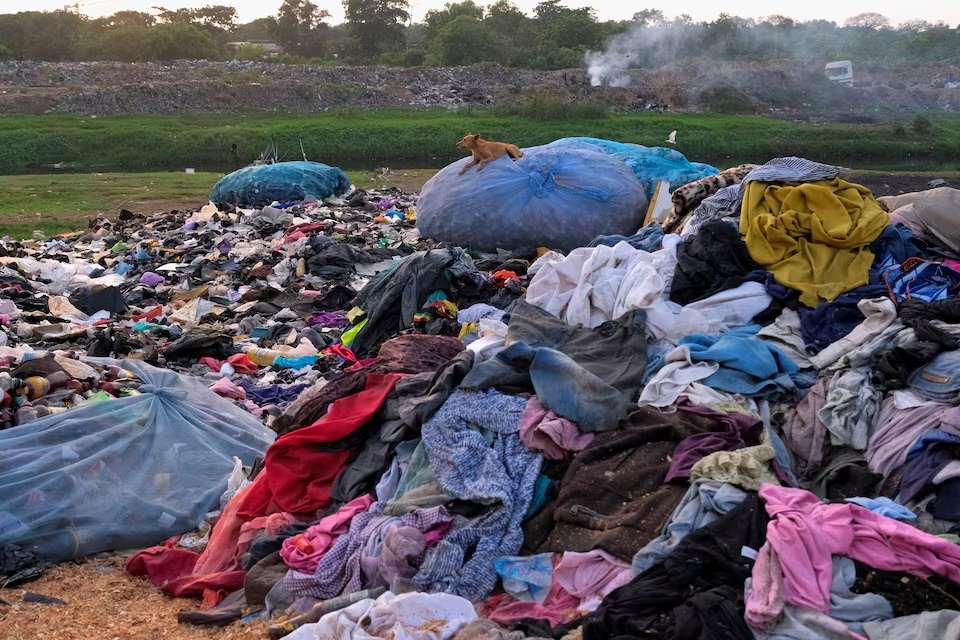
The fashion industry is a major contributor to textile waste, with Europe alone generating 5.2 million tons annually. France is proposing a ban on EU exports of used clothing, aiming to curb this waste and prevent African nations from becoming dumping grounds for unwanted garments. This proposal has sparked a debate, raising questions about its effectiveness, potential consequences, and alternative solutions.
A mounting waste crisis
Fast fashion, characterized by cheap, trendy clothing with a short lifespan, is a key driver of textile waste. The European Union alone generates a staggering 5.2 million tons of clothing and footwear waste annually, according to the European Commission. Much of this ends up in landfills or gets shipped to developing countries, particularly in Africa. A 2023 report by the European Environment Agency found that Europe dumps a whopping 90 per cent of its used clothes in Africa and Asia, raising concerns about pollution and environmental damage.
France's backs responsibility and sustainability
France, backed by Sweden and Denmark, argues that the EU must take responsibility for its waste. Their environment ministry emphasizes the environmental damage caused by overflowing landfills in Africa, stating, "Africa must no longer be the dustbin of fast-fashion." The proposed ban aims to incentivize waste reduction and promote a more sustainable clothing industry within the EU.
However, the effectiveness of a ban is debated. While it might reduce waste in Europe, it could disrupt economies in Africa that rely heavily on the second-hand clothing trade. Opponents argue the ban could potentially harm African livelihoods as millions in Africa rely on the sale of imported used clothing for income. A ban could threaten these jobs. Also, it could stifle domestic industry as some argue cheap used clothing hinders the growth of domestic textile industries in Africa. However, the quality of much of the imported clothing is poor, raising concerns about its overall impact. The ban could also disrupt existing trade agreements. A unilateral EU ban could violate existing trade agreements with African nations. The case of the East African Community's failed attempt to ban used clothing imports due to US pressure highlights this potential issue.
For example, the 2016-2020 trade dispute between the East African Community (EAC) and the US over used clothing imports exemplifies the complexities involved. While the EAC sought to boost domestic manufacturing, US pressure ultimately forced them to abandon the ban. This case demonstrates the potential for unintended consequences and the importance of international cooperation.
Dialogue and comprehensive solutions the way forward
Indeed, a complete ban on used clothing exports might be an oversimplification. Instead, a more comprehensive approach is likely needed. Experts suggest some possibilities:
Promoting sustainable Production: Incentivize European clothing manufacturers to adopt sustainable practices, such as using recycled materials and designing for durability.
Supporting local manufacturing in Africa: Offer technical and financial assistance to help African countries develop their textile industries and create a level playing field with imported goods.
Improve sorting and recycling systems: Invest in better infrastructure to sort and recycle used clothing within the EU, reducing reliance on export.
Global dialogue: An open dialogue between the EU, African nations, and other stakeholders is crucial to find solutions that address environmental concerns while protecting livelihoods and fostering development.
Certainly, the proposed EU ban on used clothing exports highlights the complex relationship between waste management, economic development, and global trade. While a complete ban might be a symbolic gesture, it's unlikely to be the most effective solution. A multi-pronged approach that addresses the root causes of textile waste and promotes a more sustainable clothing industry across the globe is likely a more promising path forward.
Textile yarn market to hit $23.51 billion by 2030: Study
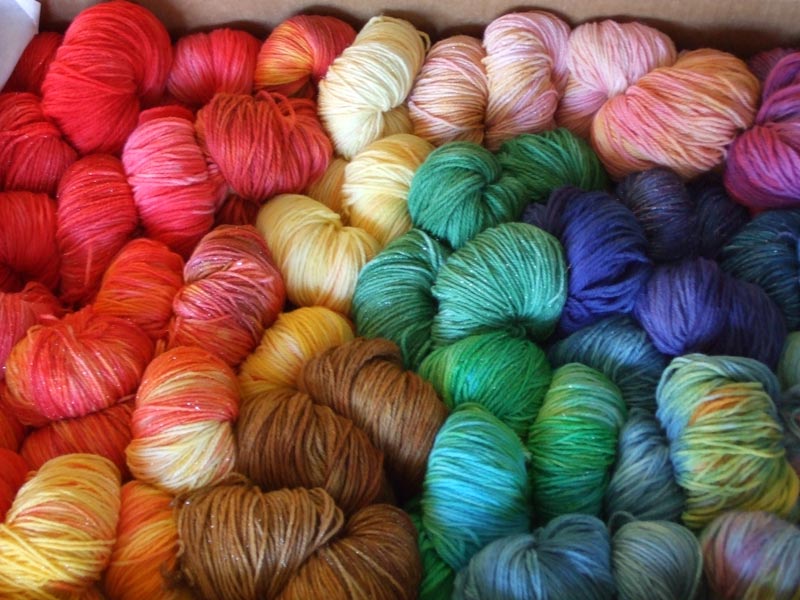
The textile yarn market is expected to reach $23.51 billion by 2030, driven by a rising global demand for textiles across various industries, reveals a study by Virtue Market Research, highlighting growth projections, trends, and opportunities. Despite pandemic's disruption of supply chains, the textile yarn market exhibits resilience. The growing demand for textiles in apparel, home furnishings, automotive parts, and industrial applications fuels long-term market growth. As economies recover and manufacturing resumes, the pent-up demand for textiles is expected to propel the market forward.
Sustainability in the spotlight
A key driver is the increasing focus on sustainability. Consumers are demanding eco-friendly textiles made from recycled fibers, organic cotton, and biodegradable materials. Manufacturers are responding by investing in sustainable production practices and certifications to meet this growing demand.
The market presents a significant opportunity in technical textiles -- those used for medical, hygiene, and protective applications. The pandemic has underscored the importance of technical textiles in healthcare, driving demand for yarns in medical gowns, masks, and hygiene products. Manufacturers are expanding production and diversifying product lines to capitalize on this trend.
Digitalization revolutionizes yarn production
Digitalization and automation are transforming yarn manufacturing. Technologies like artificial intelligence, the Internet of Things (IoT), and data analytics are being integrated into equipment to enhance efficiency, quality control, and productivity. Automated machines enable faster production, higher yarn consistency, and reduced costs. Additionally, real-time process monitoring, predictive maintenance, and optimized production schedules are facilitated by digitalization, giving manufacturers a competitive edge.
Chemical yarns, encompassing synthetic fibers like polyester, nylon, and acrylic, represent the largest market segment due to their versatility, durability, and affordability. However, plant-based yarns, derived from natural fibers like cotton, hemp, flax, and bamboo, are the fastest-growing segment. These fibers' softness, breathability, and biodegradability appeal to eco-conscious consumers, propelling market growth.
Artificial reigns, animal yarns rise
Artificial yarns, including polyester, nylon, acrylic, and viscose, dominate the market due to their versatility and ability to mimic natural fibers with added benefits like wrinkle, moisture, and abrasion resistance. However, animal yarns derived from sheep, goats, and silkworms are experiencing significant growth. Wool's warmth, softness, and moisture-wicking properties make it ideal for winter wear and outdoor clothing, while silk's luxurious texture and sheen are sought after in high-end fashion.
The apparel segment, encompassing a wide range of clothing and fashion items, is the largest application for yarns. Both natural and synthetic fibers are used, offering a variety of textures, colors, and performance properties. However, the industrial segment, encompassing technical textiles used in automotive, aerospace, construction, and healthcare, is the fastest-growing. These yarns are engineered for specific performance requirements like strength, durability, heat resistance, and chemical resistance, finding applications in tire cords, conveyor belts, ropes, hoses, filters, and medical textiles.
The Asia-Pacific region, including China, India, Japan, and South Korea, is the largest market segment due to abundant raw materials, low labor costs, and supportive government policies. However, North America, which includes the United States, Canada, and Mexico, is the fastest-growing region. This growth is driven by rising demand for sustainable and high-quality textiles, technological advancements, and a shift towards locally produced goods. The pandemic has accelerated e-commerce adoption and digital technologies, further propelling online retail channels for textiles and apparel in North America.
Sustainability, technology, and collaboration
Sustainability initiatives are a key differentiator for companies. Focus areas include using recycled fibers, water-saving techniques, and minimizing carbon emissions. Collaboration with sustainability organizations, participation in certification programs, and transparent communication about these efforts are crucial for building trust with consumers.
Companies are embracing digitalization to streamline operations, enhance efficiency, and meet consumer demands. Advanced manufacturing technologies like automation, robotics, and data analytics are being implemented. Additionally, companies leverage digital platforms for marketing, sales, and distribution, enabling them to reach a wider audience and adapt to changing market trends.
Collaboration and partnerships are becoming increasingly prevalent. Examples include textile manufacturers collaborating with technology firms to develop innovative yarns, brands partnering with suppliers for sustainable product lines, and strategic alliances for market expansion. These collaborations leverage combined expertise, resources, and networks to drive market growth and competitiveness.
In conclusion, the textile yarn market is poised for significant growth, driven by rising demand for textiles, a focus on sustainability, and technological advancements.











