


FW
Debasish Das and Subhas Ghosh bag innovation award
Debasish Das, Professor, University of Calcutta, Department of Jute and Fibre Technology, and Subhas Ghosh, Professor, Eastern Michigan University, School of Visual Built Environments, College of Engineering and Technology, have won the 2019 Discover Natural Fibers Initiative Innovation Award.
The two researchers were awarded for their development of a biodegradable cotton-jute fabric with a waterproof coating that can substitute for non-biodegradable PVC-coated polyester. The new cotton-jute fabric is suitable for use in outdoor fabrics such as tarps, awnings, canopies, or automobile hooding material. In addition to being biodegradable, the natural fiber material meets fire-retardancy standards and allows the transfer of moisture vapor to avoid the accumulation of humidity on the underside of fabrics, while remaining waterproof. Crucially, the natural fiber textile product developed by Das and Ghosh contains no carcinogenic plasticiser, no toxic formaldehyde-based adhesion promoter, and no non-biodegradable fabric components.
This cost-effective natural fiber product was developed within the Department of Jute and Fiber Technology, University of Calcutta, with support from the Ministry of Textiles, Government of India. The product will be produced on a commercial scale by Ajanta Textiles, India.
Fashion studio apprenticeship launched by British Fashion Council
 The British Fashion Council (BFC) launched its fashion studio apprenticeship alongwith BFC Chief Executive Caroline Rush, BFC Ambassadorial President David Beckham and BFC Ambassador for Positive Fashion Adwoa Aboah.
The Fashion Studio Apprenticeship is part of the BFC’s education department which gives young people a clear understanding of how to train for a plethora of industry roles within the creative industries.
Designed by a group of fashion employers, with the BFC, the apprenticeship starts at the studio and features the entire creation of a collection. The Fashion Studio Assistant is a key position in the designer industry, working with the team that creates a collection. For the first six months, the apprentice will complete a foundation which will include core elements of the job role such as critical path management and health & safety measure. This will lead to 12 months in a more focused area of the business, with the apprentice choosing to specialise in one of three pathways:
• Product Development and Production
• Sales and Operations
• Fashion Marketing and Communications
Following on from the 18-month training the apprentice will undertake an Independent End-Point Assessment that has been derived by industry experts in this field. The assessment will be taken in 2 steps:
• Work Based Project (Including Presentation and Discussion)
• Practical Test The grades for both elements will be combined to confirm the overall achievement of Fail, Pass or Distinction.
Cotton USA showcases its latest innovations at Intertextile Shanghai and Yarn Expo
 Cotton USA showcased its latest innovations in smart fashion at its booths in both Intertextile Shanghai Apparel Fabrics and Yarn Expo.
At both these shows, Cotton USA™ highlighted U.S. cotton’s sustainability, quality, transparency and premium value, as well as the findings of current market and consumer studies and its ongoing Sourcing Programs that match U.S. cotton buyers and suppliers throughout the supply chain.
Visitors to the booths also learned about how becoming a Cotton USA™ licensee will benefit their businesses. Quantitative consumer research proves that the Cotton USA™ Mark is of high value to consumers and can drive both preference and higher prices. In addition, Cotton USA highlighted six licensees at the booth–Color Denim, Huafu, Laws Group, Ningbo Guangyuan, SCHIESSER and Zibo Lanyan–showcasing high quality knitted and woven fabrics and garments.
This year’s the Intertextile Shanghai Apparel Fabrics show had more than 4,400 exhibitors from 33 countries to feature a full range of textile products, and it attracted nearly 89,662 visitors from over 120 countries & regions to the three-day-show.
With 698 exhibitors and 54, 202 visitors, CHIC Shanghai ends September edition on a successful note
"The autumn edition of CHIC Shanghai from 25 to 27 September 2019 ended on a successful note. The exhibition recorded 698 exhibitors and 718 brands from 10 countries and 54,202 trade visitors. The exhibitors displayed their new collections on 62,000 square meters at the National Exhibition & Convention Center. CHIC is owned by Beijing Fashion Expo Co and China World Exhibitions, supported by the China National Garment Association, the Sub-Council of the Textile Industry (CCPIT) and the China World Trade Center."
The autumn edition of CHIC Shanghai from 25 to 27 September 2019 ended on a successful note. The exhibition recorded 698 exhibitors and 718 brands from 10 countries and 54,202 trade visitors. The exhibitors displayed their new collections on 62,000 square meters at the National Exhibition & Convention Center. CHIC is owned by Beijing Fashion Expo Co and China World Exhibitions, supported by the China National Garment Association, the Sub-Council of the Textile Industry (CCPIT) and the China World Trade Center.
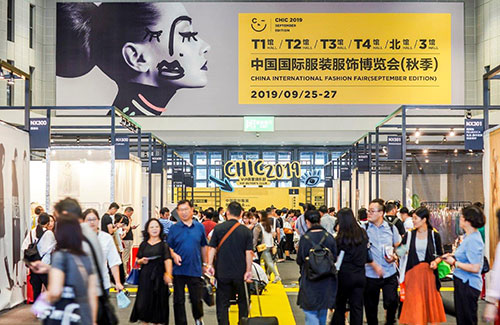
Ten clearly structured trade fair segments showcased the entire spectrum of fashion and lifestyle at the CHIC exhibition. These segments included New Look (Womenswear), Impulses (Designer), Urban View (Menswear), Chic Tailoring (Bespoke), Heritage (Leather and Fur), Chic Kidz, Chic Young Blood (Young Up-And-Coming Streetwear Labels), Secret Stars (Accessories), Bags & Shoes and Future Link (Innovative Developments For The Fashion Industry).
Focus on bespoke fashion
The New Look segment featured around 80 exhibitors who were mainly womens wear brands. The segment featured renowned exhibitors such as Jore Baudry.
Menswear featured prominently in the Chic Tailoring segment which showcased classic men's fashion, smart casuals with a growing denim component and bespoke collections. Solosali, one of the most popular Bespoke labels in China, received a great deal of attention in this segment
Launch of new label at Impulses
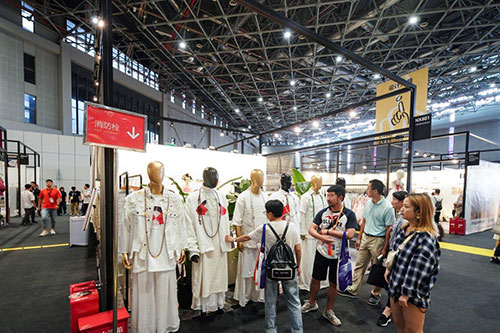
Impulses, the design department of CHIC, showcased designers such as Feng Sansan who presented his current collections for women, men and children with traditional Chinese elements. Designer Maggie Ma used the platform to launch her label Maggie Ma which is aimed at the younger target group. Further highlights for the visitors of Impulses were MAO MART homme, exclusive designer collection for women and Wei Jianfei, winner of the CHIC Market Potential Award.
In the Fashion Journey international section, the Korean show-in show Preview in China with 38 brands organised by the Korean Federation of Textile Industries (KOFOTI) presented their satisfaction with the professionalism of the CHIC exhibition platform.
Positive response for leather and fur collections
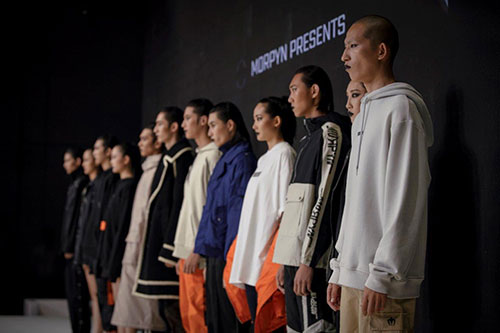
The leather and fur collections of the ten participants in the Hong Kong Fur Association Pavilion met with a positive response from agents and wholesalers from all over China, even distributors of luxury brands were interested in future collaborations.
Spotlight on Poland
The Polish brands Kids on the Moon and booso used CHIC KIDZ as an entry point into the Chinese consumer market, as did Mimozah Kids from Canada. Mishka Matreshka from Laboratory in Russia also took the first step to China as part of CHIC and received very positive feedback from potential business partners with the manga style of their shirts.
In the area of CHIC Bags & Shoes, Glamoursy from Poland presented an exclusive shoe collection and so did the young shoe and bag label Inyati from Germany.
Industry topics at Chic Talk
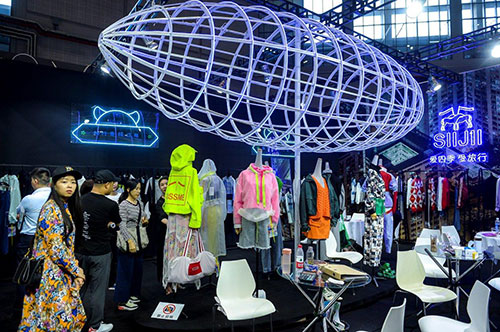
The Chic Talk which deliberated on topics such as ‘E-Marketing in Social Networks’, ‘Responsible Development Conference and Integration of Industry and Banks in the Chinese Textile and Apparel Industry’, ‘Digital Traffic, Reshaping Retail - Omni Channel Digital Innovation Forum’, WGSN's Trend Preview The theme "A / W 20/21 Women's Wear Forecast & Buyers" and the opening ceremony of the Lining Cup, was well attended by visitors and exhibitors alike.
International Sourcing Expo to weave new path for jute lifestyle products
"This year, the International Sourcing Expo Australia will welcome the Jute Product Development and Export Promotion Council (JPDEPC) and around 10 of their member organisations who will showcase the benefits of jute to the Australian market. The expo, co-located with Footwear and Leather Show Australia and China Clothing Accessories Textiles Expo, is Australia’s premier international sourcing show for apparel, textiles, fashion accessories, footwear and leather products."
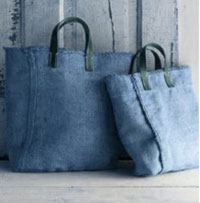 This year, the International Sourcing Expo Australia will welcome the Jute Product Development and Export Promotion Council (JPDEPC) and around 10 of their member organisations who will showcase the benefits of jute to the Australian market. The expo, co-located with Footwear and Leather Show Australia and China Clothing Accessories Textiles Expo, is Australia’s premier international sourcing show for apparel, textiles, fashion accessories, footwear and leather products. Into its tenth year, the three-day trade only event will open at the Melbourne Convention & Exhibition Centre on November 12, 2019 and will be restricted to bonafide trade professionals.
Over 4,000 visitors and 700 exhibitors to attend
Over 4,000 trade visitors will visit International Sourcing Expo and its combined events which will bring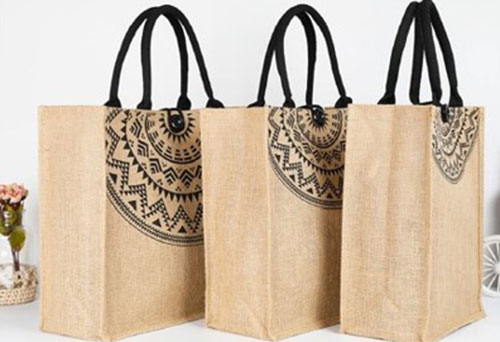 together 700 textile, apparel and footwear manufacturers and agents from 16 countries at the Melbourne Convention & Exhibition Centre from November 12-14 2019.
The trade-only event will showcase the product and service offerings of exhibitors drawn from China, India, Bangladesh, Pakistan, Hong Kong, Fiji, Indonesia, Vietnam, South Africa, Taiwan, Turkey, Australia, South Korea, Malaysia, Singapore, USA, Serbia and Nepal.
Organiser IEC Group believes this show will benefit from JPDEPC’s participation. Created in 2010 with the principal purpose of driving forward initiatives for the sustainable growth of jute exports from India, the council is managed by a 14-member committee of administration. Currently, the council has about 225 registered members covering various segments of manufacturing and trading of jute products.
Jute pavilion to feature latest trends and styles
The Jute Pavilion will feature renowned exporters attending the International Sourcing Expo Australia in Melbourne aiming to test the Australian market. Australian buyers will get an opportunity to meet manufacturers and exporters of jute lifestyle products and plan future imports and marketing strategies. The Jute Pavilion boasts of latest trends and styles, and buyers can expect to see colourful shopping bags, beach bags, fashion carriers, footwear and promotional totes.
Lenzing’s innovative fiber Refibra features 30% pulp from upcycled cotton
Lenzing has hit a new milestone with Refibra technology. The Tencel-branded lyocell fibers can feature up to 30 per cent of pulp made from upcycled cotton scraps collected from garment manufacturing processes.
Lenzing launched the Refibra brand in February 2017. It is based on the group’s Tencel fiber, with the addition of cotton scraps and wood. The fibers, part of the Tencel lyocell fibers of low fibrillation properties, have enhanced breathability and are especially well suited to knitted applications. Refibra fibers are produced using Lenzing’s well established Tencel production process. Lenzing’s new fiber Refibra is based upon a circular economy pattern. Refibra’s new special collaboration collection includes different indigo fabrics and jerseys as well as denims employing different mixes of Refibra with other recycled or sustainable fibers. Many companies offer their own interpretation of Refibra fiber for jeans and casual wear.
Advances like these are important as climate change and an increasingly conscientious customer base pays more attention to the supply chain. There is an ongoing shift in consumer demand. The new consumers think more critically. They want to know where the product is coming from and they ask for transparency. Ethical consumerism is just at its beginning.
Apparel makers unhappy with Nirapon, the new platform in Bangladesh
Apparel makers in Bangladesh have raised concerns over the new platform Nirapon. They say, it creates confusion about safety standards and adds new cost burdens in the name of monitoring and training. They feel Nirapon’s training module is the same as that of Alliance.
Nirapon was formed this year by 23 brands and retailers, including Walmart. Most are signatories of Alliance that folded its operations last December. Among other things, Nirapon will identify service providers capable of supporting regular supplier monitoring, remediation, capacity building and training. Suppliers have to work directly with service providers under the supervision of Nirapon. Alliance inspected fire, electrical and structural integrity of some 700 garment factories and remediated flaws in the last five years after the Rana Plaza collapse.
After the departure of Alliance, factories have been conducting in-house training on health and safety and maintaining safety standards prescribed by Alliance. So, apparel makers say, fulfilling the old requirements on the compliance issue in a new format is a waste of time and labor. After investing huge amounts of money in the industry to ensure workplace safety during the last five years, manufacturers are unwilling to bear a new cost burden. What they have asked for instead is reducing the scope of maintenance audits, which will result in a substantial reduction in fees.
Mukesh Trends to go public
Mukesh Trends Lifestyle is filing for an IPO. The IPO issue size will be between Rs 70 to Rs 90 crores. The company is seeking an issue of up to 10 crore equity shares with a face value of Rs 10 each.
Mukesh Trends Lifestyle, based in Ahmedabad, is engaged in fabric processing. It has business operations in nine states and one union territory. With rising demand from China, Turkey and Brazil, the company intends to set up a new manufacturing unit to process knitted denim fabrics. Its exports grew 367 per cent from 2016-17 to 2018-19.
The company’s primary business is of fabric manufacturing and processing, including pre treatment, dyeing, printing and finishing of grey fabric to produce finished fabrics in the form of knitted and woven fabrics. It specialises in processing of a wide range of fabrics like 100 per cent cotton, polyester, nylon, acrylic, linen, viscose, vortex viscose, cotton elastane, cellulosic fibers and blended fabric. The company procures grey fabric, dyes and chemicals from the market to process and print fabrics for retailers, brands, garment manufacturers, brands and retail vendors, traders, dealers and distributors. Its manufactured fabrics are specially suitable for suiting, shirting, men’s wear, women’s wear, kids wear, baby clothing, nightwear and sportswear.
Marks & Spencer revitalizes clothing and home
Marks & Spencer has not yet attained a turnaround of its clothing and home business yet. Significantly more action is needed to bring these back on track. Hard work in improving products has not been backed up by infrastructure improvements. The retailer suffered problems with planning and stock visibility, resulting in some empty shelves. M&S is overhauling its men’s wear collections, reducing the proportion of suits in its men’s wear stock to reflect contemporary customers.
But there are some positive signs in the brand’s digital and food arm. M&S will boost its food business through the transformation plan by working to lower costs and modernise its supply chain.
In the year M&S opened 37 stores and modernised a further 56. Where M&S made progress in pruning options and introducing slimmer fits and more mid sizes, the customer response was very strong. For instance, its new denim launch produced an initial 20 per cent sales uplift and sales of women’s jeggings were up 30 per cent. During the year, M&S implemented the market right pricing program across markets. The program’s cumulative performance since implementation was encouraging with sales up eight per cent and volumes up 20 per cent, following a net ten per cent reduction in selling prices. This performance is helping to build confidence with its partners to reinvest into the business.
Destination Maternity to cut down stores with a dip in revenues
Destination Maternity is fighting for survival. It plans to close about 50 stores over the next six months. Destination Maternity’s revenues already are declining — net sales for the fiscal year’s first half are down 10.3 per cent from the same period in fiscal 2018. Comparable sales, those in stores open during both periods, fell 8.7 per cent from a year ago. The company had 937 retail sites at the end of its latest quarter. That compares to 1,114 a year earlier and 1,220 in January 2017. Destination Maternity is working with advisors to explore financial and strategic alternatives, including the possible sale of the business or some of its assets. The firm this summer slashed its workforce to cut costs. A default on loans could result in the company needing to seek bankruptcy protection to protect stakeholder value.
Destination Maternity, based in the US, runs the brands Motherhood Maternity, A Pea in the Pod and Destination Maternity. In addition to its retail locations in the United States, Canada and Puerto Rico, it also sells its products through franchise agreements in South Korea, Mexico, Israel and India.
Maternity wear has become trendy, stylish, form-fitting, and designed to highlight a woman’s curves during pregnancy. The Asia-Pacific region is showing the strongest growth.











