FW
JSCA stores see drastic decline in sales revenues in February’22
Apparel stores associated with Japan Chain Stores Association (JCSA) saw drastic decline in their sales revenues during February ’22, both on Y-o-Y and M-o-M basis.
As per the latest data released by JCSA, apparel retail revenues fell by 30.40 per cent m-o-m and 9.10 per cent Y-o-Y to 40,767.97 million yen ($ 330 million) in February ’22 as against 58,553.32 million yen ($506.82 million) in January.
Womenswear products generated revenues generated worth 10,433.24 million yen ($84.46 million) in February ’22 as compared with 14,643.73 million yen ($126.75 million) in January ’22. The women’s clothing revenues fell by 28.80 per cent on monthly basis.
The sales of menswear products valued 7,559 million yen in Feb. ’22, declining drastically from 11,555.91 million yen (US $ 100 million) in Jan. ’22 and noting 34.60 per cent monthly fall.
All other types of clothing, including kidswear, noted Y-o-Y growth of 3.50 per cent, while falling by around 19 per cent on monthly note. Revenues in this category were 22,775.74 million yen ($184.37 million) in February ’22 as compared to 32,353.52 million yen ($280 million) in the preceding month.
Europe to introduce sustainable textiles strategy
Europe plans to introduce a sustainable textiles strategy to crack down on fast fashion to make the clothing more durable, reusable, repairable and recyclable. The strategywill target clothes at every stage of use, including design, repair and recycling. The initiative aims to boost the market for sustainably made garments. Manufacturers will have to ensure their clothes are eco-friendly and hard-wearing. And consumers will be given more information on how to reuse, repair and recycle their clothes.
Iona Popescu, Environmental Coalition on Standards, says the rules to be announced by the European Commission are designed to bring in longerlasting products that can be used multiple times rather than worn a few times then thrown away. Similar rules will apply to the likes of electronics, such as smartphones, and furniture under an initiative known as the Sustainable Products Initiative (SPI), she adds.
It's estimated that less than 1 per cent of all clothing worldwide is recycled. According to the European Environment Agency, clothes use in Europe has on average the fourth highest impact on the environment and climate, exceeded only by food, housing and transport. For every person in the EU, textile consumption requires 9 cubic metres of water, 400 square metres of land, 391kg of raw materials, and causes a carbon footprint of about 270 kg. In the UK, politicians have called on the government to change the law to require fashion retailers to comply with environmental standards.
Srilanka Crisis: Triggers Export Demand Diverting to India
Garments 2nd is the largest forex earner for its economy.
The textile hub of Tirupur in Tamil Nadu and tea estates of southern India and Assam are witnessing a surge in overseas orders as the export demand has diverted to India from Sri Lanka owing to the economic and political crisis in the island nation.
Garments and tea are the major exports from Sri Lanka. "It has crippled the manufacturing sector in Sri Lanka, especially apparel," said Raja M Shanmugam, President, Tirupur Exporters' Association. "
Inflation challenges European luxury market
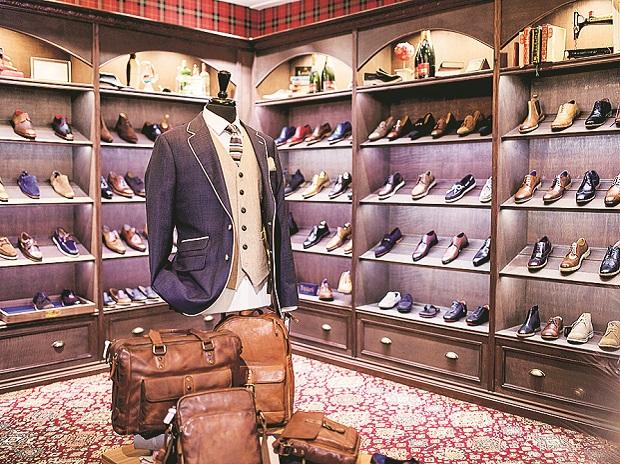
After making a strong recovery from the pandemic, Europe’s luxury goods industry must now contend with the challenges brought by much higher than anticipated inflation, particularly around energy prices.
Almost 30 per cent of the European luxury goods industry's revenues are derived from abroad, with travel a key driver of income. The industry, which is at the very top of the consumption pyramid, managed to exit the pandemic in a stronger position than many others by significantly improving e-commerce coverage, especially with regards to the all-important Asian customers, who were affected by strict travel restrictions.The pandemic also helped the industry to bring in efficiency measures that allowed better shaping of inventories and the broader supply chain.Marketing campaigns were also enhanced.
Post-pandemic, customers are travelling once again and the price gap differential in Europe allows Asian customers to enjoy buying goods at better prices, while exploring the continent.
Crisis and disruption
The Italian and French landscapes and distinct styles have spawned a sophisticated following, with a focus on premium products and materials, and both countries attract significant numbers of fashion tourists every year.However, in the first part of 2022, the industry saw a significant derating attributable to the Russian/Ukraine conflict and concerns over continued inflationary cost pressures and the energy crisis, which dominate the current economic environment.There is growing concern around what this winter will bring, particularly if governments in Europe are faced with making tough decisions around keeping heat and power on for their populations.
The fashion industry’s major worry is that non-essential industries could face periods of rationing, shutdown or furlough in order to conserve energy for essential power and service needs.Currently under discussion at EU-wide level is the prospect of mandatory energy demand cuts during the peak hours of the day. To mitigate this, some fashion companies have been able to move from natural gas to renewable sources of electricity, such as wind and solar power, to ensure a more predictable energy cost and supply.
Further disruption comes in the form of transport issues, with products that once took 25 days to arrive, now taking over 60 days to make journeys from far-flung factories to retail warehouses. Transport costs are also much more expensive than before.
The way forward
Despite the additional concerns surrounding the consumer's disposable income, luxury goods purchases have so far continued to remain strong, especially in the highest-end companies where the relationship between price increases and demand is highly inelastic. In the luxury watches' space, for example, demand is even outpacing supply with waiting lists several years long.Top European brands have adapted their sourcing cycles for raw materials, such as yarns (namely cashmere), woollen fabrics, cotton and feathers, in such a way as to make the best of the pricing volatility.
Customers need to make sustainable apparel choices: Study
According to the United Nations Environment program, fashion currently accounts for up to 10 per cent of global carbon dioxide output—more than international flights and shipping combined. Garment production has doubled since 2000, according to consulting firm McKinsey & Company and the World Economic Forum. The US is known to throw away around 70 pairs of trousers per person in waste every year. This is a result of the excess inventory produced by the country every year, adds a Bloomberg study.
Sheng Lu, Assistant Professor-Apparel Studies, University of Delaware says, fast fashion companies like Shein can curb fashion waste by adopting efficient production methods. Shein claims to produce minimal batches of clothes by adopting the “Just in Time” inventory method. According to the UN Alliance for Sustainable Fashion, fast fashion is also the second-biggest consumer of water and is responsible for 8-10 percent of global carbon emissions. Shein is one of the largest manufacturers of polyester-made clothing in the world; with 95.2 percent of its clothes containing new plastics.
However, Shein is not the only culprit. Almost every store in the mall and every brand are responsible for this. Fast fashion care little for the environmental and human costs of production, says Aja Barbar in his book Consumed. Consumers need to make more sustainable apparel choices to identify and express a truly personal and authentic style, he adds.
Taiwan: TTF to organize three-episode online product launch
India’s textile, apparel market on a road to recovery: NITI Aayog
The Indian textile and apparel market is on its road to recovery, says the Export Preparedness Index 2021 report by NITI Aayog and the Institute of Competitiveness. The textile sector has been able to maintain a trade surplus due to rising consumer demand and the government’s increased efforts to boost the sector, it adds.
Textile exports from India increased 53.86 per cent during April-November 2021. Growth was mainly driven increase in shipment of cotton fabrics, made-ups and readymade cotton garments. The government has also achieved 68 per cent of the annual target of $44 billion for textiles and apparel, including handicrafts, in 2021-22, the report adds.
The report states, India’s textile exports mainly suffer from intra- and inter-regional differences in export infrastructure; weak trade support and growth orientation across states; and lack of research and development infrastructure to promote complex and unique exports. Also, India fails to exploit the Lewis curve for low-skill manufacturing compared with more skill-intensive exports, it adds.
To exploit this opportunity, India must boost its manufacturing capacity, the report adds. A comprehensive analysis of India’s export achievements, the report can be used by states and union territories to benchmark their performance against their peers and analyse potential challenges to develop better policy mechanisms to foster export-led growth at the sub-national level.
Global Textiles (India) to acquire VTPL unit
As a part of its expansion plans, NSE-listed exporter of fabrics and garments, Globe Textiles,(India) will acquire the garment manufacturing and processing unit of Vivaa Tradecom (VTPL). With a turnover of Rs 145.90 crore for the year that ended on March 31, 2021, the VTPL unit will enhance Globe’s garment capacity and in-house processing capacity post-acquisition
Globe has also reappointed independent directors Yogesh Vaidya and Bharat Samjibhai Patel. It offers a wide range of textiles, apparels and related services while also focusing on sustainability. Its product portfolio includes man-made and natural fiber fabrics, accessories and readymade garments. Incepted in 1995, Globe Textiles (India) manufactures and supplies a complete range of textile and apparel products and services. The company deploys qualified human and material resources to deliver innovative and tailor-made products and services through win-win business partnerships.
International sanctions disrupt Bangladesh’s RMG exports to Russia
International sanctions over Russia’s invasion of Ukraine are disrupting Bangladesh’s exports of key products such as ready-made garments. Port authorities in other countries have offloading containers filled with Bangladeshi-made apparel products or other export items bound for Russia, says Jashim Uddin, President, Federation of Bangladesh Chamber of Commerce and Industry. The federation exports products worth nearly $700 million every year, he adds.
Many international chains with shops in Russia have also cancelled orders for Bangladesh-made apparel products, he adds. Bangladesh mainly exports apparel, jute, leather, home textiles and ceramic products to Russia. On the other hand, it imports Russian-made capital machinery, fresh and dried fruit and raw sugar, etc. Bilateral trade between the two countries had been rising since the 2018-19 fiscal year. However, the recent sanctions have made trade with Russia difficult and uncertain, says Rajiv Chowdhury, Managing Director, Young4Ever Textile.
India: GMMSA attracts huge crowds in Ludhiana
Held in Ludhiana, this year’s edition of the four-day Garments Machinery Manufacturers & Suppliers Association (GMSSA) expo attracted huge crowds and generated a large number of enquiries by the exhibitors. Ram Krishan, Chairman, GMMSA says, the four-day exhibition of garment machinery and allied products showcased 2,000 products of about 250 brands. These mainly included machinery-related to knitting, weaving, dyeing, finishing, embroidery, printing and sewing machines, allied machines and accessories. Thousands of buyers and sellers from all over India visited the expo with numerous network meetings during the event. This paved way for business dealings of both machinery dealers and their buyers.
Narinder Kumar, President adds, all exhibitors received great response from the visitors in the expo and along with enquiries they have also got confirm orders. Exhibitors at this year’s expo also showcased machinery for utility.