


FW
Bangladesh expects modest export recovery
Apparel suppliers in Bangladesh are expecting a moderate recovery in exports in the upcoming year.
This optimism is based on the fact that sales in the western world are gradually gaining pace with a new normal arising from the Russia-Ukraine war and the falling prices of petroleum products.This in turn is causing inflationary pressure in the western world to subside gradually, effectively leaving more money in the pockets of the consumers, enabling them to start spending on the purchase of clothing items.Christmas sales were also upbeat, with old stockpiles of clothing of international retailers and brands worth billions of US dollars being sold off.
This has prompted international clothing retailers and brands to start coming up with new work orders for factories and make inquiries for future purchases.However, Bangladesh’s exporters don’t expect a strong recovery in apparel shipments. The real recovery is expected to start from only March onwards. Uncertainty still prevails over when the war will come to an end and many issues have not been resolved yet, which may have an impact on global trade. Work orders for the next season between January and April are still some 15 per cent to 20 per cent less than what they had been in the preceding season between September and December.
Japan apparel imports up 27 per cent
Apparel imports of Japan from January 2022 to October 2022 rose by 27 per cent year on year in terms of value. In volume terms imports during the ten-month period of 2022 grew up by five per cent.
China’s exports to Japan grew 22 per cent year on year. China has a 56 per cent share in total apparel import values of Japan. Vietnam’s exports to Japan grew by 41 per cent. Imports from Bangladesh valued were up 35 per cent in January 2022 to October 2022 whereas India’s apparel exports to Japan grew by 23 per cent. Japan’s apparel imports from Pakistan and Indonesia declined in weight-wise exports on a year on year basis.
Imports of clothing and accessories by Japan increased by 40 per cent year on year in October 2022.They were three per cent of Japan’s total imports during the period. The country’s imports of textile yarn and fabrics in October 2022 were 45 per cent higher than the same period of last year. Yarn and fabric imports were one per cent of the total imports by Japan.
The country’s exports of textile yarn and fabrics during October 2022 increased by 17 per cent year on year.
High costs lead to factory closures in Sri Lanka
Garment factories in Sri Lanka are closing down. One reason is enhanced electricity tariffs. Since factory owners are finding it hard to compete with other countries that have much lower overheads, they are taking steps to shift to other countries.
One company which has three factories in Sri Lanka has decided to shut down and has asked its 5,000 workers who will lose their jobs to apply for employment to its factories in India. The US, EU and the UK comprise about 86 per cent of Sri Lanka’s total apparel exports. But despite impressive exports so far in 2022 the industry envisages a 25 per cent to 30 per cent decline in the remainder of the year. This is mainly due to the economic downturn’s impact on future orders from the US and EU, while the war in Ukraine has pushed up logistics and energy costs.
Sri Lanka’s apparel exports fell nine per cent in November 2022. Exports to the US were down by 17 per cent while shipments to the EU (excluding exports to the UK) saw a marginal drop of three per cent and exports to the UK fell by 29 per cent.
The apparel industry is Sri Lanka’s largest exporter , employing nearly one million both directly and indirectly, across 350 manufacturing plants island wide.
Diesel launches edgy denim
Diesel’s collection is filled with wide leg jeans. The combination of denim and leather creates a cohesive look that combines vintage vibes with modern silhouettes. From oversized to relaxed fit, there is something for everyone in this collection. The statement-making denim jeans embody the spirit of iconic denim.
From wide leg styles with distressed accents, to long detailed bell-bottoms, there is one impressive look after the next. A wide selection of washes is used, with varying shades of blue. These include light wash jeans featuring subtle fading as well as more traditional medium and dark wash styles. For those looking for something a bit more edgy, there are also distressed styles with rips and frayed hems.
The versatility of Diesel denim lends itself to various styling options allowing for endless possibilities when creating looks from this collection, as consumers can mix and match different pieces to create their own style aesthetic. These denim jeans set the trends in all things denim - from classic silhouettes to modern updates on old classics. They're designed for anyone to achieve the kind of look they seek while remaining true to their own personal style.
Diesel, founded in Italy in 1978, is best known for denim jeans, but also has a wide range of other clothing items. Diesel has stores in 80 countries and the brand is known for edgy and stylish designs.
Cambodia’s new trade agreements catalysts slow economy
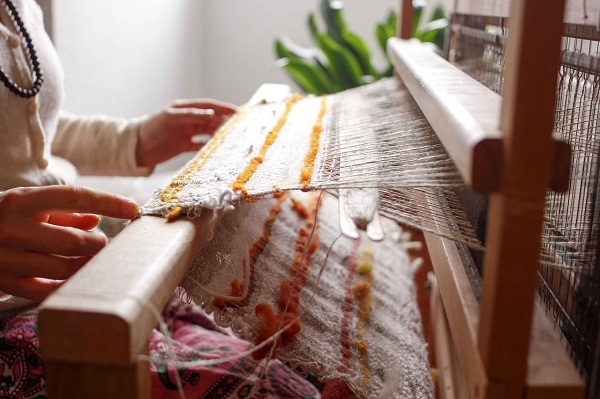
Famous for its heritage tourism of Angkor Wat as the largest religious structure on earth, Cambodia is now rapidly branching out as a global sourcing destination with some all-new trade licenses. The Regional Comprehensive Economic Partnership (RCEP) trade deal as well as the Cambodia-China Free Trade Agreement (CCFTA) implemented from January 1, 2022 has given a new lease of life to the country’s trade growth in the post-pandemic era within just a year.
Trade pacts RCEP and CCFTA bring hope
These two trade pacts ensure a more diversified export product portfolio which will help to integrate Cambodia into a more prosperous regional and global economy. Experts feel they could help the country move up from its least developed country status in just five years in 2028 and then further focus on achieving its milestone of becoming an upper-middle income country in 2030 and a high-income nation by 2050
The RCEP is a free trade agreement (FTA) between 10 member states of the Association of Southeast Asian countries and it can raise Cambodia's exports between 9.4 per cent and 18 per cent annually now that Cambodia has joined it. The CCFTA will also help in ratifying the bilateral FTA with China, which aims to increase the trade of goods by reducing and eliminating tariffs. A recent Cambodian government report has shown that the country’s trade with RCEP member countries was valued at $24 billion during the January-September 2022, which was up 11 per cent year-on-year, while its bilateral trade with China also increased in the past year.
As per Ministry of Commerce undersecretary of state and spokesman Penn Sovicheat both RCEP and the CCFTA are catalysts for long-term and sustainable trade growth and the two trade pacts are a magnet to attract more FDI to the country. Higher FDIs means more new capital and new job opportunities. He feels trade growth is only moderate now as there hasn’t been enough recovery time after the, but growth will be far higher in 2023 and beyond due to the RCEP and CCFTA deals.
He feels Cambodia stands to gain a lot from these FTAs because although they are a small country, they have already become a part of regional and global supply chains, and already specialized in producing garments, shoes, travel goods, part components, and bicycles for export to the world. The RCEP and the CCFTA free trade agreements will mutually open the market in all participating countries and give the farmers choices to export their agricultural products to various countries. For a small country, it will give an extra edge to having a larger market access with preferential tariffs and also become a part of regional and global supply chains. With specialized export segments such as garments, shoes, travel goods, part components and bicycles among others, these two trade licenses will open up further opportunities for exports to more countries and a diversified portfolio.
The 15 Asia-Pacific countries that are members of the RCEP, the world's largest trading organization, include 10 ASEAN and their five trading partners of China, Japan, South Korea, Australia and New Zealand. As a Joseph Matthews, a senior professor at the BELTEI International University in Phnom points out, this agreement holds huge potential for all participating countries to boost their trade and investment and to quicken their economic recovery from the COVID-19 pandemic. Under the RCEP deal, all member countries will reap long-term benefits by integrating further into regional and global supply chains and creating new jobs for their respective people.
Textile units tackle Covid threat
Labour-intensive textile, apparel, diamond and engineering units in states including Gujarat, Tamil Nadu and Maharashtra have issued advisories asking workers to abide by Covid protocols so as to prevent a resurgence of the pandemic.
The development comes in the wake of reports of mounting cases of the infection in China. Surat is looking at how to provide booster doses to the workersof the textile and diamond trades. The diamond and textile units in Surat together employ about 2.8 million people. Tirupur has 1.2 million workers and has sought to allay fears about a fresh wave of the pandemic among migrant workers so that they do not leave their workplaces.
The latest Covid outbreak sweeping China has begun impacting the global textile and apparel supply chain. This has raised uncertainty over production delays and factory closures.The Omicron variant of the Covid virus is making its way across several big cities in China after the country made a U-turn on its former zero-Covid policy of containment earlier this month.The spread of infections, which has hit China’s capital city Beijing the most, is threatening widespread business disruption to the world’s second-largest economy and largest apparel exporter. More than half the population has been infected.
US holiday season sales up seven per cent
Retail sales in the US rose seven per cent between early November 2022 and December 2022 end. So says Mastercard.
This encompasses a majority of the holiday season as steep discounts lured deal-hungry consumers. However, this year's holiday retail sales growth is less than the eight per cent increase last year as decades-high inflation, rising interest rates and the threat of a recession turned consumers cautious.
Retailers including Amazon and Walmart in the United States offered large discounts during the holiday season to get rid of excess stock and bring back inventories to normal levels. That led to strong demand for everything from toys to electronics during the five-day-long period between Thanksgiving and Cyber Monday.
However, sales of electronics dropped five per cent over the broader roughly two-month period. But sales in the apparel and restaurants categories rose four per cent and 15 per cent respectively and helping boost the overall number.Online sales jumped 10.6 per cent in the period, slightly less than the 11 per cent increase last year. Meanwhile, during the cyber week, total retail sales had jumped about 11 per cent.
Mastercard Spending Pulse measures in-store and online retail sales across all forms of payment. It excludes automotive sales.
Bangladesh exports to Europe up 43 per cent
From January 2022 to September 2022 Bangladesh’s exports of garments to Europe grew by 43 percent.
Amid a lingering fear of global economic slowdown and galloping inflation, this robust export growth to the European market is like a breath of fresh air.
Bangladesh apparel manufacturers’ huge investment in developing product quality, environmental sustainability and workplace safety is paying off. Today Bangladesh’s readymade garment sector is considered a leader in green manufacturing, having the highest number of green factories in the world thanks to an unprecedented progress in environmental sustainability and workplace safety. It has brightened the country’s image globally, and as a result export orders are pouring in despite uncertainties in the global market.The entrepreneurs’ firm commitment to upgrade their manufacturing practices and comply with various rules and regulations of international trade as well as adequate public policy support have been at the root of gradual and steady growth of the garment sector.
Diversification has taken place in terms of new destinations and new products. There has been tax and vat support to the sector. The policy support in terms of wage support and low cost funding support with sufficient interest rate subsidies to the sector for its speedy recovery from the pandemic challenges have been crucial in holding this industry in one piece.
Easing energy-crisis relieves Bangladesh’s apparel units with fresh orders coming in
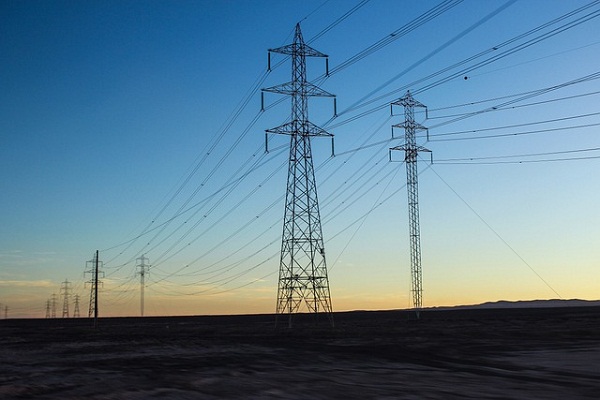
The last month of 2022 has sparked hope and optimism amongst Bangladesh apparel manufacturers as was predicted by the Prime Minister Sheikh Haseena. Ever since the pandemic followed by Ukraine war led to a chaos in global energy supplies, particularly in Europe, Bangladesh’s largest apparel market, the situation was getting tough. The world’s second largest exporter of garments was being threatened by dark days as high global inflation saw orders drying up and in domestic front, apparel factories were plagued by rolling blackouts, an unreliable gas pressure and raw material supply crunch as the government had to tighten its belt to protect the fast-depleting forex reserve. The seriousness of the matter affected livelihoods and started gaining momentum as a major issue for the nation’s upcoming general election. However, the apparel sector demonstrated professionalism by delivering commitments and taking on leaner profit margins.
Government negotiations on energy bring a boost
Petrobangla is upbeat that it has done a good job in restoring confidence amongst apparel manufacturers by easing the energy crunch they faced until November. With pleasant winter weather having arrived, power consumption in the consumer sector has dropped considerably and Petrobangla is able to redirect the availability to the industries that play a key role in the country’s economy.
Additionally, government curbed commercial usage through power rationing and rescheduling of office and school hours. A spokesperson of Petrobangla recently said, industrial zones are no longer dealing with power or gas pressure issues. Petrobangla explores and supplies fuel and gas, is now supplying 2,700 million cubic feet (mmcf) of gas per day to the national grid – up from 2,600 mmcf in the corresponding period last year.
It is hoped that before the onset of summer in March 2023, additional imports of LNG will be underway as a preventive measure. Industrial zones in Gazipur's Maona to Mymensingh's Bhaluka belt have already started experiencing unhindered availability and industrial units in Narayanganj are seeing an improvement although not ideal.
However, manufacturers operating in Manikganj, Savar, Narayanganj's Araihazar and Gazipur readymade garment hubs say they have not benefitted and conditions have not improved. The overall mood however is one of positivity as exporters are excited that fresh orders are slowly coming in and manufacturing units are enabled again to commit to deliveries. Everyone in this sector is keeping fingers crossed that come summer, things will not slide back to Bangladesh re-entering another phase of energy-led crises. The main concern is Bangladesh is a big importer of raw cotton and making yarn requires a steady and large amount of power which if unavailable will regenerate another wave of crisis. The period between January and April 2023 will be critical for Bangladesh as this is the busiest apparel manufacturing season in the country.
Positive outlook
Bangladesh’s strategy of manufacturing basic and low-end garments may have been criticized by experts as the main reason the country is unable to fetch higher prices but in severe times but this strategy may have just paid off. As global inflation has curbed spends on non-essentials, basic clothing is not only a requirement but also not as affected as the more premium garments. This is the advantage that the nation’s manufacturers are looking at to tide through the crisis. Thanks to the strained Sino-US relations that affected trading between the two super economies, Bangladesh became a beneficiary by default and hopes to leverage the situation to its maximum advantage.
Post pandemic, formal wear changes as ‘smarotirals’ make an entry

Formal wear is a niche in the fashion sector that proves difficult to gauge statistics wise simply because the definition wise formal wear includes a wide range of apparels and continues to expand. Post pandemic, the lines have blurred as traditional occasions for formal wear have lessened and its definition even more diluted. Almost 39 per cent of fashion executives surveyed by Business of Fashion (BoF)- McKinsey State of Fashion Report 2023, stated occasion wear can be among the top three sales drivers in 2023. Another 27 per cent respondents in the same survey stated office wear would be another sales driver along with occasion wear although offices worldwide are still sitting on the fence regarding physical attendance and meetings. In another report issued by Euromonitor, retail sales of shirts and blouses, non-denim trousers and skirts in the US and Europe are projected to grow at a faster rate between 2022 and 2026 than they had in the 10 years before the pandemic.
Rentals are a new and growing niche
The Global Online Rental Market report issued by Verified Market Research agency predicts a healthy growth in the formal wear category. The market size of rentals was valued at $1,304.32 million in 2021 and projected to reach $2,803.69 million by 2030, growing at a CAGR of 9.97 per cent from 2022 to 2030. Demand for online clothes rental is being driven by consumers’ needs for designer outfits and truly shifting fashion proclamations.
The other driver of rentals is the collective awakening of consumer conscience towards sustainable clothing and avoiding wasteful practices. This is particularly prevalent at the moment in Europe and seeping into the minds of consumers in Australia, and the North Americas. In formal wear, the women’s category holds the largest market share and growth potential and in terms of geography, North Americas will drive the volumes in rented formal wear.
Women’s formal wear being redefined
Typically, western office wear and evening wear were dominated by dresses and skirt suits but a new trend is emerging since this year. Labels such as J.Crew and The Frankie Shop showcased oversized suits and trousers in soft materials for customers looking for polished, fashionable but comfortable styles. Work wear label M.M. LaFleur has honed its ‘power casual’ category of structured knit tops and washable twill trousers. The brand said in early 2022, its power casual styles were generating triple the sales of dresses that used to drive about a third of the company’s sales prior to the pandemic.
Garments with hybrid details that bridge formal and casual attire are here to stay. Formal structures infused with comfortable materials that often incorporate performance fabrics, like sweat wicking or stretch are now on the ‘must have’ lists. Cashmere joggers from Burberry and Loro Piana or linen and crochet shirts from Jil Sander and Jigsaw can be dressed up or down depending on the occasion and are exactly what women today are looking for.
Emergence of smartorial in menswear
From January and September 2022, the key word ‘smartorial’ doubled on Google. This trending word stands for fusion of men’s apparel items that are versatile in functionality and form – working for all occasions, from leisure to formal. Keeping up with this trend, established brands in formal men’s wear have started launching their interpretations - Italian luxury label Zegna produced a relaxed take on daily attire in its Autumn/Winter 2021 campaign, which it calls ‘luxury leisurewear,’ offering versions of its signature tailoring in jersey knits and other soft fabrics. Similarly, labels like Kiton and Brioni have effectively shifted their focus from traditional work wear and suits towards hybrid pieces that can function well across activities.











