


FW
Algeria into advance negotiations with international brands for production
Algeria is making strides in promoting its exports of international brands produced locally to foreign markets, with four companies set to begin production this month and negotiations for 16 more in advanced stages, according to Algex, national agency for the promotion of exports.
This policy, initiated by the Algerian government to facilitate foreign trade over the past three years, has resulted in the signing of a memorandum of understanding with several international brands seeking to produce in Algeria.
However, the weak presence of the local textile and ready-to-wear industry has resulted in an increase in clothing prices before Eid, with prices for children's clothing increasing by 15-20% and footwear prices by 25%.
A recent survey by The Algerian Organization for Consumer Protection and Guidance (APOCE) sheds light on the need for the Algerian government to invest in its domestic textile industry to meet the increasing demand for clothing and footwear during the festive season.
BIAC recognized for outstanding achievements in environmental sustainability
Brandix India Apparel City (BIAC), Asia’s leading apparel and textile manufacturing park, has been awarded the Platinum Award at the Apex India Green Leaf Award for Sustainability for 2022.
BIAC is a zero-landfill apparel park and the first industry in the state to have installed a solar sludge drying process unit that avoids landfill waste. The park also harvests rainwater to meet 30% of the park’s annual water usage sustainably. BIAC is committed to continuous investments in clean energy and power optimisation, with the aim of achieving net zero carbon emissions by 2030.
Brandix, sustainability practices are focused on three major pillars – air, water and Earth, and that the 1000-acre world-class park has adopted best and innovative sustainable methods that are embedded into day-to-day operations and contributing towards a sustainable future.
Indian cotton prices set to skyrocket, says industry body
Indian cotton prices are expected to surge in June-July, according to the Cotton Association of India (CAI).
The industry body predicts that prices will rise to between Rs 70,000-75,000 ( US$ 855-916) per candy. Currently, Indian mills are experiencing strong demand due to high consumption of cotton, however, global cotton prices are trading at a four-month low.
The rise in cotton prices to weak global demand, is attributed to a decrease in cotton exports. The country's cotton exports are expected to be around 25 lakh bales, down from 42 lakh bales last year.
Due to lower cotton production and higher Indian cotton consumption, India may soon become a net cotton importer rather than a net exporter.
Environmental installation in Riga challenges residents to reduce clothing waste
Eco Baltia, the leading environmental and waste management group in the Baltics, has launched a social campaign called "Style-Textile" to reduce textile waste and promote a systemic approach to textile waste sorting and management. As part of the campaign, a striking environmental installation called Fashion Alley has been unveiled in a central park in Riga, Latvia.
Fashion Alley is nearly 80 meters long and consists of hundreds of worn-out clothing items, symbolizing the close link between style and textile waste. Latvian residents frequently purchase new clothing, with over 50% of the population doing so at least once every three months. However, only a third of used clothing is properly recycled or disposed of in textile sorting containers.
The installation aims to encourage residents to rethink their clothing consumption habits and promote textile recycling. The European Union (EU) has mandated that textiles must be collected separately in all member states by 2025. Latvia, one of the first EU countries, has already made textile sorting mandatory since the beginning of 2023. However, regulatory legislation is still under development to regulate the system's implementation and management, including the responsibility of textile manufacturers and retailers.
Globally, textile production involves around 3,500 different chemical substances, some of which are harmful to human health, and produces 100 billion tonnes of various textile products annually. The Fashion Alley installation serves as a reminder to rethink consumption habits and find solutions to reduce and recycle textile waste.
Fashion companies invest in D2C strategies to reduce their reliance on online marketplaces, says report
According to the latest report by Cross-Border Commerce Europe noted a decrease in the number of multi-channel retailers, with brands such as Lego, Nespresso, Adidas, and Philips increasing their direct-to-consumer channels.
Furthermore, major parent companies, including Richemont, LVMH, and Kering, are investing in direct-to-consumer strategies to reduce their reliance on large online marketplaces.
Ikea and Lidl are the top cross-border retailers, brands, and groups in Europe in 2022. The ranking, which covers the European cross-border e-commerce market, revealed that fashion and beauty products continue to be among the most popular items purchased online, with Zalando and H&M among the top three cross-border fashion e-commerce sites.
The home, garden, and DIY sector saw a 4% increase in the past year, while fashion, jewellery, and baby items remained the leading category, accounting for 39% of the websites in the top 500.
Fashion Source Spring 2023: Gateway to the Chinese textile, apparel industry
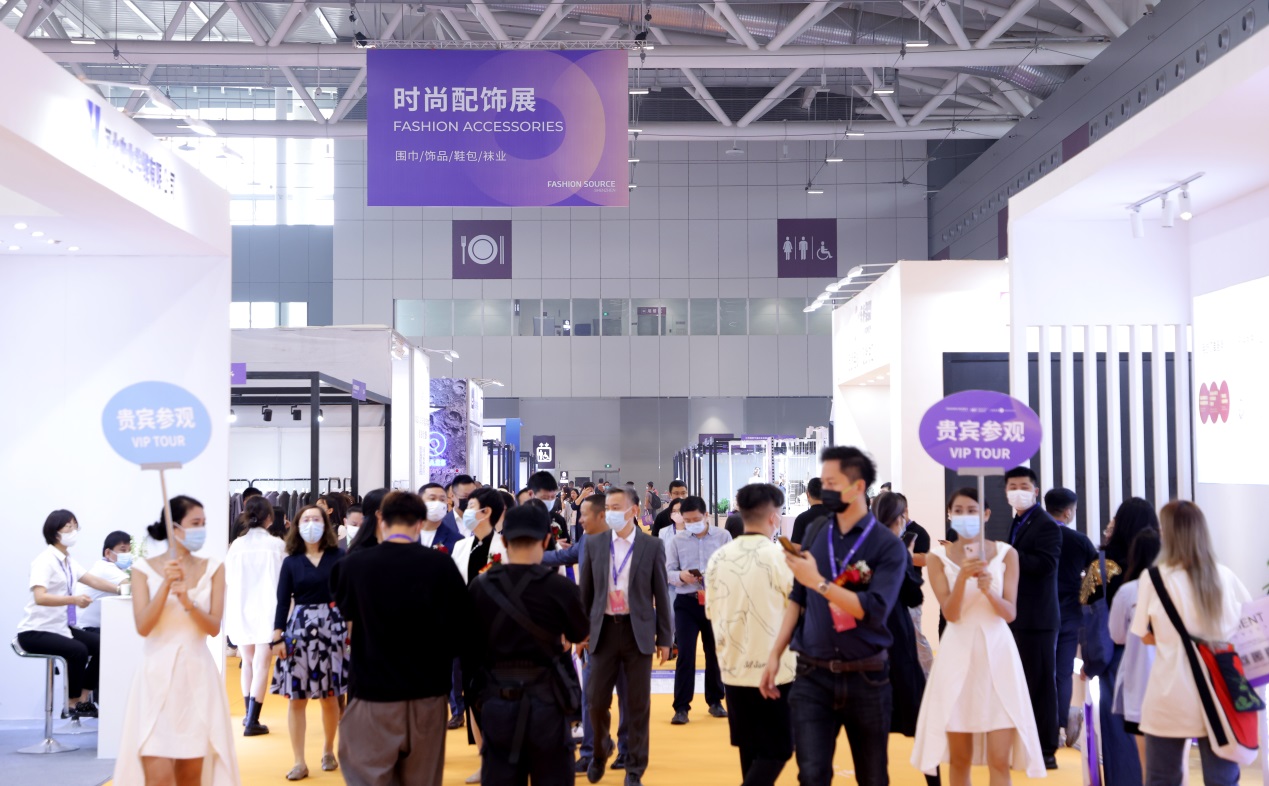
Fashion Source Spring 2023, one of the most significant events in the textile and apparel industry, is set to take place from April 26-28 at the Shenzhen World Exhibition and Convention Center.
Many shows within a show
The event features the 26th Shenzhen International Clothing Supply Chain Expo, AW2023 Shenzhen Original Design Fashion Week, and Première Vision Shenzhen SS24. With an exhibition area of 50,000 square meters and eight themed zones, Fashion Source Spring 2023 will showcase the latest products and technologies from more than 600 exhibitors worldwide.
Host of activites
The event will offer over 80 on-site activities, including the Fashion Source Summit for Clothing Supply Chain, which will focus on international markets, artificial intelligence, fashion trends, supply chains, original design, consumer insights, buyer channels, and e-commerce ecology.
More than 50 experts, including brand decision-makers, entrepreneurs, marketing experts, and designers, will discuss the future of fashion and the challenges and opportunities it presents.
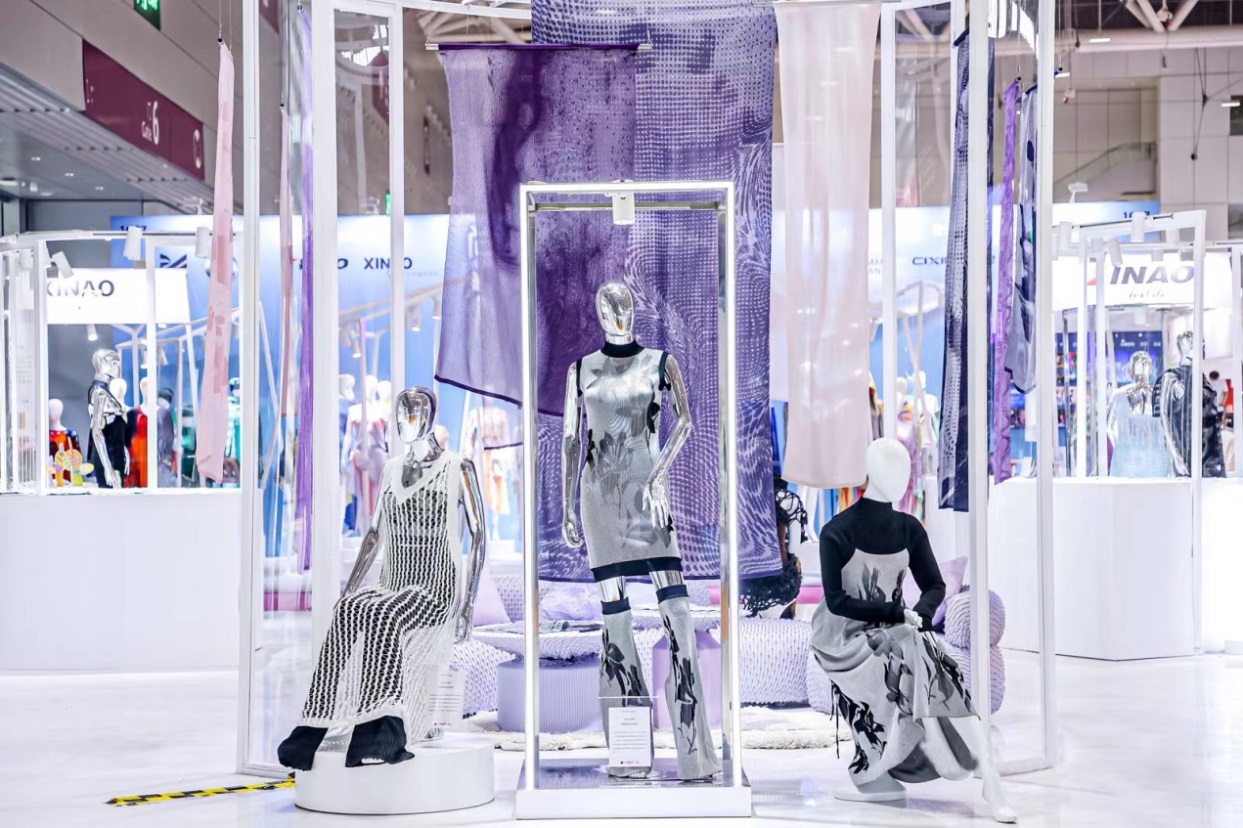
Fashion Source Knitting Trend 24/25SS, with the theme "Knit in Pixels," will feature high-quality enterprises, well-known knitting designers, and professional colleges, creating trend-forward knitting artworks.
The Fashion Source Business Matching, which serves as a bridge between suppliers and key buyers, will provide 365 days of continuous connection service throughout the year, facilitating efficient negotiations. During the three-day exhibition, over 500 selected exhibitors will participate in 300+ exclusive ordering sessions.
Fashion Source, founded in 2001, has become the preferred trading platform for quality suppliers to release new products and for professional buyers to develop new partners, attracting nearly 100,000 visitors from all over the world.
GL events, the organizer of the event, is a critical force for city promotion of 28 MICE destinations, managing 60+ venues and staging 4,200 events.
Overstocking crisis threatens UK clothing, footwear, and accessories manufacturers
The pandemic has disrupted global supply chains, and this has made it difficult for businesses in the UK clothing, footwear, and accessories manufacturing sector to predict demand. As a result, these businesses are now facing a new crisis of overstocking, with an average of £86,000 worth of goods in excess inventory, according to a recent report from inventory management software provider Unleashed.
The Unleashed report highlights the serious cash flow impacts of the overstocking crisis. Last year's supply chain shocks forced firms to stockpile, but now the challenge for many is freeing up cash flow as economic conditions tighten. The good news is that the money is there, when you look closely at the numbers.
However, experts warn that freeing up excess inventory may not be easy. Businesses with quicker stock turnover will benefit from minor changes to their purchasing cycle, such as only ordering a month or two ahead, giving themselves a bit of a breather to get their stock at the right limits rather than overstocking. On the other hand, those on a longer cycle must accept margin hits as it is important to get cash back into the business and free up warehouse space.
Aside from the challenges highlighted in the Unleashed report, excess inventory can also lead to a loss of market share, as businesses may be unable to react quickly to changing trends or customer preferences. It can also result in product obsolescence, as goods become outdated or no longer in demand, and may require markdowns or even disposal.
Lectra implements in-house manufacturing in Tolland facility for improved quality
Lectra, a leading provider of Industry 4.0 solutions for the fashion, furniture, and textile industries, recently celebrated the opening of its new manufacturing facility in Tolland, Connecticut.
The implementation of operations in this facility marks a significant milestone in Lectra's strategic roadmap for 2023-2025 as the company accelerates its efforts to bring manufacturing in-house to improve quality and customer satisfaction.
The Tolland facility will manufacture Lectra's complete line of single ply cutters, including the Z1, Taurus, and DCS series, in-house. This will enable Lectra to meet customer demands more efficiently, reducing lead times by 60 percent. The company's investment in inventory, coupled with a transition towards leaner and more modern production systems, will also result in a higher quality service for customers.
The Tolland facility will enable Lectra to reduce its environmental footprint and contribute to the design of eco-responsible offers, as part of the company's global commitment to sustainability.
Asia Pacific excluding Japan to lead growing textile staples market
A robust growth in the global textile staples market, with a CAGR of 5.0% between 2012 and 2021, and an expected expansion of 5.5% CAGR from 2022 to 2032, reports Future Market Insights.
This growth is being driven by widespread consumption across end-use industries such as apparel, sportswear, and interior flooring. The demand for natural and eco-friendly textiles is anticipated to surge due to the positive impact they have on the environment, particularly cotton, jute, and wool. The use of synthetic fibers, such as recycled polyester staple fibers, is also prevalent among end-users in high-end applications like carpets, pillows, blankets, and cushions.
The Asia Pacific Excluding Japan (APEJ) region is expected to be the leading region during the upcoming decade, while the growth of the global textile staples market is also expected to surge due to the expanding pharmaceutical and healthcare industry and increasing applications in the automotive and construction sectors.
Manufacturers in the market are strategically surging their market presence worldwide by setting up manufacturing units in emerging economies to decrease operating costs and maximize profit. Textile manufacturers who shift from manufacturing generic textile products to niche technical textile products are facing lesser international competition.
Consequently, leading companies in the U.S. are expanding their product lineup in the healthcare-related business to gain a competitive edge.
China's textile industry reasserts Itself on global stage with successful Intertextile Shanghai Apparel Fabrics - Spring Edition 2023
Intertextile Shanghai Apparel Fabrics – Spring Edition 2023, the first major textile event held in China since the country became more accessible, was a resounding success.
The three-day fair welcomed nearly 100,000 trade buyers from 101 countries and regions, while 3,000 exhibitors from 22 countries showcased their products.
Organisers, Messe Frankfurt, stated that exhibitors were delighted with the positive feedback and large visitor flow, confirming the return of a 'back-to-business' mentality. The fair has become a crucial platform for the textile industry to keep up with market trends and embrace the latest apparel technology.
New exhibitor countries and regions included Belgium, Cambodia, Macau China, Pakistan, and Portugal, while 32 exhibitors from Italy and the UK representing the highest number in the Premium Wool Zone, signalled an increasing Chinese demand for luxury wool products.
The fair's comprehensive coverage of the entire industry chain allowed exhibitors and visitors to connect, learn from each other, and source products effectively. The Functional Lab and All About Sustainability zones were a hit with visitors looking for green products and responding to China's younger generation's growing desire for active lifestyles.
The fair's success was a positive sign for the textile industry, with China reasserting itself on the global stage.











