


FW
15th Bangladesh Denim Expo: Shaping denim's future
The 15th edition of the Bangladesh Denim Expo is gearing up to make its mark on the global denim scene, scheduled to take place on November 8th and 9th, 2023, at the International Convention City, Bashundhara (ICCB) in Dhaka, Bangladesh.
This prestigious trade show is set to host over 80 exhibitors from 12 countries, including Bangladesh, China, Pakistan, and Italy. The event will feature an array of innovative denim products, ranging from fabrics and garments to machinery and accessories.
The expo will also provide a platform for engaging panel discussions and trend seminars, delving into the future of the Bangladesh apparel industry, sustainability in the denim sector, unlocking untapped potentials, and transforming human capital for a USD 100 billion industry. Visitors can gain firsthand knowledge of the latest denim trends and innovations in the dedicated "Trend Zone."
Founder and CEO of the Bangladesh Denim Expo, Mostafiz Uddin, emphasized the event's role in fostering discovery, connections, and new business opportunities, making it a must-attend for authorized trade visitors. The expo promises to provide valuable insights into the denim industry and its latest technologies, equipment, and materials.
Nike continues to lead the race as the top brand for US teens
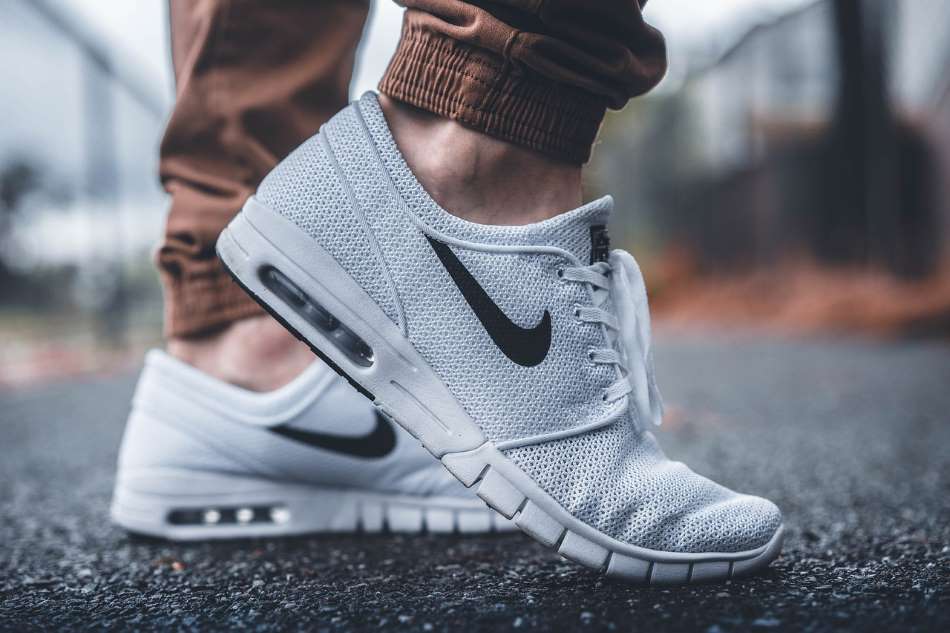
With young people dictating the spending power of each country and influencing global economy in a big way, Nike has managed to retain its status as the top footwear and clothing brand among teenagers for over a decade. Despite the potential signs of a slowdown in teen spending as inflation affects all social and economic strata, Nike has managed to remain as the the most desired brand for teens and Gen Z.
US-based investment bank and financial services company Piper Sandler’s Generation Z survey in 2021 of US teens found the general self-reported spending fell by 1 per cent year-on-year to around $2,316 and has more or less remained the same then on. Almost 60 per cent of their spending power comes from their parents, as even though they are extremely brand-conscious with their own style, they are too young to have own income.
Nike is consistently surpassing other apparel and footwear brands in the premium segment that includes competitors Adidas, Converse, Crocs, and Lululemon. Nike is a brand that Gen Z views as one that shows maximum inclusivity and challenged gender norms. Lululemon is increasingly growing in popularity with teens this year and increasing its rank in the accessories category.
Sports clothing, footwear, accessories lead the Gen Z market
As per a Europe Sportswear Market Research report by London-based GlobalData, the European sportswear market size was valued at $115.9 billion in 2020 growing rapidly in the post-pandemic era with focus on wellness. The Gen Z segment is expected to grow at a CAGR of more than 6 per cent during the forecast period of 2020-2025.
Leading brands like Nike, Adidas, Decathlon, Puma, ASICS, New Balance, Lacoste, Under Armour, Reebok, The North Face, Napapijri, Converse, Vans, Champion and Columbia among others are expected to continue their popularity stakes.
Piper Sandler’s survey focuses on Gen Z trends
Athletic and athleisure clothing brands ranked high among teenagers with 44 per cent preferring the segment over others in the apparel categories. As for handbags, luxury brands Coach and Michael Kors took the top two spots among Gen Z. While Coach has managed to retain its number one position over the last few years, Michael Kors popularity has slipped taking it from second place in 2022 to fourth this year.
In online shopping, 55 per cent chose Amazon as their top e-commerce shopping site, followed by 12 per cent Shein and 7 per cent Nike while Lululemon, and PacSun were also in the top 5 list.
Even though men and women always differ in their apparel and footwear brand choices, spending on food is usually the top priority for men while clothing is the highest for women. The core beauty wallet of cosmetics, skincare, and fragrance, led by the cosmetics segment is the big draw for women. Also unlike working adults, teens prefer Off-Price and secondhand channels to spend less and yet stay on trend.
Over the years, Piper Sandler Taking Stock With Teens® semi-annual research project gathers input from around 6,000 teens with an average age of 16.2 years. It gives many insights on discretionary spending patterns, fashion trends, technology, and brand and media preferences.
Nike will have to fight it out really hard with clever marketing and retail strategies with other big brands in both offline and online formats in order to continue to stay on top of the game in the quick-changing Gen Z market.
Textile industry's digital revolution
Digital shop floor management and Digital Production Management (DPM) are reshaping the textile manufacturing landscape, offering unprecedented efficiency, transparency, and sustainability.
In a rapidly changing global economy, textile manufacturers face complex challenges, including fierce competition, rising costs, and increasing consumer demand for sustainability. To address these challenges, innovative solutions like digital shop floor management are transforming the industry. This revolutionary concept integrates advanced information technologies into manufacturing, providing real-time insights that empower manufacturers to optimize operations and reduce costs.
At the forefront of this transformation is KM.ON's DPM, a groundbreaking software tailored for the warp knitting sector. DPM utilizes IoT and advanced analytics to provide real-time, production-specific data, enabling managers to optimize resource allocation and make data-driven decisions. Its specialized features include performance reporting, quality analysis, and streamlined production planning.
Implementing DPM leads to increased productivity, reduced administrative overhead, and improved quality control. Moreover, it aligns with the industry's sustainability goals by optimizing resource allocation and reducing waste.
Embracing DPM is a step towards increased revenue and optimized costs in an ever-shifting market. The textile industry is evolving, and digital solutions like DPM are leading the way towards a more efficient, transparent, and sustainable future. Manufacturers partnering with KM.ON can redefine their processes and secure a thriving future in this dynamic landscape.
Sartoria Studio welcomes Milanese Tailor for exclusive trunk show
Sartoria Studio, the eminent hub for meticulously curated menswear in New York City, is further enhancing its custom tailoring portfolio. The esteemed Soho menswear lounge, nestled at 65-69 West Houston Street, is gearing up to host a limited trunk show event on November 15-16, featuring the prestigious Milanese bespoke tailor, Prata & Mastrale.
This unique event invites clients to either casually drop in or secure a private appointment, granting them access to the unparalleled craftsmanship of Prata & Mastrale. Sartoria Studio has swiftly emerged as Manhattan's premier destination for personalized men's attire, excelling in made-to-measure and bespoke ensembles, top-tier ready-to-wear clothing, and thoughtfully curated accessories that effortlessly combine edginess, elegance, and expert craftsmanship.
This expansion reinforces the vision of Sartoria Studio's Founder, Jack Menashe, as he introduces a new level of handcrafted garment customization into the permanent offerings of their extensive custom tailoring services.
Jack's mission revolves around filling a distinctive void in the Manhattan tailoring scene, where men can acquire personalized menswear with flair and the guidance of trusted stylists.
Two L Unveils Luxurious Boutique with Resplendent Fashion Show
Malaysian fashion brand Two L celebrated its 23rd anniversary with a groundbreaking fashion event at The Starhill on Saturday. The event, themed "Love Large Fashion Fest," showcased a comprehensive women's wear collection from an international S to four XL (4XL), redefining the runway with size inclusivity.
Datin Nicsofia Lau, the visionary founder of Two L, said that the brand's mission is to empower women of all sizes to recognize their worth by embracing and appreciating their unique qualities. She attributed the success of her business to her commitment to fashion and design, exceptional customer service, and ability to identify market gaps.
Two L was joined on the runway by its sister brand, musii, which aims to offer the perfect fit that empowers women and helps them radiate confidence. CEO of musii, Mansee Lau, said that musii is more than fashion; it's a symbol of quality living.
The event was attended by local celebrities and digital content creators who donned the exquisite "Spring Scenery" collection by Two L. The collection is a breathtaking fusion of art and fashion, drawing its primary inspiration from traditional Oriental ink painting art. It seamlessly incorporates time-honored techniques such as jacquard fabrics, intricate Chinese knots, exquisite embroidery, shimmering diamonds, and lustrous pearls to accentuate the elegance and noble qualities of women.
Italtex Women's Trends on Fashion Network: Linen, Ochre, and Shetland
The new Italtex Women's Colour and Fabric Trends Spring/Summer 2025 have just been included in the trends area of Fashion Network. The trends focus on natural materials such as linen and cotton, in warm ochre tones and Shetland-style knits.
Linen and linen/cotton are featured in natural neutral colours, with raw colours and ivory variations for irregular yarns, rustic knits and wavy patterns. Leno lace fabrics reminiscent of tricot are enriched with cotton/linen slub yarns, while subdued jacquards with irregular patterns evoke bark textures.
Ochre shades are also popular on linen knits for t-shirts and wovens for jackets. Shetland-style knits are used for very light t-shirts in precious jaspé or space-dyed yarns in warm ochre tones. Fake plains in small structures for lightweight blazers and fading stripes on linen fabrics complete the look.
Cotton Futures Close Near the Lows
Cotton Futures
Cotton futures closed near the lows on Monday after giving back their initial strength out of the weekend. The front month cotton futures contract lost 147 points to close at 82.91. Weekly NASS data showed that 49% of the cotton crop has been harvested as of 10/29, which is up from 41% last week and 2ppts ahead of the average pace. Cotton conditions improved by 2 points during the week for a final Brugler500 rating of 269.
Pakistan Market
The local cotton market in Pakistan remained easy on Monday, with modest trading volume. The spot rate of cotton in Sindh is Rs 18,000 per maund, while the rate of phutti (seed cotton) is in between Rs 5,500 to Rs 7,400 per 40 kg. The rate of cotton in Punjab is Rs 16,000 to Rs 17,800 per maund, and the rate of phutti is in between Rs 6,500 to Rs 8,200 per 40 kg.
China Reserve Auction
Yesterday's China cotton reserve auction had a turnout rate of 74.82%, with 20,000.0617 tons of cotton offered for sale and 14,963.0787 tons actually sold.
Pakistan Market Remains Easy, and China Reserve Auction Turnout Rate at 74.82%.
CREDITS: Cotton Market Bulletin
Shein buys Missguided, Expanding Its Fashion Empire
Shein, the world's largest online fashion retailer, has acquired Missguided, a British fast-fashion brand, from Frasers Group. The deal marks Shein's first acquisition of a major Western brand and its latest move to expand its global reach.
Missguided is a popular brand among young women, known for its edgy and affordable clothing. Shein plans to integrate Missguided's product offerings into its platform, giving customers access to a wider variety of fashion choices.
The acquisition is part of Shein's broader strategy to become a one-stop shop for all things fashion and lifestyle. The company has been rapidly expanding its product offerings in recent years, adding everything from home goods to beauty products to its platform.
Shein is expected to leverage its expertise in e-commerce and supply chain management to help Missguided grow its business. The company also has a strong track record of marketing to Gen Z and Millennial shoppers, which is Missguided's target demographic.
The acquisition is a win-win for both companies. Shein gains access to a new customer base and a popular brand, while Missguided benefits from Shein's resources and expertise. The deal is also a sign of Shein's growing ambitions as it seeks to become a global fashion powerhouse.
Eurecat x Canmartex to develop predictive quality control systems for knitwear textile manufacturing
Aracne's system uses photonics, the Internet of Things, and artificial intelligence to predict potential manufacturing defects before the fabric is made.
This can help to reduce production defects by more than 50%, foster the circular economy, and improve the sustainability of the textile industry.
The company plans to release its first product in the second half of 2023 and expects to generate €6 million in sales by 2025.
Aracne's technology has been nominated for several awards, including the Innovation in Sustainability Award at the most recent ITMA trade fair.
The company is based in Argentona, Spain, and draws on a number of patents for technologies which identify and show defects.
Each of these technologies can be purchased as a module, which means that manufacturers can tailor the solution to their knitting machines.
Overall, Aracne is a promising new company with the potential to revolutionize the way that knitwear textile manufacturing is done.
Stiff competition, falling orders affect Tirupur’s knitwear hub
The fact that one country’s loss is another one’s gain is coming true for India’s top knitwear hub Tirupur. Its slowly losing space due to the progress made by Bangladesh knitted fabrics manufacturing segment. The Free Trade Agreement (FTA) between India and Bangladesh is negatively affecting India’s textile exports and its market share within the domestic industry. Customs exemption on Bangladesh fabrics has made them far cheaper and resulted in increased imports into India’s mid-market segment. This has led to demand for the more expensive high-tech Tirupur products going down.
By importing cost-effective raw materials from China, Bangladesh is now exporting high-tech finished apparels to the EU and US markets where they are exempt from duties due to Bangladesh’s status as a least-developed country. Also, the cost-effectiveness and durability of man-made fibres in the apparel segment has added to the downfall of the knitwear segment that Tirupur is well-known for.
Moreover, growing import of dyed knitted fabrics, despite import duty, is a matter of concern. As Prabhu Dhamodharan, Convenor of Coimbatore-based Indian Texpreneurs Federation (ITF) points out, dyed knitted fabrics are used to make all types of garments. During the first five months of the current fiscal, India imported knitted fabrics worth Rs 2,270 crore, mostly from China.
The influx of dyed knitted fabrics directly impacts various sub-sectors, including spinning, knitting, and processing.
Tirupur manufactures around Rs 35,000 crore worth of knitwear apparels like T-shirts, innerwear, women’s leggings and shorts for exports and Rs 20,000 crore worth products for the domestic market.
Rapid decrease in Tirupur’s global exports, domestic markets
The Tirupur Exporters Association highlights, import of knitted fabric from Bangladesh have risen to Rs 2,489 crore as compared to Rs 1,576 crore in the previous fiscal 2021-22. While it is estimated the value of Indian exports is around $16.5 billion, Bangladesh has already crossed this figure with exports over $44 billion, making it necessary for the Tirupur knitwear industry to buck up with stiff competitive.
Although it seems that Tirupur’s export share increased during the past two years in comparison to clothes coming from other Indian garment centers. However, the dollar share in export of clothing has decreased, since the apparent increase in export is in reality more due to the rupee’s devaluation rather than volume increase. In reality, Tirupur exported fewer clothing in 2022–23.
Exports have decreased consistently from Tirupur when measured in dollars from August 2022 for the following seven months, with exports falling the most in February-March 2023 by around Rs 1,100 crore less than the same months in 2022. Also, there was a sharp decline in shipments in October 2022 worth Rs 2,164 which was a sharp drop from Rs 3,290 crores in October 2021.
Popularity of man-made fibres affecting business
Orders for knitted fabrics from Tirupur are also dropping due to competition from cheaper and durable man-made fibers that are flooding the fast fashion segment. Export orders from mills producing man-made fibers in Surat and other places in Gujarat is affecting Tirupur’s business. Other leading Asian apparel exporting countries such as Vietnam, Bangladesh are also facing lower order volumes but somehow doing better than India due to their lower labor costs, lower input costs, and duty exemptions in trade practices.
Although the Tirupur cluster has around 30,000 units including ancillary ones, most of them are not being used to capacity due to slow global demand. Currently, the bigger mills have some bulk global orders but the medium and smaller units are suffering with fewer orders. International export orders have reduced by 40–50 per cent from last year as most companies have not placed big orders for the upcoming Christmas season. Tirupur manufacturers will now have to wait it out for 2024 spring-summer orders which are placed by the end of this year, meaning profits will not come in for a long time.
The downturn in important apparel markets of the US and EU has affected the entire global trade and knitwear industry remains apprehensive that the worst is yet to come.











