


FW
Prime Minister Narendra Modi to inaugurate first PM MITRA Textile Park
On February 22, 2024, Prime Minister Narendra Modi is scheduled to inaugurate the groundbreaking ceremony for India's inaugural PM Mega Integrated Textile Regions and Apparel (MITRA) Park in Vansi Borsi village, Navsari, Gujarat.
The initiative aims to bolster the textile sector, according to Ramesh Vaghasia, President, Southern Gujarat Chamber of Commerce and Industry.
Covering 1,100-1,200 acre in Vansi Borsi village, Navsari, the 'PM MITRA' Park is poised to create numerous job opportunities, thereby enhancing Gujarat's economic landscape and aligning with the government's vision of 'Viksit Bharat'.
Emphasising on the benefits of the 'PM MITRA' Park for Navsari, Surat, and Gujarat as a whole, Vaghasia notes, the park would invigorate the textile industry by improving infrastructure, promoting sustainable practices, expanding market access, and contributing significantly to Gujarat's economy.
Last year, the central government unveiled plans to establish seven 'PM MITRA' Parks nationwide, spanning Tamil Nadu, Telangana, Karnataka, Madhya Pradesh, Uttar Pradesh, and Maharashtra. These parks signify a significant stride towards positioning India as a global textile manufacturing and export hub.
These initiatives are expected to elevate the competitiveness of the textile industry, attract international investors, foster innovation, and stimulate job growth. The Ministry of Textiles will oversee the implementation of these projects, selected through meticulous evaluation based on criteria such as connectivity, existing ecosystems, industry policy, infrastructure, and utility services, with the PM Gati Shakti-National Master Plan for Multi-modal Connectivity validating the chosen sites.
Tranoi to showcase Fall/Winter 2024-2025 collections from 180 exhibitors
Scheduled to be held from Feb 29-Mar 03, 2024 at Palais Brongniart in Paris, premiere fashion trade show Tranoï, will showcase the Fall/Winter 2024-25 collections of over 180 exhibitors
Shot by renowned London photographer Darrel Hunter, the ad campaign of the trade show features elegant young women navigating the bustling streets outside Palais Brongniart. The campaign reflects Hunter's signature snapshot style, reminiscent of his candid street scenes and backstage shots of fashion luminaries.
This edition of Tranoï boasts an impressive lineup of designers and collectives from around the globe. Notably, 92 per cent of the exhibitors hail from outside France, underlining the event's global appeal. Among the highlights include African fashion showcased by the Canex collective, featuring designers like Rich Mnisi and David Tlale from South Africa, and Abiola Olusola from Nigeria, whose slow-fashion pieces are crafted in Lagos.
South Korean fashion takes center stage with KFashion82 presenting five emerging labels, including Cahiers and Lie, each embodying distinct styles and aesthetics. Additionally, a curated selection of South Korean brands backed by Gyunggi Fashion Creative Studio adds depth to the showcase.
Peruvian craftsmanship shines with labels like Ana G and Susan Wagner displaying their commitment to heritage textiles and sustainable practices. Meanwhile, international showrooms like Tudoo and the Berlin Showroom will offer glimpses into the diverse landscapes of Chinese and European fashion.
Labels from the UK, Spain, and France will also make their mark with showcases ranging from Simeon Farrar's artistic creations to Mimii's vibrant designs. Around 40 per cent of the exhibitors plan to focus on fashion accessories with brands like Gabriele Frantzen and Amphora offering luxurious leather goods and handbags, and Florence Moorhead launching her avant-garde jewelry line.
Texworld Apparel Sourcing Paris concludes with 8,000 international visitors

In the bustling heart of Paris, the Texworld Apparel Sourcing Paris event saw a convergence of nearly 8,000 international visitors eager to engage with 1,300 exhibitors from around the globe. Held at the Paris Expo Porte de Versailles from 5 to 7 February 2024, this year's event boasted a boldly designed showcase that enhanced the overall experience.
Stable visitor numbers amidst industry demands
Despite the escalating demands within the fashion industry, visitor numbers remained stable, underlining the enduring appeal and significance of Texworld and Apparel Sourcing Paris. Over the course of three days, attendees had the opportunity to engage with weaving and clothing companies representing 25 countries across two levels of Hall 7.
The event witnessed an unprecedented gathering of international companies, surpassing the figures recorded in February 2019. Notably, the Euro-Mediterranean zone emerged as a key player, with the top five countries represented by France, the UK, Italy, Turkey, and Spain. This demographic composition reaffirms the pivotal role of European markets in the global fashion landscape.
Complementarity between Texworld and Apparel Sourcing Paris
For industry professionals like Agathe Coudert, a stylist for the George Rech brand, the event serves as a crucial platform for sourcing fabrics and finished products. Texworld facilitates the selection of fabrics, while Apparel Sourcing caters to the demand for intricate finished goods like knitwear and silk blouses. Exhibitors seized the opportunity to showcase their latest offerings, from innovative performance fabrics to new cotton ranges, fostering connections with a diverse array of international buyers.
Frédéric Bougeard, President of Messe Frankfurt France, emphasized the enduring significance of the European market amidst global economic fluctuations. As markets like Russia and America face uncertainties, Europe remains a strategic hub for manufacturers seeking stability and growth opportunities. The event also highlighted the trend of near sourcing, with Ukrainian, Bulgarian, Italian, and Dutch companies leveraging the platform to integrate their expertise into the sourcing plans of European buyers.
Texpertise econogy: Bridging sustainability and business
In response to growing environmental concerns, Texworld Apparel Sourcing Paris embraced sustainability through the Texpertise Econogy initiative. This emphasis on sustainable products underscores a broader industry shift towards eco-conscious practices. The initiative is set to play a pivotal role in future editions of the event, promoting sustainability across the textile supply chain.
Reflecting evolving market dynamics, Texworld Evolution Paris has rebranded to Texworld Apparel Sourcing Paris. This shift reflects changing sourcing preferences and the expanding scope of brand offerings. The new name and dual baseline, "Weaving the future; sourcing I business I solutions," underscore the event's evolving focus on providing comprehensive solutions to industry challenges.
Upcoming edition: July 1-3, 2024
The next edition of Texworld Apparel Sourcing Paris, alongside Avantex and Leatherworld, is scheduled to take place from July 1 to 3, 2024, at the Paris Expo Porte de Versailles. With a renewed emphasis on textiles and finished products, the event promises to offer a curated selection of products while coinciding strategically with the Paris 2024 Olympic Games, ensuring minimal overlap and maximum engagement.
Bangladesh to venture into Asian markets
Traditionally reliant on Western markets, notably the United States and European countries, Bangladesh now plans to venture into the Asian markets once dominated by formidable competitors like India and China.
This strategic pivot coincides with the redirection of industrial focus in these countries towards technology, presenting Bangladesh with an opportune moment to position itself as a frontrunner in garment manufacturing.
Mohammad Hatem, Executive President, Bangladesh Knitwear Manufacturers and Exporters Association (BKMEA), emphasises on the importance of diversifying into burgeoning Asian markets such as India, China, Japan, and Australia for Bangladesh's garment sector.
He says, tapping into these Asian markets unlocks significant growth potential for Bangladesh. Moreover, this strategic maneuver also mitigates dependency on Western economies.
Recent statistics from the United States Office of Textiles and Apparels (OTEXA) show, although garment exports from Bangladesh witnessed a substantial increase in 2022, a subsequent decline in 2023 underscores the necessity for strategic planning and resource management to ensure sustainable growth.
Bangladesh can augment its exports by leveraging diplomatic channels and negotiating favorable trade agreements with South American countries like Argentina, Uruguay, and Brazil.
Looking ahead, the Bangladesh Garment Manufacturers and Exporters Association (BGMEA) has set an ambitious target of achieving a $100 billion export income from the garment sector by 2030. This vision underscores the sector's confidence in its capacity to overcome challenges and capitalise on emerging opportunities.
Faruque Hassan, President, BGMEA, cites 2024 as a promising year for Bangladesh's garment exports. He says, with a concerted effort to address internal challenges and governmental support, Bangladesh is well-positioned to ascend to the summit of global garment exports.
The government's acknowledgment of the garment industry's potential and commitment to supporting its growth further cements Bangladesh's position as a key player in the global textile market.
Global digital printing market to grow to $8.8 billion by 2034
Driven by a surge in demand for personalised products, rapid technological advancements, and a growing focus on sustainability, the global digital printing market is expected to grow exponentially to $8.8 billion by 2034.
As per a report by Future Markets Insight, the global digital printing market is anticipated to grow at a 12.1 per cent CAGR from 2024 to 2034. The market is currently witnessing a significant surge in demand for personalised silk and polyester apparel adorned with unique printing designs. This heightened demand has opened vast opportunities for digital textile printing providers, positioning them as pioneers of innovation in the industry.
There is an anticipated shift from traditional textile processes to digital forms, signaling a transformative impact on the textile landscape and hinting at a dynamic future where innovation aligns with evolving consumer preferences.
The rising use of dye-sublimation digital printing and the integration of printing techniques to achieve high printing speeds have contributed to rapid market expansion, particularly in developing economies, where advantages like low cost and durability resonate with consumers.
However, the market remains challenged due to the high cost of digital textile printing machines which are more expensive compared to traditional printing methods.
The adoption of single-pass printing for higher quality also adds to the cost, necessitating skilled operators to achieve desired outcomes. To overcome these market constraints, manufacturers are focused on reducing expenses associated with ink and pigments.
North America holds a significant share of the digital textile printing industry, propelled by digital natives and prominent industry players. Meanwhile, in India, the expansion of digital textile printing is supported by the robust performance of the textile sector and an anticipated growth rate.
The direct-to-fabric (DTF) printing process is driving high market growth, followed by direct-to-garment printing and dye sublimation printing. The fashion industry commands a substantial share in the global digital textile printing market, with technology enabling faster production, customisation, and unique design capabilities while reducing inventory costs and facilitating faster responses to fashion trends.
The competitive landscape of the global digital textile printing market is intensifying, with new vendors entering the market to meet the growing demand for environmentally friendly products. Leading participants including Kornit Digital, Seiko Epson Corporation, Mimaki Engineering, and Durst Group are focusing on new product releases and partnerships to stay competitive in the evolving market landscape.
Welspun plans new Rs 3,000-crore textile facility in Cuttack
Naveen Patnaik, Chief Minister, Odisha, inaugurated a Rs 3,000 crore Integrated Textiles Manufacturing Facility and Warehousing Complex by Welspun Group in Choudwar, Cuttack district.
The project is expected to create over 10,000 jobs and revive Choudwar's historical significance as a textile hub. It will benefit cotton farmers in Kalahandi, Bolangir, Rayagada and Gajapati districts besides creating new employment opportunities for women, says Patnaik.
The project is a result of collaboration between the state government and Welspun during the Make in Odisha program in 2022. It aims to establish a world-class textiles ecosystem in Odisha and carry forward the legacy of Biju Babu. The project underscores a significant stride towards economic development and industrial growth in the region, adds BK Goenka, Chairman, Welspun Group.
Apparel Exports to the US: A paradigm shift in the making
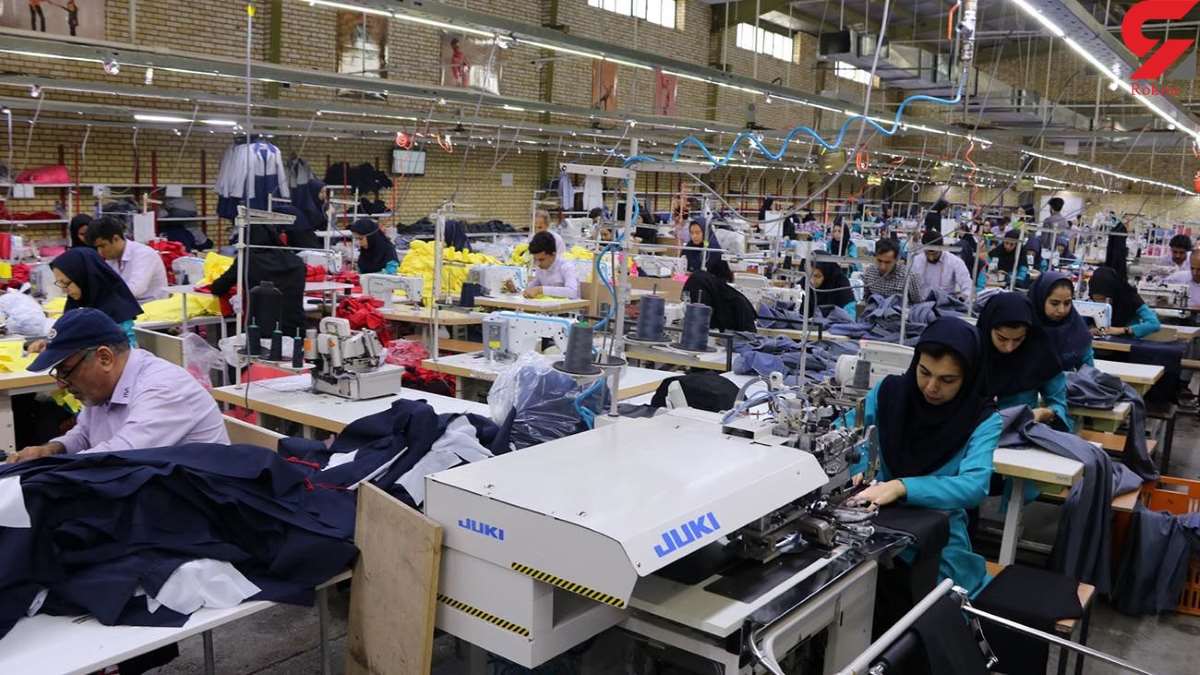
The apparel industry, like many others, is experiencing a paradigm shift in its export dynamics to the US. Driven by factors like rising costs in traditional hubs, changing consumer preferences, and geopolitical tensions there is a shift towards new players and product categories. This shift is driven by many factors.
Diversification on the rise
While China remains the dominant player, its share has shrunk from 42 per cent in 2019 to 35 per cent in 2022 says OTEXA data. Vietnam (20 per cent), Bangladesh (17 per cent), India (7 per cent), and Mexico (5 per cent) are gaining ground, driven by factors,
Rising production costs is a major factor. As labor costs in traditional apparel manufacturing hubs like China are increasing, they are becoming less competitive. Also, the ongoing trade war between the US and China has disrupted supply chains and encouraged diversification. And deals like CPTPP and TPP (TPP-11) benefit Southeast Asian nations. Consumers too are increasingly demanding sustainable, ethical, and locally-made products. Vietnam's impressive growth for example is attributed to its lower labor costs, trade agreements with the US, and focus on attracting foreign investment. And automation and digitalization are changing production processes and logistics.
Table Top Apparel Exporters to the US (Value in Billion US$)
| Country | 2022 | 2021 | 2020 | Change (2020-22) |
| China | 57.0 | 64.4 | 56.0 | +1.7% |
| Vietnam | 32.1 | 32.6 | 25.4 | +26.4% |
| Bangladesh | 27.5 | 22.6 | 19.5 | +41.5% |
| India | 11.1 | 12.6 | 10.5 | +5.7% |
| Mexico | 8.5 | 8.4 | 6.6 | +28.8% |
Product Diversity: Beyond the Basics
Within categories too there is a shifts. Menswear for example has seen more athleisure and casual wear, driven by work-from-home trends. In women’s wear too athleisure, sustainable fabrics, and personalized styles gain traction. Dresses, tops, and jeans continue to be popular, with increasing demand for sustainable and ethical fashion. And in kidswear the focus is on comfort, playfulness, and sustainability. Eco-friendly fabrics are driving growth.
Knitwear remains the largest category, but faces competition from athleisure in other segments. Denimwear witnesses consistent growth, led by demand for sustainable and innovative denim. Outerwear experiences a significant jump, likely due to changing weather patterns and increased outdoor activities.
Segment Focus: Premium takes the lead
Premium and value segments saw contrasting fortunes. Premium category grew 12 per cent in 2022 as per Euromonitor, driven by rising disposable incomes and demand for quality products. For example, Patagonia, a US-based premium outdoor apparel brand, showcases the success of ethical and sustainable practices. Its commitment to environmental responsibility resonates with consumers and drives strong growth. Value segment on the other hand declined 3 per cent due to inflation and consumer shifts towards quality over price.
Future outlook
The US apparel market is expected to reach $335 billion by 2025. The key trends shaping the future include:
Shifting sourcing: Southeast Asian countries like Vietnam and Bangladesh will likely continue to gain market share.
Focus on sustainability: Consumers will prioritize eco-friendly materials and ethical production practices.
Direct-to-consumer (DTC) models: Brands will increasingly sell directly to consumers, bypassing traditional retail channels.
Personalization and customization: Consumers will demand more personalized products and experiences.
Note: Data collated from various sources
SIMA applauds textile focused policies in Tamil Nadu budget
Tamil Nadu, long a powerhouse in India's textile industry, has faced challenges maintaining its competitive edge against rival states with more attractive textile policies. However, recent announcements in the state budget aim to rejuvenate its textile sector and uphold its status as a leader in textile and clothing manufacturing nationwide.
S.K. Sundararaman, Chairman of The Southern India Mills’ Association (SIMA), commended the proactive approach of Tamil Nadu's leadership, including Chief Minister Thiru M.K. Stalin, Finance Minister Thiru Thangam Thennarasu, and Handlooms and Textiles Minister Thiru R. Gandhi, for heeding SIMA's suggestions.
Notably, the announcement of 6 per cent interest subsidy for modernizing the spinning segment, with a significant budget allocation of Rs 500 crores, stands out as a crucial measure to revitalize an industry grappling with unprecedented challenges. Sundararaman emphasized the urgency of this subsidy, especially considering that a substantial portion of Tamil Nadu's spinning capacity is over 15 years old.
Additionally, the increase in special capacity subsidies from 15 per cent to 25 per cent for technical textiles and MMF fabric and apparel manufacturing, including recycled products, underscores the state's commitment to fostering innovation and sustainability in line with global demands. This move is expected to not only incentivize local investors but also attract foreign investments, positioning Tamil Nadu as a hub for future-oriented industries.
The budget's focus on infrastructure development, such as the allocation of funds for various textile parks and research centers across different districts, promises to generate employment opportunities, particularly benefiting rural areas and marginalized groups.
Sundararaman praised initiatives like the establishment of integrated complexes and incentives for new units employing physically challenged individuals and transgenders, emphasizing the inclusive approach towards job creation.
Furthermore, the vision to increase renewable energy generation and host a global startup summit reflects Tamil Nadu's commitment to environmental sustainability and economic growth through innovation and international collaboration.
The budget's emphasis on skill development, IT infrastructure, and manufacturing facilities signals a holistic approach towards creating a conducive environment for business growth and job creation across sectors.
In summary, Tamil Nadu's state budget represents a comprehensive strategy to revitalize the textile sector, foster innovation, and create inclusive growth opportunities, positioning the state as a frontrunner in India's economic resurgence.
Leather Working Group and ZDHC partner for sustainable leather
In a landmark move, the Leather Working Group (LWG) and the ZDHC Foundation have announced a pioneering collaboration today. This partnership aims to revolutionize sustainable leather manufacturing by aligning the ZDHC Roadmap to Zero Programme with the LWG audit standard, simplifying sustainable chemical management for leather manufacturers.
The collaboration is set to standardize regulations across key areas such as the ZDHC Manufacturing Restricted Substances List (MRSL), wastewater, and air emissions. Focusing on the implementation of the LWG Audit Standard and ZDHC Supplier to Zero and InCheck Solutions, the initiative aims to streamline processes for manufacturers.
Janne Koopmans, Collaborations Director at ZDHC, expressed optimism about the partnership, stating, "Through this powerful synergy with LWG... we pave the way for a sustainable future." The collaboration seeks to alleviate the compliance burden on leather manufacturers while promoting responsible chemical management practices.
Stuart Cranfield, Director of Standards and Assurance at LWG, emphasized the collective effort towards sustainability, stating, "Together, we stride towards a more sustainable leather manufacturing industry worldwide."
This collaboration sets a precedent for industry cooperation in addressing critical sustainability challenges. ZDHC encourages other organizations to follow suit, advocating for partnerships that align with shared goals and streamline processes. Together, these efforts signify a shift towards a responsible, sustainable future.
Italian textile machinery orders remain stable in Q4 2023
The latest report from the Economics Department of ACIMIT reveals a stable performance in the Italian textile machinery sector during the fourth quarter of 2023, with the orders index maintaining parity with the same period in 2022.
Despite a notable 18 per cent decline in domestic orders, a 4 per cent increase in orders from foreign markets offset the downturn. The index for foreign markets stood at 77.9 points, contrasting with 126.2 points domestically.
Overall, the average order backlog secured 3.7 months of production. However, the year-end results for 2023 depict a 25 per cent decline in the index compared to 2022, indicating a challenging year for the industry.
ACIMIT President Marco Salvadè acknowledged the persisting weakness in domestic demand but noted a slight uptick in international orders. Salvadè attributed these fluctuations to ongoing global geopolitical uncertainties.
While Italian exports to key markets such as China, Turkey, India, and the United States experienced a decline in the first nine months of 2023, Salvadè remains cautiously optimistic about a potential reversal in fortunes for 2024, anticipating a consolidation of the positive trend observed in the fourth quarter of 2023.











