


FW
Mixed Performance for T&A sector as WTI sales down, WAI sales up in 9M FY24: Wazir Advisors
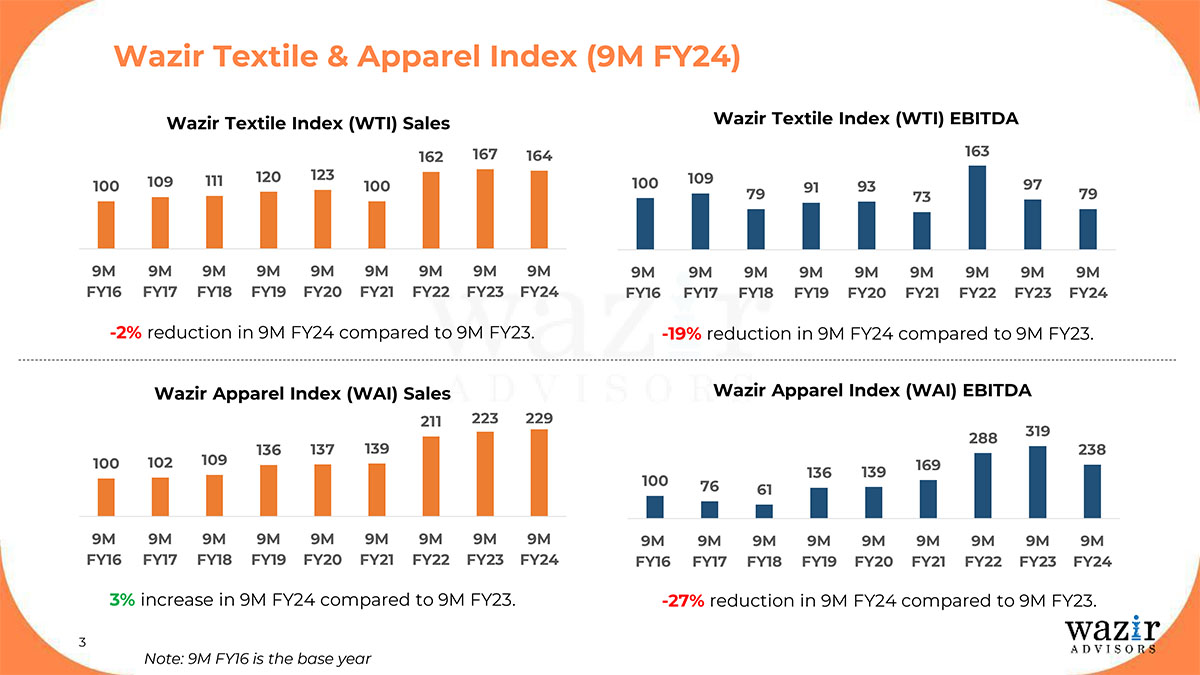
The Wazir Advisors, a leading financial advisory firm, released its latest textile and apparel sector performance report. The report, based on the Wazir Textile Index (WTI) and Wazir Apparel Index (WAI), reveals a mixed bag for the industry in the first nine months of FY24 (April-December 2023).
Textile sector sales decline, profit margin squeezed
The WTI, which tracks the performance of top Indian textile companies, paints a concerning picture. Consolidated sales for top Indian companies including Vardhman Textiles, Arvind, Indorama Synthetics among others declined by 2 per cent on an average in the first nine months of FY24 compared to the same period in FY23. This drop in sales is accompanied by a sharper decline in profitability. The WTI EBITDA index, a measure of earnings before interest, taxes, depreciation, and amortization, fell by a significant 19 per cent year-on-year. This suggests that textile companies are struggling to maintain profit margins despite lower raw material costs (a trend observed in previous WTI reports).
While Vardhman Textiles saw its sales growth drop 7 per cent, Arvind’s dropped 14 per cent, KPR Mills saw 18 per cent drop. At the same time companies like Trident saw 18 per cent increase in sales growth, Wespun sa a 13 per cent increase and RSWM saw 2 per cent increase.
A consolidated analysis of major expenses reveals, the average cost of raw materials remained same in nine months of FY24 compared to the same period of FY23. Average employee expenses increased 2 percentage points same in nine months of FY24. At the same time other expenses remained the same in nine months of FY24 compared to the same period of FY23.
Apparel sector sales rise, but profits plummet
Interestingly, the Wazir Apparel Index (WAI) tells a different story for India’s apparel industry. While consolidated sales for leading apparel companies grew by a modest 3 per cent in 9M FY24 compared to 9M FY23, the WAI EBITDA index witnessed a steeper decline of 27 per cent year-on-year. Moreover, the consolidated EBITDA margin for apparel companies remained unchanged compared to the previous year. This suggests that apparel companies are managing to maintain profit margins despite lower sales growth, possibly due to cost-cutting measures. The companies under review in this category were: PDS, Pearl Global Industries, SP Apparels, Gokaldas Exports, Kitex Garments. Individually, only Pearl Global saw sales growth of 5 per cent while all the other under review saw negative sales growth.
Consolidated analysis of expenses for the top apparel players reveal the average cost of raw materials dropped by 5 percentage points in the first nine months of FY24 compared to the same period in FY23. Average employee expenses increase 3 percentage points in the first nine months of FY24. And other expenses went up 2 percentage points in the first nine months of FY24 compared to the same period in FY23.
Overall India picture
As per the report Index of Industrial Production (IIP) first nine months of FY24, remained the same for apparel but fell by 19 per cent compared to the same period in FY23. On the other hand the average Wholesale Price Index (WPI) for textiles decreased by -7 per cent and that of apparel increased by -1 per cent compared to nine months of FY23.
India’s overall T&A exports fell by -5 per cent first nine months of FY24. At the same time China’s cotton yarn imports from India increased from $53 million in nine months of FY23 to $554 million first nine months of FY24.
India’s T&A imports have gone down by -17 per cent nine months of FY24; home textiles imports have gone up 4 per cent nine months of FY24.
Overall growth in Q3 but concerns remain
The report offers a glimmer of hope with data for the most recent quarter (Q3 FY24). Consolidated sales for all listed textile and apparel companies combined actually increased by 5 per cent compared to Q3 FY23. Similarly, consolidated EBITDA for the combined sector witnessed a modest increase of 1 per cent in Q3 FY24. However, the performance of the first nine months raises concerns about the long-term health of the textile sector, particularly with regards to profitability.
French lawmakers propose new penalty system for fast-fashion retailers
In a move to curb the environmental impact of fast-fashion retailers like Shein in France, lawmakers have proposed a penalty system targeting these companies.
Under the legislation, retailers such as Shein, known for their rapid turnover of trendy clothing items, could face fines of up to €10 ($11) per item sold in France by 2030. Initially set at €5 per item, this penalty would double by the end of the decade, capped at 50 per cent of the sale price of each piece. The bill also aims to restrict advertising by ‘ephemeral’ fashion companies.
The legislation, which enjoys broad support, seeks to promote sustainable practices within the textile industry. It follows a recent European Parliament proposal mandating that producers cover the costs of collecting, sorting, and recycling textiles sold in the bloc. Additionally, the French government plans to prohibit textile waste exports, aiming to bolster domestic textile and retail sectors.
While proponents assert the bill's intention to support local industries and hold polluters accountable, critics, including Shein, argue that it unfairly targets budget-conscious consumers. The proposed penalties would be redistributed to French manufacturers deemed ‘virtuous,’ further incentivising sustainable practices.
In a bid for transparency, online retailers selling ‘disposable’ fashion would be required to disclose the environmental impact of their products. This move responds to concerns over the significant percentage of unsold textile items in Europe, attributed largely to returns and excess inventory.
The legislation's focus on fast-fashion retailers like Shein raises questions about fairness, especially regarding the differentiation between them and more established brands like Zara and H&M. French lawmakers estimate Shein introduces around 7,200 new products daily, potentially justifying the imposition of penalties to level the playing field.
Despite the bill's emphasis on foreign retailers, concerns persist about the practices of domestic companies like Decathlon. France's fashion industry has faced challenges from global competition, leading to the decline of traditional brands against the backdrop of outsourcing to countries with lower labor and material costs.
As Shein expands its presence in Europe through physical stores, it faces scrutiny not only in France but also in the United States, where regulatory hurdles loom over its planned listing. Similar concerns have arisen around other fast-fashion giants, such as Inditex, owner of Zara, highlighting a broader industry shift toward transparency and accountability.
A World of Fashion: Trends from beyond Russia at Moscow Fashion Week

The recent Moscow Fashion Week (March 1-8, 2024) wasn't just about Russian design prowess. International talents brought a kaleidoscope of influences and aesthetics, highlighting the global nature of fashion today. Some of the key trends that emerged from the non-Russian designers are as analyzed below.
Eastery influences
• IRMASARI JOEDAWINATA (Indonesia): Flowy silhouettes and a muted palette reminiscent of the ocean evoked a sense of serenity.
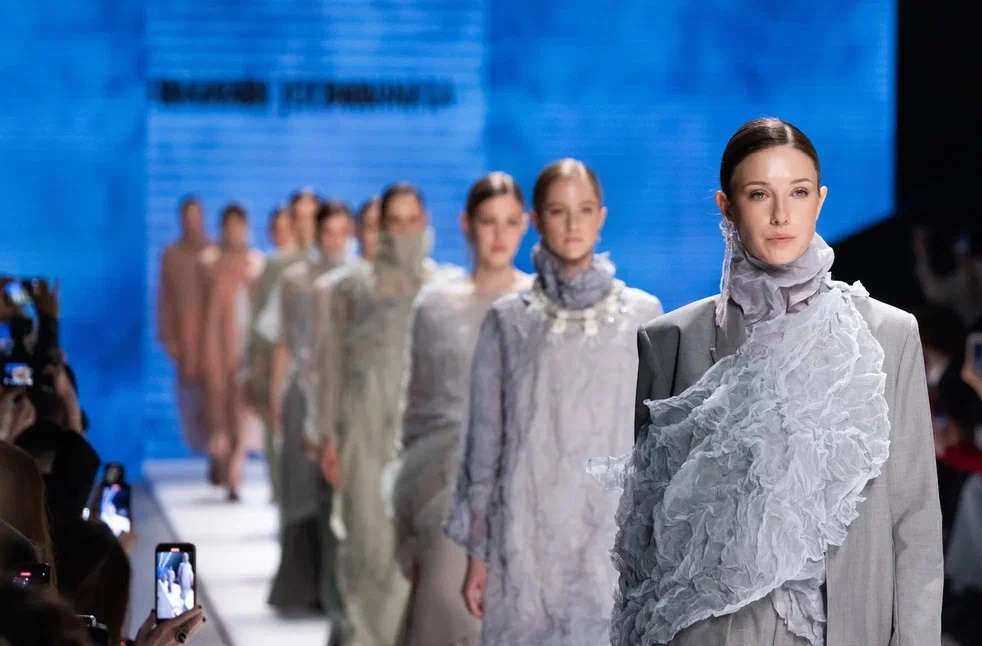
• BÜRO UNIQUE (Samara): This collection titled "Mysterious Garden" offered a romantic take on Eastern-inspired floral motifs.
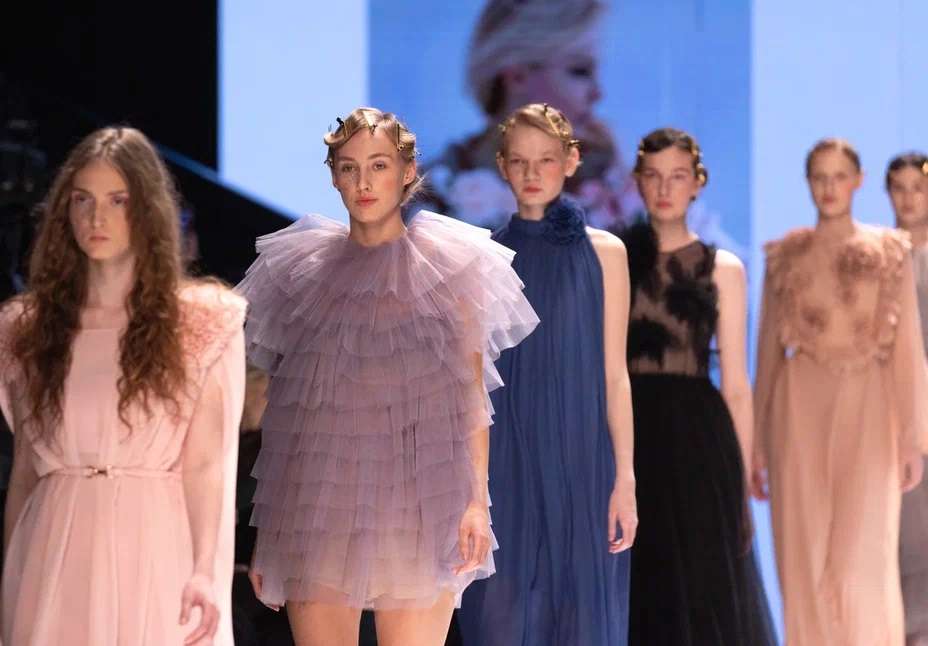
• 致画ZHIHUA (China): This brand showcased Eastern artistic traditions with winter puffers in textured materials and prints resembling watercolors.
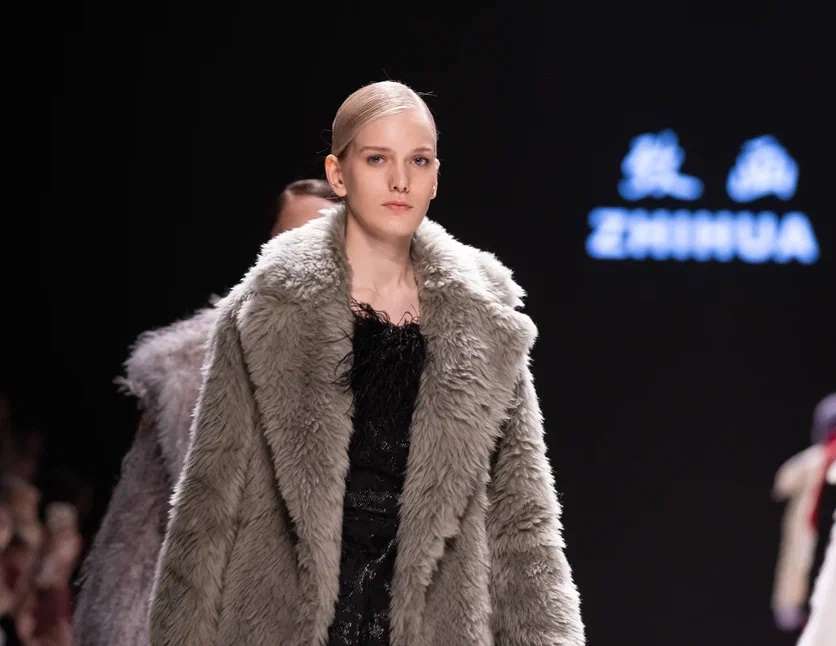
• Anissa Aida (Tunisia): Tunisian ceramic tile patterns and indigo hues offered a unique perspective on North African design.
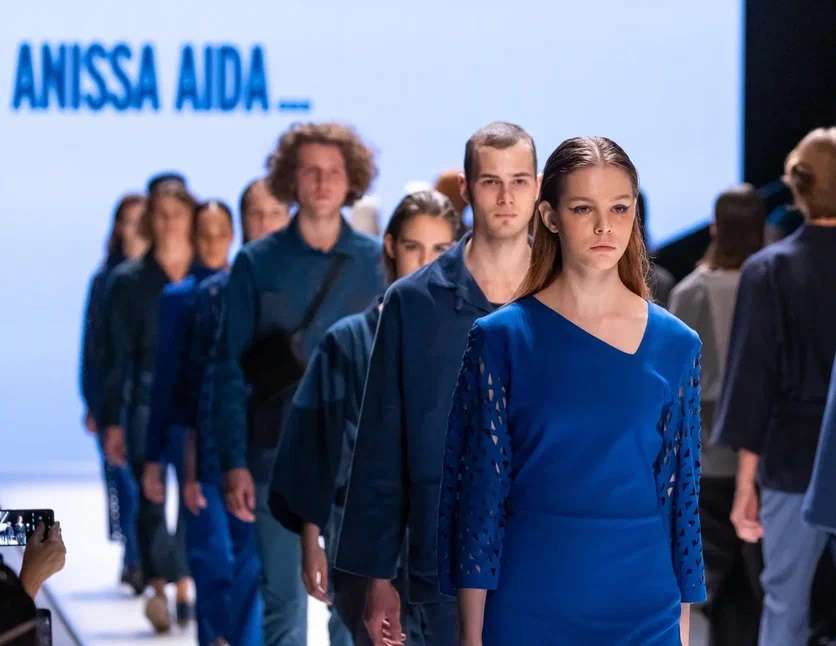
Sustainable fashion takes center stage
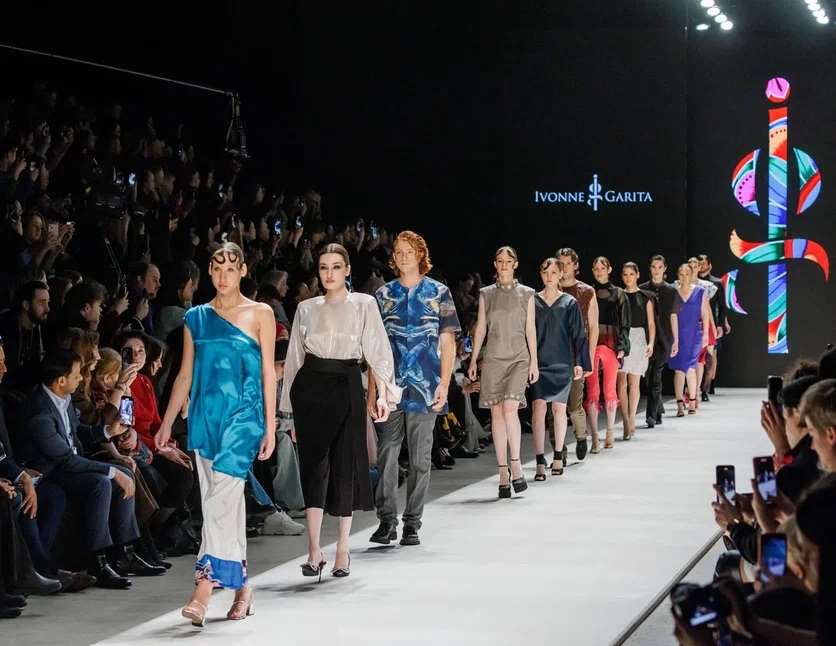
• Ivonne Garita (Costa Rica): This designer prioritizes sustainability with eco-conscious materials and timeless pieces.
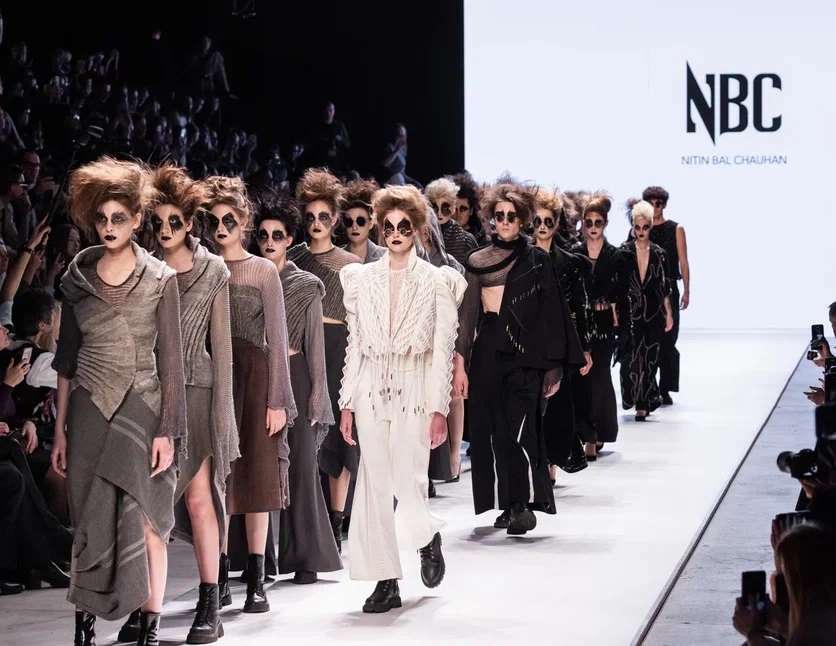
• NBC brand (India): Their collection offered stylish everyday wear crafted with intricate detailing.
Reinterpreting tradition
• Anissa Aida (Tunisia): This brand explored similarities between traditional clothing silhouettes from various cultures.
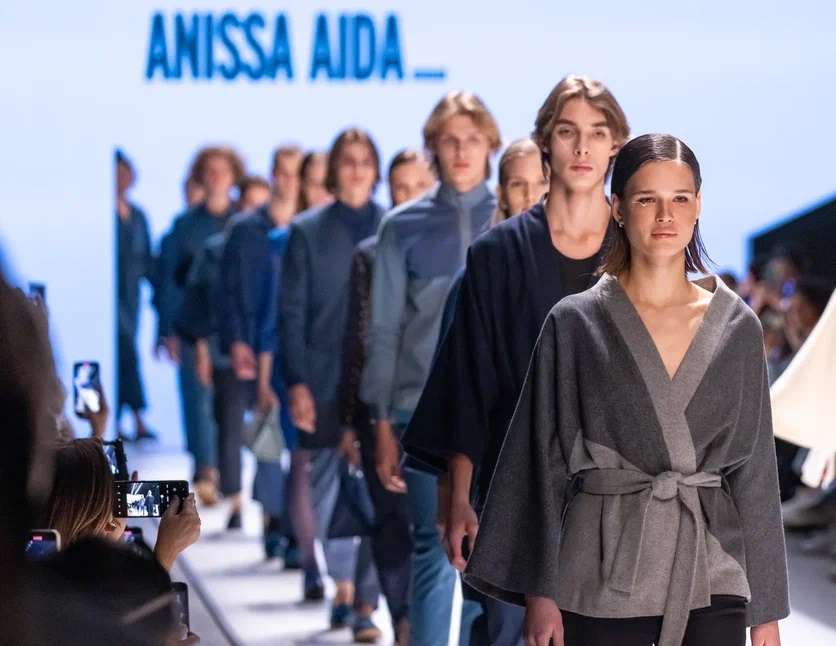
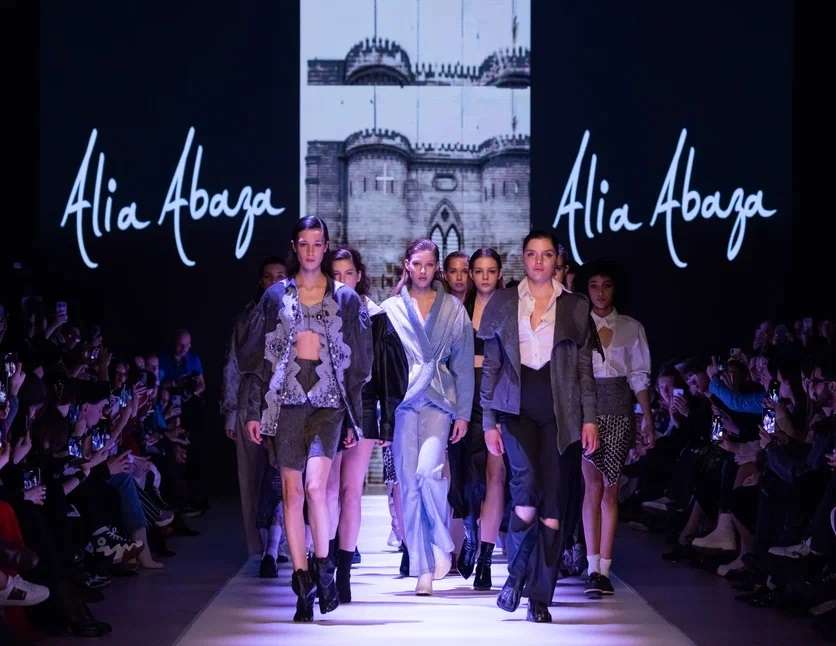
• Alia Abaza (Egypt): Intricate embroidery details and ethnic motifs celebrated the designer's local heritage.
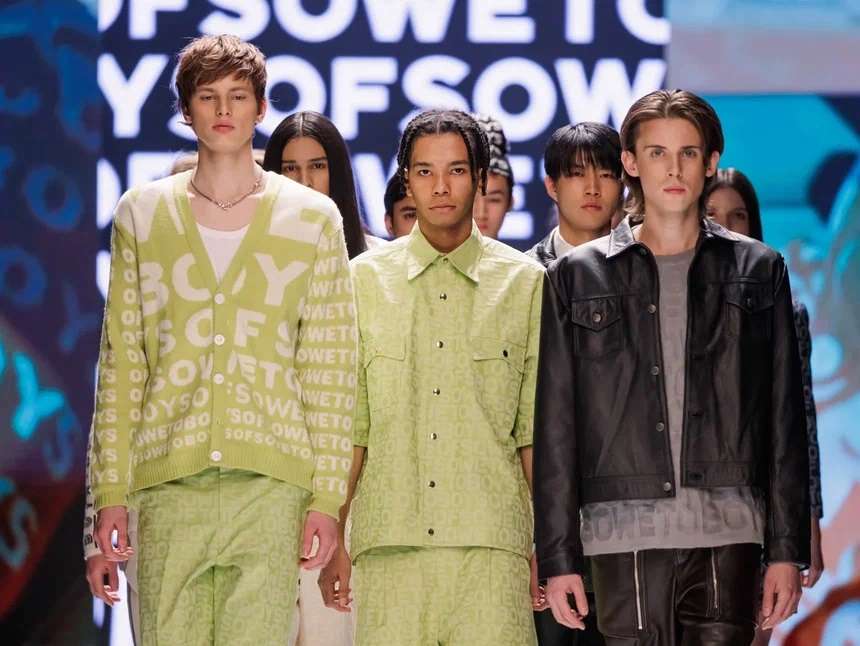
• Boys of Soweto (South Africa): This brand offered a vibrant collection with a vintage twist, reimagining classic styles.
Modern takes on femininity
• AO brand (Brazil): This brand used modern materials to reimagine historical elements like corsets and crinolines for a contemporary look.

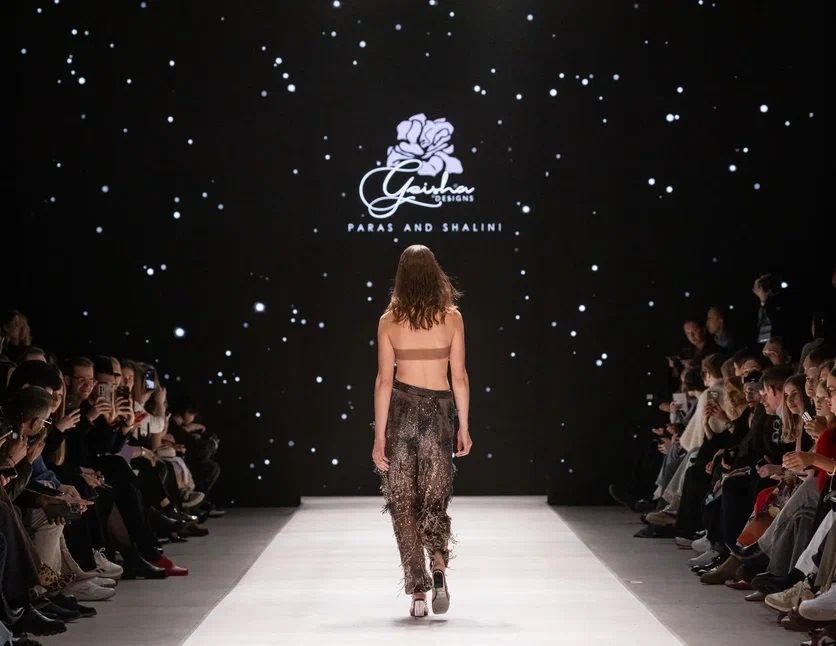
• Geisha Designs (India): This brand's evening wear collection offered a modern take on traditional Indian sarees with a touch of sparkle.
Individuality and self-expression
• DOPE store (South Africa): This brand championed self-expression with basics, oversized pieces, and bold colors.
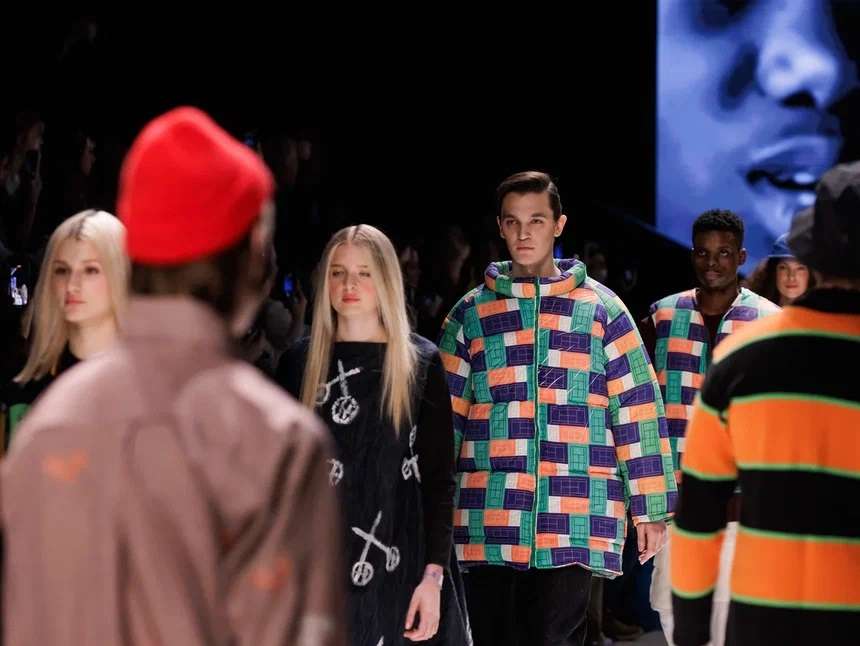
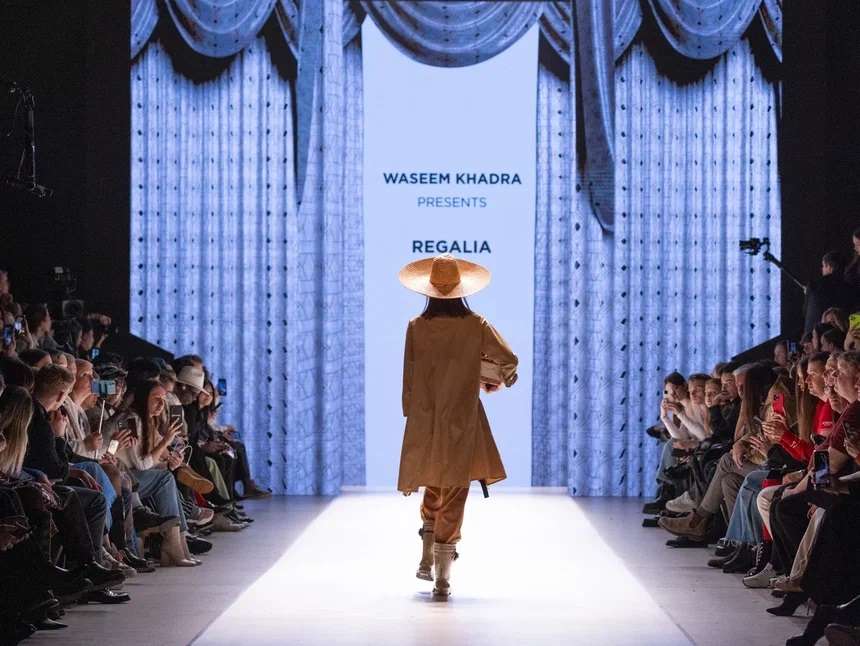
• Waseem Khadra (Egypt): This collection aimed to empower individuals to feel confident regardless of their profession.
Global inspiration for everyone
Designers from Turkey and India showcased a range of styles, from classic menswear by Emre Erdemoglu to statement evening wear by Geisha Designs.
Moscow Fashion Week 2024 proved that fashion is a global conversation. These international designers brought fresh perspectives and a celebration of cultural heritage to the runway, inspiring fashion enthusiasts around the world.
Desi Dazzle: Indian designers take the stage at Moscow Fashion Week

The recently concluded Moscow Fashion Week (MFW), held from March 1st to 8th, 2024, witnessed a vibrant infusion of Indian creativity. Renowned labels Geisha Designs and the NBC brand stole the spotlight with their captivating collections, marking a significant stride for Indian fashion on the global stage.
This wasn't a first for Indian designers in Russia. The success of the BRICS+ Fashion Summit in December 2023, where Indian talents left a lasting impression, paved the way for wider recognition.
A fusion finesse
Geisha Designs, helmed by the creative duo of Paras Bairoliya and Shalini Jaikaria, is known for its unique blend of traditional Indian aesthetics with contemporary sensibilities. Their MFW showcase was no different, featuring exquisite ensembles that resonated with the audience's taste for elegance.
“We've always believed in the power of Indian textiles and craftsmanship to transcend borders,” shared Shalini Jaikaria, Co-founder, Geisha Designs. “Moscow Fashion Week provided a fantastic platform to present our fusion narrative to a discerning audience.”
A touch of theatricality
Nitin Bal Chauhan, the mastermind behind the NBC brand, brought his signature dramatic flair to MFW. His collection offered a powerful blend of emotions and aesthetics, leaving a lasting impression on viewers.
“Moscow's fashion scene is known for its appreciation of bold statements,” said Nitin Bal Chauhan, Founder, NBC Brand. “We were thrilled to showcase our storytelling through fashion on such a prestigious platform.”
Impact on the fashion world
The participation of Indian designers at MFW signifies a growing appreciation for Indian textiles, craftsmanship, and design sensibilities. It opens doors for future collaborations and fosters a cultural exchange within the global fashion fraternity.
“This is a momentous occasion for Indian fashion,” said Sunil Sethi, Chairman, Fashion Design Council of India (FDCI). “It signifies the growing potential of Indian designers to make a mark on the international stage and influence global fashion trends.”
The success of Indian designers at MFW is a testament to the country's rich textile heritage and the talent of its emerging fashionistas. As this cultural exchange continues, we can expect to see a beautiful confluence of Indian and international styles emerge on the global runway.
Under Armour announces leadership shakeup as Kevin Plank returns as CEO
Under Armour is undergoing a leadership change. Founder Kevin Plank will return to the role of CEO, effective April 1, 2024. Stephanie Linnartz, current CEO, will step down and transition into an advisory role until the end of April.
During her tenure as the CEO, Linnartz was responsible for not only building a strong team but also revamping products and marketing strategies, and prioritising profitability.
Praising Linnartz’s contributions, Plank said, she was responsible for strengthening the leadership team and consumer focus, which included launching the UA Rewards loyalty program.
Dr Mohamed El-Erian, who previously served as lead director, will take over as the non-executive chair of the board. Plank will remain a director on the board while assuming his new CEO responsibilities.
This leadership change comes after Under Armour recently raised its full-year earnings forecast. The company has been working on cost-cutting measures to offset declining revenue and manage excess inventory that has plagued the industry.
Fall edition of Shanghai Fashion Week 2024 to kick off on Mar’25, 2024
The fall edition of Shanghai Fashion Week 2024 is poised to kick off on March 25, coinciding with Art Basel Hong Kong scheduled from March 27 to 30. This eight-day extravaganza will feature a vibrant mix of runway shows, trade exhibitions, panel discussions, and soirées, showcasing the dynamism of China's fashion scene.
At the heart of the event, esteemed local labels Le Fame and Mithworld, an offshoot of the renowned Mithridate brand, will bookend the festivities at the official venue in Xintiandi. Alongside them, a roster of notable brands like Comme Moi by top model Lu Yan, Xiao Li, and Louis Shengtao Chen will grace the runways. Off schedule, designers such as Yueqi Qi, Samuel Gui Yang, and Australian brand Dion Lee will captivate audiences with their innovative creations.
The platform renowned for championing emerging talents, Labelhood will spotlight 16 promising brands at Rockbund, including newcomers like Aubruino, Tension Archive, and Ray Dots. Notably, a special project featuring designers reinterpreting traditional Chinese craftsmanship into conceptual fashion pieces will debut, alongside a collaboration between Casetify and Labelhood.
Men's designer Xander Zhou will unveil his futuristic pro range at Labelhood, joined by a diverse array of brands such as Shushu/Tong, Mark Gong, and WMWM. Meanwhile, global players like Mytheresa will introduce exclusive capsules, including a collaboration with Courrèges at Fotografiska Shanghai, accompanied by engaging panel discussions and exhibitions.
In the realm of business partnerships, Ontimeshow, the largest fashion trade show in Shanghai, will announce an alliance with Douyin. Additionally, a new bridal-focused showroom named Bridal Moda will join the fray, catering to diverse buyer needs from across China.
Emphasising sustainability, Shanghai Fashion Week will host the M Space forum, featuring industry leaders discussing recent sustainable developments. Notable speakers include Thierry Andretta, CEO, Mulberry, and representatives from local powerhouses like Esquel Group and Youngor Group. Moreover, a dialogue on embracing AI in the fashion industry will take center stage, facilitated by Shaway Yeh, a prominent sustainability advocate.
This season also marks the return of The Next, showcasing the talents of fashion graduates from esteemed institutions like Donghua University and China Academy of Art, alongside a special presentation commemorating the 10th anniversary of Istituto Marangoni in Shanghai.
Euratex: RegioGreenTex meeting shapes future of textile circular economy
Representatives from 43 European partners of RegioGreenTex converged at Citeve, the Portuguese Centre for textile innovation, for a three-day Annual Consortium Meeting. The €13 million project, co-funded by the EU I3 Instrument Program, aims to revolutionize the textile industry's linear business model into a circular one.
Combining efforts from research centers, regional clusters, development agencies, and 26 SMEs, RegioGreenTex focuses on unique pilot projects to promote textile circularity. The meeting served as a critical juncture to evaluate progress and impact, featuring presentations, workshops, and networking sessions fostering collaboration and addressing shared hurdles.
A highlight of the event was an exhibition showcasing tangible outcomes of innovation, including garments, yarns, fabrics, and products developed within the project. This display not only demonstrated achievements but also paved the way for potential collaborations and partnerships.
Euratex, spearheading the project, underscores its significance in realizing the EU Sustainable Textile Strategy. Dirk Vantyghem, Euratex Director General, emphasized the pivotal role of supporting SMEs in achieving the green transition. RegioGreenTex stands as a cornerstone in this broader initiative, marking a significant step towards sustainable textile practices in Europe."
ITMF & IAF unite for 2024 textile & fashion summit
For the first time in history, the International Textile Manufacturers Federation (ITMF) and the International Apparel Federation (IAF) are collaboratively hosting their annual convention. Set against the backdrop of the ancient Silk Road city of Samarkand, Uzbekistan, from September 8-10, this milestone event is organized in partnership with the Uzbek Textile & Apparel Industry Association (Uztextileprom). Themed "Innovation, Cooperation & Regulation – Drivers of the Textile & Apparel Industry," the convention aims to spearhead discussions on industry advancements and challenges.
Representing the entire textile and apparel supply chain, attendees will include raw material suppliers, manufacturers, retailers, and educators. Experts will delve into the pivotal role of innovation, cooperation, and regulation in shaping the industry's future trajectory. Moreover, the convention serves as a platform to showcase Uzbekistan's burgeoning textile and garment sector to the global community.
Formerly renowned as a major cotton exporter, Uzbekistan's recent transition to a cotton-importing nation has catalyzed the evolution of its textile and apparel industry. The convention underscores the imperative for joint collaboration within the sector to address common challenges effectively.
Highlighted is the crucial role of industry stakeholders in mitigating the environmental impact of textile production, emphasizing the need for seamless information flow across the value chain. Beyond its substantive agenda, the convention promises attendees a glimpse into Uzbekistan's rich cultural heritage through social events like gala dinners and city tours.
The ITMF & IAF joint convention marks a significant stride towards fostering unity and cooperation within the global textile and apparel community, setting the stage for collective innovation and sustainable progress.
Garware Technical Fibres: Among top 50 innovators in India's best workplaces
Garware Technical Fibres Limited has clinched a coveted spot among India's top innovators, securing a position in the esteemed "India's Best Workplaces Building a Culture of Innovation by All" list. The accolade underscores the company's steadfast dedication to fostering creativity and advancement among its workforce.
Central to Garware Technical Fibres Limited's success is its unwavering focus on employee development. The company goes above and beyond conventional training methods, tailoring initiatives to align with individual career aspirations and industry demands. This approach not only enhances employees' skill sets but also nurtures a culture of perpetual learning, ensuring adaptability in an ever-evolving landscape.
Emphasizing employee empowerment, Garware Technical Fibres Limited actively cultivates leadership skills through mentorship programs and specialized training. This empowerment fosters a sense of ownership among employees, driving pride in their contributions to the company's achievements.
The company's collaborative ecosystem further amplifies its commitment to innovation. Encouraging the free exchange of ideas and fostering cross-functional teamwork, Garware Technical Fibres Limited creates an environment where diverse perspectives converge to drive progress.
Vayu Garware, Chairman & Managing Director, emphasized that at Garware Technical Fibres, employees are more than just a workforce; they are family. The company prioritizes their value, empowerment, and support, fostering a culture where innovation and excellence flourish within its close-knit community.
Shujaul Rehman, Chief Executive Officer, further emphasized that their continuous focus on employee development and well-being has cultivated a dynamic ecosystem where collaboration, learning, and creativity thrive. The recognition as India's Best Workplace for Building a Culture of Innovation serves as a testament to the team's commitment to shaping the organization's future.
Intertextile Shanghai Apparel Fabrics showcases Spring/Summer trends, fosters industry connections
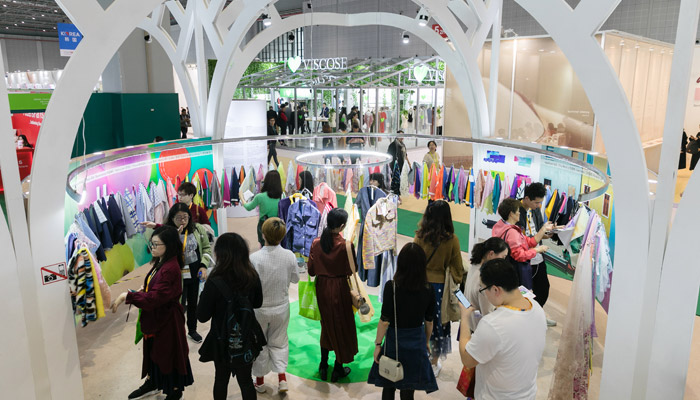
The three day 2024 edition of Intertextile Shanghai Apparel Fabrics concluded on March 8th, marking a successful three-day run at the National Exhibition and Convention Center (NECC) in Shanghai. The event served as a premier platform for the apparel fabrics and accessories industry, attracting a global audience of professionals eager to explore the latest trends and forge new business partnerships.
A celebration of fabrics and fashion
The event kicked off with a grand opening ceremony, setting the tone for the bustling trade days ahead. Industry dignitaries, along with representatives from Messe Frankfurt (HK)., the event organizer, delivered speeches highlighting the importance of the exhibition as a platform for international collaboration and fostering the future of textiles.
Across the vast exhibition halls, attendees were treated to a comprehensive showcase of apparel fabrics and accessories. From classic materials like cotton, wool, and silk to cutting-edge technical textiles, the show offered a diverse range of options for Spring/Summer collections. Visitors were also introduced to the latest trends in color, texture, and embellishment, gaining valuable insights for the upcoming season. Visitors, including designers, buyers, and fashion professionals, were treated to a diverse range of products encompassing apparel fabrics, yarns, trims, and accessories.
Fringe events spark inspiration
Beyond the trade show floor, Intertextile offered a vibrant program of fringe events designed to inspire and educate attendees. Seminars featuring industry experts explored upcoming trends, sustainability initiatives within the textile industry, and the ever-evolving world of fashion technology. Additionally, live demonstrations and interactive workshops provided valuable insights into various textile techniques and design processes.
The events included trend forums where leading experts presented their insights on the upcoming Spring/Summer season's hottest trends in fabrics, colors, and textures. Seminars and workshops with educational sessions delving deeper into specific aspects of the textile industry, such as sustainable practices, advancements in fabric technology, and design processes. Networking events offered opportunities for attendees to connect with industry peers, build relationships, and explore potential collaborations. Awards ceremonies recognized excellence in fabric design, innovation, and sustainability within the textile industry.
The Intertextile Shanghai Apparel Fabrics concluded with a sense of optimism and excitement for the future of fashion. The event provided a valuable platform for trend discovery, business development, and fostering connections within the global textile industry. The next edition of Intertextile Shanghai Apparel Fabrics will be held in August 2024, showcasing the latest trends and innovations for the Fall/Winter season.











