FW
Survey reveals consumer anger towards false claims of organic textiles
Ahead of the inaugural Organic Textile Week (15-21 May 2023), a recent survey conducted in the UK has highlighted consumer concerns regarding deceptive practices within the fashion industry.
The survey, which gathered responses from 2,000 individuals, found that a staggering 70% of participants would be less inclined to purchase products from brands making false claims about their organic credentials.
Furthermore, the study revealed that 59% of respondents expressed feelings of anger or disgust upon discovering that certain clothing brands, purporting to be organic, may actually contain hazardous synthetic pesticides and other harmful chemicals. This revelation underscored the growing demand for genuinely sustainable clothing options, with 57% of participants emphasizing the importance of purchasing clothes and textiles that are authentically sustainable.
Alarmingly, over three-quarters of those surveyed admitted to being unsure or unaware of the meaning behind the term "certified organic textiles." Astonishingly, nearly a third of the British population remained oblivious to the existence of organic textiles or clothing altogether. In addition, 56% of respondents confessed to lacking knowledge on how to identify certified organic items.
The survey findings also unveiled strong public support for legislation requiring clothing brands to adhere to transparent organic textile processing standards before being permitted to label their products as organic.
A significant 70% of participants advocated for such legal requirements, emphasizing the need to combat greenwashing practices within the industry.
EU deadlock: Sweden faces backlash for removing ban on unsold textile destruction
Sweden, currently holding the rotating presidency of the EU Council, has caused controversy by removing a ban on the destruction of unsold and returned textiles from a draft law aimed at improving circularity and sustainability within the European economy.
This decision has led to a group of more ambitious countries, including Germany, France, Austria, the Netherlands, and Belgium, blocking the agreement until the ban is reinstated. The removal of the ban has been deemed unacceptable by these countries, who argue that it contradicts the principles of a circular economy.
The proposal, known as the ecodesign proposal, was introduced by the European Commission in 2022 to enhance the environmental performance of certain products. The ban on destroying unsold textiles was a key component of this proposal, aiming to reduce waste and discourage overproduction. The textile industry is a significant contributor to resource depletion, water usage, and greenhouse gas emissions, making it crucial to address its sustainability challenges in Europe's transition to a more environmentally friendly economy.
The destruction of unsold consumer products, particularly due to the growth of online sales, has become an environmental problem across the EU. The European Commission's proposal highlights that this practice leads to the wasteful use of valuable resources, as goods are produced, transported, and then destroyed without ever fulfilling their intended purpose.
Several EU member states have already implemented national-level laws to prevent the destruction of unsold consumer products. Failing to introduce a similar measure at the EU level could create market distortions, according to the EU executive's argument in support of the ban.
The removal of the ban by Sweden has now sparked a deadlock within the EU country representatives. While discussions took place to reinstate the ban, an agreement could not be reached. The Swedish presidency will need to continue working on an agreement before the next meeting of EU country representatives. The hope is that an agreement can be reached, allowing ministers to approve the law at the competitiveness council. Subsequently, negotiations with the European Parliament will take place to finalize the law. Restoring the ban on the destruction of unsold textiles would be a significant step towards reducing waste and encouraging responsible production and consumption practices within the EU.
Lenzing Group collaborates with Austrian partners to drive textile circularity
Lenzing Group, a specialty fiber company for the textile and nonwoven industries, has joined forces with Austrian companies and organizations to advance circularity in the textile sector. In collaboration with partners such as ARA, Salesianer Miettex, Caritas, and Södra, Lenzing aims to collect used household and clothing textiles for recycling into new lyocell and viscose fibers.
The pilot project involves Salesianer Miettex collecting textiles unsuitable for reuse, which are then passed on to ARA for delivery to Caritas. Caritas, a recycling plant providing employment opportunities for individuals with disabilities, conducts the sorting process. The textiles are subsequently sent to Södra for recycling and processing into OnceMore pulp, a groundbreaking method for recycling blended fiber textile waste. Lenzing then applies its REFIBRA technology to produce innovative lyocell and viscose fibers.
Lenzing has been working in partnership with Södra since 2021 to promote circularity in the fashion industry. Their collaboration aims to develop methods for scaling up the use of cellulose-based used textiles on an industrial scale. The refined OnceMore pulp will serve as a raw material for Lenzing's specialty fibers, contributing to the company's goal of processing 50,000 tonnes of textile waste annually by 2027.
Lenzing's commitment to a circular economy is evident in its focus on giving waste a new life. Through innovations like REFIBRA and Eco Cycle technologies, the company aims to incorporate a significant portion of recycling material into its production processes, including cutting scraps from cotton production and second-hand clothing.
Michael Every, global strategist to speak at ICA event in Singapore
Rabobank Singapore's Global Strategist, Michael Every, has been announced as one of the esteemed speakers at the upcoming International Cotton Association (ICA) trade event in Singapore, scheduled for October 2023. The event, which is highly anticipated within the industry, will delve into the topic of shifting global architecture and its wide-ranging implications.
Michael Every, known for his insightful analysis of major developments and key thematic trends, has a wealth of experience spanning nearly 25 years. He has held significant positions such as director at Silk Road Associates, a Bangkok-based consultancy, senior economist/fixed income strategist at the Royal Bank of Canada in London and Sydney, and ASEAN economist for Dun & Bradstreet.
The Singapore 2023 trade event will be held on October 11-12 at the prestigious Raffles City Convention Centre. As a testament to its prominence, the event is expected to draw over 600 delegates from the cotton industry, including renowned figures and industry leaders.
The ICA's selection of Michael Every as a speaker underscores the significance of his expertise in understanding the evolving global landscape. With his presentation, Michael aims to shed light on the similarities between the current "Brave New World" and the familiar aspects of the "Old World."
Plagued by illegal imports and other challenges, Indonesia’s textile sector sees a March high
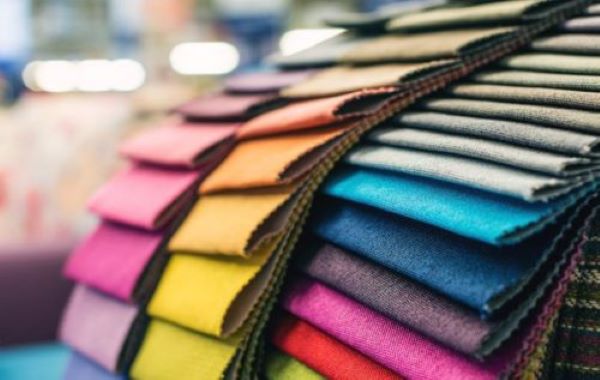
Indonesia, at the last count in 2022, was the world’s 10th largest exporter of textiles. However, the Ministry of Industry’s April stats revealed in March 2023, textile exports rose by 16.87 per cent compared to February 2023. The government-funded Export Task Force is keen to make textiles and footwear exports important sources of revenue and foreign exchange. It is currently taking stock of the current scenario and working towards presenting a list of strategic policies for the Ministry of Industry to collaborate with entrepreneurs and implement.
Pay cuts and illegal imports
The jubilation of March 2023 has a dark side as stated by Directorate General, Chemical, Pharmaceutical and Textile Industry (IKFT) of the Ministry of Industry, Adie Rochmanto Pandiangan, the success could have been a result of reduced operational cost as the government allowed the textile sector to pay 25 per cent less to its workers to gain a globally competitive pricing. Over 3.7 million Indonesians work in this sector and were affected by salary cuts.
The other problem is the ongoing smuggling racket that floods the country with cheap and spurious textiles, adversely affecting domestic consumption of legitimately produced textile. To add to exporter’s woes, a large stock of second-hand and spurious textiles are being repackaged and exported as ‘Made in Indonesia’ apparels. Local government, councilors and the police are frequently busting such operations to curtail smuggling.
Challenges on the ground
According to Jemmy Kartiwa Sastraatmadja, General Chair of the Indonesian Textile Association (API), performance of the textile industry has dropped 30 per cent since September 2022. One of the most significant challenges faced by the Indonesian textile industry is competition from other foreign textile-producing countries such as China, India, and Vietnam. These countries have lower production costs and can produce textile products at a lower price than Indonesia. Indonesia’s textile and apparel export is forecast to decline by 10 percent from $12 billion in 2022 to around $11 billion this year, according to the Indonesian Fiber and Filament Yarn Producers Association or APSyFI. The association attributes exports decline to a 40-50 per cent fall in order value from overseas buyers. Therefore, the increase in March is being being seen as a flash in the pan.
US poses another challenge
Moreover, the current economic woes in the US is proving to be a looming threat as the world’s number one economy is tightening its belt, slashing spending which in turn is reflected in its domestic consumption. The US is the single largest importer of Indonesian textiles by far and the current drop in demand can only sink Indonesia’s textile export dreams. Also, some American importers were duped by spurious textiles and are weary.
Governmental support at its best
The majority of Indonesia’s total textile and garment production is to supply international demand, with 70 per cent of the output being exported. Before Covid-19, Indonesia ranked number six in worldwide textile output, and exports were valued at $13.8 billion in 2019, a significant increase from $10 billion the year before. The industry was heavily affected by the pandemic and textile and textile product exports dropped almost 52 per cent in May 2020 compared to previous year. Nevertheless, strong support and focus from the Indonesian government helped the industry recover. In the country’s development ‘asterplan “Industry 4.0’, the government is aiming to propel Indonesia among the top five textile producers in the world by 2030.
World's largest fast fashion spenders, Swiss consumers need to rethink their buying
Swiss consumers are among the world’s largest spenders on fast fashion, with only Luxembourg spending more per capita.
Switzerland is a small country, but it has a relatively high population density, and with its high disposable income, it has become one of the world's largest spenders on fast fashion. According to a recent study by McKinsey, the average Swiss consumer buys about 15 kilograms of clothing each year, and the country has one of the highest rates of clothes shopping in Europe.
The impact of this trend on the environment is significant. Every year, Swiss consumers discard over 100,000 tonnes of clothes, contributing to the growing global waste problem. Only 6% of these clothes are produced sustainably, meaning that the vast majority of discarded clothes are made from synthetic materials that can take hundreds of years to decompose.
The problem is not just limited to Switzerland. The fashion industry is responsible for using vast amounts of water and toxic chemicals in the production process, leading to significant environmental damage. Textile treatment and dyeing alone account for about 20% of the world's industrial wastewater, which often ends up polluting rivers and oceans.
While some Swiss vendors are attempting to reuse materials and reduce waste, there is still a long way to go before sustainable fashion becomes the norm. Researchers like Katia Vladimirova are working hard to raise awareness about the environmental impact of the fashion industry, but they often struggle to secure funding and recognition in the field.
Ultimately, it is up to consumers to change their shopping habits and demand more sustainable fashion options. By choosing clothes made from organic or recycled materials and supporting brands that prioritize sustainability, consumers can help to reduce the environmental impact of the fashion industry and protect the planet for future generations.
Parachute and Cargo pants make a comeback: sales increase 181% and 42% in 2022
Parachute pants and cargo pants, inspired by old-school military gear, have made a huge comeback in recent years, with sales increasing rapidly. Sales of parachute pants have increased by 181% year-over-year in 2022, according to retail intelligence firm Edited.
This trend is particularly popular among Gen Z consumers and has been fueled by social media attention and celebrity endorsements. Although the trend is currently favored in womenswear, there is an opportunity for brands and retailers to market the style in menswear too.
Along with parachute pants, cargo pants have also experienced a resurgence in recent years. Edited reports a 42% year-over-year increase in cargo pants sales in 2022. The Y2K trend has brought back other early 2000s fashion staples, including chunky sneakers and low-rise jeans.
The popularity of comfortable and practical clothing has also played a significant role in the resurgence of parachute and cargo pants. Post-pandemic, many consumers have shifted towards relaxed and functional clothing that can easily transition between indoor and outdoor activities.
Fast fashion and contemporary brands have been quick to capitalize on this trend, offering affordable options that appeal to younger consumers. In addition to The Attico, other brands such as Shein, Zara, and H&M have released their versions of parachute and cargo pants at varying price points.
The popularity of these styles is likely to continue in the foreseeable future, offering consumers comfortable and versatile options that are practical yet stylish.
Comprehensive Partnership Agreement to drive trade growth between Dubai and Bangkok
UAE and Thailand have signed a joint statement, paving the way for negotiations on a Comprehensive Economic Partnership Agreement (CEPA) between the two nations. The inaugural round of talks is scheduled to commence in the UAE on May 16.
This landmark decision to establish a CEPA highlights the deepening ties between the UAE and Thailand, following the recent establishment of the first UAE-Thai Business Council in February 2023. The agreement aims to bolster bilateral trade and investment by creating new prospects across multiple sectors, including tourism, food security, IT, logistics, and financial services.
Of particular significance is the thriving trade relationship between the UAE and Thailand in the textile and garment sector. Both countries have been actively involved in exporting and importing textile products to meet their respective domestic demands as well as for international trade. The CEPA negotiations seek to further enhance bilateral trade, encompassing various sectors such as textiles and garments.
Underlining the importance of these negotiations is the UAE's growth agenda, which seeks to reinforce its position as a key facilitator of global trade, as well as Thailand's robust economy. Thailand, Southeast Asia's second-largest economy, is projected to experience a 3.8 percent growth in 2023, primarily driven by the recovery of its crucial tourism sector. With its well-developed services sector contributing 58.3 percent to its GDP, Thailand presents a promising market for economic collaboration.
The non-oil trade between the UAE and Thailand has witnessed substantial growth, surging by 21 percent in 2022, reaching a total of US$6.1 billion.
These negotiations with Thailand represent the latest significant achievement in the UAE's ambitious foreign trade agenda, which aims to double the country's foreign trade and national economy by 2031. Presently, the UAE has already concluded CEPA agreements with India, Israel, Indonesia, and Turkey, with the former two already in effect and the remaining agreements set to be signed in the near future.
The UAE is actively engaged in discussions with other strategically important markets, both regionally and globally, with the goal of establishing similar agreements that will further foster economic cooperation.
Global apparel trade surpasses pre-pandemic levels, textiles face minor decline
The global clothing trade volume in 2022 has exceeded pre-pandemic levels by 16%, signaling a robust recovery in the industry, according to a recent report titled "Global Trade Outlook and Statistics" by the World Trade Organization (WTO). The report highlights a substantial growth of 9% in clothing trade in 2022, following an impressive growth rate of 17% in 2021.
However, the value of textiles trade experienced a slight decline of 1% in 2022, following a 2% decrease in 2021. The rise in demand for medical face coverings partially offset the decline in apparel demand, resulting in a noteworthy 14% surge in global trade in textiles in 2022 compared to the pre-pandemic levels of 2019.
Despite the challenges brought by the COVID-19 pandemic, the WTO emphasizes the resilience of the global textile industry in 2020. The industry has managed to weather the storm and display a remarkable recovery.
Overall, the world merchandise trade witnessed a 12% increase in value, reaching an impressive $25.26 trillion in 2022. Although significant, this growth rate was slower compared to the remarkable 27% expansion experienced in 2021. It is important to note that global merchandise trade in 2022 was 32% higher than the pre-pandemic level recorded in 2019, reflecting a strong rebound.
While there is optimism for future growth, it is crucial to carefully monitor various risks and uncertainties to ensure sustained progress in the industry.
India faces imminent cotton catastrophe, as production shortfall sparks global concerns
India is facing an imminent "cotton crisis" that has gone largely unnoticed, according to Terry Townsend, former executive director of the International Cotton Advisory Committee.
Despite estimates suggesting that India's cotton production for the 2022/23 season will be similar to the previous year, a significant shortfall in seed cotton deliveries to procurement centers has raised concerns. Townsend, a respected figure in the industry, warns that this year's crop will not only be smaller than last year's but potentially as low as 4.3 million metric tons.
The cause of this anticipated shortfall remains somewhat of a mystery, although adverse weather conditions influenced by climate change have played a part. Heavy rains in Gujarat and Maharashtra led to crop damage, while the northern states of Haryana and Punjab experienced a second consecutive year of extensive damage caused by a pink bollworm infestation. Additionally, the prevalence of low-quality seeds with poor germination success and the unpredictable nature of the commodities market have further exacerbated the situation.
These challenges have resulted in a growing number of disillusioned farmers who are switching to alternative crops, contributing to the decline in cotton production.
India, alongside China, is responsible for half of the world's cotton supply. However, its export volumes have been decreasing for the past decade. Townsend believes that India may become a net importer of cotton this year, with imports significantly surpassing exports in 2023/24. This transition poses challenges for the domestic textile industry, which traditionally relies on a steady supply of domestic cotton. Unlike the current practice of purchasing cotton on a short-term basis, importing cotton introduces complexities and longer lead times.
Townsend expresses concern over the apparent denial by major agencies in India regarding the looming disaster. With global cotton production amounting to approximately 24 million metric tons, a deficit of 1 million metric tons has severe implications. The Ministry of Textiles' Committee on Cotton Production and Consumption estimates domestic mill consumption at 5 million metric tons this year, slightly lower than the previous year due to weak demand for yarn in India and global economic concerns. With anticipated cotton production between 5.6-5.7 million metric tons, the committee believes that this will adequately meet domestic consumption, eliminating the need for imports.
However, if cotton production falls well below 5 million metric tons as anticipated by Townsend, time is running out to address the crisis. Rising cotton prices and potential closures of gins and mills could lead to significant job losses. The entire cotton supply chain in India is expected to be severely affected, prompting concerns for the broader industry.