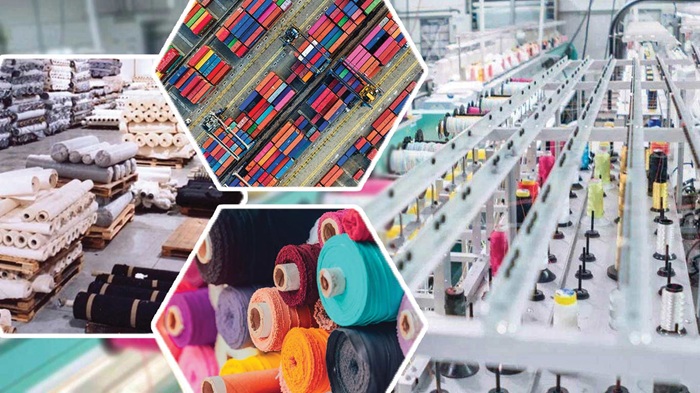
Garment workers in Asia are facing destitution in the wake of COVID-19 epidemic. Factories are closing in Sri Lanka, Bangladesh, Indonesia, Albania and across Central America. The situation for garment workers in Cambodia and Myanmar is already dire. Some factories are said to have already sacked workers without pay. Many workers cannot afford to live on their normal salaries and are therefore in high levels of debt; they are now likely to default on their loans. Factories in garment-producing countries including Bangladesh, Cambodia and Vietnam are about to close due to a shortage of raw materials from China and declining orders from western clothing brands.
Millions of workers in supply chains are likely to fall into crippling poverty as they lose their jobs and struggle to provide for their families. Poverty wages, unsafe and unsanitary workplaces and poor health already make the garment workforce highly vulnerable to the worst effects of the virus.
It is doubtful garment workers would be able to save enough from their salaries to have funds to fall back on if they lose their jobs or are unable to go into work. Many of these workers live in countries where labor laws and protections are not upheld.
- 1
- 2
- 3
- 4
- 5
- 6
- 7
- 8
- 9
- 10
Global cotton enters a deficit year in 2026 as supply drop meets logistics risk
The global cotton economy has entered a fragile and sensitive phase. Early projections for the 2026-27 season suggest that world... Read more
India’s textile trade gets a Pacific push as New Zealand FTA removes tariff barr…
India and New Zealand have inked a ‘once-in-a-generation’ Free Trade Agreement (FTA), one that will have a profound impact on... Read more
Lululemon’s world-first nylon circularity push signals a new apparel arms race
The global apparel industry’s circularity narrative is entering a more technically demanding phase. Polyester recycling once the flagship of sustainable... Read more
Beyond the DTC Rush: Levi’s hybrid channel strategy sets a new retail benchmark
The global apparel sector is entering a phase where channel strategy is no longer a tactical lever but a core... Read more
The New Rules of Resale: EPR turning secondhand into fashion’s strategic growth …
The global fashion industry is facing a decisive regulatory and commercial reset. What began as a sustainability narrative around reuse... Read more
The 2027 Mandate: Why denim’s future hinges on verifiable data
For decades, the global denim industry has relied on a narrative of durability, heritage, and authenticity. That narrative is now... Read more
Europe’s textile core unravels as costs, imports and policy pressure bite
Europe’s textile and apparel sector, long seen as a benchmark for craftsmanship and industrial depth, is slipping into a prolonged... Read more
Automation, innovation, regulation are the forces shaping textiles in 2026
The global textile sector has entered a new era. Early 2026 saw the industry breach a $1.06 trillion valuation, reflecting... Read more
The new Brussels rulebook, every EU apparel order is now a balance-sheet risk
The humble export order sheet is undergoing a transformation. What was once a straightforward commercial instrument: SKU, volume, FOB price,... Read more
Why 2026-27 could be a defining cotton year for India’s farm-to-fashion economy
The global cotton economy is entering a more constrained phase, and for India, the implications run far beyond the farm... Read more