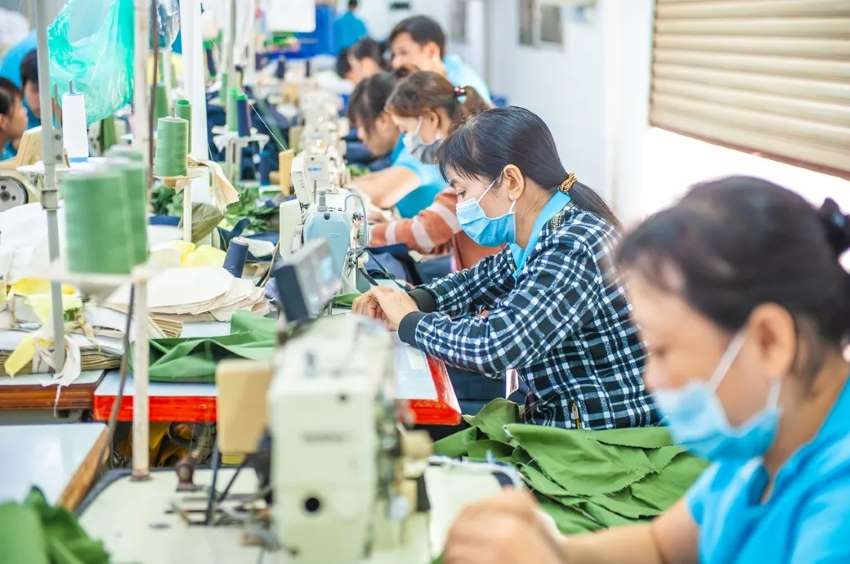
Clandestine sweatshops staffed mainly by foreign workers who have no basic labor rights are common in the textile sector of Argentina. About 2.7 million Bolivians have migrated to Argentina lured by promises of a decent job. However, they are employed in precarious working conditions with no health insurance. They work long hours and are often injured at work because of the lack of safety measures. There are thousands of such sweatshops involved in sewing and cutting clothes.
There are campaigns to promote better legislation, campaigns to promote union membership and collective bargaining. In Argentina, a country of 41 million people, including 1.8 million foreign nationals, the law on immigration guarantees the right to work, education and health care for South American immigrants. But many of these modern-day slaves are undocumented. And 90 per cent of them work in agriculture or in the textile industry.
So people are forced to work making clothes for big and small brand names, street fairs, famous designers, fashion boutiques, counterfeit clothing markets, and even government departments. The textile and apparel industry of Argentina is heavily subsidised and there are protectionist measures in place against imports. Additionally, special loans with low interest are available for investments. Anti-dumping measures are mostly directed against Chinese imports which have a share of 44 per cent of all apparel imports. The annual rate of growth for the apparel and textile sector is earmarked at 7.5 per cent up to 2020.

- 1
- 2
- 3
- 4
- 5
- 6
- 7
- 8
- 9
- 10
Landmark India-UK trade pact to supercharge textile export margins
The long-awaited India-UK Comprehensive Economic and Trade Agreement (CETA) is officially scheduled to commence on July 15, 2026. This breakthrough... Read more
Is it the end of aspirational luxury? Asia’s consumers demand more than logos
While the global personal luxury goods market remains broadly stable at around €358 billion, the apparent resilience masks a deeper... Read more
Vietnam wins, India slips as US apparel sourcing undergoes massive reset
A trade realignment is transforming the global apparel market, yet India’s manufacturing has stalled at the starting line. Newly released... Read more
US clothing prices rise faster than inflation, reshaping fashion retail strategy
After nearly two years of heavy discounting, inventory liquidation, and margin decline, apparel prices in the US are now rising... Read more
From gym to boardroom performance fabrics are redefining apparel demand
The global apparel industry has entered a new phase of evolution as the distinction between sportswear and everyday fashion continues... Read more
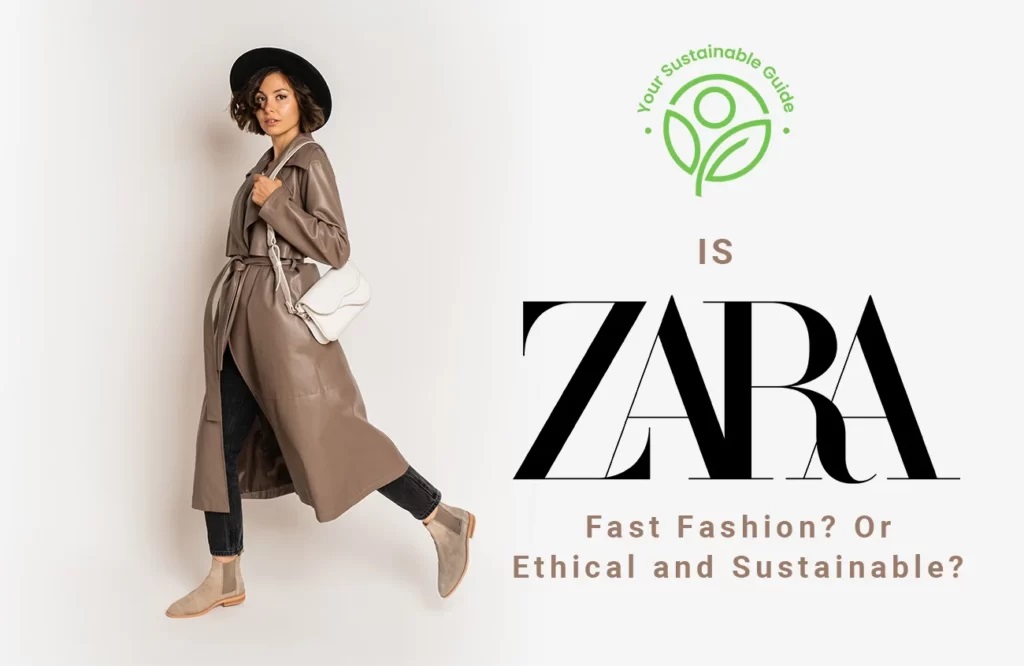
Digital Dominance Redefined: Zara moves past H&M in $100 bn fast fashion bat…
The global fast-fashion sector has reached a inflection point in 2026 where the battleground is no longer only store shelves... Read more
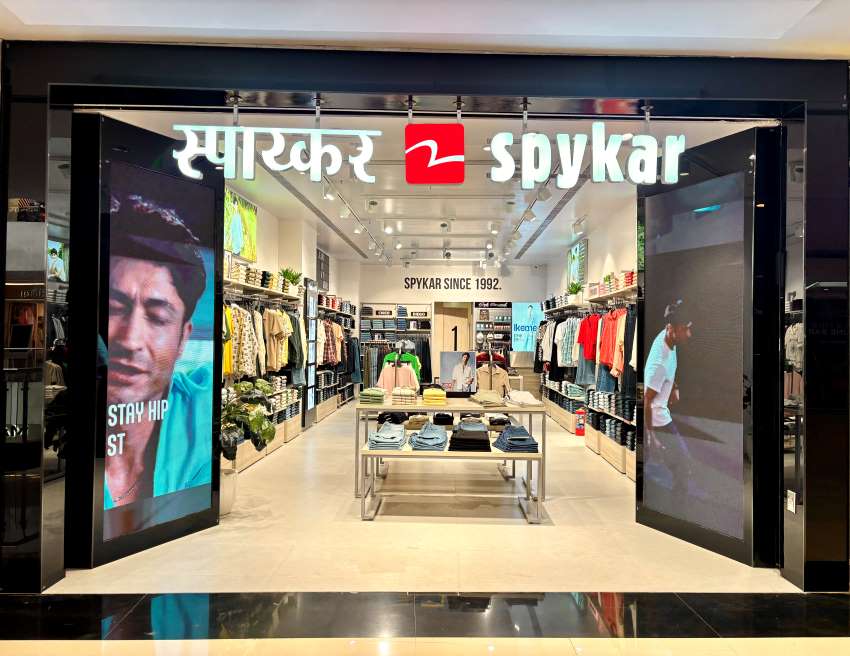
Spykar accelerates offline expansion: plans 100 new stores across India
A titan of the Indian denim-first fashion scene, Spykar has officially unveiled an aggressive retail growth strategy. As consumer demand... Read more
The Inventory Illusion: Rethinking the Zara benchmark in a volatile retail era
For over a decade, the global fashion industry has treated the Zara playbook as the gold standard of inventory efficiency.... Read more
Retail Without Retail: How Walmart’s depot network is turning space into logisti…
Walmart is fundamentally rewriting the commercial real estate and retail logistics playbook with the rise of its ‘Walmart Depots’ a... Read more
Global textile regulation tightens, forcing realignment across fashion supply ch…
Global fashion and consumer goods supply chains are entering a decisive regulatory transition as Extended Producer Responsibility (EPR) frameworks for... Read more