Much of the clothes made today come from countries where workers’ rights are limited or nonexistent. The problems include: dangerous working conditions, 18 hour workdays, no breaks, less than living wages and more are rife. The apparel industry employs 60 million workers around the world, nearly 75 per cent of whom are women.
Human rights violations have increased in the past four years. Since the beginning of the pandemic, health crises, disasters, conflict and widespread human rights violations have increased, straining global supply chains. Over the past five years, issues such as child labor, forced labor, health and safety, and the exploitation of migrants in the workplace have worsened globally for the industry. Apparel manufacturing hubs such as Bangladesh, Vietnam, and Cambodia have all gone from high to extreme risk for modern slavery.
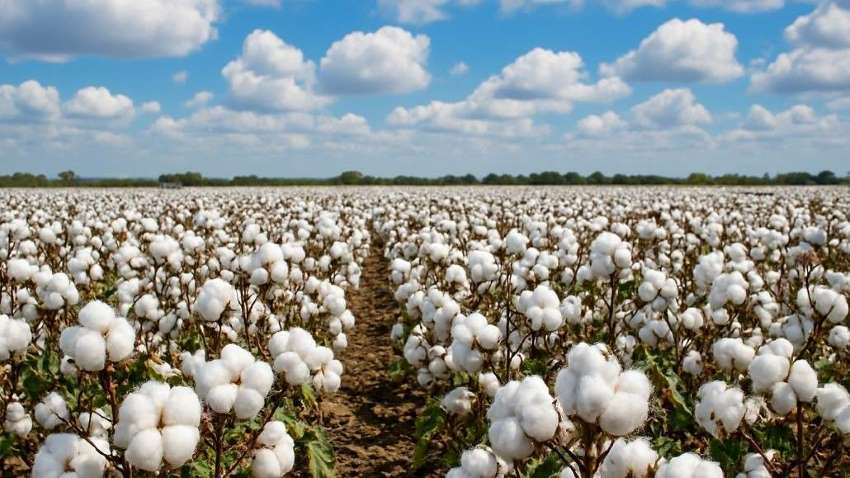
Agricultural workers are actually the lowest paid in the garment supply chain. While garment factory workers are paid around half the living wage, agricultural workers get paid even less in all the four countries. On an average, in Asia, garment workers get about one-third of the minimum living wage. But consumers, in general, are becoming more conscious about how and where their clothes are made. A growing trend for workers’ rights and sustainability seems to be having a knock-on effect for businesses.