CCI hosts event to discuss sustainability in the apparel sector
Cotton Council International (CCI) hosted an event at the International Convention City Bashundhara in Dhaka to discuss the apparel sector's evolving commitment to sustainability, particularly through initiatives focused on traceability and circularity. The event highlighted both progress and challenges in this transformative journey
Acknowledging the momentum toward sustainability, speakers at the event emphasised the importance of aligning with legislative initiatives and industry targets. Amit Gautam, CEO and Founder, Textile Genesis, underscored the significant regulatory shifts driving the industry towards greater accountability and transparency. He outlined key drivers such as regulatory compliance, responsible sourcing goals, and the imperative to authenticate product claims, all aimed at mitigating supply chain risks.
Melissa Bastos, Director- Corporate Strategy and Insights, Cotton Incorporated, shared insights from the 2023 Industry Circularity Survey, revealing a growing consumer awareness of circularity concepts. However, she also noted challenges in expanding circularity initiatives, including cost implications, implementation complexities, and the pricing dynamics of recycled materials.
The discussion reflected a collective commitment to advance sustainability practices, with voices from various stakeholders, including Ali Arsalan representing CCI in Bangladesh, Stephanie Thiers-Ratcliffe from Cotton Council International, and Arif Razzaque from Kiabi International Supply Services Ltd, Bangladesh, etc.
India's MSMEs, a powerhouse of innovation navigating growth challenge: Brozo study

Micro, Small, and Medium Enterprises (MSMEs) are the lifeblood of the Indian economy. A new study by Borzo, a global intra-city delivery service, sheds light on the operational dynamics of these dynamic businesses and the evolving landscape they navigate. The study highlights:
• Since last year, 56 per cent MSMEs have experienced a business growth of 20-30 per cent, debugging slowdown debate.
• Average shipment value of MSMEs is Rs 1.4 million per month
• Customer acquisition, recruitment, packaging and inventory management are the biggest pain points faced by MSMEs
Entrepreneurial spirit at the helm
The survey reveals a strong entrepreneurial spirit within MSMEs, with nearly three-fourths (74 per cent) being owner-driven. This reflects the dedication and risk-taking appetite of individuals who are the driving force behind these businesses. However, MSMEs face a multitude of challenges. Customer acquisition (16 per cent) and recruitment (13 per cent) top the list, highlighting the need for innovative marketing strategies and talent acquisition practices. Additionally, concerns around financing (5 per cent), packaging (12 per cent), and inventory management (11 per cent) pose significant operational hurdles. Borzo's initiative, Borzo Connect, a large-scale MSME conference, aims to address these concerns by connecting entrepreneurs and offering solutions.
A thriving ecosystem
The survey underscores the dominance of intra-city deliveries, with nearly half of MSMEs reporting over 70 per cent of their orders staying within the same city. Major metros like Mumbai, Delhi, and Bangalore are key hubs, with Tier II and II cities like Vadodara and Nagpur emerging as potential growth markets. Interestingly, the product categories are diverse, with food & beverages leading the way (23.1 per cent), followed by apparel & fashion (13.6 per cent). A significant portion (31.5 per cent) operates through both retail and online channels, showcasing a multi-channel approach that caters to a wider customer base.
While the debate on quick commerce with 10-minute deliveries rages on, the study reveals a preference for speed with a quality focus. A majority (59 per cent) of MSMEs prioritize delivery within 60 minutes, underlining the importance of meeting customer expectations and ensuring timely deliveries. Additionally, 72 per cent value both speed and quality for a seamless customer experience. This highlights the understanding that speed alone doesn't guarantee customer satisfaction.
Financial performance and growth indicators
The average monthly shipment value for MSMEs is approximately Rs 1.4 million. Notably, over 95 per cent of MSMEs reported an increase in shipment value compared to last year, with a majority (56 per cent) experiencing a growth of 20-30 per cent. This indicates a positive trend and potential for further expansion. Interestingly, only 21.4 per cent of MSMEs reported a business slowdown, suggesting the sector's resilience despite broader economic concerns.
Sustainability and embracing technology
The survey highlights a positive shift towards environmental responsibility. A staggering 66.6 per cent of MSMEs have adopted sustainable packaging materials like bagasse boxes and cloth bags. This growing focus on eco-friendly practices reflects a responsible business approach. Moreover, a high adoption rate (85 per cent) of supply chain automation suggests that MSMEs are embracing technology to enhance efficiency and scalability in their operations.
Collaboration and support for continued growth
The Borzo reveals a dynamic MSME sector in India. While challenges persist, these entrepreneurial businesses are demonstrating a willingness to adapt and innovate. By addressing pain points like customer acquisition and financing, fostering collaboration through initiatives like Borzo Connect, and promoting sustainable practices, stakeholders can empower MSMEs to thrive. Also, robust logistics assistance, catering to the diverse delivery needs of MSMEs across various cities, will further boost their expansion.
Thus, India's MSMEs are a powerful engine of growth and innovation. By recognizing their challenges and providing the necessary support, stakeholders can ensure that these businesses continue to be the backbone of the Indian economy. Entrepreneurial spirit, willingness to adapt, growing focus on technology and sustainability position MSMEs towards a bright future, propelling India's economic journey forward.
Sandra Stangl quits as President & CEO of Banana Republic
Sandra Stangl, President and Chief Executive Officer, Banana Republic is stepping down from her position. Having led the US apparel firm for just over three years, Stangl tasked with the responsibility of reviving the brand’s declining sales.
However, she failed to achieve this as in Q4 FY23, the net sales of Banana Republic declined by 2 per cent to $567 million compared to the previous year, with comparable sales declining by 4 per cent.
During Stangl's tenure, the brand ventured into new territory by launching a line of furniture and homeware, aiming to position itself as a lifestyle brand.
Announcing the leadership transition in an internal memo, Richard Dickson, President and CEO, Gap Inc, the parent company of Banana Republic, Stangl's efforts in elevating Banana Republic's aesthetic and expanding into new product categories. Dickson emphasised on the need to focus on revitalising the brand's fundamentals to drive both relevance and revenue.
Dickson expressed commitment to working closely with Banana Republic's leadership team to achieve the company's fiscal goals for 2024. Highlighting the upcoming discussion at the Banana Republic Town Hall, he emphasised on the importance of maintaining a vibrant company culture.
Rocky Brands registers 2.2% rise in net sales during Q1FY24
A prominent company known for its high-quality footwear and apparel, Rocky Brands recorded a 2.2 per cent increase in net sales, reaching $112.9 million during Q1 FY24 compared to $110.4 million in the same period last year.
While the company’s wholesale sales declined from $80.1 million to $79.8 million, retail sales grew by 3 per cent to $30.4 million from $29.5 million in Q1 FY23.
Additionally, there was a notable surge in contract manufacturing sales, including military contracts and private label programs, rising from $0.9 million to $2.7 million.
The company’s gross margin for the quarter was $44.1 million, representing 39.1 per cent of net sales, slightly lower than the 39.6 per cent recorded in the previous year. Operating expenses decreased significantly to $36.2 million, constituting 32 per cent of net sales, down from $39.6 million or 35.9 percent previously. This reduction in expenses led to an increase in income from operations to $8.0 million, or 7.1 per cent of net sales, a substantial improvement from $4.2 million or 3.8 per cent of net sales in Q1 FY23, as highlighted in the company's press release.
Net income for the quarter amounted to $2.6 million marking a significant turnaround from a net loss of $0.4 million in the previous year. Adjusted net income also showed improvement, reaching $3.1 million, compared to a net loss of $0.8 million in Q1 FY23.
Inventory levels at the end of March 2024 were reported at $165.1 million, indicating a notable decline of 26.3 per cent from $224.1 million a year ago, and a slight decline of 2.4 percent from $169.2 million at the end of December 2023.
Jason Brooks, Chairman, President, and CEO, states, the company’s first quarter performance reflects a strong start to the year. Cost-saving initiatives implemented throughout 2023 allowed Rocky Brands to allocate a higher portion of its spending towards advertising programs, resulting in stronger-than-expected growth and significant expense leverage.
AATCC's UV protection keynote at STRC
American Association of Textile Chemists and Colorists (AATCC) strengthens its commitment to the textile community by sponsoring and presenting at the Southern Textile Research Conference (STRC) from May 19-21 in Myrtle Beach, SC, USA. As a Bronze Sponsor, AATCC underscores its dedication to fostering innovation and sustainability within the industry.
Under the theme "Emerging Material Technologies and Processes," AATCC's involvement is particularly pertinent. Diana Wyman, AATCC's Executive Vice President, will deliver a keynote titled "Measuring UV Protection for Apparel Fabrics" on May 21. With a robust background in textile test method development and extensive industry engagement, Wyman's expertise promises valuable insights.
The STRC serves as a vital platform for textile stakeholders to converge, exchange ideas, and explore evolving industry trends. Attendees can anticipate dynamic discussions and networking opportunities, illuminating the path toward a progressive textile landscape. AATCC's participation underscores its pivotal role in advancing the sector's collective knowledge and sustainability endeavors.
AR Jeans Producer bags Green Factory Award 2023
Led by Md Rizvan Riasat Aurko Director, AR Jeans Producer was conferred with the Green Factory Award 2023 on the occasion of the National Occupational Health and Safety Day in Bangladesh.
A concern of Fashion Globe Group, AR Jeans Producer received the award for its efforts and contribution to save the environment and create new employment opportunities. One of the top LEED Platinum-certified green factories, AR Jeans Producer is a sister concern of Fashion Globe Group.
The Bangladesh Government awarded 29 companies from 12 sectors with the ‘Green Factory Award 2023.’ These awards recognise their role in enhancing productivity through the use of skilled workforce and eco-friendly technology in safe environments.
To promote the prevention of occupational accidents and diseases globally, the International Labor Organisation (ILO) marks April 28 every year as the ‘World Day for Safety and Health at Work.
Following the ILO’s guideline, Bangladesh has also been observing the day by awarding factories in different sectors in recognition of their initiatives for protecting workers’ health and environmental protection.
Keel Labs teams up with Mr Bailey to unveil the Starboard Vest
Renowned for its pioneering efforts in sustainable textile innovation, Keel Labs has joined forces with London's esteemed independent shoe designer, Mr Bailey, to unveil their latest creation-the Starboard Vest. Crafted from the revolutionary Ketsun fiber, this garment takes inspiration from life jackets, marrying functionality with eco-conscious design.
The Starboard Vest is intricately knit using a 50/50 blend of Kelsun fiber and cotton, boasting three distinct layers of varied knit constructions. Employing a trapunto technique, the vest seamlessly integrates its exterior shell with contrasting ribs, enhancing both aesthetics and structural integrity. Mr Bailey's ingenuity shines through as he opts to exclusively fill the vest with 100 per cent Kelsun fiber, mimicking the buoyancy of life vests commonly found aboard marine vessels.
While Keel Labs remains steadfast in its mission to harness the transformative potential of the ocean for the textile industry and beyond, Mr Bailey draws inspiration from nature, particularly marine life cycles such as jellyfish, to shape his design ethos. The synergy between Kelsun's oceanic origins and Keel Labs' commitment to sustainable alternatives align seamlessly with Mr Bailey's ethos, expanding his repertoire at the intersection of nature and technology.
This collaboration not only exemplifies the marriage of innovation and sustainability but also underscores the profound impact that conscious design practices can have on shaping a more environmentally responsible future.
GTIL expects 30% rise in revenues by 2027
Gujarat headquartered prominent textile player, Globe Textiles India (GTIL) expects a 30 per cent uptick in revenue and a top-line of Rs 520 crore by 2027 on consolidated basis. The company had reported revenues worth Rs 399.4 crore in Dec’23.
GTIL currently has a production capacity of 2.5 lakh sq ft, and manufactures over 36 million meter of fabric and 2.5 million bottoms per annum. The company recently acquired Globe Denwash, an environmentally friendly facility with a Zero Liquid Discharge system and partly solar generation which minimises energy costs while using green energy.
Bhavin Parikh, CEO, Globe Textiles (India) says, the company remains dedicated to maintaining open communication and transparency with its stakeholders, including shareholders, employees, customers, and regulatory bodies.
Dirty Cotton in Your Clothes: Fast fashion giants slammed for environmental damage

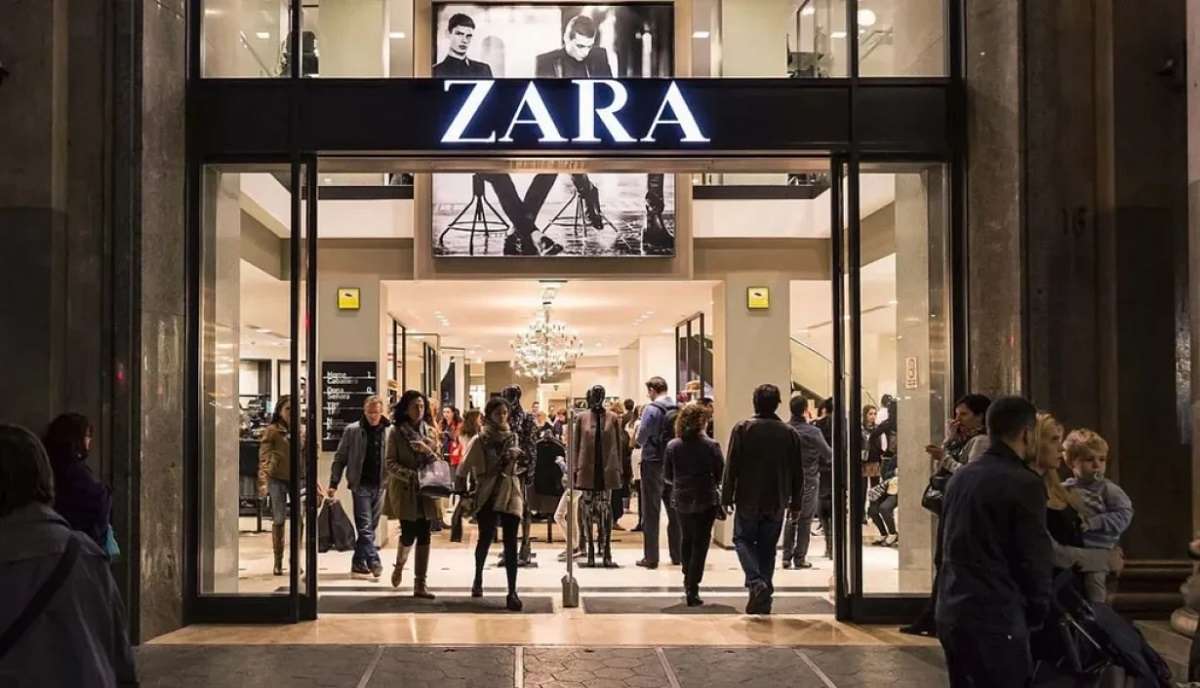
A damning report by Earthsight, a UK-based environmental watchdog, has linked popular clothing brands H&M and Zara to environmental devastation in Brazil. The report alleges these brands are using cotton grown through illegal deforestation, land theft, and violence in the ecologically crucial Cerrado savanna.
What is Dirty Cotton?
The term "dirty cotton" refers to cotton cultivated using environmentally destructive practices. This includes clearing land for farms through illegal deforestation, seizing indigenous territories (land grabbing), and violence against local communities. The destruction of the Cerrado savanna, a vast tropical grassland region, threatens the region's unique biodiversity and weakens the planet's ability to store carbon dioxide, accelerating climate change.
Brands under scrutiny
While the report primarily focuses on H&M and Zara, the issue likely extends to other fashion brands that source cotton from Brazil. Neither H&M nor Zara have commented publicly on the report. However, the investigation raises serious questions about the effectiveness of cotton sustainability certifications. Better Cotton, a leading certification body, deemed the tainted cotton "sustainable" despite evidence to the contrary. Earthsight argues that recent updates to Better Cotton's standards contain loopholes, allowing cotton grown on illegally cleared land before 2020 to be labelled as sustainable.
Taking action
Earthsight is calling for a multi-pronged approach to address this issue:
Stricter regulations: Consumer choices alone are not enough, argues Earthsight. Lawmakers in major consumer countries need to implement stricter regulations to hold companies accountable for their entire supply chains.
Scrutiny of certifications: The oversight failures of Better Cotton highlight the urgent need for stricter certification processes that genuinely reflect sustainable practices.
Consumer power: Consumers can play a role by choosing to support sustainable clothing brands and avoiding fast fashion retailers. This will put pressure on the industry to clean up its act.
The road ahead
While some progress is being made, with Better Cotton conducting audits of the Brazilian farms and Inditex (Zara's parent company) demanding more transparency, significant change requires stricter regulations and continued pressure from consumers. Only then can the fast fashion industry be held accountable for its environmental impact.
EU Cracks Down on Forced Labor: A look at the new anti-slavery regulation
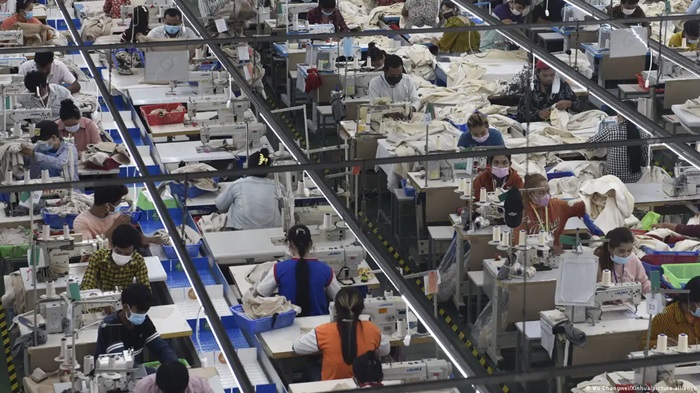
The European Parliament has taken a significant step towards eradicating forced labor from its market. They've approved a new regulation that prohibits the sale, import, and export of goods produced using forced labor within the EU. This marks a major development in the fight against modern slavery and human rights abuses in global supply chains.
Decoding the new rule
This new regulation empowers the EU to ban the import, export, and sale of goods produced using forced labor. National authorities and the European Commission will have the power to investigate suspicious products and their supply chains. Products deemed to be linked to forced labor will be barred from the EU market, including online retailers. Manufacturers of such products will face consequences like product withdrawal, fines, and potential bans until they can demonstrate a clean supply chain.
The garment industry, notorious for its complex supply chains, is likely to be significantly impacted. Cheaper clothing lines that rely on opaque supply chains are more likely to be impacted. Importers will now face stricter scrutiny to ensure their products are free of forced labor. This could lead to:
• Increased due diligence by companies to map their supply chains and identify potential forced labor risks.
• Disrupt garment imports from countries with a high risk of forced labor.
• Diversification of sourcing to countries with better labor practices.
• Price hikes for consumers as companies factor in the costs of ethical sourcing.
The regulation doesn't target a single sector within garments, but rather focuses on production methods. However, sectors with a complex supply chain and a history of forced labor concerns, like cotton production, might face increased scrutiny.
What’s more, while the regulation applies globally, countries with documented instances of forced labor, such as Turkmenistan and China, are likely to face the most significant impact. The EU can now directly request these countries to investigate suspected forced labor practices within their borders. Also, the EU can launch investigations into products suspected to be made with forced labor in these countries and request inspections from their governments.
Impact on consumers
Consumers might see a price increase for some garments due to stricter sourcing and potential supply chain disruptions. However, this regulation also empowers them to make more ethical choices. With increased transparency about a product's origin and labor practices, consumers can choose brands committed to ethical sourcing. This could lead to a shift in consumer behavior towards brands that prioritize ethical production. Also, it could lead to a growth of sustainable and fair-trade fashion brands.
The long-term impact of this regulation remains to be seen. However, it's a clear message from the EU that forced labor will not be tolerated in its market. This could have a ripple effect, pushing for global reforms in labor practices and empowering consumers to make informed choices.
More...
G7 Gets Tough on Fashion's Dirty Laundry: A fight for a sustainable future

The fashion industry, long lauded for its creativity and trendsetting power, now faces a harsh reality check. The G7, a group of leading industrialized nations, recently took a significant step towards addressing the industry's substantial environmental impact. This article delves into the intricate relationship between fashion, climate change, and the G7's evolving approach.
Fashion's environmental footprint a concern
The environmental cost of clothing is staggering. A McKinsey report reveals that textile production generates more greenhouse gases annually than international flights and maritime shipping combined. Fast fashion, characterized by mass-produced, low-cost garments with short lifespan, is a major culprit. Environmental groups highlight the excessive water consumption, hazardous chemical use, and overflowing landfills in developing countries burdened with textile waste. The European Environment Agency emphasizes the urgency for a "circular economy" focused on reuse and repurposing materials to meet climate goals.
G7 Steps Up focus on sustainability
The G7's statement on April 30, 2024, marks a turning point. This is the first time the group has explicitly addressed the environmental impact of textiles. French minister Christophe Bechu emphasized the need for a "more circular" fashion industry, with a focus on recycling and reducing waste.
It's expected to lead to concrete actions, including:
• Increased producer responsibility: This could involve holding clothing manufacturers accountable for the environmental impact of their products throughout the lifecycle.
• Improved supply chain transparency: Greater visibility into production processes can help identify and address environmental issues.
The road to sustainability
Indeed, the road to a sustainable fashion industry won't be easy and is fraught with challenges:
Changing consumer behavior: Moving away from the fast-fashion mentality and encouraging a "buy less, buy better" approach.
Innovation in textile production: Developing new, eco-friendly materials and production processes.
Strengthening regulations: Implementing stricter environmental standards for the fashion industry.
Supply chain transformation: Encouraging responsible practices throughout the entire production chain, from raw material sourcing to manufacturing and disposal.
While the G7's statement is a significant step, it's not the first time sustainability has been addressed in fashion. The Fashion Pact, a voluntary initiative signed by leading fashion companies, aims to achieve specific goals in climate, biodiversity, and ocean protection. The success of these efforts depends on collaboration between governments, industry leaders, and consumers. By shifting towards circular models, embracing innovation, and making conscious choices, the fashion industry can become a force for positive change.
VDMA urges EU to act faster on trade agreements
On May 1, 2024, as the Free Trade Agreement (FTA) between the EU and New Zealand takes effect, Thilo Brodtmann, VDMA Executive Director, heralds it as a beacon of hope for European machinery and equipment manufacturing.
Brodtmann emphasizes the agreement's role in slashing New Zealand's machinery tariffs and fostering fair competition. Nevertheless, he calls for enhanced EU commitment to expediting trade agreements and criticizes the prolonged stalling of vital pacts like the one with Mercosur states.
Brodtmann advocates for a streamlined approach, urging the EU to prioritize EU-only agreements to circumvent lengthy national ratification processes. He asserts that excessive politicization of trade agreements hampers progress and suggests separating social and environmental considerations from trade negotiations.
Brodtmann's remarks underscore the urgency for the EU to adopt a pragmatic stance and streamline its trade policy to bolster European industries and global economic integration.
Bluesign CEO to lead sustainability at PPAI Conference
Daniel Rufenacht, CEO of Bluesign technologies ag, will take center stage at the upcoming Promotional Products Association International (PPAI) North American Leadership Conference in Salt Lake City, Utah, from May 5-7, 2024.
The event, boasting over 14,000 members, gathers industry leaders in promotional products and services. Rufenacht will join a distinguished panel including Josh Ellis, Editor-in-Chief of PPAI, and Steven Baumgaertner, CEO of Cybergroup International, a bluesign system partner.
Their panel, "European Union: An International Partnership Models the Possibility of Sustainable Solutions," will delve into challenges facing the industry and spotlight opportunities for US companies to adopt sustainable practices.
With sustainability gaining momentum in North America, Bluesign aims to lead the charge by advocating for greener supply chains and conscious chemical management.
Rufenacht's participation underscores Bluesign's commitment to transforming the industry. Leveraging their expertise in chemical stewardship and sustainable manufacturing, Bluesign aims to inspire widespread change.
This pivotal discussion signals a shift towards eco-conscious promotional products, echoing Bluesign's ethos: sustainability is imperative, not optional. Pre-panel interviews with Rufenacht, Dale Denham (President and CEO of PPAI), and Baumgaertner offer insights into the impending industry transformation.
Gap unveils 2023 ESG Report: Sustainability & inclusion update
Gap Inc. has unveiled its highly anticipated 2023 Environmental, Social, and Governance (ESG) Report, marking a milestone twentieth year of sustainability reporting and nearly three decades of dedicated sustainability efforts. The report showcases the retail giant's strides in fostering sustainability, resilience, and inclusivity within its diverse portfolio of iconic brands, which include Old Navy, Gap, Banana Republic, and Athleta.
CEO Richard Dickson underscored the company's enduring commitment to bridge societal divides, echoing the ethos established by founders Don and Doris Fisher over five decades ago. He emphasized Gap Inc.'s aspiration to forge a world where purpose and profit harmonize, propelling initiatives that enhance both human and environmental well-being.
Gap Inc.'s accolades in the past year include being ranked first in retail on Newsweek's "America's Most Responsible Companies" list and securing its eleventh consecutive inclusion in the S&P Global Dow Jones Sustainability Index.
In FY2023, the company spearheaded three pivotal initiatives aimed at addressing pressing global challenges. These include the Women + Water Collaborative, the Global Water Innovation Centre for Action, and the Rise program, all geared towards advancing gender equity and enhancing water stewardship across its supply chain.
Key highlights from the report include empowering over 2.5 million individuals in the apparel industry with improved access to clean water and sanitation, as well as the successful engagement of more than 19,600 youths through Old Navy's This Way Onward program. Notably, Gap Inc. achieved significant milestones in sustainable sourcing, with 98 per cent of cotton utilized sourced sustainably.
Moreover, Gap Inc.'s commitment extends beyond its operational boundaries, evidenced by its adherence to ESG standards such as the Global Reporting Initiative (GRI), the Sustainable Accounting Standards Board (SASB), and the Task Force on Climate-Related Financial Disclosures (TCFD). The company remains steadfast in its alignment with the United Nations' Sustainable Development Goals (SDGs) and Global Compact principles.
Gap Inc.'s 2023 ESG Report serves as a testament to its unwavering dedication to driving positive change while embracing transparency and accountability in its operations.