Suryalakshmi builds fourth spinning mill in Amravati
Suryalakshmi has commissioned a fourth spinning mill to produce value-added and premium fancy yarns. The plant in Amravati, a cotton producing hub, will take the total capacity of the mill to 87,000 spindles. The plant includes fully automated, state-of-the art imported spinning technology. The company anticipates annual revenues of Rs 150 crore plus from this plant alone.
Suryalakshmi Cotton Mills is an integrated yarn to garment manufacturing company. With commencement of operations at the new plant, it can significantly cut down its dependence on third-party vendors for procuring yarn, enabling better quality control and increased cost efficiencies.
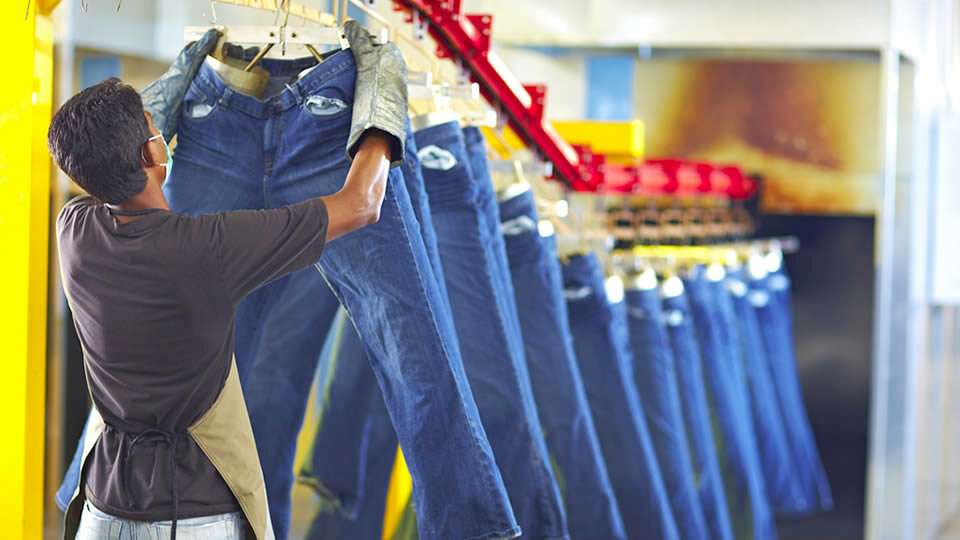
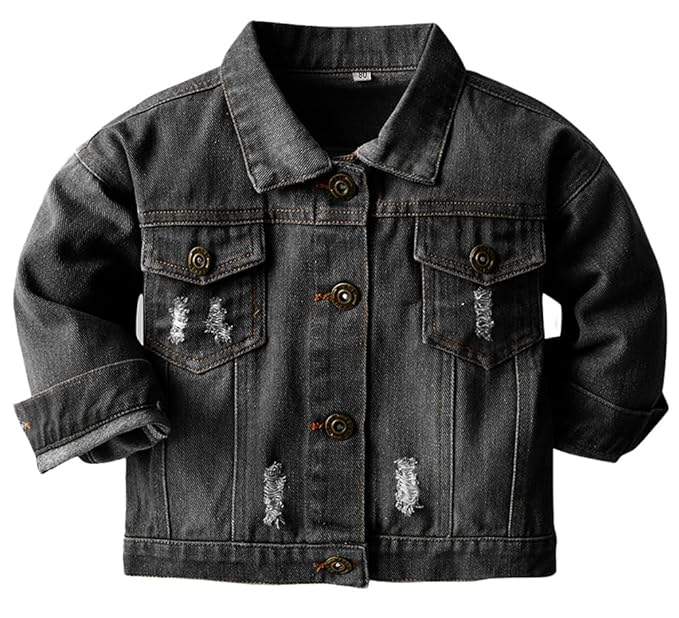
Due to the location, which is a cotton belt in Maharashtra, the unit has abundant access to high quality raw material and labour. The high value yarns produced in this plant would be used for captive consumption in its denim division. It will enable Suryalakshmi to be in sync with the latest trends in the world of denim and cater to global and domestic fashion demands more effectively.
Founded in 1962, Suryalakshmi manufactures yarn, denim fabric and garments for leading private labels, fashion brands and retail chains in 29 countries across the globe. It is also a leading producer of denim fabric in India with a capacity of 40 million meters per annum.
www.suryalakshmi.com
Spinning mills in Tamil Nadu to get a boost from NTC
Cooperative spinning mills and National Textile Corporation (NTC) units in Tamil Nadu, as well as the private sector, are putting in efforts for modernisation and value-addition, though the textile sector is going through a challenging phase with a dip in demand.
The State government had sanctioned Rs 175 crores for modernisation of six cooperative spinning mills, which were completed in July, said officials. From blow room to spindles, there was complete modernisation of these six mills and trial run is on at present. Also, the Tamil Nadu Textile Corporation (TNTC) has invested of Rs 5 crore, and commissioned a new loom shed, with 10 shuttle-less looms at Kurichi.
For the free dhoti and sari scheme, production of school uniform and to meet the requirements of various government departments yarn and fabric from the cooperative spinning mills and the TNTC is used. Productivity and quality will improve and more number of people will be employed with the modernisation and the new loom shed, according to officials.
Consolidation and modernisation is being considered by NTC, which has seven mills in the State. Two years ago, it had taken up capacity addition in two mills and invested in modernisation between 2008 and 2010. A Arulsamy, Executive Director (South) said this has helped the mills improve productivity, reduce costs and improve quality. However, another round of consolidation and modernisation is needed now.
Ntcltd.co.in
Texworld Paris – Exhibitors satisfied with positive business prospects


13,075 visitors from 109 countries - the same as in September 2014 - made this 37th event generally steady, but with a slight increase in the number of visitors from the Americas in particular. Fluctuations in rates of exchange disadvantageous to Europe and economic crises undoubtedly played a part, but, as many exhibitors said, many American buyers could not attend due to religious holidays.
Considerable rise in French visitors
Michael Scherpe, CEO of Messe Frankfurt France, commented, "I noticed a significant rise in the number of French visitors in February 2015. This has persisted this time round, because France is becoming the leading country of origin of our visitors, with a marked rise of almost 12 per cent. I am delighted that Texworld Paris' offer meets the expectations of French buyers in every respect, all the more so because we have applied much more rigorous selection criteria, which have brought about an expansion in the range of exhibitors' offers, particularly in respect of creativity, style and aesthetics, in perfect harmony with current trends and "western" tastes.”
Messe Frankfurt France took over halls 2 and 4 at the Le Bourget Exhibition Centre, staging a new concept. Much more open stands, easier movement through the aisles and clearer, more evident division allowed visitors to refine their search for exhibitors whilst still making new discoveries. The new layout was greatly appreciated not only by visitors, but also by exhibitors.
Pankaj Srivastana, General Manager of Shahi Exports, said, “Texworld Paris is really well organised. It was very easy for us to locate good products and new suppliers. Even our most recent fashion requirements were met.” Added Gijsbertha Dancery, an independent materials buyer, “I come especially to see the latest trends, but this time I found the fair very welcoming. Far more open stands are very hospitable. They tempt us far more to discover the collections.”
First time visitor, Dhanarat, Managing Partner at VGS Exports, said “Texworld Paris has proved an excellent trade fair for purchasing. What I like is that you can find fabrics for garments and accessories under one roof. I shall be back next time.”
Except Russia, fair saw rise in international visitorsApart from France, which is taking over the lead in Europe, ahead of the UK and Spain, a pronounced increase in the number of professionals from Tunisia (38 per cent) and Morocco (18 per cent) was observed. Portugal, a major buyer of garments, confirmed this trend at 17 per cent, as did Romania, which was very much in evidence this time, at 51 per cent.
Problems associated with difficulties in relations between Europe and Russia were however felt to a great extent. Russian visitor numbers did not rally (-25 per cent). In contrast, Ukraine held its own at 51 per cent. Asia as a whole remained remarkably stable (1 per cent). Hong Kong registered a score of 48 per cent, underlining its craving for creative, top of the range products. The UAE were up 11 per cent and Australian visitors increased by 11 per cent. All three trade fairs maintained their international leadership in France, with 88 per cent of visitors coming from outside metropolitan France.
Overall business sentiment picking up
On the business front, "everything is going Ok" became the exhibitors' watchword at this event. It was the expression heard most frequently at the fair, from the opening onwards. The exhibitors were happy to see many existing clients and also to observe a previously unseen interest in their collections from new buyers. Messe Frankfurt France's adoption of a policy of selecting exhibitors by stricter criteria, particularly their satisfaction of trending fashion criteria, has borne fruit. Visitors were genuinely able to experience an expansion in the range of exhibitors' offers.
This was particularly underlined by the success of two aspects of Texworld Paris - steadily-increasing interest in the small order itinerary, featuring more than 150 exhibitors, offering to take orders for small quantities from fashion designers and niche businesses and interest in ecological and/or fair-trade fabrics were well highlighted by the trends in ‘My Sustainable Forum’, in collections by around thirty established exhibitors, but also in the general offer, which saw fibres such as linen and hemp flourish. It should be added that there was sustained interest in technical, intelligent fabrics with new functions at the first-ever Avantex trade fair, held within the framework of Texworld Paris.
The programme of daily presentations appealed to the audience and those dedicated to world fashion trends were packed out. On Wednesday, September 15, 2015, Texworld Paris welcomed Xu Ying Xin, the Executive Vice-President of CCPIT-Tex, the Chinese Textile Industry Chamber of Commerce, to discuss the current state of the industry in the light of China's recent economic history. Next edition of Texworld Paris will be held February 15 to 18, 2016.
www.texworld.messefrankfurt.com
Kudumbshree partners with NIFT to organises training programme for women
A project aimed at identifying and training women with aptitude and skill in garment manufacturing under the Kudumbshree fold, ‘Vastramandalam’ was started in Kozhikode recently. Kudumbashree was launched in 1998 as a community network that would work in tandem with local government for poverty eradication and women empowerment.
The National Institute of Fashion Technology, Kannur, will train 500 women above 18 years of age belonging to the Kozhikode South constituency, in the first phase. Employment for these women will be ensured through Micro Business Hub. Women with skills in stitching were selected on the basis of an aptitude test, practical test, and interview.
MK Muneer, Minister for Social Justice and Panchayats, inaugurated a mobilisation camp to identify the beneficiaries of the project in its first phase. M Radhakrishnan, Welfare Standing Committee Chairman of Kozhikode Corporation presided over the inauguration function. Also, present were Kudumbasree District Mission Coordinator TP Muhammed Basheer and Assistant Coordinator Syed Akbar Badusha Khan during event.
www.nift.ac.in
www.kudumbshree.org
Chanderi saris to get support from the state government
The much-popular Chanderi saris are to get a boost with the State Government extending every possible assistance, to take it to new heights.
Anthony de Sa, Chief Secretary, while inspecting sari manufacturing process at weavers’ houses at Chanderi, said that better avenues for craft of weavers will be explored through use of modern technology. He added that Chanderi weavers will not be allowed to face any problem and that the State Government would make efforts to resolve all their problems at by chalking out an action plan.
Thus, skilled weavers from Banaras and Bengaluru will impart training to the weavers and angle looms will be set up in place of wooden looms and punching machines will be installed for computerised designs. Besides, job cards too, would be provided to registered farmers. The Chief Secretary also visited and inspected under-construction Handloom Park costing Rs 50 crores on 4.19 hectares at Chanderi. This park is slated to have a facility to impart global level training to 240 weavers and there will be a computerised design centre to promote online sale and marketing of Chanderi saris. There will also be a yarn bank where weavers will be able to acquire all types of silk and other threads for saris at fair prices.
The Chief Secretary further added that Chanderi’s ancient heritage will be preserved and that Chanderi clothes will be linked with tourism and they will also get a trade mark.
Synthetic fiber prices down 21.7 per cent
Global synthetic fiber prices fell by 21.7 per cent in September, their steepest monthly decline in more than six years. Declining oil prices, currency devaluations in key textile production regions and slowing global demand due to curtailed economic growth in demand are all contributing to the decline.
After rising abruptly in late August, crude oil fell slowly and steadily throughout September, finishing the month at around two per cent down for the month. In Asia, the world’s largest fiber-producing region, synthetic fiber prices fell by 25 per cent year-over-year, the biggest year-over-year drop since early 2009.
Low capacity utilisation rates, hovering around 76 per cent, small orders due to expected price volatility and tightening liquidity have resulted in a slowdown in Chinese demand rather than the pick-up usually seen at this time of the year. Chinese demand for staple has been slightly better than for filament and is expected to get a boost from seasonal demand for fiberfill in outer wear for local consumption and exports.
The European synthetic fiber price index fell by almost 22 per cent compared to September 2014. The US index fell by almost 16 per cent in September, the least of any major world region, but its biggest monthly drop since August 2009.
Kusters Calico unveils two new washing concepts
Kusters Calico Machinery offers wet processing concepts for woven and knit fabrics. It has now come up with two new washing concepts, which will showcased at the forthcoming ITMA 2015 exhibition to be held in Milan, Italy. The super flush washer can handle sensitive woven fabrics from voiles to lycra. The flush master caters to requirements of pile fabric processing and print washing of tension-sensitive synthetic home furnishing fabrics with high twist yarns.
Both washers consume very little water. In the super flush washer, the combined washing effect of both horizontal as well as vertical washing produces a penetrative, diffusive and turbulent effect. The distance between the two fabric guiding rollers is very short. The tension control is through the load cell. The company opened in 1996. Kusters Calico currently exports around 70 per cent of its production to other countries.
The company is also expanding its business in coating and lamination technology. It is currently initiating factory expansion with a dust proof assembly shop to meet the growing demand and quality expectations of customers. This new expansion will help it deliver in shorter lead times and meet customer deadlines.
Kusters Calico, based in Gujarat, is a subsidiary of the German-based Jagenberg Group. Jagenberg caters to European markets and the OEM requirements of European machine manufacturers.
www.kuesters-calico.com
India’s textile sector may not get interest subsidy any more
The government intends to rationalise various dole-out-based schemes; in light of that it plans to tweak the Technology Upgradation Fund Scheme (TUFS) in the textile sector and may end interest subsidy provided to mills against investments made by them.
The government may offer only capital subsidy or a similar form of support for investments under the new scheme, while details are being worked out in consultations with the Prime Minister’s Office (PMO). Under the TUFS, the government, at present provides interest subsidy up to 6 per cent, capital subsidy up to 30 per cent in the form of a grant and support under the margin money scheme (another form of capital subsidy). Budget allocation for subsidy payment has already been cut back to Rs 1,521 crores for 2015/16, compared with Rs 1,864 crores a year before.
The government wants to remove various interest subsidies across sectors to curb their distorting effect on the interest rate market. Replacing interest subsidy with other forms of support such as viability gap funding and upfront capital subsidy, aimed at ensuring better transmission of the monetary policy, is the government’s aim.
Farmers and exporters have been the biggest beneficiaries of interest subsidies so far. The government’s major interest subsidy outgo, including for subventions on short-term credit to farmers and export promotion, is budgeted at Rs 14,903.42 crores for 2015/16, compared to Rs 11,147.17 crores in 2014. However, this amount doesn’t include the subsidy payment under the TUFS.
India tops used clothes imports
India is the biggest importer of worn clothing and textiles in the world. In 2013 India’s total imports of used clothes were 4.3 per cent of total global imports. India was followed by Russia and Pakistan; both these countries accounted for 3.9 per cent of global imports of used clothes. The top three exporting countries in the year were USA, UK and Germany.
There are two categories under which used clothes are imported in India, wearable and mutilated. The import of wearable clothes requires a license from the government, with the condition of 100 per cent re-export. This segment constitutes about 30 per cent of used clothes imports. Import of mutilated clothes does not require government approval and accounts for nearly 60 per cent of worn clothing imports. The yarn extracted from mutilated rags and woolens is used to make blankets.
While new imported garments attract an import duty of 15 per cent, used clothes can be imported at a much cheaper rate. Between 2010 and 2013, India’s imports of used clothes and textiles increased by more than 200 per cent. Panipat is the home to the world’s largest shoddy wool industry, which supplies, low-quality blankets across India, south Asia and east Africa to the poor, while slightly better versions are commissioned by institutions such as railways, prisons and the army.
Germany to help Bangladeshi garment industry
Germany will continue helping Bangladesh develop its garment sector. Bangladesh wants German cooperation in the field of solar power. It wants help in setting up coal-based power plants. Germany will put emphasis on expanding cooperation in the energy and leather sectors.
Bangladesh has teamed up with the International Labor Organization (ILO) and Germany to develop an Employment Injury Insurance scheme. This will initially be meant for the readymade garment industry. It may then be extended to other industrial sectors. Legislative issues will be addressed and national institutional capacities will be improved.
ILO actively promotes policies and provides assistance to countries to help extend adequate levels of social protection to all members of society. The need for setting up a mechanism to deliver compensation in the aftermath of the Rana Plaza tragedy highlighted the need for an Employment Injury Insurance scheme. Workers will receive payment in case of injury, while employers will benefit from low-cost and no-fault accident compensation insurance for workers.
This scheme is expected to benefit the lives of millions of workers, support businesses and enhance the reputation of Bangladesh’s industry worldwide.
More...
Debut Avantex fair reports buoyed visitor response
The first Avantex trade fair, an initiative by Messe Frankfurt France dedicated to high-tech fabrics and R&D for the fashion of tomorrow was held concurrently with Apparel Sourcing fair. It drew the attentive curiosity of visitors and exhibitors at the Le Bourget Exhibition Centre.
Avantex was perceived as a significant indicator and catalyst of an ongoing trend in the fashion industry towards more technological, more connected, multi-functional aspects. “We wanted Avantex to drive fashion into the future, which was exactly what fashion product designers and directors wanted. With the invaluable support of the Taiwan Textile Federation, we brought together 28 exhibitors who offered a host of techniques; encapsulation, intelligent micro systems, conductive textiles, thermal solutions and new digital processes and high-tech materials which are - unusually - already available for immediate use in garments,” said Michael Scherpe, CEO of Messe Frankfurt France.
By the evening of September 16, 2015, 13,075 visitors from 109 countries had arrived at the venue. Especially visitors from France increased 12 per cent, for whom the subject was particularly apposite in view of the current atmosphere on the domestic textile market. Visitors from China up one per cent and Hong Kong - up 48 per cent also appreciated the Avantex offer.
The 17 exhibitors from Taiwan were offering multifunctional fabrics, highly technical and high-performing, featuring moisture transfer, quick drying, UV protection, insulation, anti-bacterial, deodorising and antistatic properties, expandable in four directions, etc, in colours and patterns.
The dedicated, highly eclectic forum, staged by Louis Gérin and Grégory Lamaud, was a perfect expression of the skills and technologies available to integrate collections of garments and accessories. A programme of 14 well-frequented presentations allowed the general vision of combining fashion with promising technologies to be defined more precisely and adopted. The participating experts addressed emerging subjects and prospects such as fascinating applications of intelligent textiles, linen of the future, 3D printing and the meld of electronics and fashion.
Avantex also celebrated the alliance between contemporary design and intelligent textiles at a fashion show featuring outfits produced by students at ESMOD under the tutelage of Eymeric François, emeritus fashion designer.
www.avantex.messefrankfurt.com
Apparel Sourcing emerges as the prime industry platform
Leading European trade fair for garment sourcing - Apparel Sourcing, concluded recently. Its exhibitor list puts accessory sourcing at the forefront with the established shawls & scarves and accessories areas. Held at Le Bourget from September 14 - 17, 2015, Apparel Sourcing was attended by 400 exhibitors, who crowned it the garment and accessory industries' leading trade fair for manufacturing.
Part of the Texworld Paris constellation of trade fairs, Apparel Sourcing benefited from general glowing reports by French visitors, whose numbers had leapt 12 per cent by the 3rd day, making France the leader among the top five sources of visitors from European nations. Strong growth in the number of professionals from Tunisia representing a rise of 38 per cent, Morocco with 18 per cent, Portugal with 17 per cent and Romania with 51 per cent and other major manufacturing countries confirmed the potential and advantages of Apparel Sourcing for production which meets the demands of fashion labels in full.
It is a platform for skills in the production of ready-to-wear clothing and accessories for men, women and children of 14 countries, most of them in Asia: China, Hong Kong, India, Pakistan, but also including Korea, Turkey, Switzerland, Sweden and France. In September 2015, two new national pavilions from Bangladesh and Vietnam, underlined the variety of solutions available. Bangladesh's offer, already represented in a piecemeal fashion, has expanded into a squad of almost 13 exhibitors, well acquainted with European requirements through their attendance at previous French trade fairs.
In the case of Vietnam, the 11 exhibitors sponsored by the Vietnam Textile & Apparel Association concentrated on a casual/sportswear and accessory range, and were delighted with the commercial contacts they made.
www.messefrankfurt.com
Iconic American clothing brands face a bleak future

What led to the downfall of these labels? Retailers are realising that while Gen Y loved brands and loved donning their logos, Gen Z didn’t really care much for that. They, instead pick disposable fast fashion from stores such as H&M, Century 21, and Uniqlo. And, there are three more brands in the pipeline that may face the same fate as the others unless they change their ways.
Brands face a bleak future

Abercrombie & Fitch is one among brands that are going down. Their marketing ethic and logo-centric clothes of ‘for cool kids only’ clearly stated that it was meant for a certain category of customers. The brand eventually started selling plus-sized clothes; it even got rid of the models in its stores, to attract good-looking shoppers. However, it still sells a surplus of outfits with the Abercrombie name on them.
The brand’s quarterly sales have dipped for 10 straight quarters, even at Hollister—its surf shop-cum-fast-fashion concept. Abercrombie is going ahead with its plan in a big way to open 15 new stores internationally this year, though the strong dollar is wrecking havoc on companies reconciling foreign currencies back to the US.
Year-to-date losses of the brand increased six-fold from the same period in 2014, even with a $408 million cash backup. This suggests that Abercrombie & Fitch may eventually succumb.
Gap's decision to remake all its stores into fast-fashion houses shows that it's following, not leading the retail industry. This happens when one chases fashion trends, instead of leading them. For 14 straight months, comp sales are down and the situation seems bleak. Gap is looking to turn its namesake stores and Banana Republic shops into disposable-clothing retailers too. While its Old Navy concept look as though it has successfully made the leap to fast fashion (second-quarter sales were up 3 per cent).
Art Peck, CEO, assured analysts, the retailer wants to layer the supply chain success of Old Navy onto its other concepts in time for spring 2016. The brand feels all its stores should do more than just dabble in disposable fashion, though ‘chic to cheap’ hardly seems to be the way to grow sales.
In the last quarter, Gap's comps were down 7 per cent, and Banana Republic's dipped 10 per cent. Thus, it needs to pull up its socks, and Abercrombie has proved that merely transforming a concept into a fashion-forward store does not spell success.
Another ones bites the dust
Guess’s second-quarter earnings dipped 17 per cent to $18 million, with per-share profits falling 19 per cent from the year-ago period to $0.21 as currency fluctuations swiped $0.10 per share. Sales in the Americas were down 5 per cent, and its e-commerce division suffered a 3 per cent drop.
Overseas too, the brand is struggling with sales in Europe down 4 per cent, and in Asia dipping 6 per cent; all this without any currency fluctuations. For three years, revenues have declined causing it to shut nearly 30 stores so far in 2015. Within the next year, 50 more would down shutters in a bid to control costs.
These retailers, seems to be dying a slow death, though each one has a unique opportunity to reverse the course they've set. Even if they don't regain their former glory and growth trajectories, they could still provide investors with meaningful returns.
www.gap.com
Indian spun yarn exports continue growth
Indian spun yarn exports maintained their growth tempo in August 2015. After rebounding in June and July, exports grew 21.5 per cent in volume terms while the rise in value terms inched up three per cent.
China continued to propel yarn exports from India, although unit value realisations continued to decline. During August, 83 countries imported spun yarn from India, with China accounting for 44 per cent of the total value, with its imports rising 88 per cent in terms of volume and 67 per cent in value year on year. Bangladesh, the second largest importer of spun yarns, accounted for more than 11 per cent of all spun yarn exported from India. However, exports to Bangladesh increased 17 per cent in volumes and three per cent in value.
Egypt, the third largest importer of spun yarns, saw volume and value down one per cent and 18 per cent year on year. These three top importers together accounted for close to 60 per cent of all spun yarn exported from India in August.
Lithuania, Bahrain, Costa Rica, Cambodia, Romania, Canada and Argentina were the fastest growing markets in August, more than doubling their imports from India. However, they together accounted for only 1.3 per cent of total exports.