The Cotton Textiles Export Promotion Council (TEXPROCIL) recently recognized top-tier textile exporters for their outstanding contributions to India’s foreign exchange earnings. Beyond the celebratory nature of the Export Excellence Awards, the event marked the introduction of an advanced certificate program in international trade, inaugurated by the Union Finance Minister. This initiative addresses the critical imperative for human capital development within the textile supply chain. As Indian exporters increasingly compete in sophisticated markets like the EU and the US, the need for deep expertise in Free Trade Agreement (FTA) compliance, Digital Product Passports, and complex logistics has become a strategic priority. This structured training is designed to institutionalize trade knowledge, enabling domestic manufacturers to navigate global regulatory frameworks with greater precision.
Scaling global value chain integration
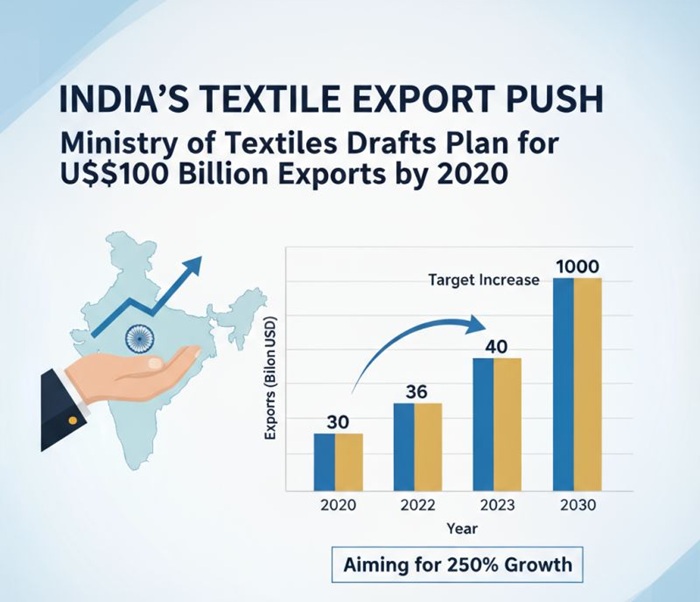
The apparel and textile sector is currently managing intense pressure from shifting geopolitical dynamics and rising input costs. Data indicates that while traditional yarn and fabric exports face thin margins, value-added textile products are gaining traction in premium global segments. "The transition toward high-value, compliant exports requires more than just production capacity; it demands a sophisticated understanding of international trade architecture," a council representative observed. By upskilling the workforce in international trade protocols, the sector aims to boost its export resilience and move up the value chain. This educational intervention is projected to improve operational efficiency for participating firms, ensuring that Indian manufacturers remain competitive as they integrate further into the evolving global textile landscape through 2030.
Promoting cotton textile exports from India
The Cotton Textiles Export Promotion Council (TEXPROCIL) is the premier agency for the promotion of cotton textile exports from India. It provides industry-specific guidance, trade intelligence, and policy advocacy. Founded in 1954, the council supports manufacturers across the cotton value chain to enhance global market access and competitiveness.