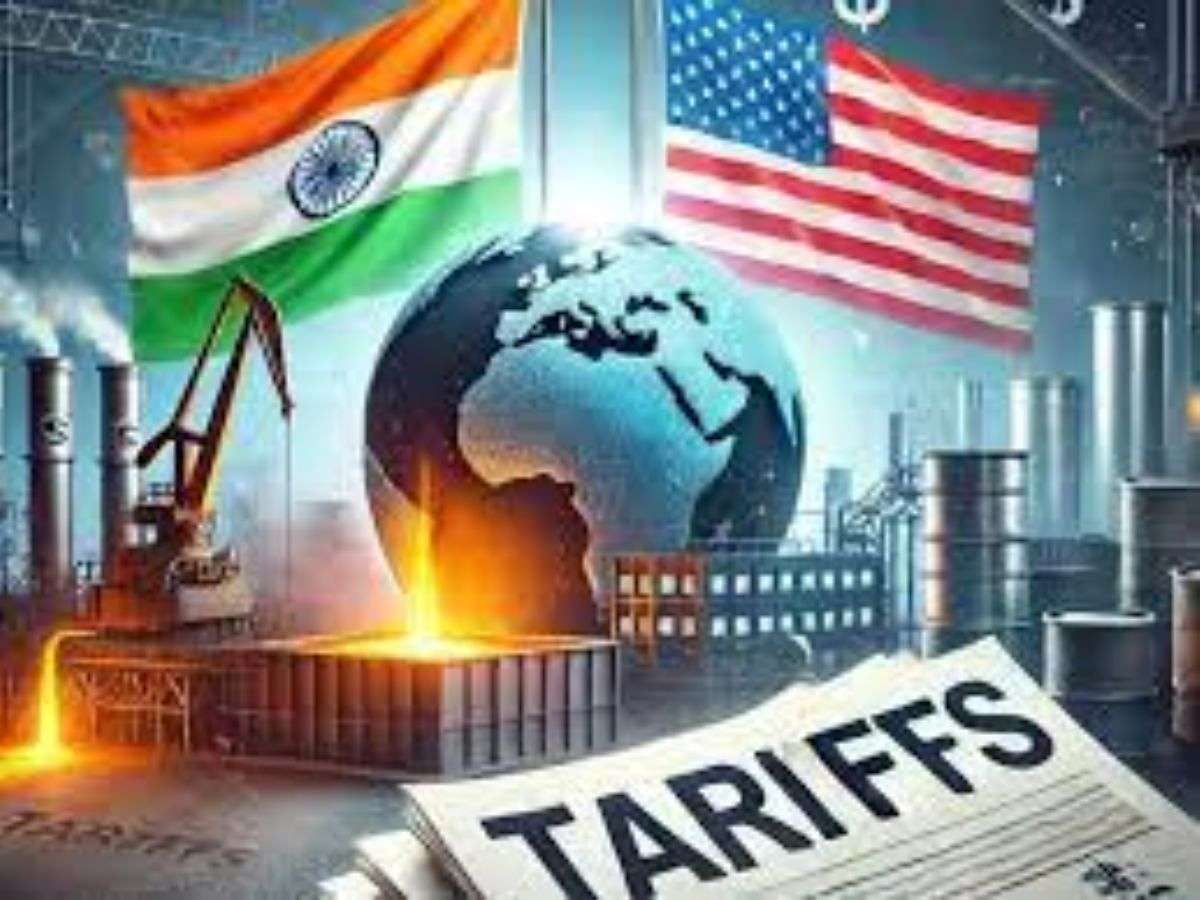
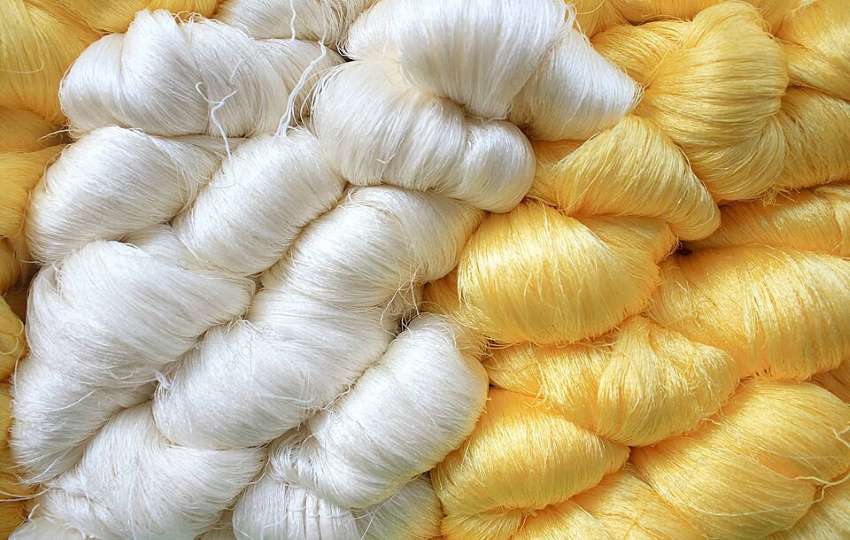
The Union Finance Ministry has implemented a temporary suspension of all customs duties and associated agricultural cesses on cotton imports, effective from June 1, 2026, through October 30, 2026. This policy intervention arrives at a critical juncture for the Indian textile and apparel sector, which has been grappling with a supply-demand deficit estimated at approximately 45 lakh bales for the 2025-26 season. By removing the 11 per cent effective duty burden, the government aims to mitigate the inflationary pressures that have constrained production margins for domestic manufacturers, particularly within the MSME segment.
Strengthening global export competitiveness
Industry stakeholders, including the Apparel Export Promotion Council (AEPC), have characterized the waiver as a vital corrective measure to restore India’s price parity with regional competitors such as Bangladesh and Vietnam. This timely intervention is essential to stabilize the value chain and empower garment exporters to fulfill international orders with greater margin flexibility, notes Dr A Sakthivel, Chairman, AEPC. The industry has urged spinning mills to ensure these cost efficiencies are passed downstream, thereby rationalizing yarn prices. As India pursues an ambitious $100 billion export valuation by 2030, this duty-free window is expected to provide the operational buffer required to leverage recent Free Trade Agreements (FTAs) and expand market share in key destinations, including the UAE and European markets.
A foundational pillar of the national economy
The Indian textile and apparel industry serves as a foundational pillar of the national economy, encompassing the full value chain from fiber production to finished garments. Key export categories include ready-made garments, cotton yarn, and home textiles. The sector is currently prioritizing modernization and sustainable production to secure large-scale global contracts.