After registering a positive growth of 2.75 per cent in fiscal year 2014, Pakistan’s textile and garment exports registered a negative growth of 4.88 per cent in 2015 and 12.11 per cent in 2016. The major reasons for the decline were low commodity prices, slowdown of the Chinese economy and the euro zone debt crisis.
In order to restore competitiveness and boost exports of the country, a package has been prepared. Salient features of the package are zero rating of machinery imports, withdrawal of duty and sales tax on cotton imports, withdrawal of duty on imports of manmade fibers, release of pending liabilities of textile policies, release of pending sales tax refunds, drawback of taxes.
Projects like technology upgradation, product development, branding and certification have been taken up. The sales tax zero-rating regime for five export oriented sectors covers textiles, leather, carpets, surgical and sports goods.
To reduce the cost of doing business, the electricity tariff has been cut by Rs 3 for industrial units. Fuel adjustment has been passed on to the consumer to further reduce the cost of production. Pakistan will conclude bilateral agreements with major players in Asean and will then engage with Myanmar. FTA negotiations with Turkey and Thailand are at an advanced stage.

- 1
- 2
- 3
- 4
- 5
- 6
- 7
- 8
- 9
- 10
Retail Without Retail: How Walmart’s depot network is turning space into logisti…
Walmart is fundamentally rewriting the commercial real estate and retail logistics playbook with the rise of its ‘Walmart Depots’ a... Read more
Global textile regulation tightens, forcing realignment across fashion supply ch…
Global fashion and consumer goods supply chains are entering a decisive regulatory transition as Extended Producer Responsibility (EPR) frameworks for... Read more
Luxury’s new power axis, US dominance, China reset, Gulf surge
As the post-China luxury order takes shape, the US is emerging as the industry’s most dependable growth engine, while Japan,... Read more
India’s $9 Billion Landfill Blind Spot How trashed clothes hold the key to globa…
A massive economic windfall is sitting uncollected in India’s landfills, and the key to unlocking it lies in rethinking how... Read more
Red Sea crisis reshapes textile trade routes, challenges India’s export margins,…
Global apparel trade is now in a new operational phase where geopolitical stability and logistics reliability are as important as... Read more
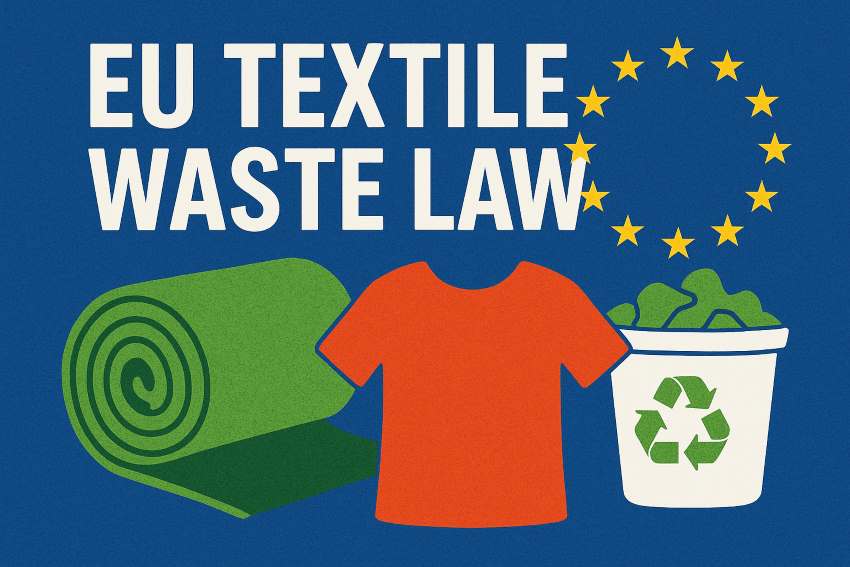
EU’s textile waste rules enter enforcement phase, raising alarms across fashion …
Europe’s apparel and textile industry is approaching one of its most significant regulatory transitions in decades. As the European Union... Read more
Corporate fashion adopts reverse logistics to unlock the $367 bn resale market
Global fashion retailers are rapidly changing their business models around resale, repair, and textile recovery as the secondhand apparel market... Read more
Tariff Shock 2026: Forced-labor enforcement is repricing global fashion trade
Washington’s latest trade intervention signals a break in the global apparel sourcing patterns. The Office of the United States Trade... Read more
Circular Samvaad 2.0 aims to transform Indian textiles from linear waste to glob…
On the occasion of World Environment Day, industry leaders, policymakers, and international experts gathered in the capital yesterday for Circular... Read more
From Sentiment to Sustainability: How Mumbai’s ‘Mega Post Textile Waste Initiat…
Walk into almost any Indian household, and you will find wardrobes harboring clothes that haven’t been worn in years. They... Read more