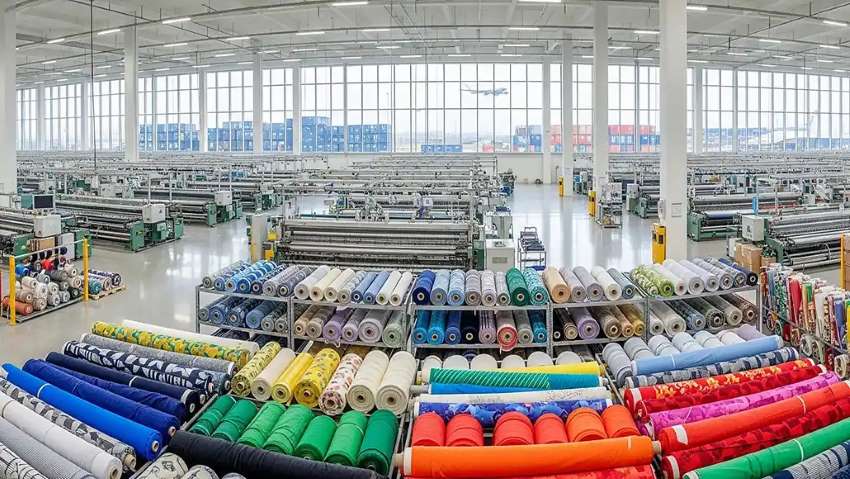
The Nigerian textile sector is addressing some of the constraints that have held it down from realising the potential in employment generation and capital flow. Adoption of new technology would not only help textile producers in cutting the cost of production, it would also make their products competitive in the global market. It’s imperative for operators in the sector to be innovative since the textile business globally has gone digital. The industry has to be up and doing in terms of embracing new technology.
Investment in new technology is needed. The textile industry has to be cost effective in the short run. New technology will enable textile producers to come up with product samples very quickly, come out with new designs just by operating the computer. A lot of computer-aided designs have gone into textile printing today and that is the challenge facing the industry. While over 1,21,100 jobs have been lost as a result of inactivity in the textile sector, only 39 out of the 143 textile mills across the country are still in operation.
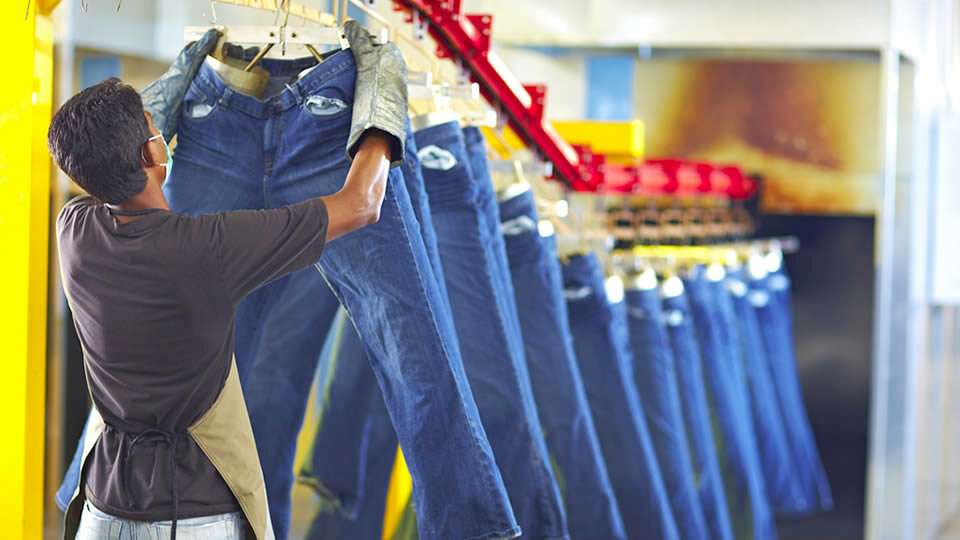
In Nigeria, textile manufacturing is a key local industry, supported by a chain of suppliers such as cotton growers and natural dye makers. Nigerians have a love for naturally dyed fabrics, with many prints based on traditional motifs. However traditional methods of dying fabrics are threatened by cheap imports.

- 1
- 2
- 3
- 4
- 5
- 6
- 7
- 8
- 9
- 10
Retail Without Retail: How Walmart’s depot network is turning space into logisti…
Walmart is fundamentally rewriting the commercial real estate and retail logistics playbook with the rise of its ‘Walmart Depots’ a... Read more
Global textile regulation tightens, forcing realignment across fashion supply ch…
Global fashion and consumer goods supply chains are entering a decisive regulatory transition as Extended Producer Responsibility (EPR) frameworks for... Read more
Luxury’s new power axis, US dominance, China reset, Gulf surge
As the post-China luxury order takes shape, the US is emerging as the industry’s most dependable growth engine, while Japan,... Read more
India’s $9 Billion Landfill Blind Spot How trashed clothes hold the key to globa…
A massive economic windfall is sitting uncollected in India’s landfills, and the key to unlocking it lies in rethinking how... Read more
Red Sea crisis reshapes textile trade routes, challenges India’s export margins,…
Global apparel trade is now in a new operational phase where geopolitical stability and logistics reliability are as important as... Read more
EU’s textile waste rules enter enforcement phase, raising alarms across fashion …
Europe’s apparel and textile industry is approaching one of its most significant regulatory transitions in decades. As the European Union... Read more
Corporate fashion adopts reverse logistics to unlock the $367 bn resale market
Global fashion retailers are rapidly changing their business models around resale, repair, and textile recovery as the secondhand apparel market... Read more
Tariff Shock 2026: Forced-labor enforcement is repricing global fashion trade
Washington’s latest trade intervention signals a break in the global apparel sourcing patterns. The Office of the United States Trade... Read more
Circular Samvaad 2.0 aims to transform Indian textiles from linear waste to glob…
On the occasion of World Environment Day, industry leaders, policymakers, and international experts gathered in the capital yesterday for Circular... Read more
From Sentiment to Sustainability: How Mumbai’s ‘Mega Post Textile Waste Initiat…
Walk into almost any Indian household, and you will find wardrobes harboring clothes that haven’t been worn in years. They... Read more