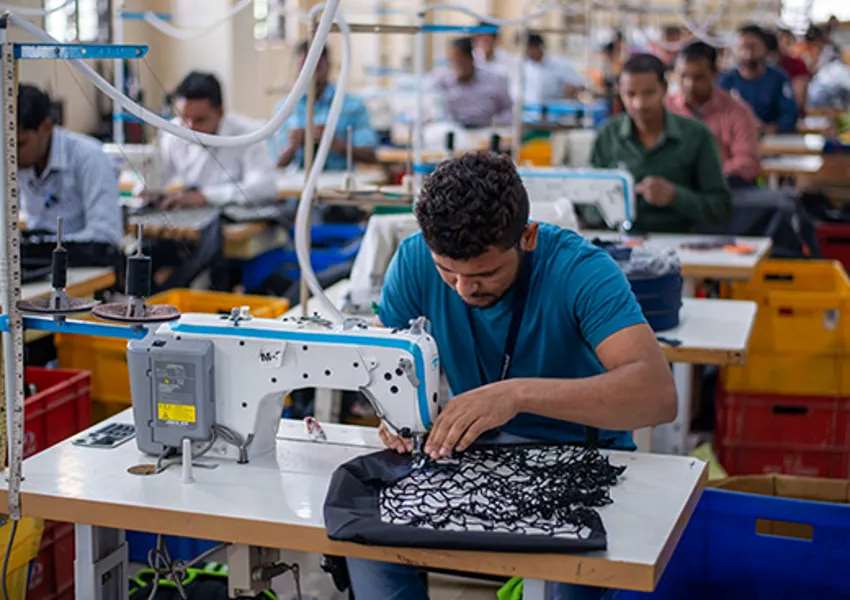
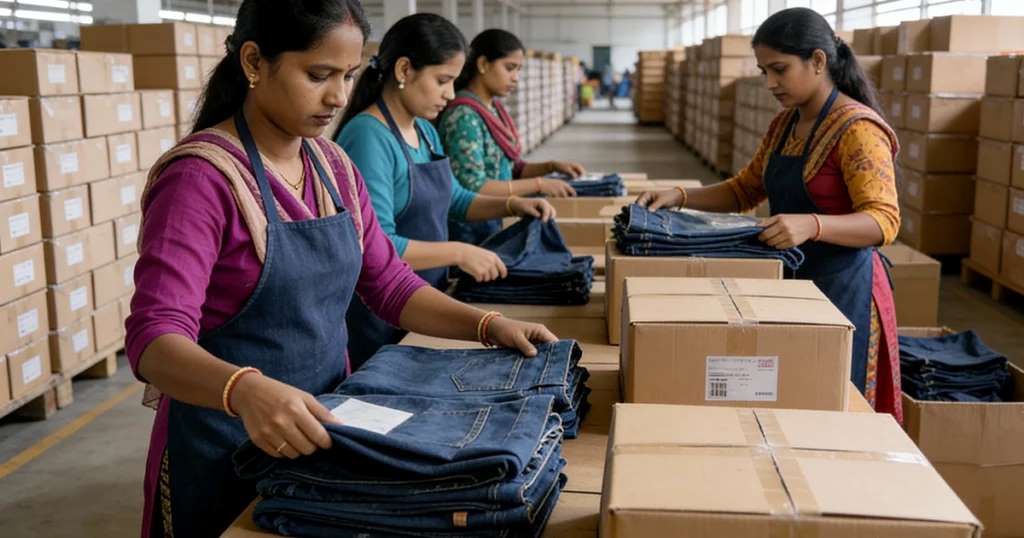
Just five years ago, Myanmar was isolated from the rest of the world. But that is changing. In 2011, the number of garment factories had grown to 200, from 120 the previous year. Today, it is estimated that the industry employs more than 2,00,000 workers, a tenfold increase since 2010 and double the number employed before US sanctions were toughened in 2003. An average of two new factories are opening every week.
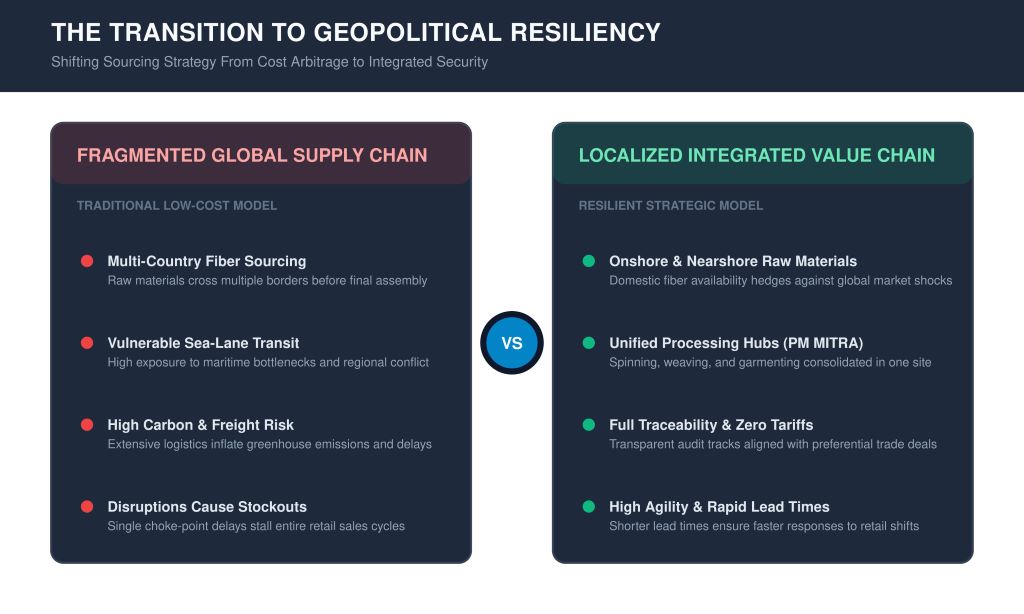
One reason enticing garment producers back to Myanmar is cheap labor. The country has some of the lowest wages in Asia. At present, there is no minimum wage in Myanmar. Some of the world’s biggest fast fashion brands are already taking notice of Myanmar. Swedish apparel giant H&M placed test orders in 2013 and began sourcing from the country in earnest last year. Its garments are being manufactured in some 13 factories. Gap was the first major US apparel retailer to establish a presence in Myanmar.
Though manufacturing jobs will increasingly provide employment opportunities for young people in Myanmar, they will only be able to lift themselves out of poverty if these jobs provide fair wages and conditions. Due to Myanmar’s isolation and lack of exposure to international practices, it has limited experience in adopting new business methods or complying with international standards.

- 1
- 2
- 3
- 4
- 5
- 6
- 7
- 8
- 9
- 10
Spykar accelerates offline expansion: plans 100 new stores across India
A titan of the Indian denim-first fashion scene, Spykar has officially unveiled an aggressive retail growth strategy. As consumer demand... Read more
The Inventory Illusion: Rethinking the Zara benchmark in a volatile retail era
For over a decade, the global fashion industry has treated the Zara playbook as the gold standard of inventory efficiency.... Read more
Retail Without Retail: How Walmart’s depot network is turning space into logisti…
Walmart is fundamentally rewriting the commercial real estate and retail logistics playbook with the rise of its ‘Walmart Depots’ a... Read more
Global textile regulation tightens, forcing realignment across fashion supply ch…
Global fashion and consumer goods supply chains are entering a decisive regulatory transition as Extended Producer Responsibility (EPR) frameworks for... Read more
Luxury’s new power axis, US dominance, China reset, Gulf surge
As the post-China luxury order takes shape, the US is emerging as the industry’s most dependable growth engine, while Japan,... Read more
India’s $9 Billion Landfill Blind Spot How trashed clothes hold the key to globa…
A massive economic windfall is sitting uncollected in India’s landfills, and the key to unlocking it lies in rethinking how... Read more
Red Sea crisis reshapes textile trade routes, challenges India’s export margins,…
Global apparel trade is now in a new operational phase where geopolitical stability and logistics reliability are as important as... Read more
EU’s textile waste rules enter enforcement phase, raising alarms across fashion …
Europe’s apparel and textile industry is approaching one of its most significant regulatory transitions in decades. As the European Union... Read more
Corporate fashion adopts reverse logistics to unlock the $367 bn resale market
Global fashion retailers are rapidly changing their business models around resale, repair, and textile recovery as the secondhand apparel market... Read more
Tariff Shock 2026: Forced-labor enforcement is repricing global fashion trade
Washington’s latest trade intervention signals a break in the global apparel sourcing patterns. The Office of the United States Trade... Read more