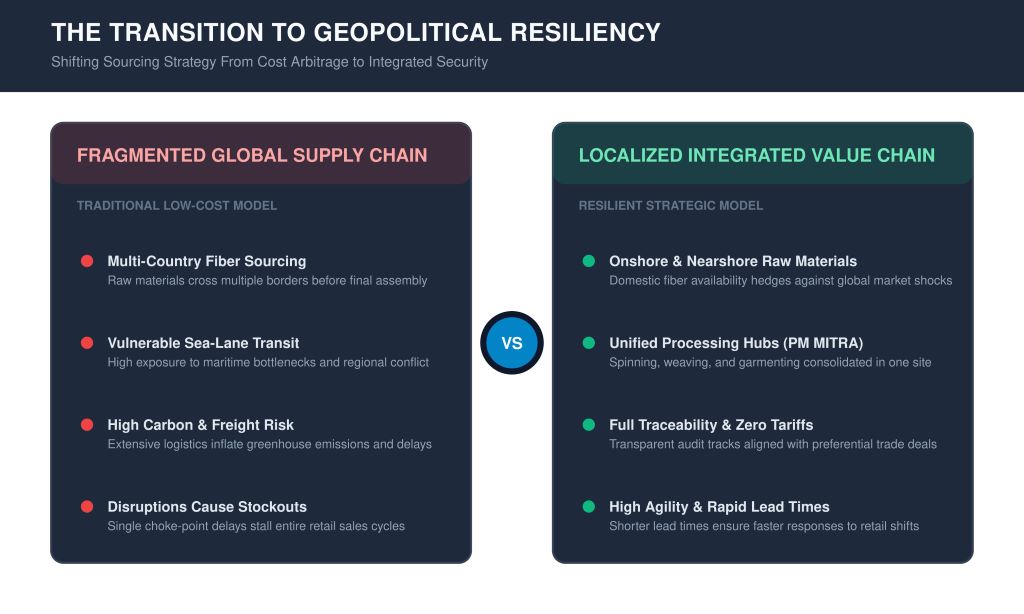
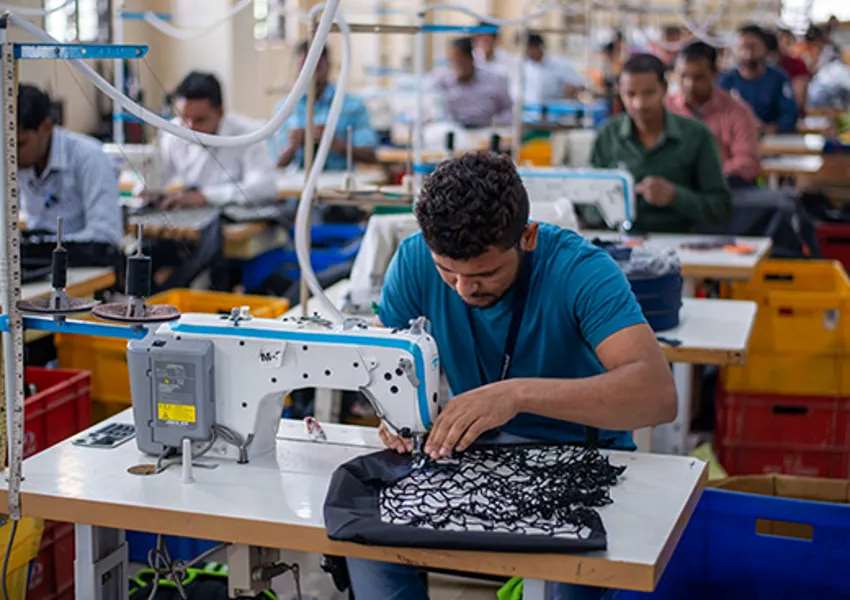
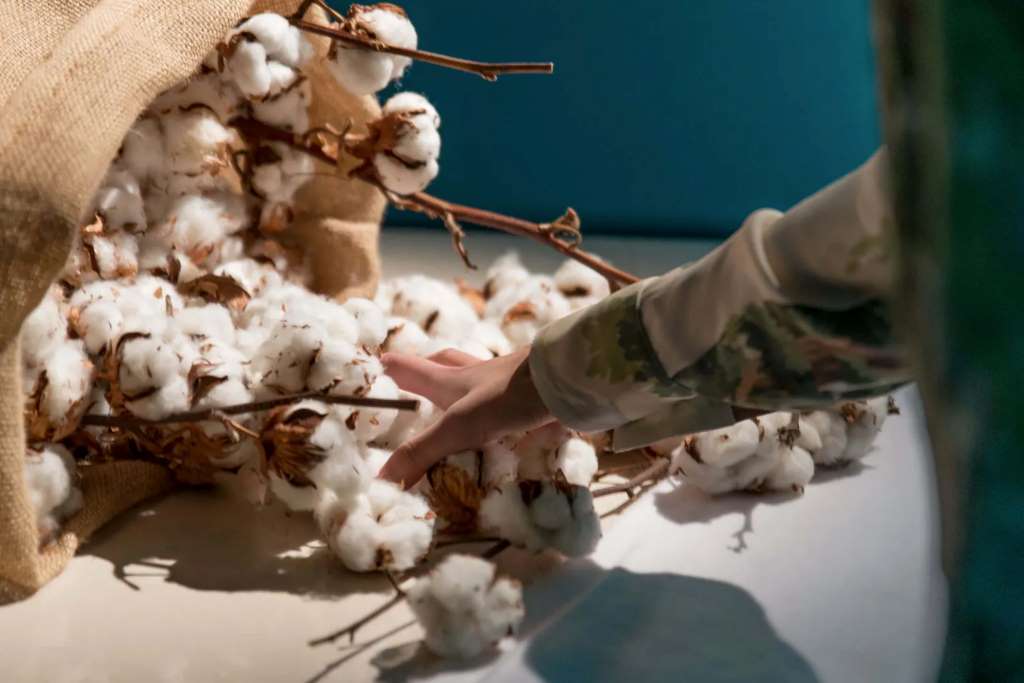
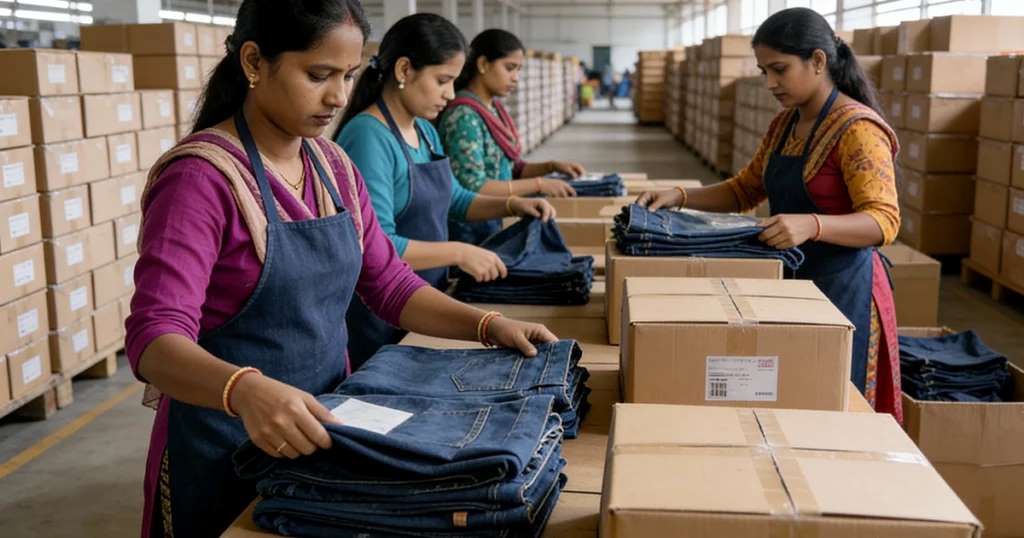
Global personal luxury goods spending is climbing toward $500 billion, driven by structural demand for high-craftsmanship apparel and leather goods. To protect margins and navigate supply disruptions, major European luxury conglomerates are aggressively acquiring specialized manufacturing hubs across Italy and France. Rather than relying on third-party suppliers, heritage Maisons are integrating regional spinning, weaving, and leather-tanning facilities directly into their retail infrastructure to maintain rigorous quality standards and comply with the EU’s Digital Product Passport mandates.
Experiential retail expansion targets high-growth hubs
While traditional wholesale distribution contracts, store-based flagship retail accounts for over 62 per cent of global luxury transactions. Conglomerates are expanding high-concept boutique networks across emerging luxury capitals in South Korea, China, and the Middle East to capture affluent Gen Z and Millennial spending. Direct ownership of the production line allows luxury houses to shorten collection lead times and deliver tailored, hyper-exclusive ranges directly to flagship stores, noted an equity analyst tracking luxury retail supply chains. Mounting compliance overheads and rising raw material costs remain persistent operational pressures across luxury manufacturing networks.
Personal luxury sector baseline
The personal luxury sector encompasses high-fashion apparel, leather goods, fine jewelry, and luxury timepieces. Primary consumer markets include North America, Europe, East Asia, and emerging Middle Eastern nodes. Expanding through direct-to-consumer flagship retail and digital integration, the sector projects steady 4–5 per cent annual growth, supported by centuries of European artisanal heritage.