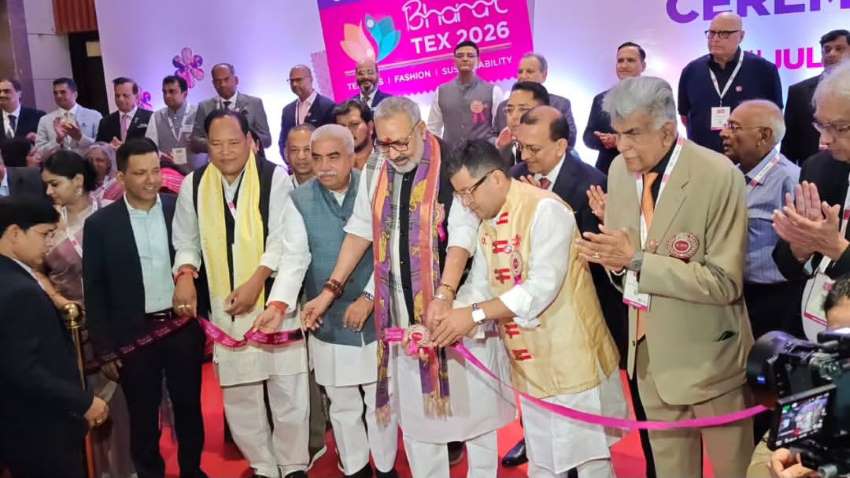
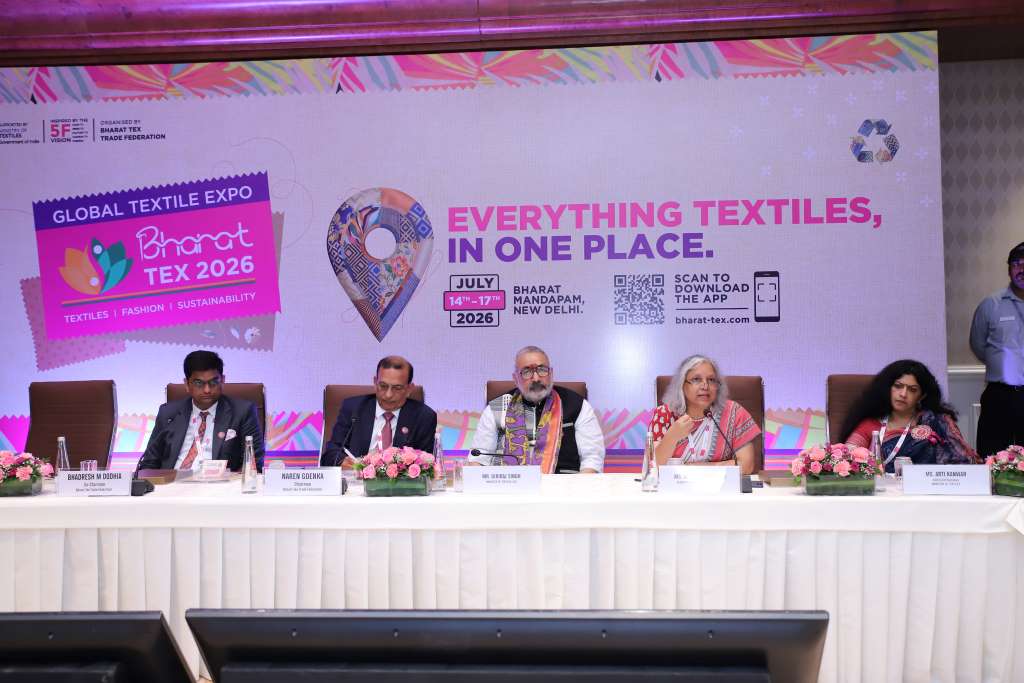
The global textile value chain stands at a generational crossroads. Against this backdrop, the Bharat Tex Roundtable—convened under the theme "India a Trusted Partner in an Uncertain World" revealed a decisive consensus among industry captains and policymakers: a convergence of geopolitical realignments, sweeping Western environmental mandates, and proactive domestic policy tweaks has handed Indian textile manufacturing its ultimate "Goldilocks moment".
Yet, capturing this fleeting window demands an aggressive overhaul—moving away from historical, sub-scale, fragmented production toward structural circularity, tech-driven automation, and homegrown global brands.
The Structural Shift: Beyond temporary tariff perks
Moderated by Deloitte’s Debasish Mishra (Chief Growth Officer, Deloitte South Asia), the deliberations quickly bypassed short-term tariff arbitrage to address long-term supply chain design. Opening the discussion, Kulin Lalbhai, Vice Chairman of Arvind Limited, stressed that global de-risking away from dominant players like China presents India with an unprecedented strategic window—provided the nation fixes its apparel supply framework.
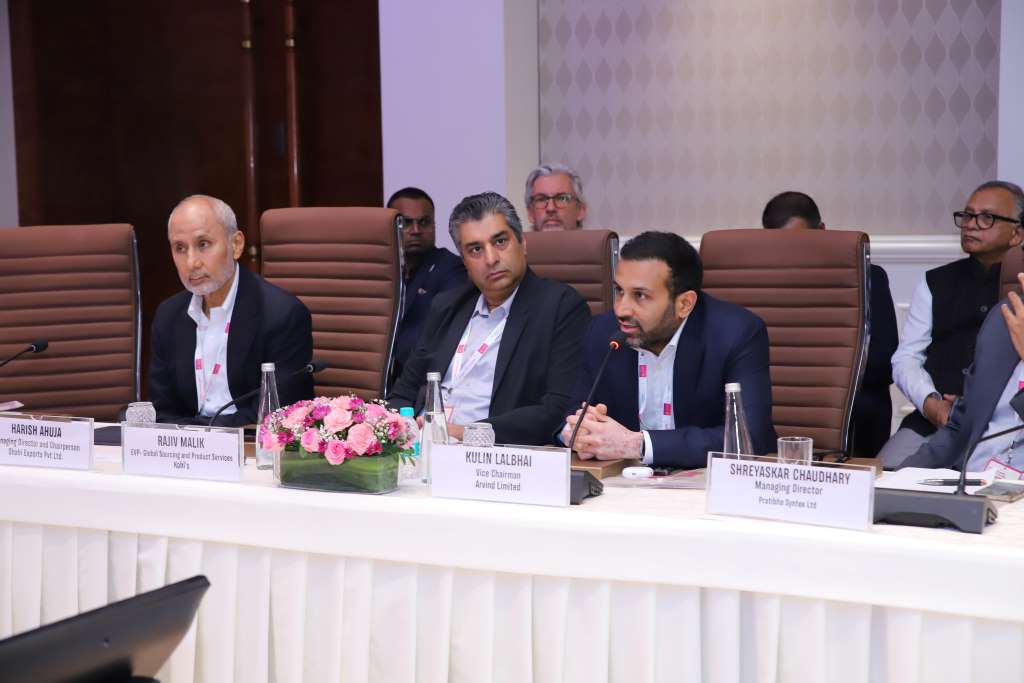
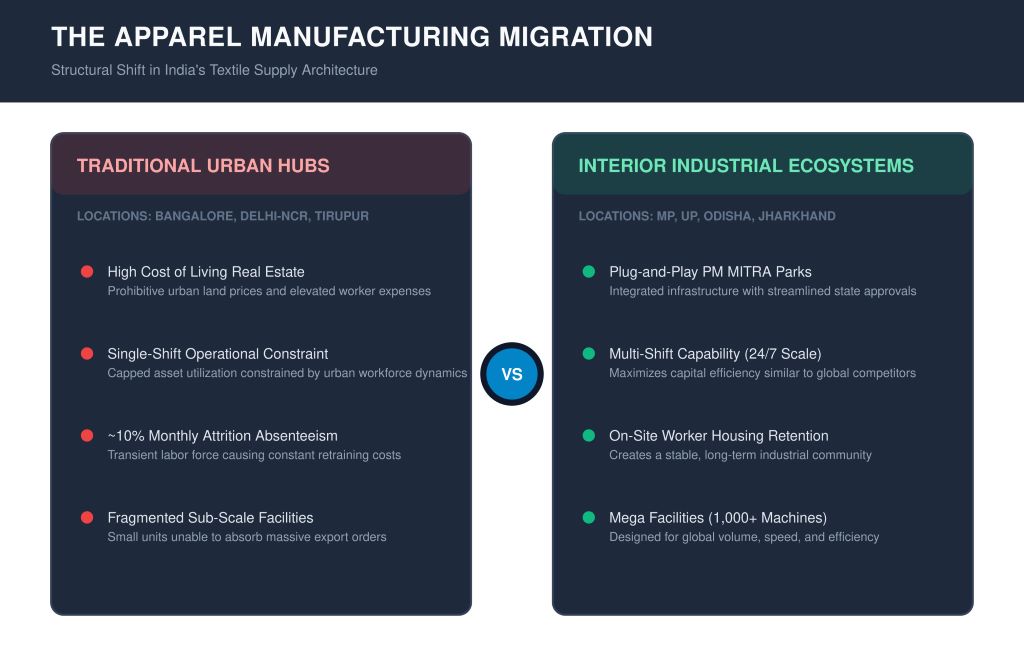
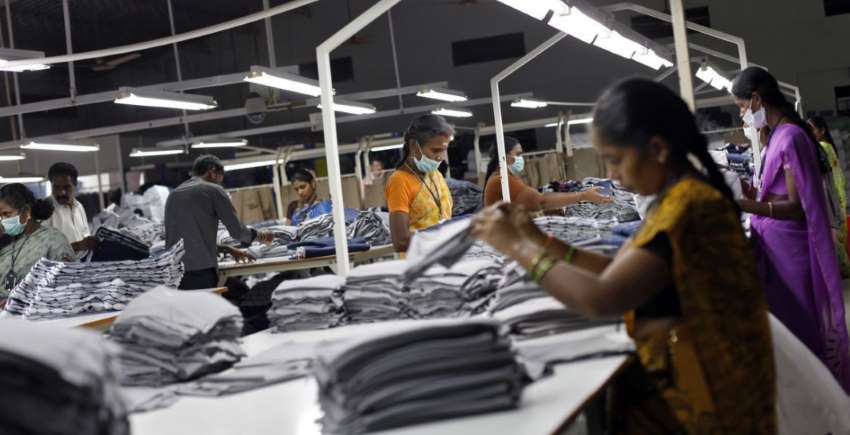
For decades, Indian garmenting has suffered from sub-scale operations: single-shift factories constrained within high-cost urban hubs. The consensus was clear—future scale lies in establishing mega-clusters in labor-surplus interior states like Madhya Pradesh, Uttar Pradesh, Jharkhand, and Odisha. "Such kind of tariff-related advantages are momentary, but one needs to plan structurally for the capacity. I feel that the Goldilocks moment for the country has arrived. There is no country with the strategic depth that we have." opines Kulin Lalbhai, Vice Chairman, Arvind Limited.
Reinforcing this call to scale, Harish Ahuja, Managing Director and Chairperson, Shahi Exports, pointed out that doubling apparel exports requires thousands of new 1,000-machine factories. Because new garment units carry an average three-year gestation period before turning profitable, leaders urged policymakers to introduce targeted support, such as accelerated depreciation and labor-linked incentives, to absorb initial operational losses.
The New Paradigm: Compliance as competitiveness
A central theme of the session was the complete redefinition of sustainability. Environmental compliance is no longer an ethical add-on or a corporate social responsibility project; it has become a non-negotiable entry barrier for global markets. With regulations like the EU's Ecodesign for Sustainable Products Regulation (ESPR) coming into force, trade leaders warned that industrial policy must seamlessly align with trade policy to protect Indian market access.
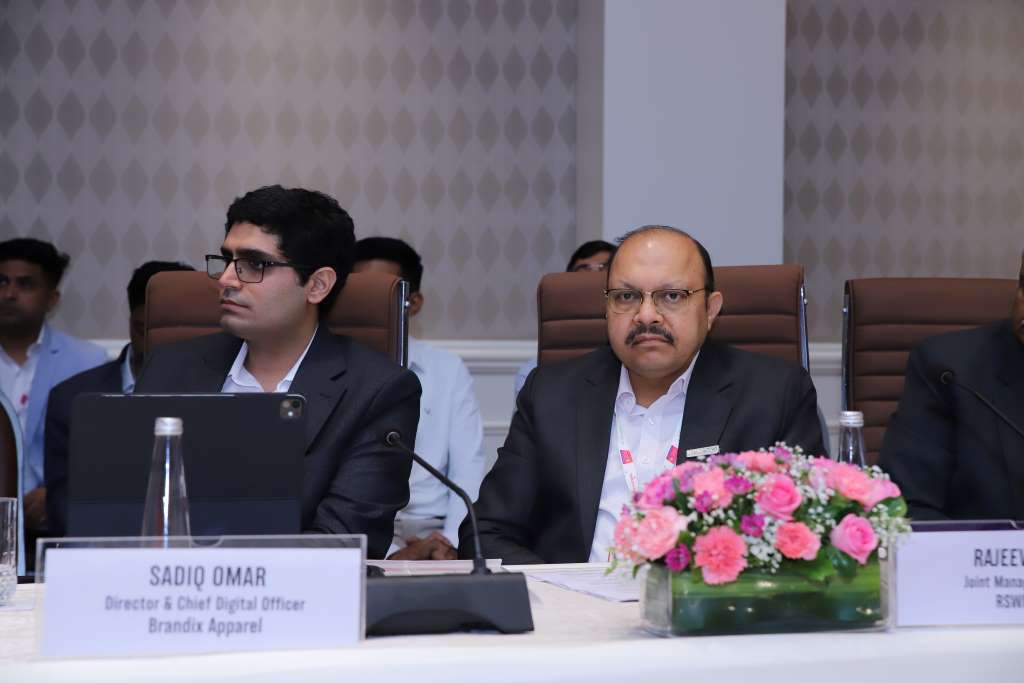
"Trust has become the most valuable currency in global trade. Conversations now are moving from where we can buy the lowest, to from where I can buy for confidence. Compliance is the competitiveness now." emphasized Rajeev Gupta, Joint Managing Director, RSWM Ltd.
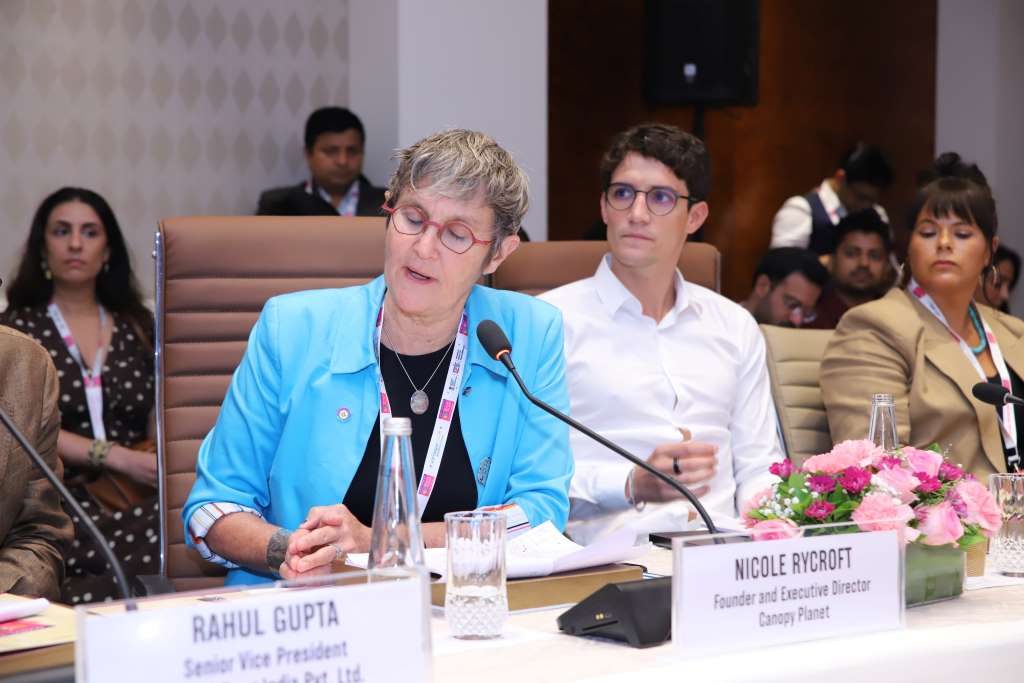
Addressing supply chain resilience, Nicole Rycroft, Founder and Executive Director of Canopy Planet, noted that global fashion houses are preparing for immediate regulatory enforcement rather than banking on delays. As climate risks disrupt traditional agricultural fiber baskets, next-generation solutions,such as chemical recycling and agricultural residue fibers (like wheat straw)—are becoming strategic imperatives.
The Technology Mandate: Automation vs. Manual labor
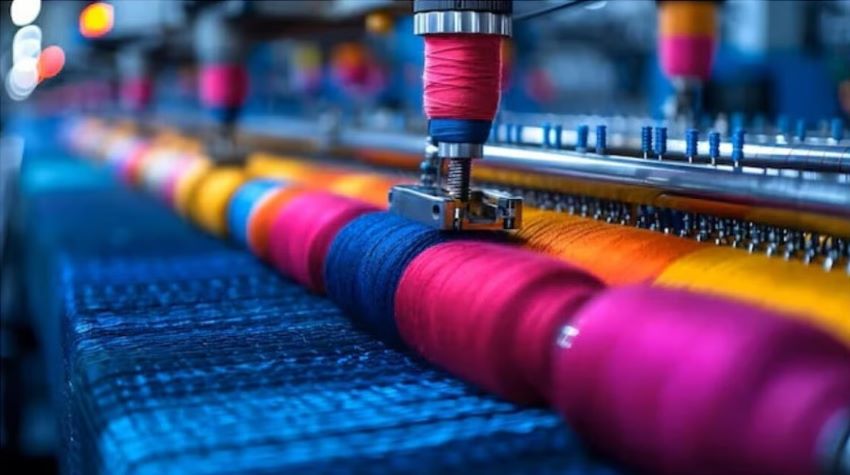
The roundtable also exposed a stark operational contrast regarding technology adoption on the factory floor. Gilberto Loureiro, Co-Founder & President of Smartex.ai, observed that while Chinese mills are systematically obsessed with AI cameras, sensors, and real-time defect dashboards, many Indian units still rely on manual labor to solve structural errors. As younger demographics pivot away from manual shop-floor roles, foundational automation is becoming a prerequisite for survival.
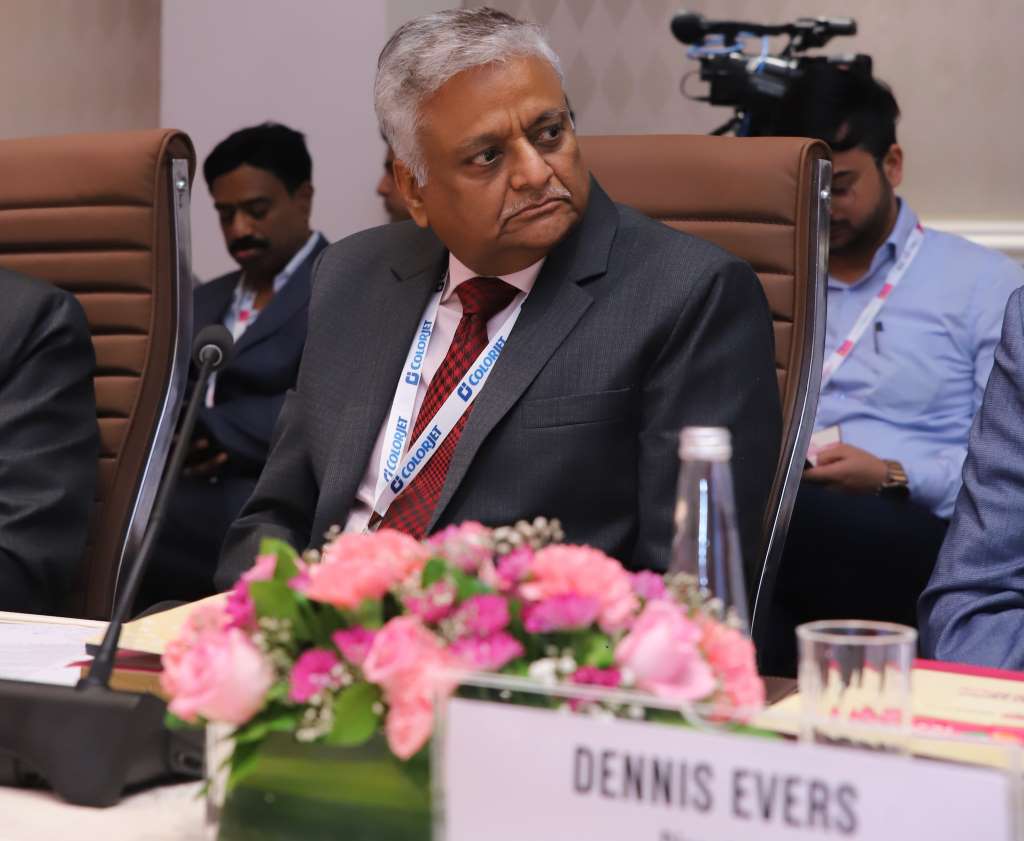
Concurrently, building a robust domestic capital goods infrastructure remains critical. Madhu Sudan Dadu, Chairman of Colorjet India Ltd., emphasized that a strong local machinery sector provides customized engineering, lower depreciation rates, and modular upgrade pathways, preventing Indian manufacturers from absorbing heavy capital losses on underutilized imported equipment.
The Ministerial Challenge: Progressive, aggressive, and domestic
Closing the session, Union Textile Minister Giriraj Singh acknowledged the remarkable expansion of India’s domestic market, now scaling toward $190 billion and praised the growth of technical textiles, where Indian flexible intermediate bulk container (FIBC) production has outpaced competitors.
However, the Minister issued a direct challenge to the industry: manufacturers cannot afford to retreat into the comfort of domestic demand while ignoring the $300 billion global trade window unlocked by new Free Trade Agreements (FTAs). "Aggressively, you too will have to step up a bit, along with the government, across the industry—in every major segment, we simply must emphasize innovation, we also have to build 'Brand India'. That is my request as well." fortified Giriraj Singh, Minister of Textiles, Government of India while motivating the industry and assuring the partnering approach.
The path forward for Indian textiles is defined: to evolve from a low-cost participant into a global market leader, the industry must pair government-backed infrastructure with private-sector innovation, aggressive automation, and world-class compliance.