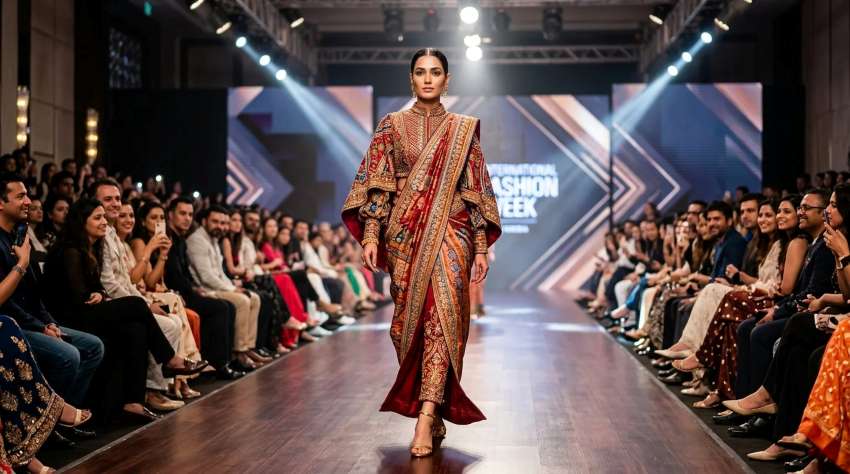
Luxury conglomerates LVMH Moët Hennessy Louis Vuitton and Kering are aggressively rewriting labor compliance across the high-end apparel sector by officially mandating an 18-year age minimum for models representing adult collections. Scheduled for full implementation ahead of the 2027 runway season, this regulatory tightening eliminates the previous 16-year threshold permitted under legacy frameworks. Industry analysts note that corporate governance metrics within luxury retail are facing heightened scrutiny from institutional investors, compelling parent houses to mitigate legal and reputational risks tied to underage labor exploitation.
Operationalizing zero tolerance and surveillance
Beyond age restrictions, the revised operational protocol introduces stringent oversight mechanisms during casting sessions, fittings, and photographic productions. Production houses must now secure prior formal agreements for any partial or complete nudity, enforce dedicated dressing spaces, and prohibit isolating models with individual production crew members. To enforce compliance, both conglomerates are deploying unannounced workplace audits alongside anonymous whistleblower channels. According to industry stakeholders, luxury retail brands failing to align their supply chains with these rigorous transparency standards risk exclusion from premier international fashion weeks.
Targeting long-term expansion with stringent ethical practices
LVMH and Kering are dominant global luxury goods conglomerates managing portfolios of prestigious fashion houses specializing in haute couture, leather goods, and ready-to-wear apparel. Operating extensive retail networks across key European, North American, and Asian markets, both groups target sustainable long-term expansion through stringent supply chain ethics, exceptional financial performance, and heritage craftsmanship tracing back to their founding decades in mid-twentieth-century France.