India’s textile value chain could gain from new changes to the Goods and Services Tax (GST) framework, particularly through faster refunds, simplified compliance and reduced enforcement-related disruptions. For spinning mills, weavers, knitters, dyeing units, finishing plants and exporters, the operational implications could be more significant than the changes in end-product taxation.
The revised structure, which extends the 5 per cent GST slab to garments priced up to Rs 2,500 while raising the rate from 12 per cent to 18 per cent on garments above that threshold, could also influence sourcing decisions, product specifications and manufacturing costs. However, the implications for textiles will depend on input-tax treatment, the ability of businesses to recover eligible credits and the extent to which downstream buyers pass on the revised tax burden.
For an industry characterised by fragmented manufacturing, thin operating margins and significant working-capital requirements, the immediate opportunity lies in improving cash flow and reducing administrative friction across the production chain.
Refunds unlock liquidity
The provision for provisional sanction of 90 per cent of eligible refund claims relating to zero-rated supplies and inverted duty structures through automated, risk-based processing is among the most consequential changes for textile manufacturers. The acknowledgment window for refund claims has also been reduced from 15 days to 10 days.
Inverted duty structures can arise when the GST rate on inputs exceeds the rate applicable to output supplies, leaving businesses with accumulated input-tax credit. The resulting refunds can remain locked in the tax system, constraining funds available for procurement, wages, production and capacity utilisation.
For textile businesses operating across yarn processing, weaving, dyeing and finishing, faster refunds could reduce the need to rely on short-term borrowing to bridge cash-flow gaps. The benefit is particularly relevant to small and medium-sized enterprises, which often face higher financing costs and have limited access to institutional working capital.
“Automating 90 per cent of provisional inverted duty payouts ends quarterly cash flow freezes that have constrained medium textile mills for years,” opines Rajesh Agarwal, MD, Veda Texstyles, a knitwear exporter. The actual benefit, however, will depend on the eligibility of claims, risk-based scrutiny and the time taken for provisional sanctions to translate into funds received. Faster processing will provide meaningful relief only if implementation is consistent and refund disputes do not continue to immobilise substantial working capital.
Processing costs under scrutiny
The GST reset brings renewed attention to the cost structures of textile processing, where multiple stages of production can create complex tax-credit requirements. Spinning, weaving, knitting, dyeing, printing and finishing involve different inputs, machinery, chemicals and auxiliary materials. Any mismatch between input and output tax rates can affect the accumulation and recovery of credits, with consequences for cash conversion cycles.
Faster refund processing could improve liquidity across these activities, allowing manufacturers to procure raw materials more efficiently and reduce dependence on borrowing. It could also help smaller processors manage seasonal fluctuations in orders and input prices.
However, the revised garment tax slabs should not be interpreted as a blanket reduction in GST throughout the textile value chain. The impact on fibre, yarn, fabric and processing operations will depend on the applicable rates for individual goods and services, as well as the availability and utilisation of input-tax credits.
For manufacturers supplying multiple downstream segments, the ability to map tax incidence across products and customers will remain essential to pricing and margin management.
Compliance burden eases
The Council’s procedural changes seek to reduce enforcement uncertainty for businesses. These include Rs 5 crore threshold for prosecution, restrictions on transit enforcement, removal of show-cause notices for demands of Rs 10,000 or less, and a reduction in the general residual penalty from Rs 25,000 to Rs 10,000.
For textile manufacturers, fewer disruptions during the movement of consignments could improve production planning and delivery reliability. The industry depends on the timely movement of cotton, man-made fibres, yarn, fabric, dyes and chemicals between geographically dispersed suppliers and processing units.
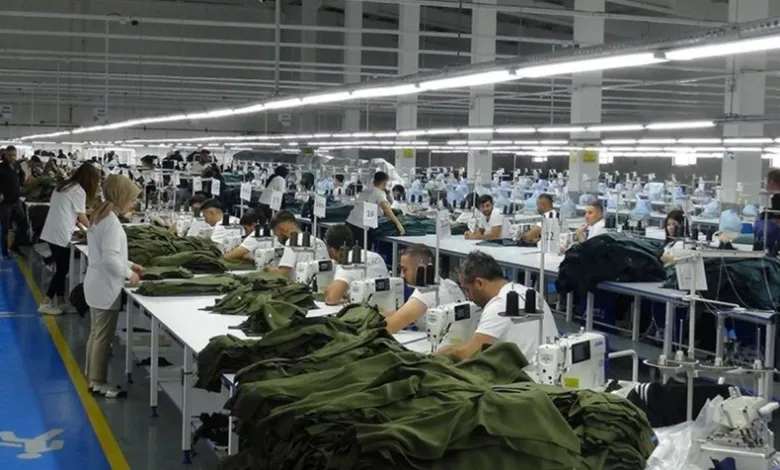
Manufacturing clusters in Tiruppur, Surat and Ludhiana rely on closely coordinated supply chains, often involving multiple specialised units. Delays in transporting raw materials or intermediate goods can disrupt production schedules, increase inventory requirements and affect commitments to buyers.
Restrictions on physical inspections, vehicle detention and cargo seizures could reduce such risks, provided the rules are implemented consistently across states. Simplified procedures could be especially valuable to smaller enterprises without dedicated tax, legal or compliance teams. Predictable enforcement would allow management resources to be directed towards productivity, quality, order execution and capacity utilisation rather than prolonged tax-related disputes.
Recycling enters the frame
The introduction of the Reverse Charge Mechanism (RCM) on purchases of plastic scrap and old tyres from unregistered persons has implications for recycling and synthetic-fibre supply chains.
Recycled polymers can serve as feedstock for polyester fibre and yarn production. Greater traceability in scrap transactions could improve documentation and formalisation, but it could also introduce additional compliance requirements for recyclers and processors sourcing material from fragmented collection networks.
The effect on recycled textile inputs will depend on the mechanism’s implementation, the availability of compliant suppliers and the associated administrative costs. For recycling businesses already operating with variable feedstock quality and collection economics, the additional requirements will need to be assessed alongside the potential benefits of improved transaction transparency.
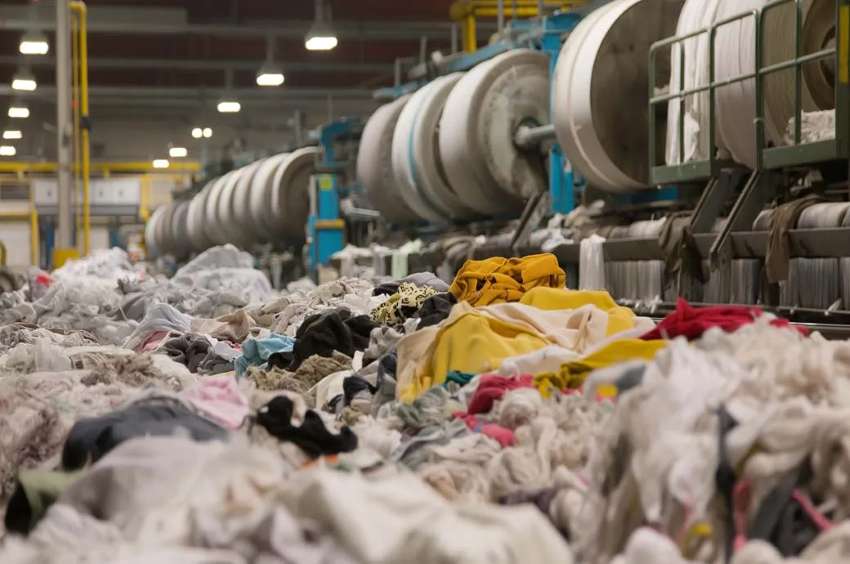
The measure is particularly relevant as the textile industry explores recycled polyester and other circular-material pathways. Tax administration should ideally support formalisation without making the collection and processing of secondary raw materials prohibitively expensive.
Export competitiveness at stake
Refund efficiency and compliance predictability have direct implications for textile exporters, whose competitiveness depends on input costs, delivery schedules and access to working capital.
For businesses supplying overseas markets, delays in recovering eligible tax credits can raise financing costs even when orders are commercially viable. Faster processing could help exporters deploy funds towards raw-material procurement, production and shipment commitments.
The benefit could extend across the export chain, from yarn and fabric suppliers to integrated manufacturers. Smaller vendors may gain from improved liquidity among larger buyers, although the extent of any spillover will depend on payment terms and commercial negotiations.
Simplified interstate compliance could also help eligible businesses serve customers across wider markets. Yet procedural improvements alone cannot compensate for high raw-material costs, weak productivity or limited access to technology and finance.
Implementation will determine gains
The GST changes offer the textile value chain an opportunity to improve cash-flow management and reduce the cost of compliance. Their most immediate potential benefit lies in faster eligible refunds and fewer disruptions to the movement of goods, rather than in any uniform reduction in the tax burden on fibres, yarns or fabrics.
Manufacturers will need to review their input-tax-credit positions, refund eligibility, procurement documentation and product-level tax exposure. Recyclers will need to assess the implications of the revised requirements for scrap procurement, while exporters will watch whether automated processing delivers predictable cash-flow improvements.
Ultimately, the reform’s value will be measured by the amount of working capital released, the reduction in compliance-related delays and the ability of textile businesses to operate with greater certainty. For a value chain spanning raw materials, spinning, weaving, processing and exports, effective implementation could translate procedural relief into stronger operational resilience.