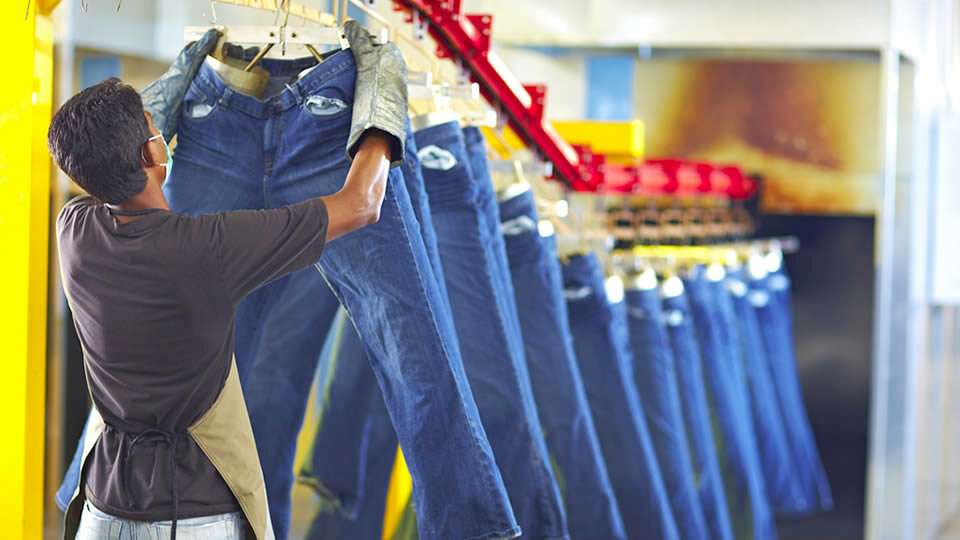
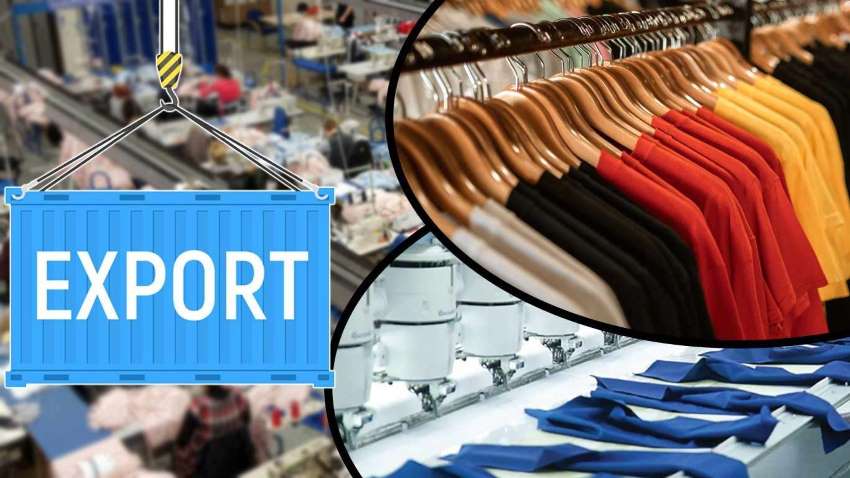
To enhance competitiveness in production of readymade garments, the government of India is preparing to develop a Garment Processing Zone (GPZ) within Simara Special Economic Zone (SEZ), in Bara district.
The concept of the GPZ came into light after the United States extended zero tariff preference for 66 products, including apparels, into its market through ‘Trade Facilitation and Trade Enforcement Act’ to Nepal. The world’s largest economy is all set to provide preference for Nepali products through a separate act to support the country’s aspiration to graduate to the league of developing nations by 2022 through sustainable and robust economic growth.
Through the act, the United States which is expected to come into effect after a month, has declared it would provide duty-free access to 66 Nepali products and support the country in trade capacity enhancement. Nepali apparel entrepreneurs are excited with the recent development because the United States was a major export market for Nepali apparels until Multi Fiber Agreement (MFA) was phased out on January 1, 2005. The country had exported readymade garments worth Rs 12.5 billion in fiscal 2001-02. Garment industry, which is on the verge of collapse after MFA was phased out, is expected to revive once again.
GPZ in Simara SEZ will be completed within three years as per SEZ Development Committee, which will house 69 blocks for garment industries and will be equipped with all required facilities - power, road connectivity, water supply and sanitation, among others.

- 1
- 2
- 3
- 4
- 5
- 6
- 7
- 8
- 9
- 10
Corporate fashion adopts reverse logistics to unlock the $367 bn resale market
Global fashion retailers are rapidly changing their business models around resale, repair, and textile recovery as the secondhand apparel market... Read more
Tariff Shock 2026: Forced-labor enforcement is repricing global fashion trade
Washington’s latest trade intervention signals a break in the global apparel sourcing patterns. The Office of the United States Trade... Read more
Circular Samvaad 2.0 aims to transform Indian textiles from linear waste to glob…
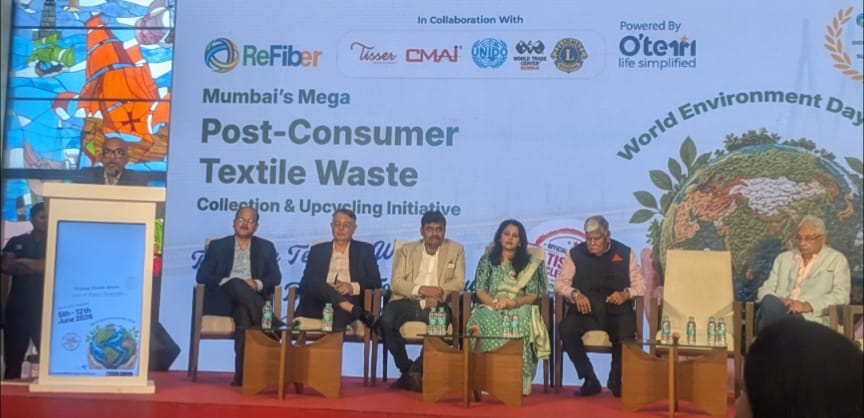
On the occasion of World Environment Day, industry leaders, policymakers, and international experts gathered in the capital yesterday for Circular... Read more
From Sentiment to Sustainability: How Mumbai’s ‘Mega Post Textile Waste Initiat…
Walk into almost any Indian household, and you will find wardrobes harboring clothes that haven’t been worn in years. They... Read more
CMAI launches new initiative to combat waste and formalize textile recovery acro…
In a landmark move to address the mounting crisis of post-consumer textile waste, the Clothing Manufacturers Association of India (CMAI)... Read more
Trends-Fabrics (Denim-Kidswear) trends for Spring/Summer 2026-27 by Drapers
For the Spring/Summer 2026-27 season, the kidswear denim market is defined by a shift toward lightweight comfort, playful aesthetics, and... Read more
Cost spiral across fibers, chemicals and logistics squeezes India’s apparel expo…
India’s textile manufacturing sector has entered one of its most financially strained periods in recent years as increasing fiber, yarn,... Read more
How India’s textile recycling network is becoming a global ESG blueprint
India’s textile industry is mounting an aggressive defence against growing international criticism that developing economies are becoming dumping grounds for... Read more
Cotton trade under pressure as war risks and tariff chaos raise apparel costs
The global textile and apparel industry is entering a high-stakes period of volatility as the ongoing Iran war creates a... Read more
Copenhagen GFA summit 2026 signals reset in global apparel finance
" " The global apparel, textile, and fiber manufacturing industries are entering a decisive phase of financial and operational realignment, as... Read more